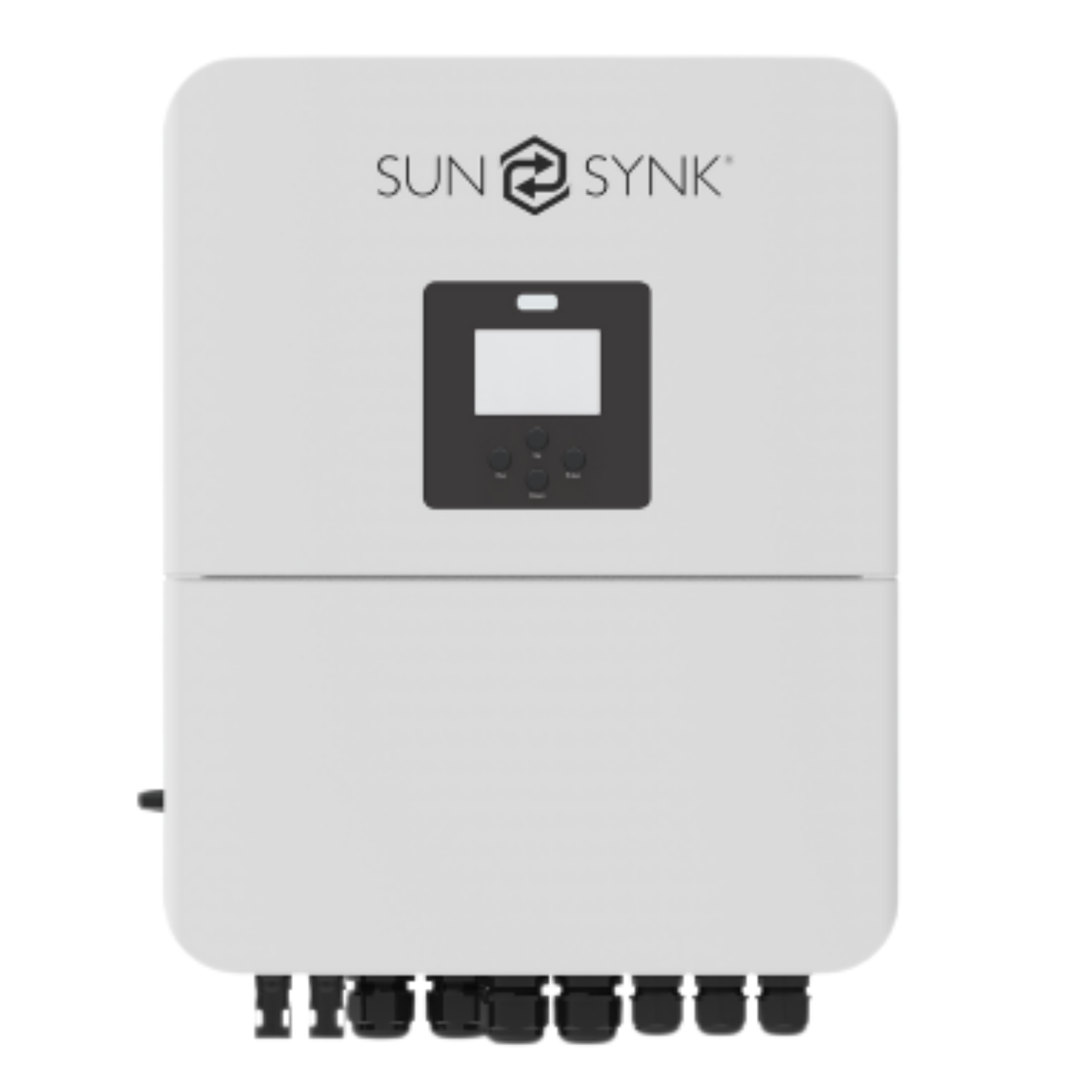
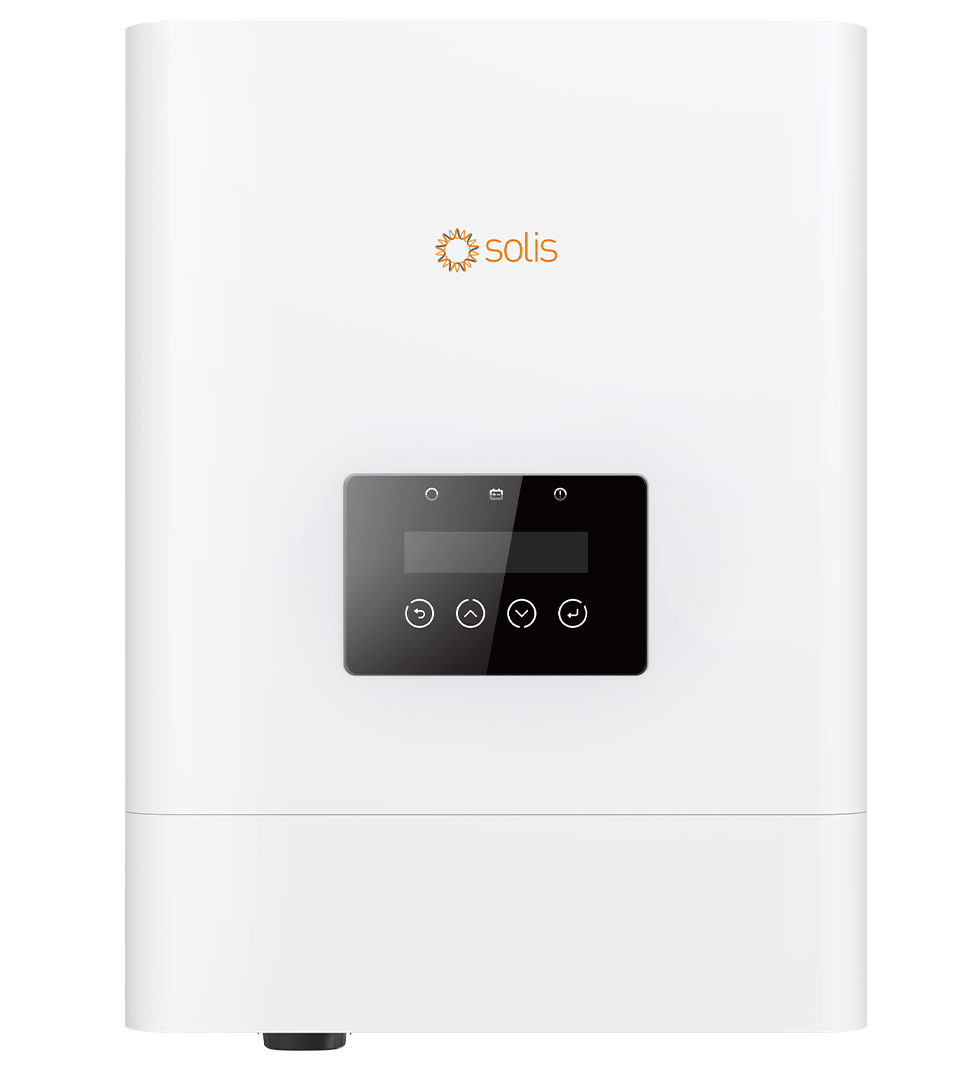
The right inverter and battery pairing matters more than a headline kW or kWh figure. See the models currently listed by SolarGuide, then ask for a quote based on your home and usage.
A 3kVA inverter is the entry point for proper backup power in South Africa. It is the size sold in hardware stores and computer shops as an inverter-charger for a flat, a townhouse or a home office, usually with a 24V battery and a small solar charger built in. It is also the size people most often buy, then find out what it will not do the first time someone switches on the kettle.
The short answer: a 3kVA inverter runs all the household essentials together, and one heavy appliance at a time if it is rated at a full 3,000W. It will not run two heating appliances at once, a geyser, or most pumps. This guide goes through the appliances one by one, then covers the battery, panels and wiring that decide whether a 3kVA system is enough for your home.
Key takeaways
Check the watt rating first. Some 3kVA units deliver 3,000W, older ones 2,400W.
Lights, Wi-Fi, TV, laptops, a fridge-freezer and security run together with plenty of room.
A 3,000W unit can add one heavy load, such as a kettle, microwave, hair dryer or iron. Two at once will trip it.
Pumps, geysers, ovens and whole-house backup for a family home are jobs for a 5kW hybrid, not a 3kVA unit.
First, find the watt rating
A 3kVA label tells you the inverter's apparent power. Your appliances use real power, measured in watts, and the two are not always the same. Two current examples show the gap:
A 600W difference sounds small, but on a 3kVA unit it decides whether you can boil a kettle with the lights on. Our kVA vs kW guide explains power factor and how to read the rating on any datasheet. The rest of this guide shows both ratings side by side.
What a 3kVA inverter can run, appliance by appliance
The wattages below come from our appliance power table. They are typical rating-plate ranges, so check your own appliance's plate. "With the essentials on" means about 450W of background load: eight 8W LED bulbs, Wi-Fi and fibre box, TV and decoder, a fridge-freezer while its compressor runs, and two laptops.
Appliance
Typical rated power
On a 2,400W unit, with the essentials on
On a 3,000W unit, with the essentials on
LED lights, Wi-Fi, TV, laptops, chargers
5–150W each
Yes
Yes
Fridge-freezer
100–200W running
Yes, if the surge covers the compressor start
Yes, if the surge covers the compressor start
Electric blanket
60–100W
Yes
Yes
Microwave
1,000–1,500W drawn
Yes
Yes
Split aircon (9,000–12,000 BTU)
800–1,200W running
Usually, if the surge covers the start
Usually, if the surge covers the start
Air fryer
1,400–2,000W
Yes at 1,400W, no at 2,000W
Yes
Hair dryer
1,200–2,200W
Only the smaller ones
Yes
Iron
1,000–2,400W
Only at the low end
Yes, up to about 2,400W
Kettle
1,800–2,400W
No for a typical 2,200W kettle
Yes, on its own
Stove plate
1,000–2,000W
One small plate
One plate
Pool pump (0.75kW)
750–1,100W running
Risky: the start surge decides it
Risky: the start surge decides it
Oven
2,000–3,000W
No
Only a 2,000W oven, with nothing else heavy
Geyser element
2,000–4,000W
No
No, in practice
Tumble dryer
2,000–2,500W
No
Only on its own, and it drains the battery
The yes and no answers are SolarGuide calculations: the appliance's rating plus 450W must stay under the inverter's continuous watt rating. A 2,200W kettle plus 450W is 2,650W, over a 2,400W unit's limit and under a 3,000W unit's.
Essentials450 W
+ microwave1650 W
+ kettle2650 W
+ kettle + microwave3850 W
Worked loads against 2,400W and 3,000W limits
The one-heavy-load rule
The table comes down to one habit. On a 3,000W unit, you can run the essentials plus one heating appliance. Boil the kettle, then use the microwave. Dry your hair, then iron. Essentials, kettle and microwave together come to 3,850W, which trips even a full 3,000W unit.
On a 2,400W unit the rule is tighter: essentials plus a microwave is fine, but most kettles, hair dryers and irons push it over. If you already own a 2,400W unit, a smaller 1,500W travel kettle or a gas kettle during outages is cheaper than replacing the inverter.
Surge: fridges, aircons and pumps
Appliances with a motor or compressor draw several times their running power for a moment as they start. The inverter's surge rating covers that moment. The two 3kVA units above list 6,000VA of surge without saying for how long, while Sunsynk's small hybrid gives twice its rated power for 10 seconds. A surge figure without a duration is hard to compare, so ask the seller for both.
In practice:
A fridge-freezer draws far less than any heavy appliance, so on a pure sine wave 3kVA unit with enough surge it should start. If the inverter trips as the compressor kicks in, check whether a heavy appliance was already running.
An aircon runs within 3,000W, but adding it to the essentials and a kettle does not fit. Check its start-up current with the manufacturer.
A pool or borehole pump is the hardest load for a small unit. A 0.75kW pump runs at 750–1,100W, but its start surge, on top of the essentials, can exceed what a small unit holds. Our guide to solar for borehole and pool pumps covers pump sizing.
Choose a pure sine wave unit for anything with a motor. Our budget inverters guide explains why modified sine wave causes trouble with compressors and some chargers.
How long it runs: the battery behind it
The inverter decides what runs at once; the battery decides for how long. Most 3kVA inverter-chargers use a 24V battery. A 24V lithium (LiFePO4) battery has a nominal voltage of 25.6V, so a 100Ah unit stores 2.56kWh and a 200Ah unit 5.12kWh (volts × amp-hours ÷ 1,000).
As a working assumption, plan on about 90% of a lithium battery's rated capacity reaching your appliances after depth-of-discharge limits and inverter losses. Check the exact figure on your battery's datasheet.
Battery
At the plug (editorial assumption)
Essentials at 450W
Essentials + 1,000W aircon (1,450W)
3,000W flat out
24V 100Ah lithium (2.56kWh)
about 2.3kWh
about 5 hours
about 1.5 hours
about 45 minutes
24V 200Ah lithium (5.12kWh)
about 4.6kWh
about 10 hours
about 3 hours
about 1.5 hours
Runtimes are SolarGuide calculations: usable energy divided by load. A four-hour load-shedding slot on the essentials uses about 1.8kWh (450W × 4h), so even the smaller battery covers one slot. Two slots in a day, or a long unplanned outage, call for the larger one, or for solar to recharge between slots. Our guide to what a 5kWh battery can run shows the same arithmetic in more detail, and the battery backup runtime calculator lets you try your own loads.
The battery has to supply the current
At 24V, the current is high. A 3,000W load on a 25.6V battery draws about 117A (3,000W ÷ 25.6V, before losses), and a 2,400W load about 94A. A battery's management system (BMS) caps how much current it will supply, so check the maximum continuous discharge current on the battery's datasheet. If it is lower than the inverter needs, the battery, not the inverter, sets your limit. A 48V system such as Sunsynk's 3.6kW hybrid halves the current for the same power.
Not sure what size inverter you need?
Share your appliances and your bill. The assessment matches the inverter to your peak load and backup needs, then quotes the full system.
Free and no obligation. SolarGuide may earn a referral fee from Alumo; it never adds to your cost.
Can you add solar panels to a 3kVA inverter?
Yes, but the built-in charger limits how much. The Mecer unit above lists a 1,200W PWM charger with an 80V open-circuit voltage limit; the RCT Axpert 3K lists 600W. That is room for two or three modern panels at most, and the low voltage limit restricts how they can be wired. Check the panel's open-circuit voltage on its datasheet against the inverter's limit before you buy.
PVGIS, the European Commission's solar model, estimates that a north-facing array tilted at 26° in Johannesburg produces about 1,751kWh per kWp a year, or about 4.8kWh per kWp a day on average (retrieved 26 September 2026 for our roof fit tool). On that average, 1,200W of panels could produce up to about 5.8kWh a day (1.2 × 4.8), less in winter, less on a PWM charger, and less again if the panels are shaded. That is enough to recharge a small battery between slots. It is not enough to cut a family's electricity bill much.
The small hybrid in the table takes 4,680W of panels on two MPPT trackers, which is the main practical difference between a budget inverter-charger and a hybrid at a similar power rating. If lowering your bill is part of the plan, our guide to adding panels to an existing inverter explains the limits.
Plugged in or wired into the house?
Many 3kVA units are used with extension leads: the fridge, router and TV plug into the inverter, and everything else stays on the grid. That needs no electrical work.
Wiring an inverter into your distribution board, so that selected circuits switch over automatically, is fixed electrical installation. It needs a registered electrician and a Certificate of Compliance. If the inverter can connect to the grid, Eskom and many municipalities also require registration and an inverter with an NRS 097-2-1 type-test certificate. Sunsynk's datasheet lists NRS 097-2-1; our budget inverters guide found that the Axpert-style Mecer and RCT models were not on Cape Town's approved list when it was checked. See our SSEG registration guide for the process.
When 3kVA is enough, and when to step up
A 3kVA inverter is a sensible choice when:
you need the essentials through load-shedding: lights, Wi-Fi, TV, laptops, the fridge and security
you live in a flat, a townhouse or a small home, and cook on gas or can wait for the power to return
you rent and want a system you can take with you
you can live with one heavy appliance at a time
Step up to a 5kW hybrid when:
the kettle and microwave, or the kettle and oven, are regularly used together in the evening
a pool pump, borehole pump or more than one aircon must run during outages
you want solar to reduce your bill, not only to recharge the battery
you want backed-up circuits on the DB board for a family home, with a system you can register
The step from 3kVA to 5kW adds about 2,000W of headroom, enough for a second heavy appliance. Our guide to what a 5kW inverter can run shows a full evening on that size, and our guide to sizing your inverter explains how to add up your own simultaneous load.
What a 3kVA inverter costs
ComX listed the Mecer Axpert V 3kW at R4,010 including VAT, in stock, on 26 October 2026. That is the inverter only. A 24V lithium battery, cabling, a DC breaker and, if it is wired in, an electrician and Certificate of Compliance often cost more than the inverter. Our inverter prices guide covers hybrid inverter prices.
If a 3kVA unit is too small
Alumo's current solar-plus-battery rent-to-own packages are built around a Solis 5kW inverter and an Eenovance 5.32kWh battery, from R1,449 a month for Watt-a-Deal on a seven-year term (alumo.co.za, checked 26 October 2026). The final system is confirmed after a site assessment, and pricing is subject to credit approval.
Yes. A fridge-freezer draws 100–200W while its compressor runs, well within a 3kVA unit's rating. Use a pure sine wave inverter, and avoid starting a kettle or other heavy load at the moment the compressor kicks in.
Can a 3kVA inverter run a kettle?
A unit rated 3,000W can run a typical 2,200W kettle with the essentials on, about 2,650W in total. A unit rated 2,400W cannot. Neither can run a kettle and a microwave at the same time.
Can a 3kVA inverter run a geyser?
Not in practice. A geyser element draws 2,000W to 4,000W and runs for long periods, which leaves no headroom on a 3kVA unit and empties a small battery in one to two hours. Heat water with a timer when the grid is on, or with solar.
What size battery do I need for a 3kVA inverter?
Most 3kVA units use a 24V battery. A 24V 100Ah lithium battery (2.56kWh) runs 450W of essentials for about five hours; a 200Ah battery (5.12kWh) for about ten. Check that the battery's maximum discharge current covers the inverter's full output, which is about 117A for 3,000W at 24V.
Is SolarGuide the installer?
No. SolarGuide is an independent referral partner. Alumo supplies, installs, finances and warrants the systems we refer. We help you compare options and get a free quote. All pricing is indicative and subject to a site assessment and credit approval.
Sources and review note
Checked on 26 October 2026. RCT Axpert 3K ratings come from RCT's Axpert MKS datasheet. Mecer Axpert V 3kW ratings and price come from the ComX listing. Sunsynk figures come from its 3.6/5kW single-phase hybrid datasheet, v22. Solar yields come from PVGIS 5.2 (European Commission Joint Research Centre), retrieved on 26 September 2026 for our roof fit tool. Registration requirements come from Eskom's SSEG page, and the Cape Town approved-list finding from our budget inverters guide, which checked the list dated 11 September 2026. Appliance wattages are typical rating-plate ranges from our appliance power table. Alumo's package configuration and price come from alumo.co.za. The 90% usable assumption is editorial; load totals, runtimes, battery current and solar output are SolarGuide calculations. SolarGuide has not tested these inverters, and none of these brands or retailers is a SolarGuide partner. If you spot a factual error, tell us and we'll correct it.
SolarGuide is an independent referral partner. We help you compare options and arrange a free quote — Alumo supplies, installs, finances and warrants the systems. Pricing is indicative, sourced from Alumo’s published catalogue, and subject to a site assessment and credit approval.