Pumps are the quiet villains of the household electricity bill. A borehole pump lifting water all day, or a pool pump grinding away for eight hours to keep the water clear, can chew through a surprising amount of power — and both tend to run in daylight, when the sun is blazing and your panels are itching to do something useful. On paper, running your borehole and pool pump on solar looks like a perfect match.
Mostly, it is. But pumps have a quirk that trips up a lot of DIY thinking. The moment a pump motor switches on, it gulps a big surge of current, far more than it uses once it's spinning. Size your system for the running load and forget the start-up surge, and you'll be listening to your inverter trip every time the pump kicks in. Here's how to run your pumps on solar properly, and where a battery does and doesn't make sense.
Key takeaways
Pumps run mostly in daylight, so they pair naturally with solar generation.
The catch is start-up surge: motors draw several times their running current at switch-on, and the inverter must handle it.
A timer that runs the pump during peak sun is the simplest, cheapest way to solarise it.
You often don't need a battery to run a pump on solar — daytime sun can do the job directly.
A site assessment sizes the inverter for your specific motor so it never trips on start-up.
Get a free solar quote
Share your average electricity bill and we will arrange a free, no-obligation quote sized to your home and budget. Compare rent-to-own, subscription and outright options.
Mon–Fri 8am–5pm · Sat 8am–1pm · Free quote across South Africa
Why pumps and solar are a natural fit
The timing lines up
The single biggest factor in how much a load benefits from solar is when it runs. Loads that draw power at night lean heavily on expensive battery storage. Loads that run in the middle of the day can be fed straight off the panels, no battery required. Pool pumps and daytime borehole pumping fall squarely into the second camp — which makes them some of the most cost-effective things you can move onto solar.
The savings add up quietly
Because pumps run for long stretches, their consumption is larger than people expect. A pool pump cycling for hours a day, every day, is a steady, predictable draw. Shifting that load off Eskom and onto free midday sun removes a chunk of your bill that you'd otherwise never think about. And unlike lights or a TV, a pump doesn't care whether it runs at 11am or 8pm — so you can freely schedule it for peak sun.
The same principle applies to a solar powered water pump for a borehole, storage tank or irrigation system, but the design brief changes with the water task. A pool pump usually needs a predictable daily cycle. A borehole pump may need to lift water from depth and fill a tank. An irrigation pump may have several zones and valves. Give the installer the pump plate, pipe run, lift height, tank size and required flow rate. “Solar pump” describes the energy source, not the motor duty that the inverter must handle.
The one thing everyone gets wrong: start-up surge
What surge actually is
An electric motor doesn't sip power evenly. At the instant it starts, it pulls a large inrush of current, commonly several times its normal running draw, for a fraction of a second before settling into its steady state. A pump that hums along at a modest running load might briefly demand a multiple of that at the moment of switch-on.
Why it matters for solar
Your inverter has a maximum instantaneous output. If the pump's start-up surge exceeds what the inverter can deliver in that instant, the inverter protects itself and trips, even though it could easily handle the pump once it's running. This is the classic failure mode of an under-designed pump-on-solar setup, and it's entirely avoidable. A proper design sizes the inverter (and, where relevant, a soft-starter) to swallow the surge. It's exactly why a site assessment that looks at your specific pump motor beats guessing from a spec sheet.
Not sure which system you need?
Get a free, no-obligation quote sized to your home, usage and budget. It only takes a minute.
For most homes, the cheapest and simplest way to run a pool or borehole pump on solar is to schedule it for peak generation. Set a timer so the pump does its daily work between roughly mid-morning and mid-afternoon, when your panels are producing the most. During those hours the sun feeds the pump directly, and you've taken that load off the grid for free, with no extra battery capacity spent.
This works beautifully for pool pumps, which don't need to run at any particular time as long as they complete their daily cycle. Borehole pumps that fill a storage tank are similar: pump into the tank during the day, draw from the tank whenever you need water. In both cases you're using the tank or pool as a kind of "battery" for water, which is far cheaper than storing electricity.
Do you need a battery for your pump?
Often, no
Here's the liberating part: if your pump only needs to run during the day, you may not need any extra battery for it at all. Direct solar during daylight covers the load. Adding battery capacity purely to run a pump at night is usually poor value, because you're paying to store expensive electricity to power a job you could simply schedule for daytime instead.
Sometimes, yes
There are exceptions. If your borehole is your only water source and you need pressure on demand at any hour — including through the night and during load-shedding — then some storage, or a pressurised tank, keeps water flowing when the sun's down. Likewise, if the pump is on a circuit you want backed up during outages regardless of time, it factors into your battery sizing. The right call depends on how essential round-the-clock pumping is for your household, which is a good thing to talk through during an assessment. Get a free quote → to work out whether your pumps need storage or just daytime sun.
Fitting it into a whole-home system
Pumps rarely go solar on their own — they're usually part of a broader home system that also covers lights, wifi, the fridge and load-shedding backup. When you size that system, the pump's running load and its start-up surge both need to be in the calculation so the inverter is comfortable with everything switching on together.
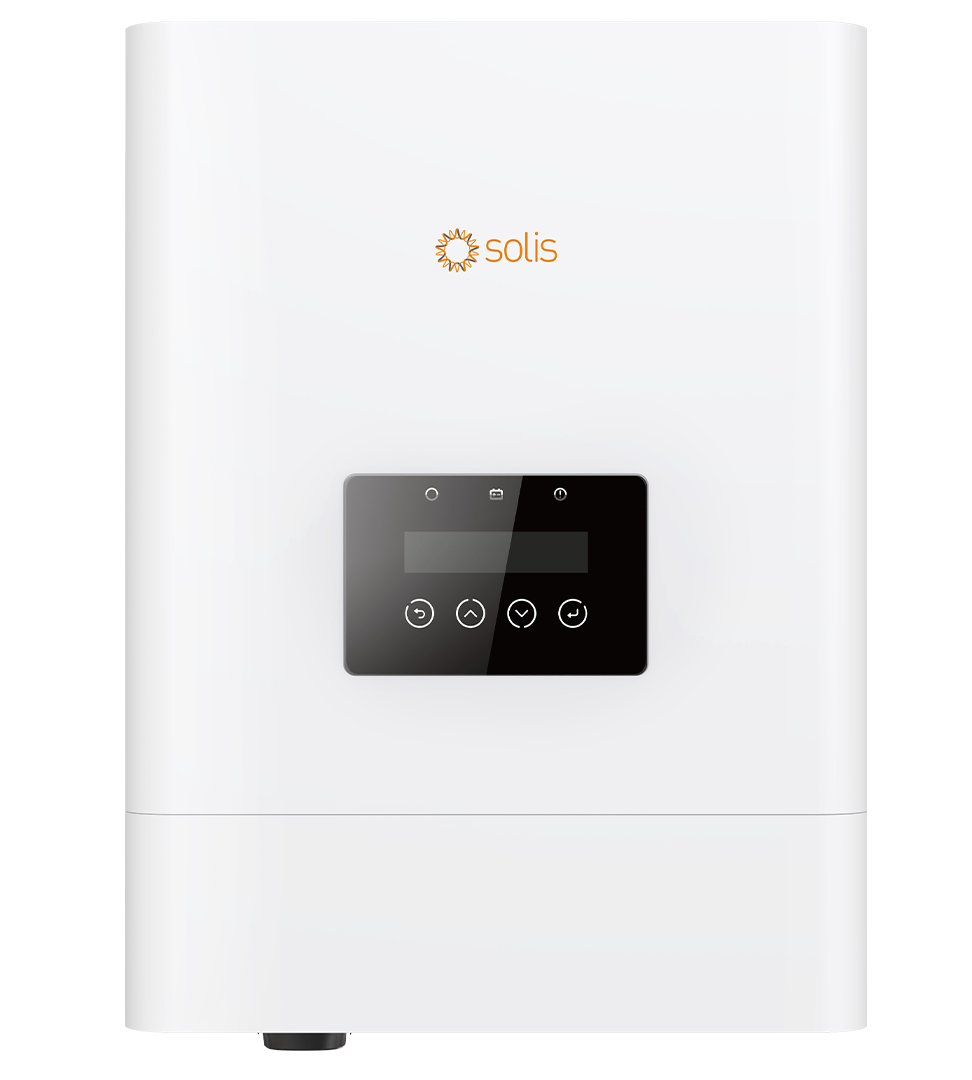
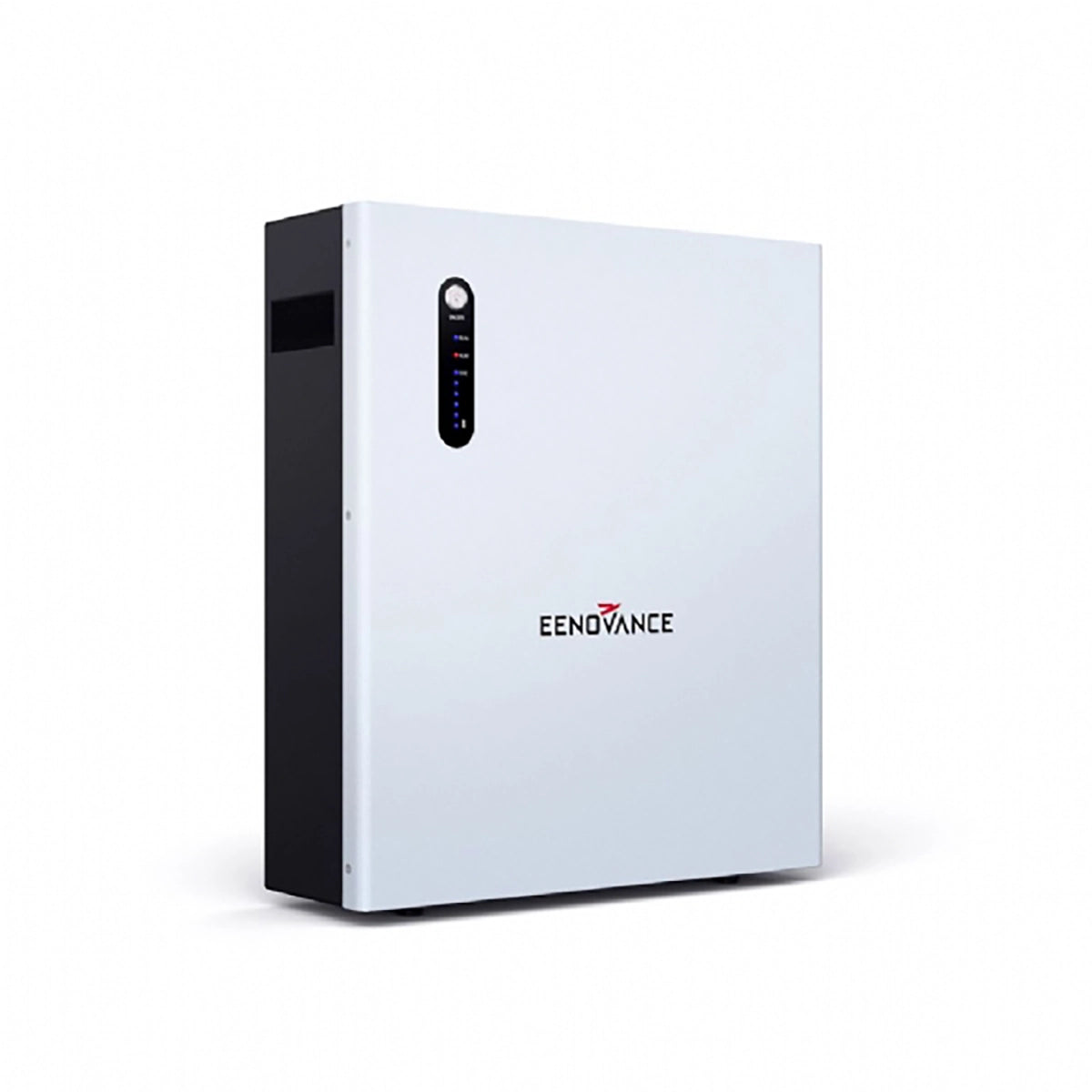
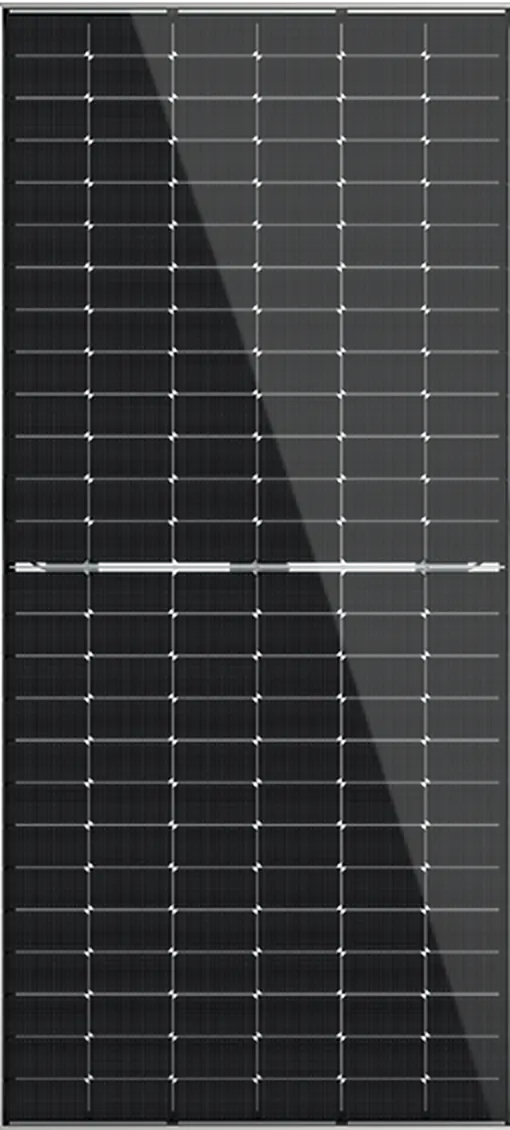
Alumo's current solar-plus-battery rent-to-own range uses a Solis 5kW inverter and Eenovance 5.32kWh battery: Watt-a-Deal has three 615W panels from R1,418/month, The Big Watt has four from R1,487/month, and The Power Bae has six from R1,626/month on a seven-year term. Three- and five-year prices, solar-only configurations and battery-only pricing are available on our current package comparison.
The honest way to get this right is to let an installer look at your actual pumps and usage. Get a free quote → and have the system sized so your borehole and pool pump run on sunshine without a single nuisance trip.
Free tool
Estimate your system & savings
Move the slider to your monthly bill for an instant, indicative suggestion.
This is an indicative starting point. The site assessment and signed quote confirm the system, current price, equipment, savings and backup time. Rent-to-own payments increase by 6.5% each year.
Frequently asked questions
Can I run my pool pump entirely on solar?
In most cases, yes — and often without any extra battery. Because a pool pump doesn't care what time of day it runs, you simply set a timer to run it during peak sun, when your panels feed it directly. As long as it completes its daily filtration cycle in daylight hours, you've moved that whole load off the grid for free.
Why does my pump trip the inverter?
Almost always because of start-up surge. When a pump motor switches on it draws a brief inrush of current several times its running load, and if that spike exceeds the inverter's instantaneous limit, the inverter trips to protect itself. The fix is designing the system — inverter size, and sometimes a soft-starter — around your specific motor, which a site assessment sorts out.
Do I need a battery to run a borehole pump on solar?
Not necessarily. If you pump into a storage tank during the day and draw from the tank when you need water, daytime solar can run the pump directly with no extra battery. You only need storage if you require pumping or water pressure on demand at night or through load-shedding — for example, if the borehole is your sole water source.
Is it cheaper to run pumps during the day?
Yes, considerably. Running a pump in daylight lets it feed off direct solar generation instead of drawing from the grid or discharging your battery. Storing electricity to run a pump at night is usually poor value — it's far cheaper to schedule the pump for peak sun and, where needed, store the water rather than the power.
Who designs and installs the system?
Alumo supplies, installs, finances and warrants the system, including sizing the inverter to handle your pump's start-up surge. SolarGuide is an independent referral partner — we help you compare options and get a free quote. All pricing is indicative and subject to a site assessment and credit approval.
SolarGuide is an independent referral partner. We help you compare options and arrange a free quote — Alumo supplies, installs, finances and warrants the systems. Pricing is indicative, sourced from Alumo’s published catalogue, and subject to a site assessment and credit approval.