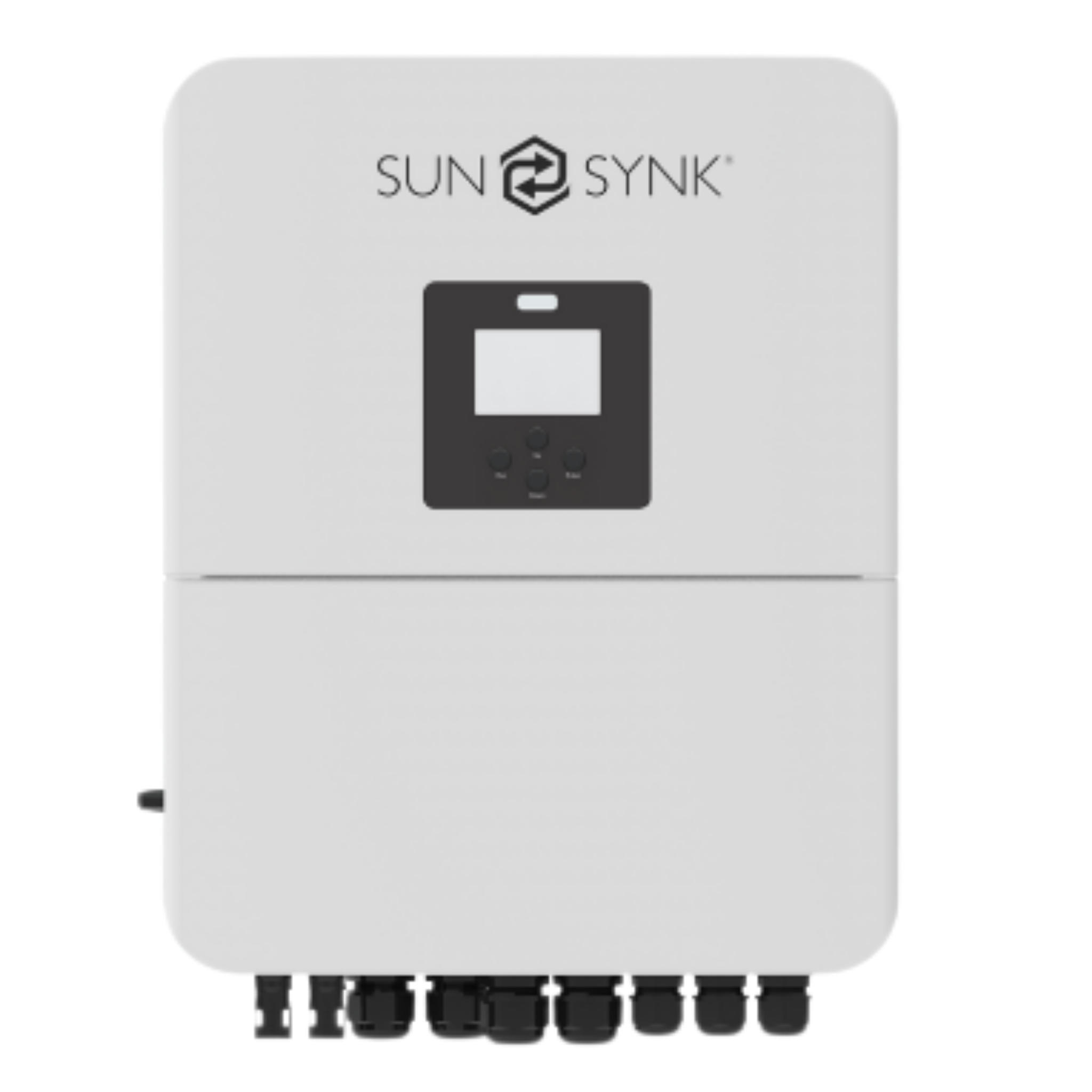
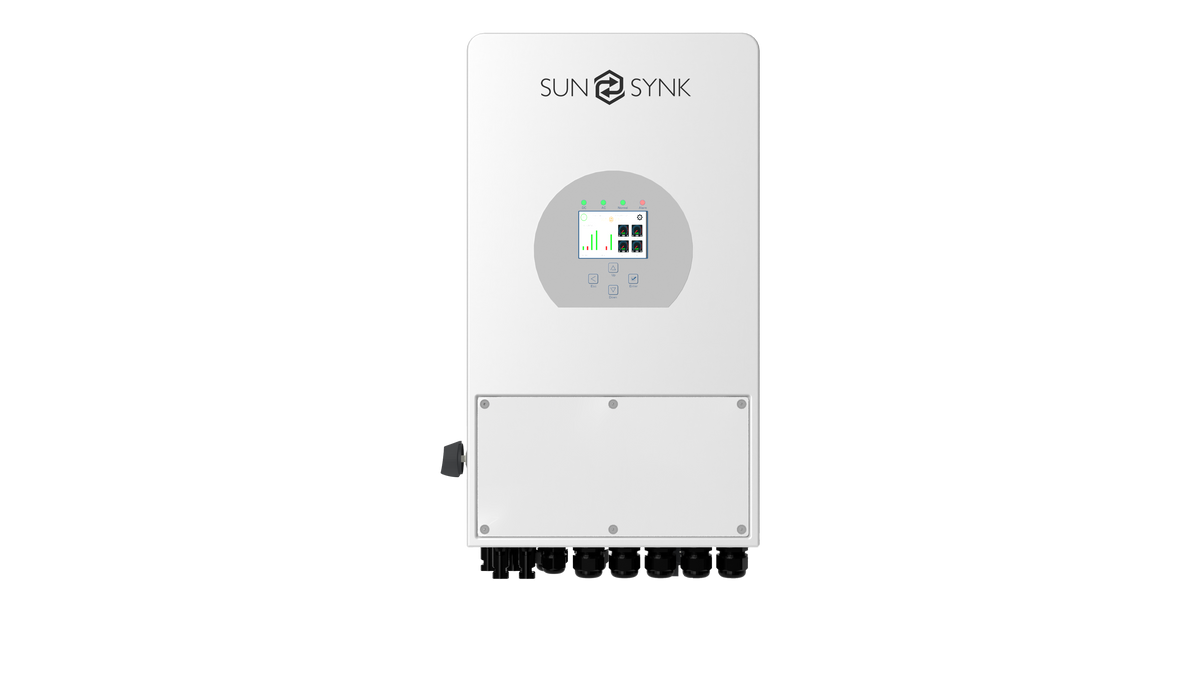
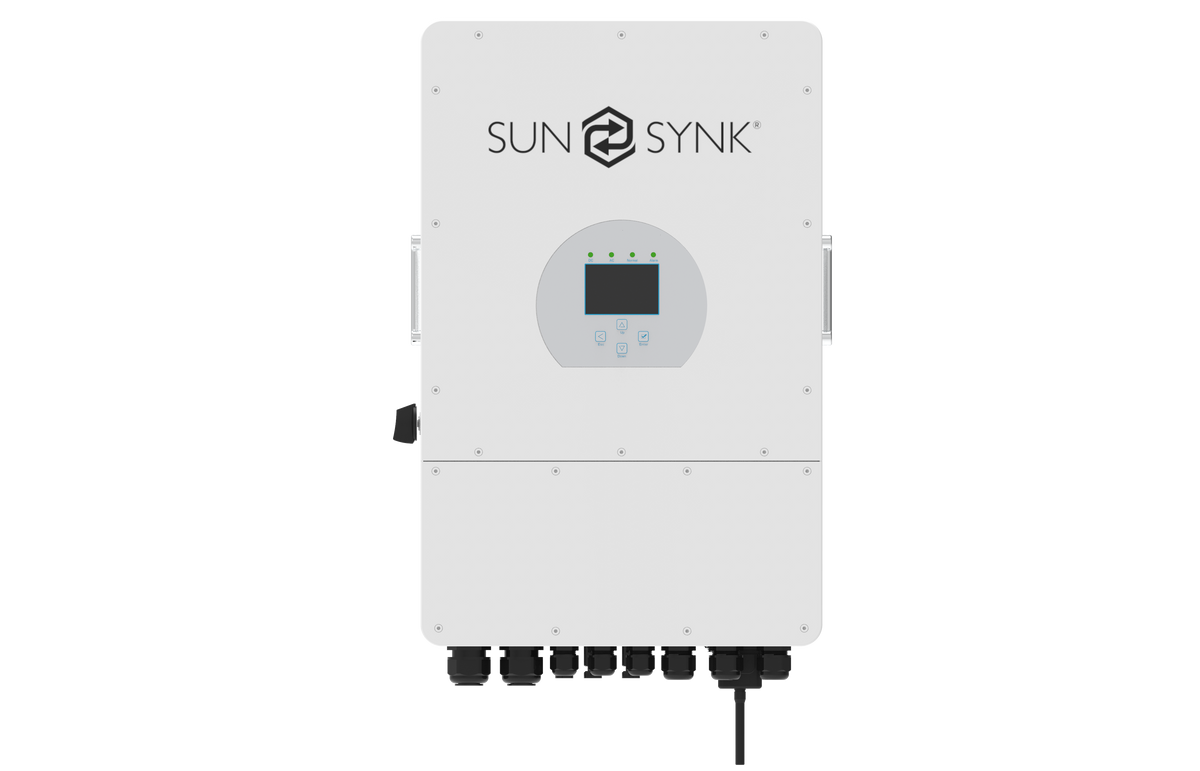
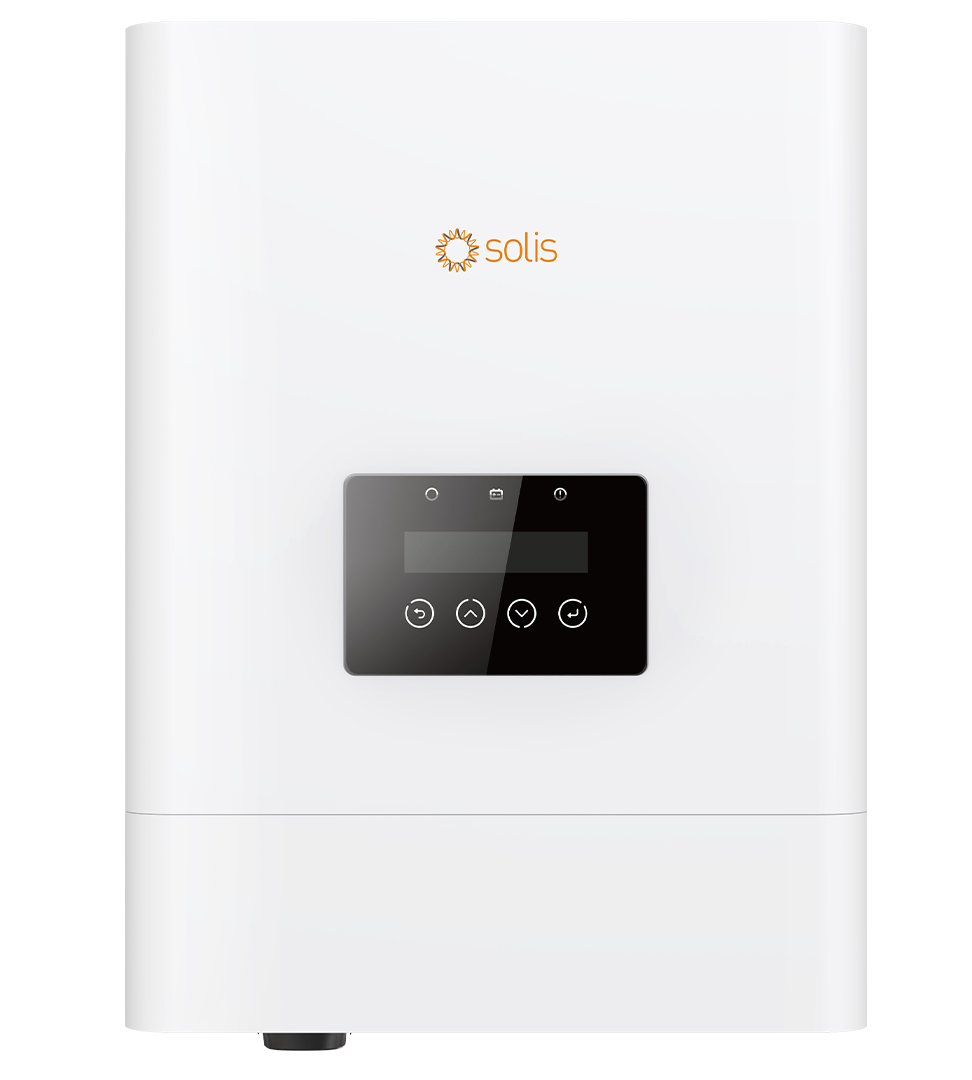
The right inverter and battery pairing matters more than a headline kW or kWh figure. See the models currently listed by SolarGuide, then ask for a quote based on your home and usage.
Ask why a solar system disappoints its owner, and surprisingly often the culprit isn't the panels or even the battery. It's an inverter that was sized wrong. Too small, and it trips the moment you run a few appliances together, leaving you resetting it in the dark while the battery sits half full. Too large, and you've paid for capacity you'll never touch. The inverter decides how much power your home can draw at any one instant, so getting its size right is one of the decisions that matters most in the whole project.
The good news is that inverter sizing isn't mysterious. It follows one simple idea: your inverter must handle everything you want running at the same time. This guide walks you through how to think about that, the traps to avoid, and why the final sizing is best confirmed by someone who has measured how your home actually behaves.
Key takeaways
Inverter size is measured in kilowatts (kW). It sets how much power you can draw at once.
This is different from battery capacity (kWh), which sets how long you can run.
Size around your realistic simultaneous load, not the sum of every appliance you own.
High-draw items (kettles, geysers, stoves, pool pumps) dominate the calculation.
kW versus kWh: the distinction that fixes half the confusion
Before sizing anything, separate two numbers that people constantly conflate.
Kilowatts (kW) measure power, the rate at which you draw energy at a given instant. This is your inverter's rating. A 5kW inverter can deliver up to 5kW of power at once. Kilowatt-hours (kWh) measure energy, which is power over time, and that's your battery's job. A 5kWh battery holds five kilowatt-hours of stored energy.
Think of the inverter as the width of a pipe and the battery as the size of the tank. The pipe decides how much can flow at once; the tank decides how long the flow can last. You need both sized correctly, but they answer different questions. This guide is about the pipe.
3.6kW
smaller home or flat
5kW
busy family home
80–125kW
farms & business
Step one: list what you run at once
The heart of inverter sizing is honest arithmetic about simultaneous demand. Not everything you own, but what realistically runs together during the times you care about, especially load-shedding.
Start with the low-draw essentials that hum along constantly: LED lights, Wi-Fi and networking, a TV, phone and laptop charging, and the fridge and freezer. Added up, these are modest and rarely trouble even a small inverter. The picture changes the moment you introduce high-draw appliances, which is where the real sizing happens.
The power-hungry culprits
A handful of appliances dominate any home's peak demand. An electric kettle is a notorious one: small, innocent-looking, and a heavy draw for the minute or two it runs. A geyser element, an electric stove or oven, a microwave, a tumble dryer, an iron, a pool pump and larger power tools all pull hard. The question is never whether you own these, but how many might run at the same instant.
If you can stagger them, boiling the kettle and then using the microwave rather than both together, a smaller inverter copes. If your household routinely runs several heavy items at once, you need more headroom. This is why two homes with identical appliance lists can need different inverters.
Not sure which system you need?
Get a free, no-obligation quote sized to your home, usage and budget. It only takes a minute.
Once you have a realistic peak, you do not size the inverter to sit exactly at that number. You leave headroom for two reasons.
First, surge. Anything with a motor or compressor (a fridge, pump or power tool) briefly draws far more than its running power the moment it switches on. A good inverter tolerates short surges above its continuous rating, but your continuous sizing should still leave comfortable margin so normal start-ups don't nudge you toward a trip.
Second, life changes. You might add an appliance, a home office or more battery later. A little headroom now is cheaper than replacing an inverter that turned out to be sized exactly, and therefore too tightly. There's a balance, though: too much headroom is money spent on capacity you never use. Judging that balance is what a proper assessment is good at.
Step three: match the inverter to the battery and panels
An inverter is never sized in isolation. It has to be balanced against the battery that feeds it and the panels that recharge that battery.
A large inverter married to a tiny battery delivers plenty of power but only for a very short time, a wide pipe on a thimble of a tank. A large battery behind an undersized inverter stores lots of energy you can't draw quickly enough to run your appliances. And too few panels behind a big battery means it never fully recharges between load-shedding slots. The three components form a system, and the trick is balancing them for how you actually live. That's the single biggest reason to have a proper site assessment rather than guessing from an online calculator.
After choosing the required power class, use our 2026 solar inverter comparison to evaluate exact Sunsynk, Solis, AlphaESS and Sigenergy options by phase, battery fit, warranty and local support.
What the packages tell you about sizing
Alumo's packages are a useful illustration of sizing in practice, because each pairs an inverter with a matched battery and panel count for a particular kind of home.
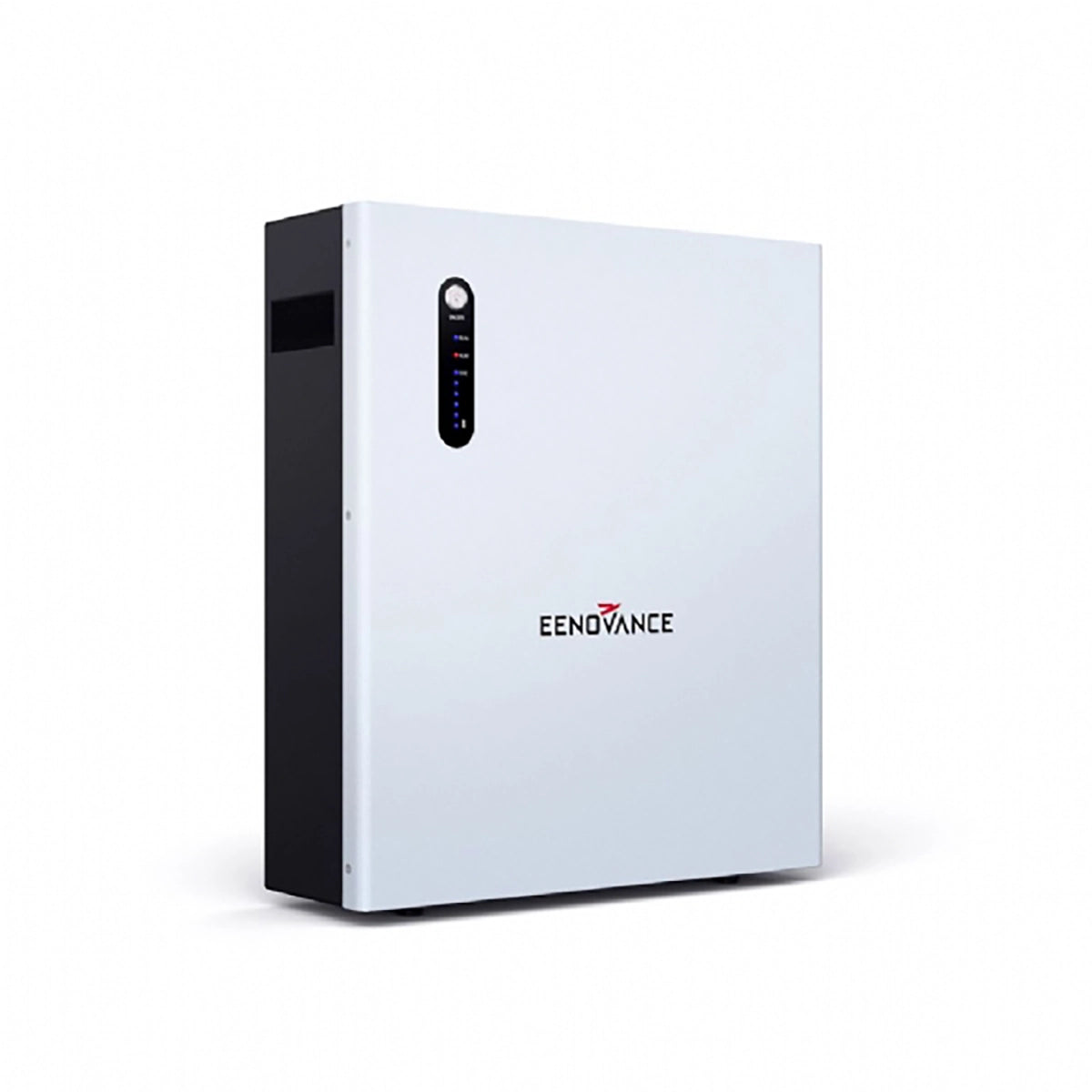
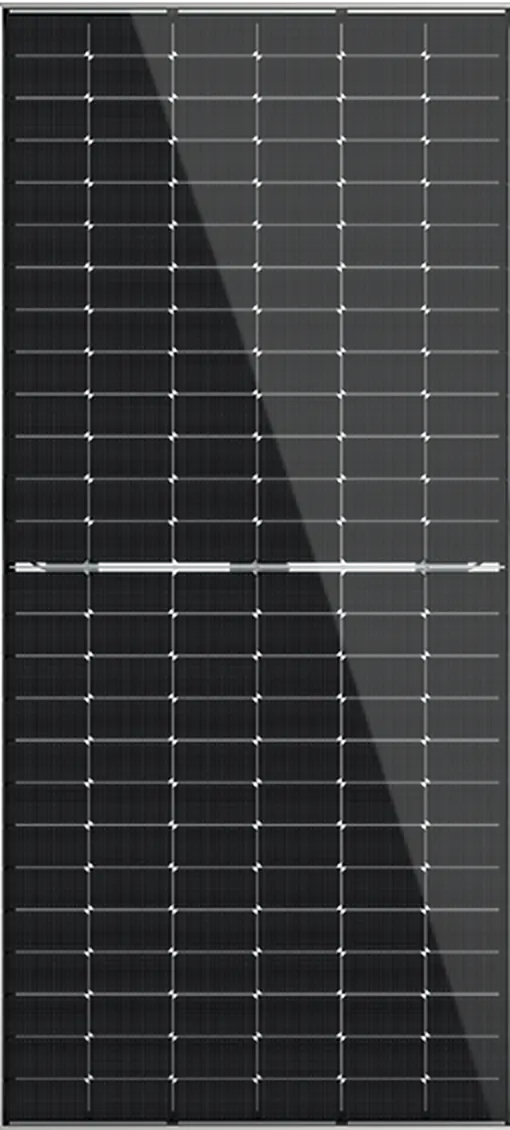
Alumo's current solar-plus-battery rent-to-own range uses a Solis 5kW inverter and Eenovance 5.32kWh battery: Watt-a-Deal has three 615W panels from R1,418/month, The Big Watt has four from R1,487/month, and The Power Bae has six from R1,626/month on a seven-year term. Three- and five-year prices, solar-only configurations and battery-only pricing are available on our current package comparison.
All three share the same 5kW inverter, which gives a busy family home the headroom to run more at once without thinking carefully every time it switches something on. The packages differ in panel count, not inverter size. That is the sizing decision this guide is about: not "more is always better," but "match the pipe to how much you really draw at once."
For larger homes or businesses, the ratings climb further. Alumo's largest business package uses a 125kW inverter. The principle is identical at every scale: size the inverter to realistic simultaneous demand, leave sensible headroom, and balance it against battery and panels.
Free tool
Estimate your system & savings
Move the slider to your monthly bill for an instant, indicative suggestion.
This is an indicative starting point. The site assessment and signed quote confirm the system, current price, equipment, savings and backup time. Rent-to-own payments increase by 6.5% each year.
Getting it right without guesswork
You can reason your way to a rough inverter size using the steps above, and doing so helps you understand your own home. But the final figure deserves a professional eye, because a good installer does more than add up appliance labels. They weigh surge behaviour, your daily and load-shedding patterns, future plans and how the whole system balances, then recommend a size that neither trips nor wastes your money. That's the value of a site assessment, and it's why the smartest first step is simply to get one.
Frequently asked questions
What size inverter do I need for my house?
It depends on how much power you run at the same time, not on your house's size. Add up your realistic simultaneous load — essentials plus any high-draw appliances that run together — and leave headroom for surges. A small home staggering heavy use might need around 3.6kW, while a busy family home often suits 5kW or more.
What is the difference between inverter kW and battery kWh?
Kilowatts (kW) measure power — how much you can draw at once — and that is the inverter's rating. Kilowatt-hours (kWh) measure energy over time — how long you can run — and that is the battery's job. Think of the inverter as the width of the pipe and the battery as the size of the tank.
What happens if my inverter is too small?
It will trip or overload when you try to draw more power than its rating allows — for example, running a kettle, microwave and geyser element together — even if the battery is full. You then have to reset it and stagger your appliance use. Correct sizing avoids this frustration.
Can I run high-draw appliances like a kettle or geyser on solar?
Yes, provided the inverter is rated to handle them, ideally not all at once. High-draw items dominate sizing, so if you want to run several together you need a larger inverter. A site assessment establishes which appliances your chosen system can comfortably support.
Who works out the correct size for my system?
SolarGuide is an independent referral partner. Alumo carries out the site assessment and supplies, installs, finances and warrants the system, sizing the inverter to your real demand. All pricing here is indicative and subject to that assessment and credit approval. We simply help you compare and get a free quote. Get a free quote →
SolarGuide is an independent referral partner. We help you compare options and arrange a free quote — Alumo supplies, installs, finances and warrants the systems. Pricing is indicative, sourced from Alumo’s published catalogue, and subject to a site assessment and credit approval.