A solar inverter can cost far less than a complete solar installation. That distinction is where many South African quotes become hard to compare.
The inverter is the unit that manages solar panels, battery storage and grid power. Buying one online can make sense for a qualified installer or a carefully designed system. For a home that needs solar, backup power and a compliant installation, the inverter is only one line in a much larger scope of work.
Quick answer
A 5kW hybrid inverter is commonly priced in the high-teens to mid-twenties of thousands of rand as equipment only, depending on the model, seller and availability.
A combined inverter-and-battery unit costs more because the storage is included. The Sunsynk Powerlynk X, for example, is listed by one South African retailer at R29,790 including VAT at the time this guide was updated.
Installation, battery storage, panels, mounting, electrical protection, labour and compliance are separate costs. An inverter price is not a system quote.
The right size depends on the loads you will run together. Buying a larger inverter without a load assessment is an expensive way to guess.
Current examples: equipment price is not installed price
The figures below are public retailer listings checked on 29 August 2026. They are examples rather than a SolarGuide price list: stock, promotions, delivery and model revisions move quickly. Use them to sanity-check a quote, then ask the installer for their exact model, supply price and scope. The quarterly Solar Price Index gives the median and range for 5kW and 8kW hybrid inverters across several retailers.
A combined inverter and battery unit, before an installed solar-array scope.
The gap between these numbers is not only about brand. A 3.6kW all-in-one contains battery storage. A 5kW hybrid inverter needs a compatible battery if you want outage backup. Two listings that look similar in a search result can therefore solve very different jobs.
When comparing a solar power inverter price or a solar inverter price in South Africa, check the unit behind the label. Search results sometimes use terms such as 5kVA inverter price or even 5kV inverter price, but kVA, kV and kW are not interchangeable specifications. Ask for the exact model and rated output before comparing the number.
What sits around the inverter in a real home system
An installed hybrid system usually includes the following in addition to the inverter:
solar panels and roof mounting;
battery storage, if the home needs power during outages or at night;
DC and AC protection, isolators, cabling and an appropriate distribution-board design;
commissioning, monitoring setup and electrical compliance work; and
labour, travel, roof access and the installer’s workmanship support.
That is why a low hardware figure should trigger questions, not an instant buying decision. Ask whether the price includes VAT, batteries, mounting, protection, installation, a certificate of compliance and the work required by your municipality or utility.
For many households, 5kW is a useful middle ground. It can support more simultaneous essential loads than a small backup unit, while remaining suitable for a typical single-phase home. It is not a rule that every household needs 5kW.
A smaller home that wants lights, Wi-Fi, a fridge and selected plugs may be better served by a 3.6kW-class system. A bigger home with multiple air-conditioners, pumps, electric cooking or three-phase supply may need a different design entirely. The power rating tells you how much can run at the same moment; it does not tell you how long the battery will last.
The names matter because they change the price and the outcome.
Hybrid inverter
A hybrid inverter manages panels, batteries and the grid together. This is the common choice for a South African home that wants daytime solar and selected backup circuits during an outage. The hardware price normally excludes the battery, panels and installation.
All-in-one inverter and battery
An all-in-one unit combines the inverter and battery in one enclosure. It can simplify the physical installation and make the initial component list easier to read, but you still need a full design for panels, protection, mounting and the electrical work.
Off-grid inverter
An off-grid system is designed to operate independently of the grid. It requires more careful generation and storage planning because the system has to carry the full load when the sun is down or the weather changes. It is not automatically the best choice for a grid-connected suburb.
Our hybrid inverter guide explains the practical difference without the sales jargon.
The five questions that make inverter quotes comparable
1. What exact model is quoted?
“5kW hybrid inverter” is a category, not a specification. Ask for the manufacturer, model number, phase, continuous output, peak or surge rating and the battery models it supports.
2. What can run at the same time?
Ask the installer to confirm the simultaneous loads the system is designed to carry. A quote that says “runs the whole house” without naming the supported circuits and limits is too vague to judge.
3. What battery is included, and what is its usable capacity?
The battery sets your energy buffer. Its nominal kWh, usable depth of discharge, warranty and the appliance load shape actual runtime. A strong inverter paired with too little storage can still leave a home without the backup it expects.
4. What panel array and roof design are included?
Panels provide the generation that makes the inverter useful during the day and recharges the battery. The quote should identify the panel count, model, wattage, roof faces, mounting method and any shading assumptions.
5. Who carries the warranty and installation responsibility?
The manufacturer warranty for an inverter is not the same as the installer’s workmanship obligation. Ask who will respond first if the system trips, communication fails or a component needs a warranty claim.
A better way to compare the cost of going solar
If the goal is a working home system, compare a complete, written scope rather than one inverter number. SolarGuide’s published packages make the payment model, named equipment and starting point visible, then the final quote tests that setup against the property.
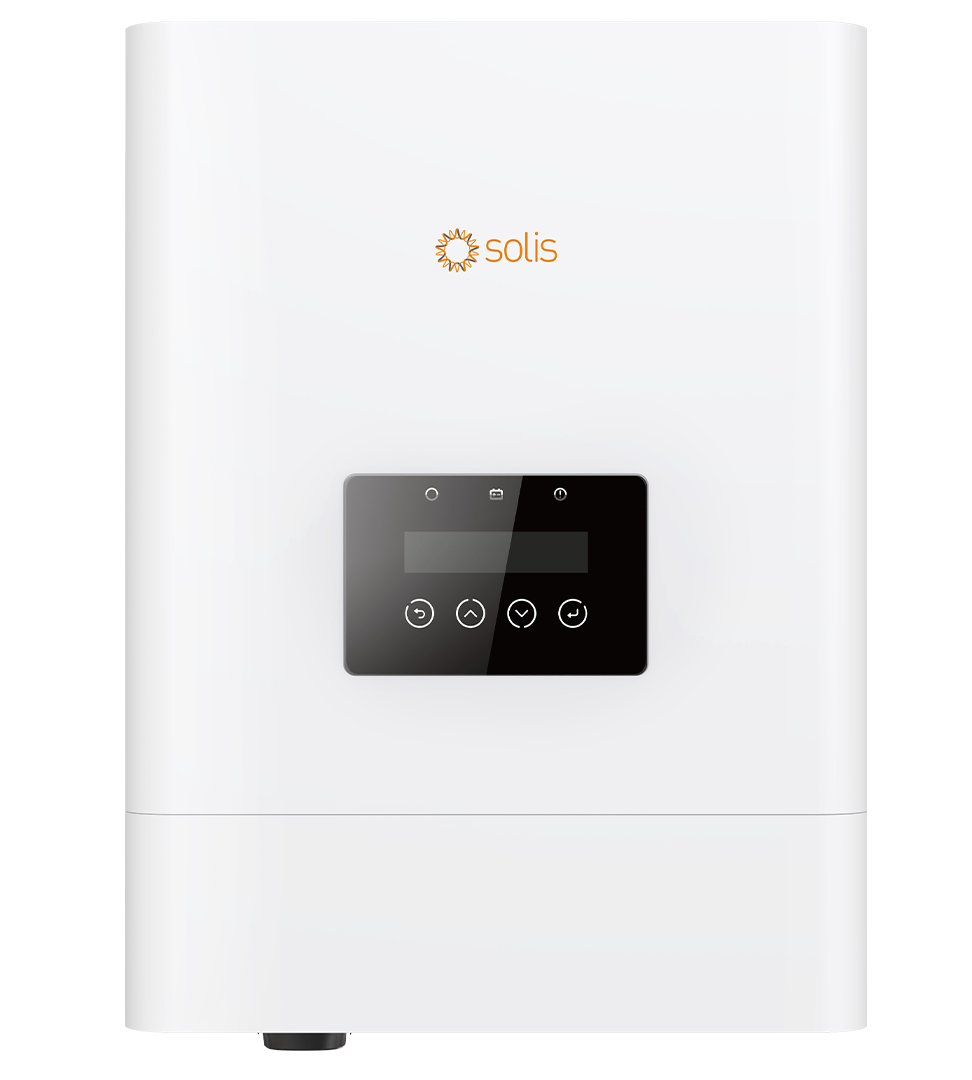
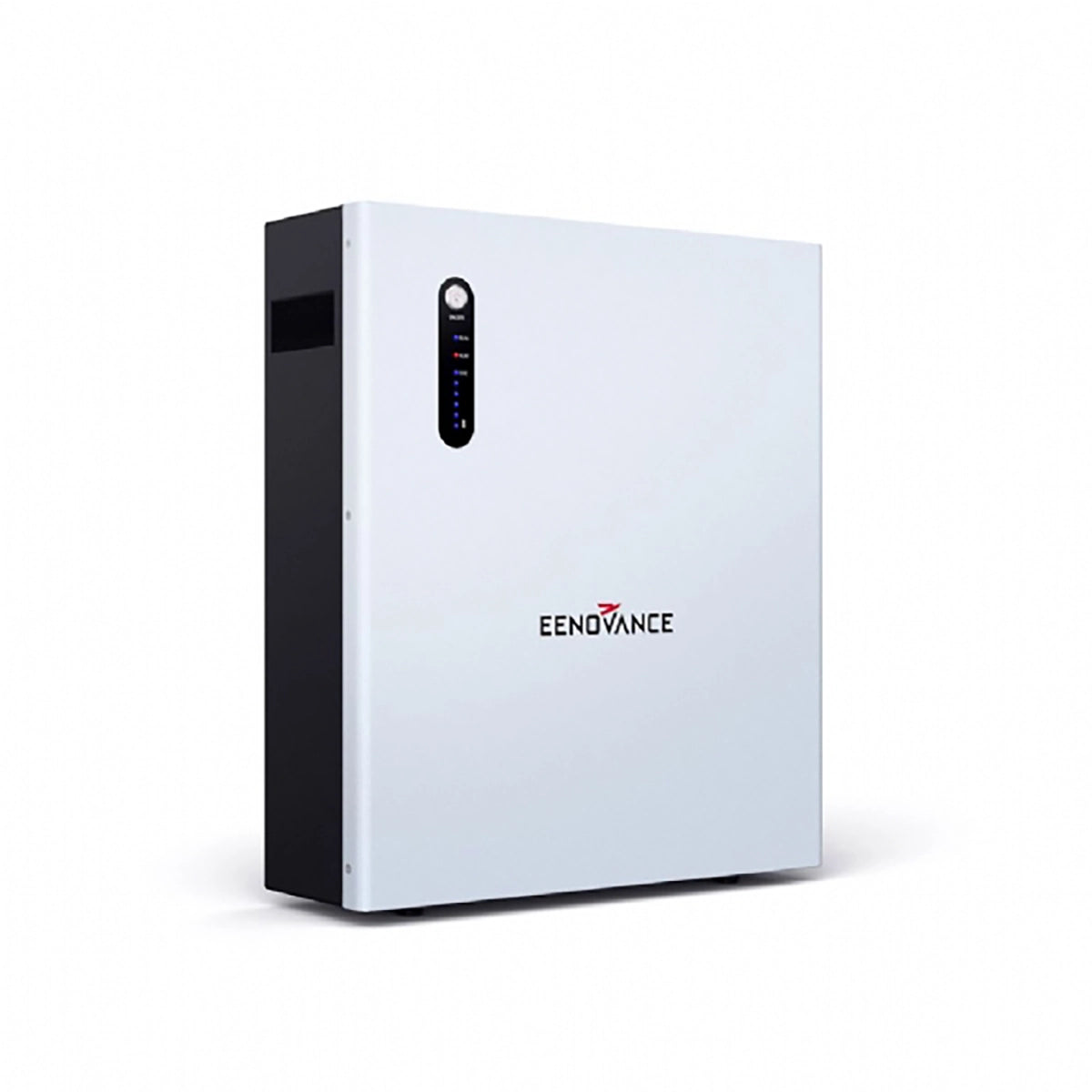
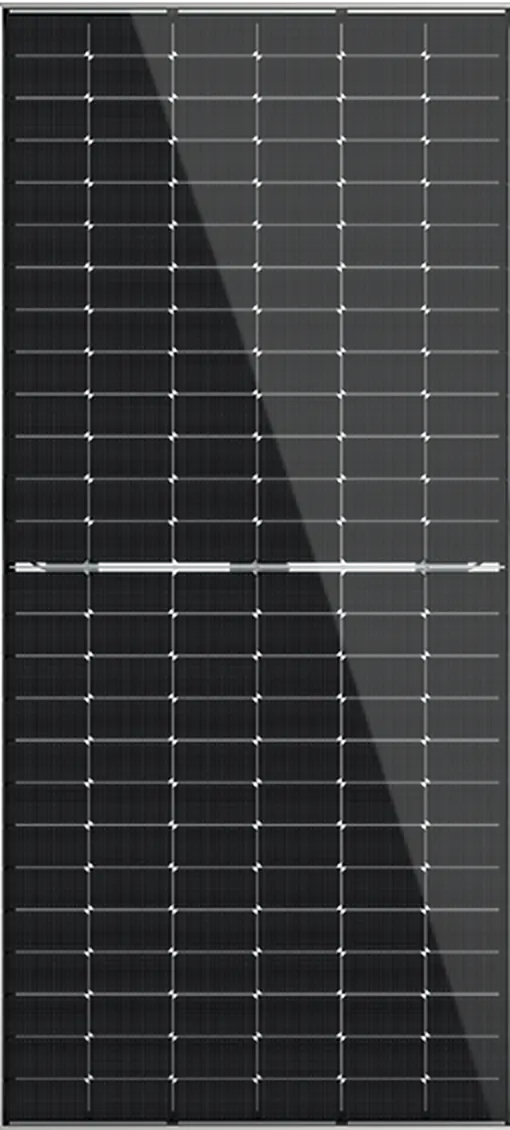
Alumo's current solar-plus-battery rent-to-own range uses a Solis 5kW inverter and Eenovance 5.32kWh battery: Watt-a-Deal has three 615W panels from R1,418/month, The Big Watt has four from R1,487/month, and The Power Bae has six from R1,626/month on a seven-year term. Three- and five-year prices, solar-only configurations and battery-only pricing are available on our current package comparison.
The packages are not a substitute for a load assessment. They are a clearer starting point than treating an inverter listing as a complete system price.
Free tool
Estimate your system & savings
Move the slider to your monthly bill for an instant, indicative suggestion.
This is an indicative starting point. The site assessment and signed quote confirm the system, current price, equipment, savings and backup time. Rent-to-own payments increase by 6.5% each year.
Get a quote that names the components
When you request a quote, include your average electricity bill, the circuits that must stay on in an outage and any high-starting-current loads such as pumps. That gives the installer something concrete to size.
How much does a 5kW solar inverter cost in South Africa?
Equipment-only prices change by brand, model and retailer. Public examples checked in August 2026 put a Sunsynk 5kW single-phase hybrid inverter at R18,500 including VAT, while other 5kW hybrid models were listed in the mid-teens. That does not include a battery, panels or installation.
Does an inverter price include installation?
Usually not. A complete installed system also needs solar panels, mounting, protection equipment, cabling, labour, commissioning and compliance work. Always ask for a line-by-line scope.
Is a 5kW inverter enough for a house?
It can be a good fit for many homes, but it depends on simultaneous loads and the electrical supply. A load assessment is more useful than choosing an inverter solely by bedroom count or a neighbour’s system.
Is a hybrid inverter worth the extra cost?
For a home that wants solar, battery storage and backup during outages, a hybrid inverter is usually the appropriate architecture. The value comes from the whole system being correctly sized and supported, not simply from the hybrid label.
What should I ask before accepting an inverter quote?
Ask for the exact model, supported loads, battery details, panel-array scope, protection and compliance work, warranty route and the installer’s workmanship terms.
SolarGuide is an independent referral partner. We help you compare options and arrange a free quote — Alumo supplies, installs, finances and warrants the systems. Pricing is indicative, sourced from Alumo’s published catalogue, and subject to a site assessment and credit approval.