
Going solar in South Africa is not complicated once you strip away the sales talk. This guide walks you through the decisions that actually matter, in the order you'll face them. Read it end to end, or jump to the part you need. We're an independent comparison service, so there's no brand being pushed here, just what we'd tell a friend.
1. Why bother with solar
Two reasons, and they're both about money and nerves. Eskom's tariffs have been climbing faster than inflation for years, so your bill next year will almost certainly be bigger than this year's. And load-shedding turns a normal evening into a scramble for candles and cold food. Solar with a battery fixes the second problem outright and chips away at the first every single day.
It won't make you energy-independent overnight, and anyone promising a zero-rand bill is selling you something. What a well-sized system does is swap a rising, unpredictable cost for a fixed one, and keep your lights on when the street goes dark.
2. The three ways to pay
There are really only three routes, and the right one depends on your cash flow, not on which is "best".
- Buy outright. Cheapest over the life of the system, and it's yours from day one. You just need the lump sum.
- Rent-to-own. Alumo currently offers 3, 5 or 7-year terms with an option to own. Confirm the buyout and end-of-term conditions in your agreement.
- Subscribe. The lowest monthly entry, month-to-month. You don't own the system while you subscribe, but you can walk away.
If you have spare cash that isn't propping up an emergency fund, buying wins on maths. If you don't, financing is how most people do this now, and a perfectly sensible route. Compare the options in detail on our packages and pricing page.
3. What it actually costs
A typical home system runs from roughly R45,000 to R80,000 to buy outright, depending mostly on how much battery you want. On rent-to-own, expect somewhere around R1,900 to R2,400 a month for the common home packages. Bigger homes with pumps, geysers or three-phase supply cost more.
The single biggest price lever is the battery. Panels and inverters are relatively predictable; storage is where the rand adds up. That's worth knowing, because it means you can start smaller and add battery later. Use the calculator below to get a rough figure for your bill, then get a real quote to confirm it.
R2 000/month
Your suggested starting point
The Big Watt
R1,500–R3,000/month · Solar + battery
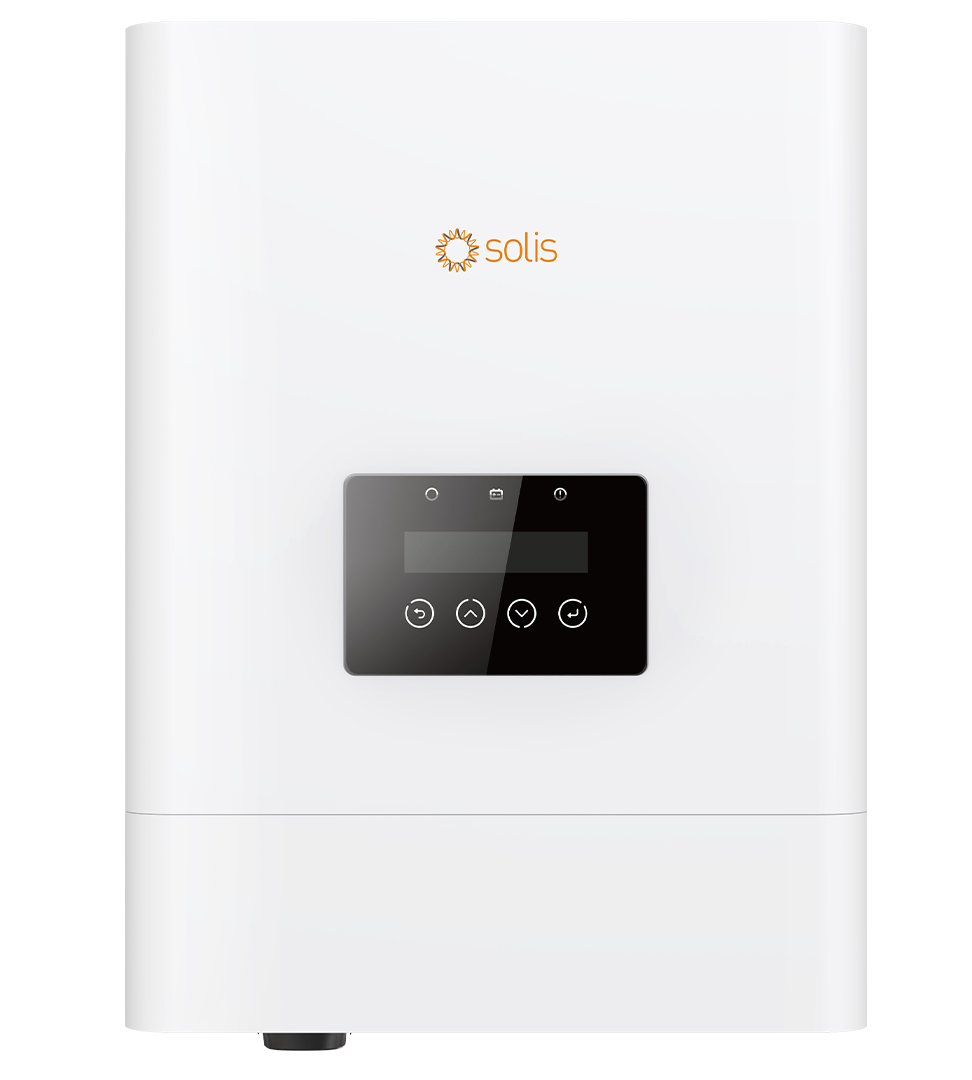
- Solis 5 kW inverter
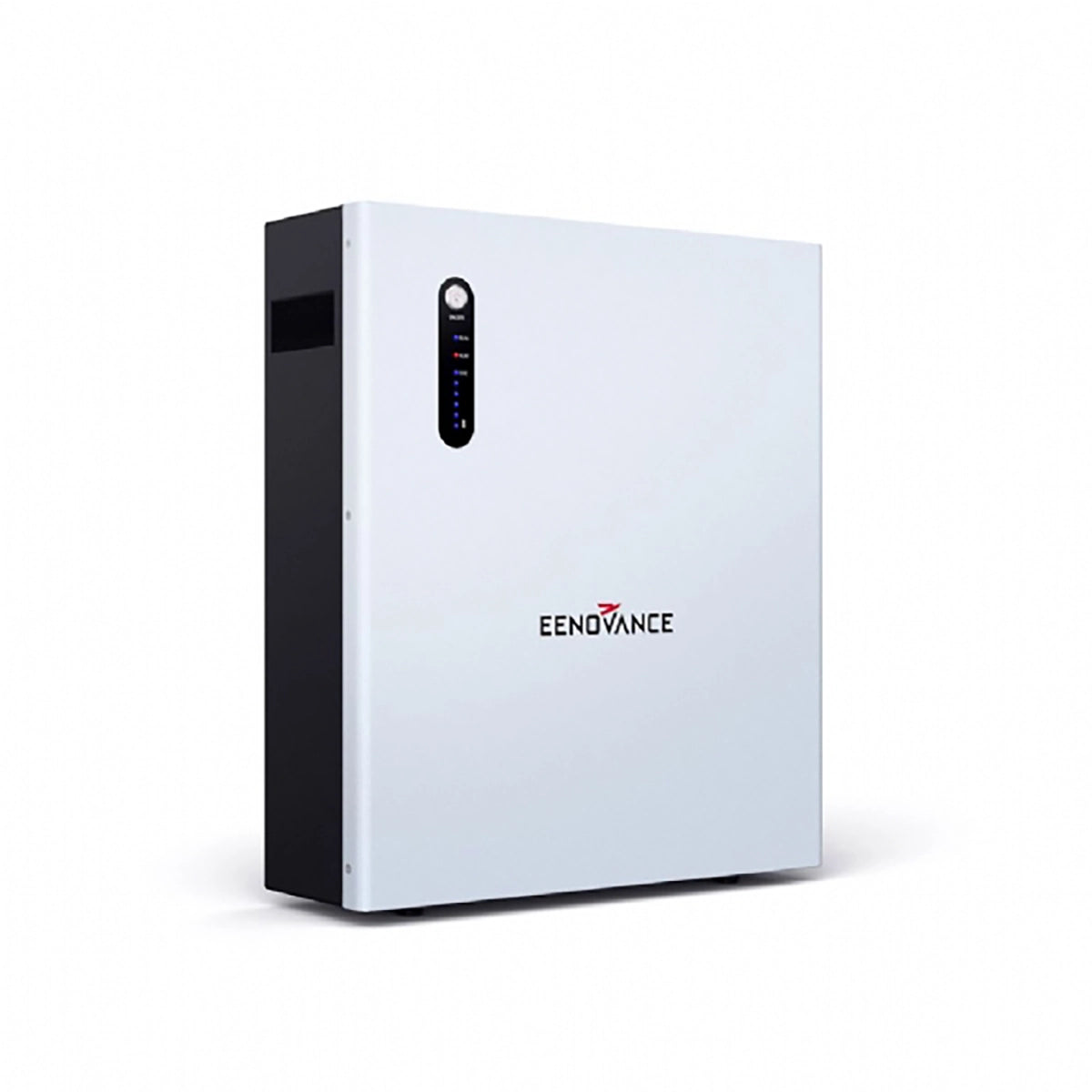
- Eenovance 5.32 kWh battery
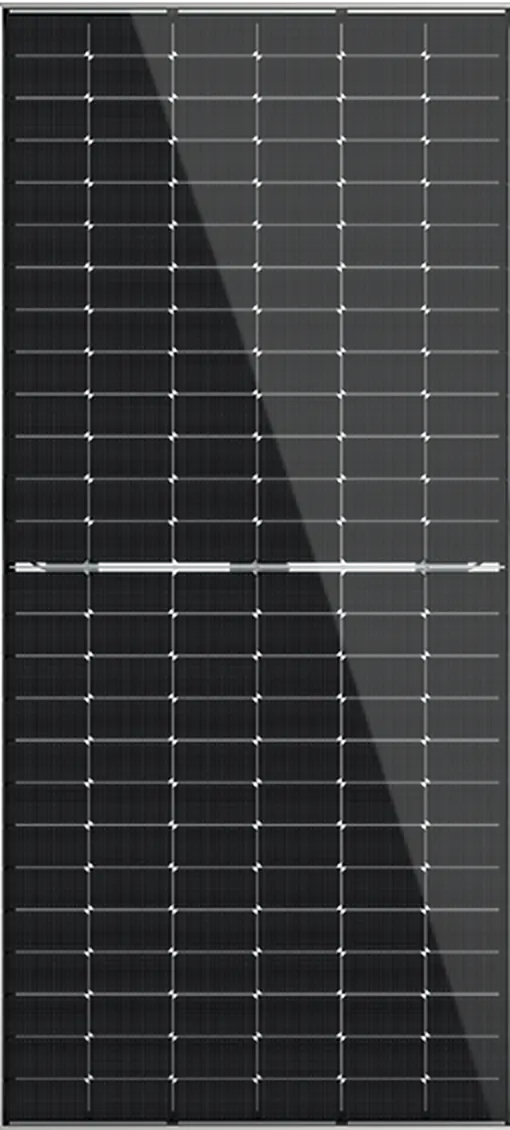
- 4 × 615 W panels
- 7-year rent-to-own
- R1 487/mo
- Initiation fee
- R738
- Est. monthly saving
- R728
- Buyout after 7 years
- R7 378
- Buy outright from
- R73 779
- Estimated backup
- Up to 3 hrs
This is an indicative starting point. The site assessment and signed quote confirm the system, current price, equipment, savings and backup time. Rent-to-own payments increase by 6.5% each year.
4. Sizing it for your home
Two numbers do all the work here. kW (kilowatts) is power, how much you can run at once, and it sizes your inverter and panels. kWh (kilowatt-hours) is energy, how much you store, and it sizes your battery. Mix them up and you'll either buy too little to be useful or too much to be worth it.
For most family homes, a 5kW inverter with 5kWh or more of battery is the sweet spot. Smaller homes and apartments do well on 3.6kW. The only way to size it precisely is a site assessment, because it depends on your actual usage and what you want to keep running. Our sizing guide goes deeper.
5. The kit that matters
Cheap equipment is the most expensive mistake in solar. Insist on tier-one brands: Sunsynk, AlphaESS or Solis for the inverter, LiFePO4 batteries with a real 10-year warranty, and Trina or Jinko panels. Check the inverter is on the NRS-approved list if you're going grid-tied.
- Battery: LiFePO4 chemistry, a high usable depth of discharge (around 90%), and a long cycle life (about 6,000 cycles).
- Inverter: sized to your loads, NRS-approved, with app monitoring.
- Panels: tier-one, high-wattage modules so you use less roof.
We break the brands and products down on the brands and equipment pages.
6. Backup for load-shedding
This is where the battery earns its keep. When the grid drops, a system with a battery switches over in a fraction of a second, so your lights, Wi-Fi, TV and fridge stay on. A solar-only setup without a battery gives you daytime savings but no backup at night, worth knowing before you sign.
How long the battery lasts depends on what you're running. Essentials sip power and stretch for hours; a kettle or a pool pump drains it fast. If riding out Stage 6 is your goal, size the battery for it rather than hoping.
7. Choosing who installs it
The install matters as much as the hardware. A great inverter fitted badly is a bad system. Look for in-house installation teams rather than outsourced subcontractors, a workmanship guarantee (3 years is a good benchmark), and someone who'll still answer the phone in year four.
You can compare solar providers and payment models on our compare providers page.
8. Mistakes to avoid
- Buying on price alone and ending up with no-name equipment and no support.
- Undersizing the battery, then living with backup that dies mid-evening.
- Skipping the itemised quote, so you can't compare like for like.
- Forgetting SSEG registration with your municipality on a grid-tied system.
- Paying a large cash deposit to an installer with no track record.
Keep this guide
Save it as a PDF to read offline, or get it by email along with occasional South African solar price updates. No spam, unsubscribe anytime.
Official sources to check
Rules, tariffs and tax treatment can change. Before relying on a compliance or tax point, check the current guidance from the relevant authority:
