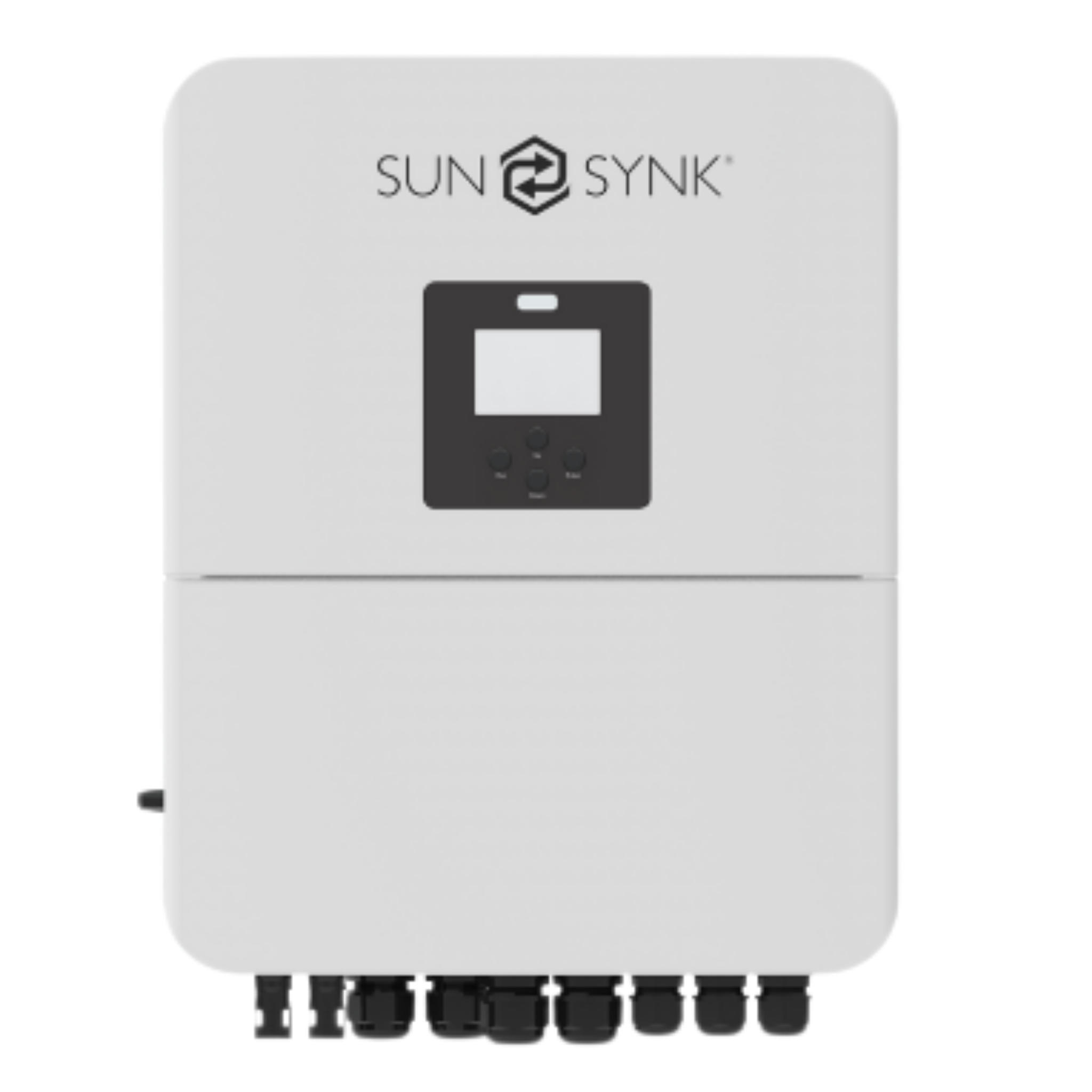
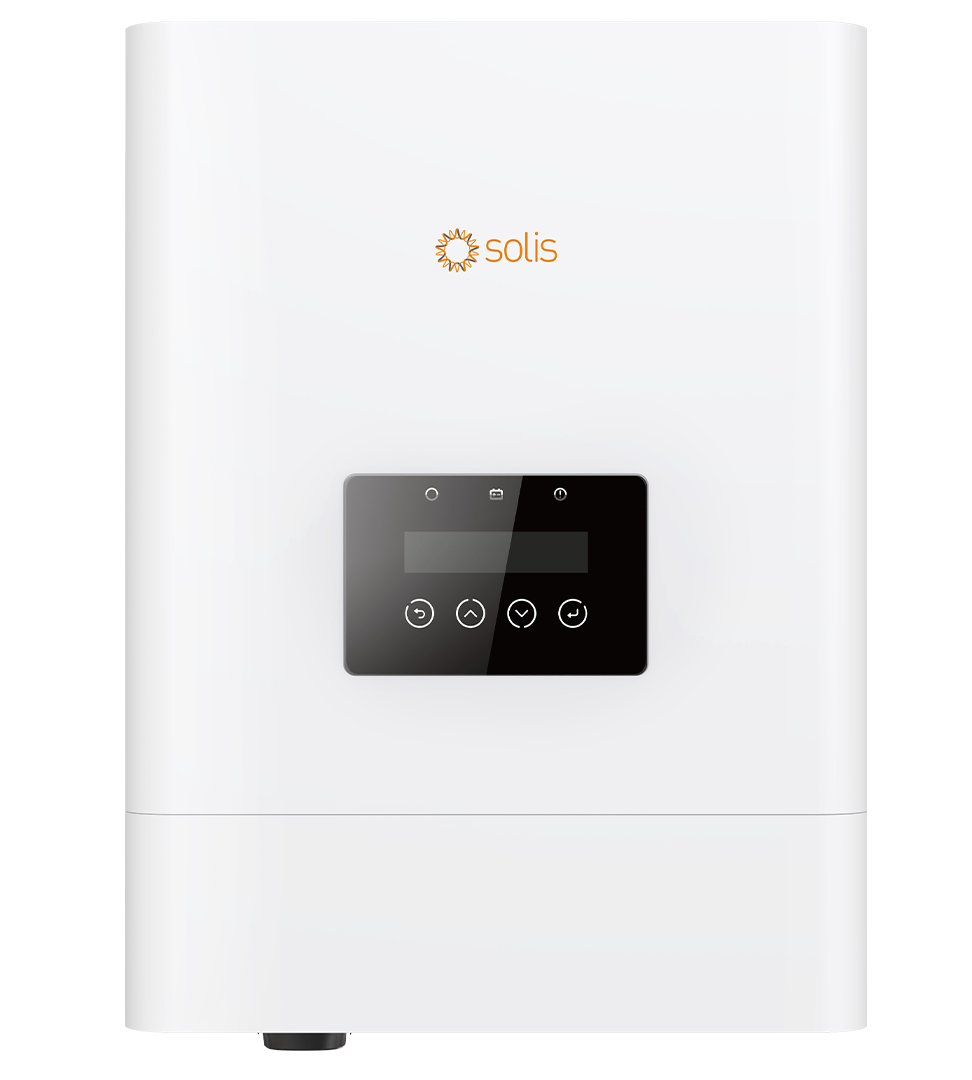
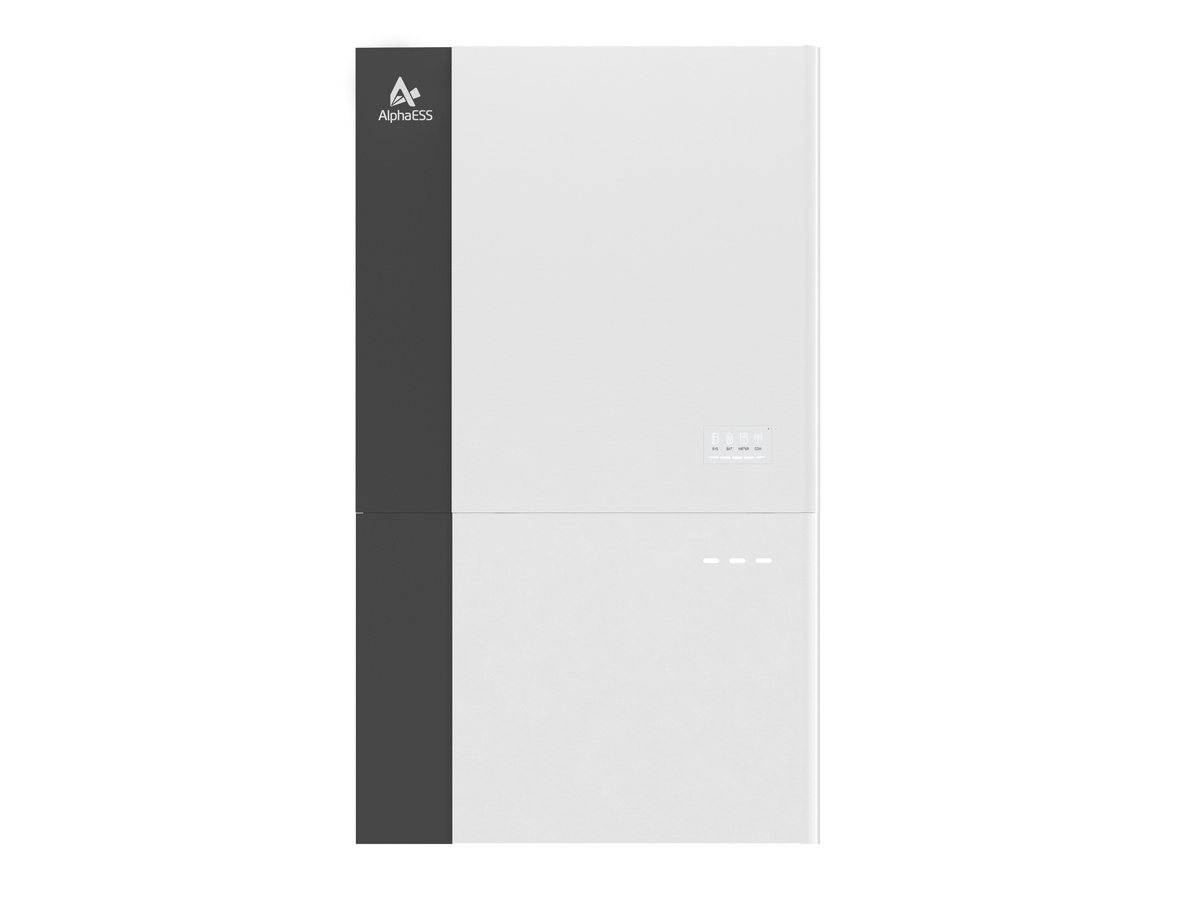
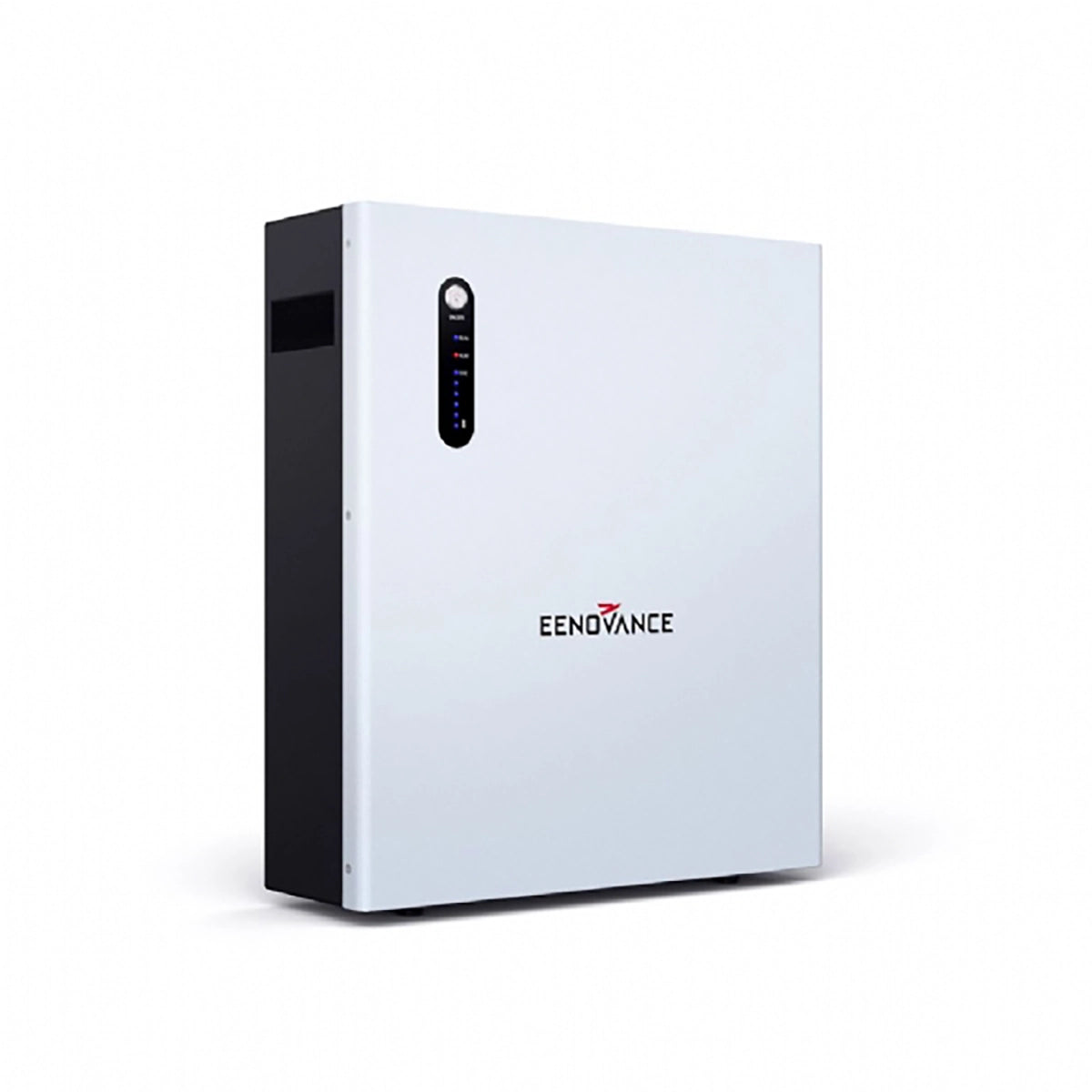
The right inverter and battery pairing matters more than a headline kW or kWh figure. See the models currently listed by SolarGuide, then ask for a quote based on your home and usage.
A 5kW inverter is the workhorse of South African home solar, the size most families land on when they want to keep a normal household running through load-shedding without constant fuss. But "5kW" is one of those numbers that sounds bigger than it feels the first time you trip it. The honest answer to "what can it run" is not a fixed shopping list. It is a moving budget you spend in real time, appliance by appliance.
The key is that 5kW is a rate, not a total. Your inverter can deliver up to 5,000 watts at any single instant. Run appliances that add up to less than that, and everything hums along. Ask for more than 5,000 watts at once, usually by stacking two or three heavy items together, and it will overload even with a full battery. Once that clicks, sizing your life around a 5kW inverter becomes surprisingly intuitive.
Key takeaways
A 5kW inverter delivers up to 5,000 watts at any one moment — it is a power ceiling, not an energy total.
Everyday essentials (lights, Wi-Fi, TV, fridge, laptops) barely dent it — they leave plenty of room.
Heavy heating appliances (kettle, geyser element, stove, iron, tumble dryer) eat most of the budget.
The trick is staggering high-draw items rather than running them all together.
What "5kW" really means
Think of your inverter as a doorway that only so much power can pass through at once. A 5kW inverter has a doorway five kilowatts wide. Everything you switch on has to fit through simultaneously. It has nothing to do with how long you can run. That is your battery's job, measured in kilowatt-hours (kWh). A 5kW inverter paired with a small battery delivers plenty of power but only briefly. Paired with a big battery it delivers the same power for much longer.
Most quality 5kW hybrid inverters also tolerate a brief surge above their rating, which is handy for motors and compressors that spike hard for a fraction of a second when they start up. But you should size around the continuous 5kW figure and treat the surge headroom as a safety margin, not a place to live.
The easy stuff: what barely registers
Here is the reassuring part. The appliances that define modern daily life are, individually, tiny.
LED lights throughout a house might total 100–300 watts. Wi-Fi routers, fibre ONTs and network gear sip 20–50 watts. A television draws 50–150 watts, a laptop charger 45–90, phones almost nothing. A modern fridge-freezer averages well under 200 watts once running. Add all of that together and a typical household's "always-on" background load sits comfortably in the few-hundred-watt range, a small fraction of your 5,000-watt ceiling.
This is why a 5kW inverter keeps a home feeling normal during load-shedding as long as you steer clear of heavy heating. Lights, entertainment, connectivity, security, fridges and freezers, charging: all of it runs together with room to spare.
Where the budget goes
The appliances that dominate your 5kW budget nearly all have one thing in common: they make heat, or they move water and air with a motor.
An electric kettle pulls roughly 2,000 watts for the minute or two it boils. A geyser element is around 2,000–3,000 watts. An electric stove plate or oven can each draw 1,500–2,500 watts. A microwave wants 1,000–1,500. An iron, tumble dryer, hair dryer and washing machine on a hot cycle all sit in the 1,500–2,500 watt range. A pool pump or borehole pump adds several hundred to over a thousand watts and surges harder on start-up.
Suddenly the arithmetic is obvious. One kettle plus one geyser element already spends most of your 5kW. Add the oven and you are over the edge. This is not a flaw in the inverter. It is the physics of resistive heating, and it is the single most important thing to internalise about living on 5kW.
700Evening essentials
2000Kettle
2500Oven plate
3000 | unit=W | caption=Typical power draw against a 5,000W ceilingGeyser element
Estimate backup time for your appliances. Choose your battery capacity and essential loads to estimate how long they could run. The inverter's power rating and starting surges still determine what can run at once.
A realistic picture of life on 5kW
So what does a normal evening look like? Comfortable. Your lights, TV, sound system, Wi-Fi, security, fridge and a couple of laptops charging are all on, call it 600–800 watts. You boil the kettle for tea and jump to around 2,700 watts for ninety seconds, then drop back. Someone microwaves leftovers: a brief spike, then gone. The geyser reheats on its own thermostat cycle. None of it overlaps for long, so you never come close to tripping.
The moment of danger is deliberate stacking: the kettle on, the oven pre-heating, the tumble dryer running and someone switching on an iron, all at once. That is when a 5kW inverter says no. The fix is behavioural, not technical. Stagger your heavy appliances. Boil, then cook. Dry laundry when you are not baking. Most households adopt this rhythm within a week and stop thinking about it.
If your lifestyle genuinely demands several heavy appliances running at once, say a large family all cooking, laundering and heating water together, that is a signal to look at a bigger single-phase inverter, parallel inverters, or a three-phase system. Most homes, though, live very happily inside 5kW.
How the battery changes the answer
"What can a 5kW inverter run" is only half the question. The other half is "for how long," and that depends entirely on the battery behind it and the panels recharging it.
A 5kW inverter with a modest 5kWh battery will comfortably run your essentials through a standard load-shedding slot, but heavy cooking will drain stored energy fast. Pair the same inverter with more battery capacity and daytime solar topping it up, and you can run a normal household for hours and ride out longer or back-to-back stages. The inverter sets what you can run at once. The battery and panels set how long. Getting all three balanced for how you actually live is exactly what a proper site assessment is for. Get a free Alumo quote →
Which package lands on 5kW?
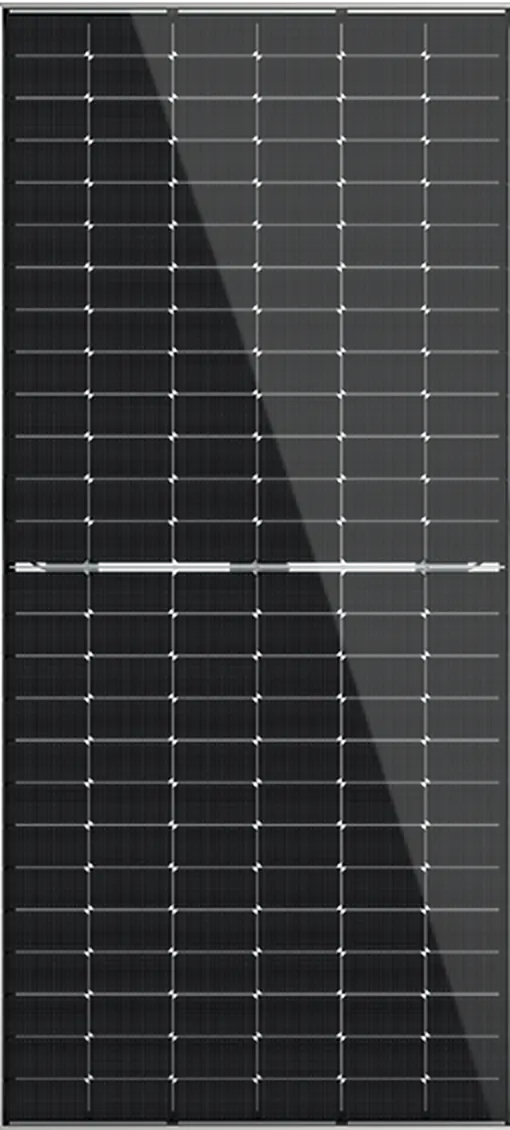
Alumo's current solar-plus-battery rent-to-own range uses a Solis 5kW inverter and Eenovance 5.32kWh battery: Watt-a-Deal has three 615W panels from R1,418/month, The Big Watt has four from R1,487/month, and The Power Bae has six from R1,626/month on a seven-year term. Three- and five-year prices, solar-only configurations and battery-only pricing are available on our current package comparison.
Alumo's current subscriptions are the Hot Deal from R1,299/month, Peachy Deal from R1,699/month, and Big Deal from R2,599/month. Maintenance and insurance are included, and the advertised terms include an option to cancel after 24 months; subscription is not ownership.
Free tool
Estimate your system & savings
Move the slider to your monthly bill for an instant, indicative suggestion.
This is an indicative starting point. The site assessment and signed quote confirm the system, current price, equipment, savings and backup time. Rent-to-own payments increase by 6.5% each year.
Frequently asked questions
Can a 5kW inverter run a geyser?
Yes, a 5kW inverter can run a geyser element, which typically draws 2,000–3,000 watts, but it leaves little room for other heavy appliances at the same time. Many households run the geyser on its own thermostat cycle, fit a timer or geyser controller, or heat water during the day off solar to avoid clashing with cooking. A site assessment can advise whether adding your geyser to backup makes sense.
Can a 5kW inverter run an air conditioner?
It can run one mid-sized air conditioner comfortably, since a typical 9,000–12,000 BTU inverter-type unit draws roughly 800–1,500 watts once running. Running an aircon plus heavy kitchen appliances at the same time may push you toward the limit. See our dedicated guide on running air conditioning on solar for the full picture.
How many appliances can a 5kW inverter run at once?
There is no fixed number — it depends on watts, not count. You can run dozens of low-draw items (lights, TV, Wi-Fi, fridge, chargers) together with ease, but only one or two high-draw heating appliances at a time before you approach the 5,000-watt ceiling. Staggering the heavy items is the key.
Is a 5kW inverter enough for a family home?
For most South African family homes, yes — a 5kW inverter comfortably runs everyday life and handles heavy appliances one or two at a time. Larger homes that routinely run several heavy appliances simultaneously, or that need three-phase supply, may need more. The right way to confirm is a site assessment of your real load.
Who decides the right inverter size for me?
SolarGuide is an independent referral partner. Alumo carries out the site assessment and supplies, installs, finances and warrants the system, sizing the inverter and battery to your real demand. All pricing here is indicative and subject to that assessment and credit approval — we simply help you compare and get a free quote. Get a free Alumo quote →
SolarGuide is an independent referral partner. We help you compare options and arrange a free quote — Alumo supplies, installs, finances and warrants the systems. Pricing is indicative, sourced from Alumo’s published catalogue, and subject to a site assessment and credit approval.