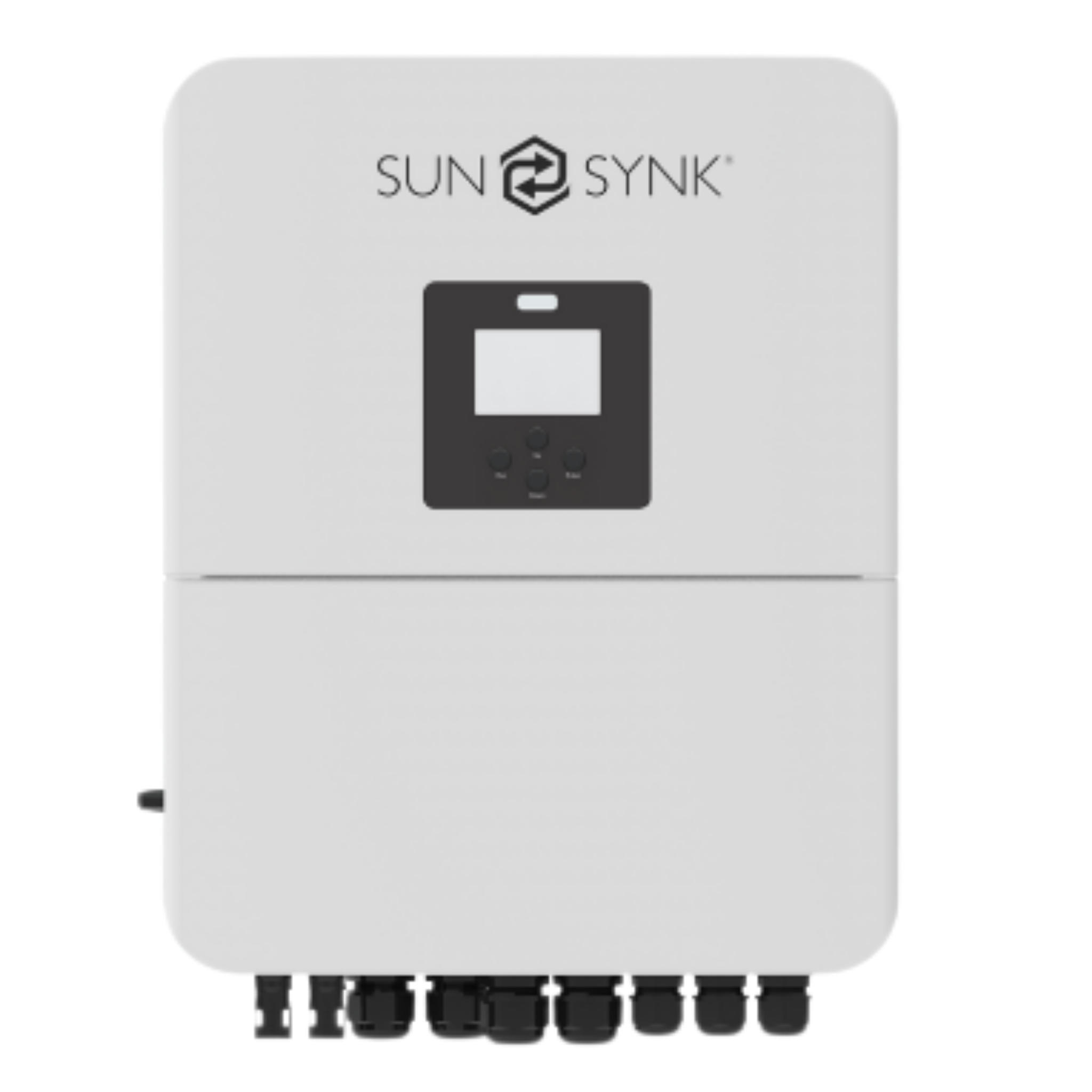
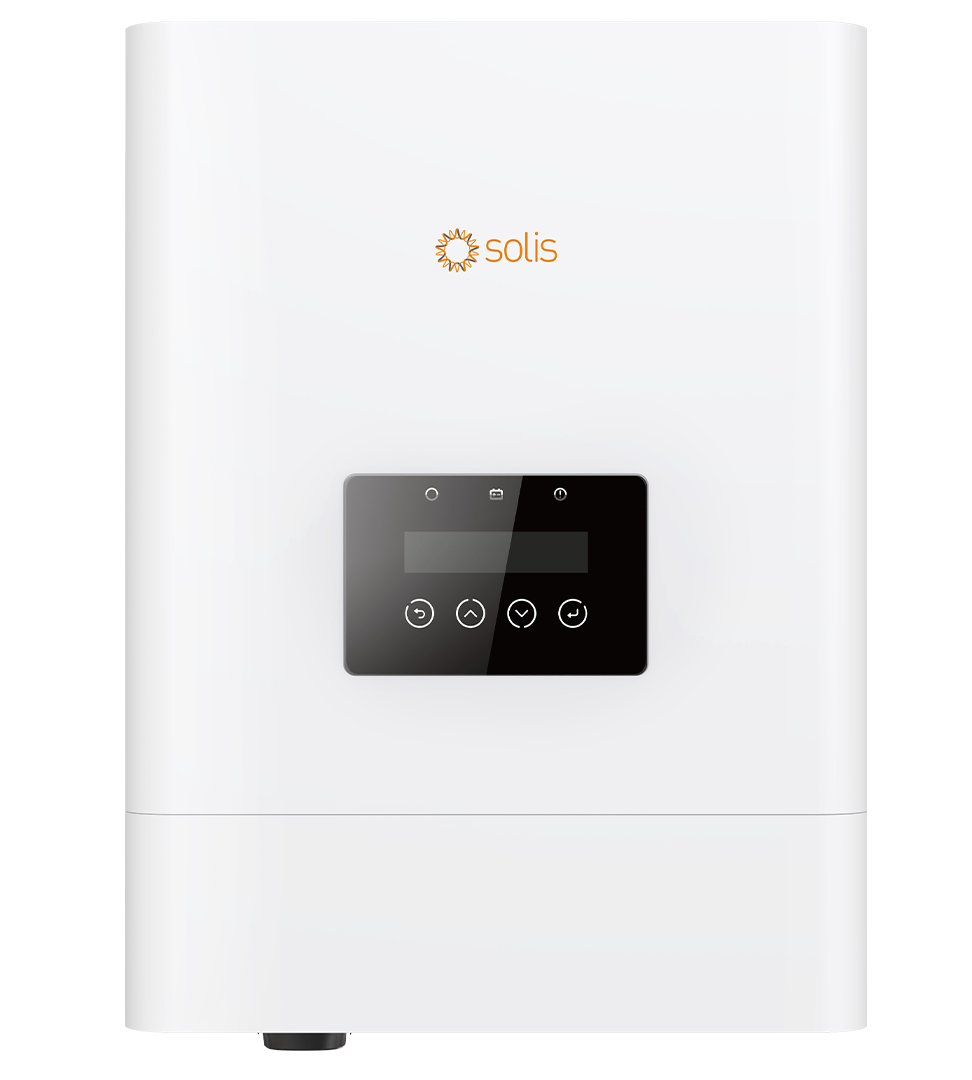
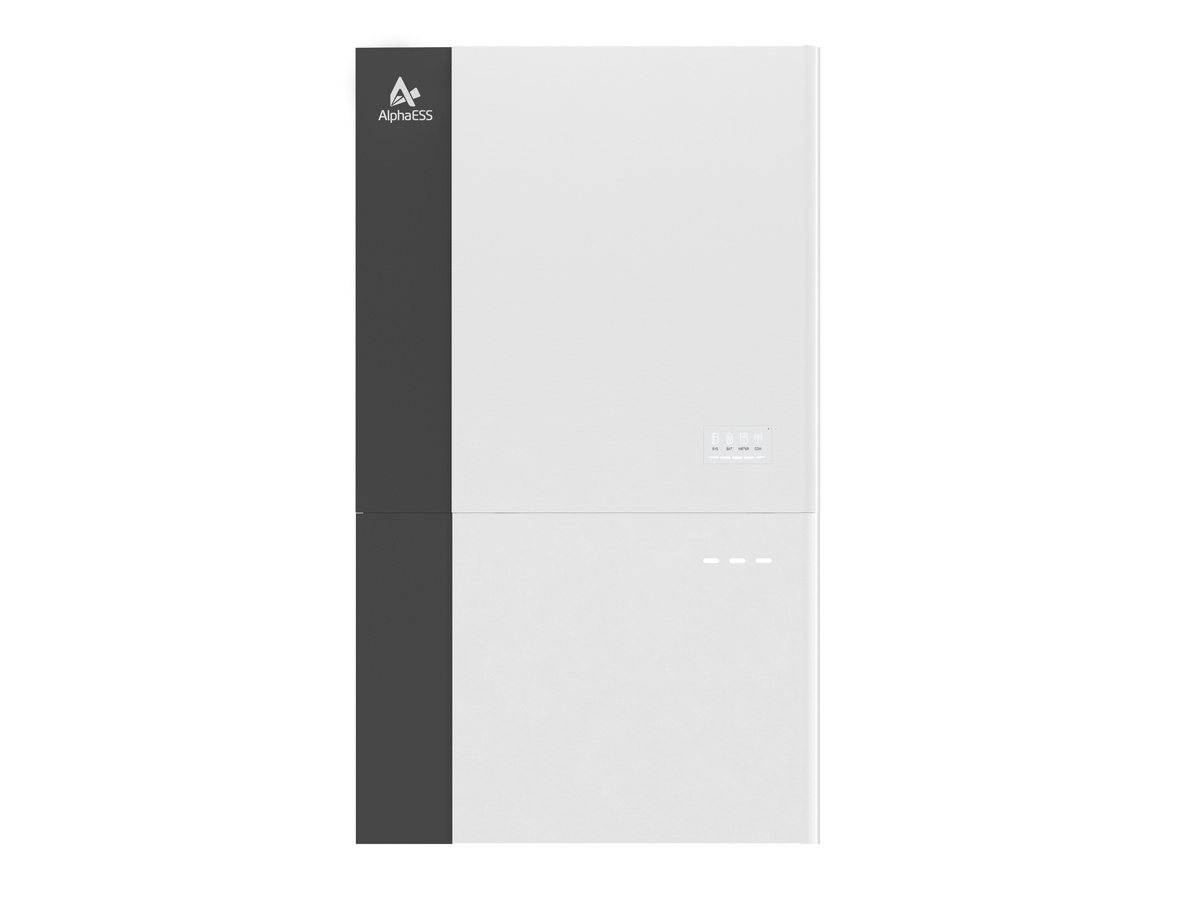
The right inverter and battery pairing matters more than a headline kW or kWh figure. See the models currently listed by SolarGuide, then ask for a quote based on your home and usage.
A UPS, an inverter and a portable power station all keep things running when the grid drops, and all three contain a battery and an inverter. The difference is the job each is built for. A UPS protects one or two devices through a short outage without them noticing. A home inverter system is wired into your distribution board and runs chosen circuits for hours. A portable power station is a battery box you plug appliances into and carry wherever you need it.
Buy the wrong one and you either pay for capacity you never use or end up with a unit that can't cover the outage. This guide explains each in plain language, then helps you match one to what you actually need to keep on.
Key takeaways
A UPS is about switchover speed, not runtime. It keeps a computer or router on through the gap and short outages.
A home inverter system is wired in by an electrician, runs selected circuits automatically and can be charged by solar panels.
A portable power station needs no installation. You plug appliances straight into it, and you recharge it from the wall, a car or a folding panel if it has a solar input.
Runtime for any of them is roughly usable watt-hours divided by the watts you plug in, a little less once conversion losses are counted.
The quick comparison
UPS
Home inverter system
Portable power station
What it is
Battery and inverter that sit between the wall socket and a device
Inverter and battery bank wired into your distribution board
Battery, inverter and charger in one portable box
How appliances connect
Plugged into the UPS
Normal plugs and lights on backed-up circuits
Plugged into the unit
Switchover
0 to about 8 milliseconds, depending on type
Automatic; check the stated transfer time
None: you plug in when you need it, unless the unit has a pass-through UPS mode
Built for
Computers, routers, network kit
Whole-home essentials for hours
Specific appliances, outages away from the DB board, camping
Needs an electrician
No
Yes, with a Certificate of Compliance
No
Can solar charge it
No
Yes, if it is a hybrid inverter
Yes, if it has a solar input
What a UPS does
UPS stands for uninterruptible power supply. It sits between the wall socket and your equipment and switches to its battery so fast that a computer doesn't reboot and a router doesn't drop the connection. There are three main types:
Standby (offline). Mains power passes straight through until it fails, then a switch moves the load to the battery. Vertiv, a UPS manufacturer, gives about a 6 to 8 millisecond break during that transfer and describes this type as suited to devices under 1,500VA, such as home computers.
Line-interactive. The inverter stays connected to the output and also corrects voltage dips and surges without touching the battery. Vertiv gives a 4 to 6 millisecond break on transfer.
Online double conversion. Power is converted to DC and back to AC all the time, so there is no transfer at all. This is the type used for data centres and critical equipment, and it costs the most.
A UPS is designed around the switchover, not around long runtime. Most desktop units carry a small battery, so check the manufacturer's runtime chart at your actual load before you rely on one for a full load-shedding slot.
For Wi-Fi alone, a small DC router UPS that powers the router and fibre ONT directly is often the simplest fix. Our guide to keeping Wi-Fi, gates and security on covers those in detail.
What a home inverter system does
A home inverter system is a larger inverter and battery bank installed on the wall and wired into your distribution board. When the grid drops, it switches the backed-up circuits over automatically. Your lights, plugs, TV and fridge carry on, with no extension leads.
Because it is part of your fixed wiring, installing one is electrical installation work. The Department of Employment and Labour states that only a registered electrical contractor may issue the Certificate of Compliance (CoC), after inspecting and testing the installation.
A hybrid inverter adds solar input, so panels can run the house and recharge the battery during the day. That's what separates an inverter system from the other two options. It is the only one here that can grow into a full solar system and cut your electricity bill as well as cover outages. Our hybrid inverter explainer and inverter sizing guide go further.
Many hybrid inverters advertise a UPS-style switchover fast enough that computers and routers keep running. Transfer times differ between models, so check the figure on the datasheet if you have sensitive equipment.
Not sure which system you need?
Get a free, no-obligation quote sized to your home, usage and budget. It only takes a minute.
A portable power station puts a lithium battery, an inverter with ordinary plug sockets, USB ports and a charger into one box. There's nothing to install: you plug the appliance straight into it. You recharge it from a wall socket, and depending on the model from a car socket or a folding solar panel.
That makes it the flexible choice. It can run a TV and router in the lounge tonight, go to the office tomorrow and go camping at the weekend. The trade-off is that it only powers what you plug into it. Your lights, gate motor and alarm stay off unless they are on extension leads to the unit.
Some models offer a pass-through or UPS mode, where the appliance stays plugged in through the unit and switches to battery when the grid fails. Check the stated switchover time if you plan to use one this way with a computer.
Never connect a portable power station to your house wiring through a plug or a home-made lead. Feeding power back into the wiring is dangerous for you and for anyone working on the network. If you want a unit to run house circuits, an electrician must install a proper changeover.
How long will each one run?
The same sum works for all three: runtime in hours ≈ usable battery watt-hours ÷ load in watts. Expect a little less than the answer, because the inverter loses some energy converting DC to AC.
A Wi-Fi router and fibre ONT draw about 15W together. A battery with 100Wh usable runs them for up to about 6.5 hours.
A TV, decoder and a few LED lights at about 100W on 1,000Wh usable run for up to about 10 hours.
A fridge-freezer that uses 0.82kWh a day, according to its energy label, needs about 0.27kWh for an eight-hour stretch. Check that the unit can also handle the compressor's start-up surge.
The watts come from our appliance power table. It lists 20 common appliances and explains why kettles, geysers and heaters flatten small batteries fast.
For an installed comparison, Alumo's battery-only rent-to-own package pairs a Solis 5kW inverter with an Eenovance 5.32kWh battery, of which Alumo lists 80% as usable, about 4.26kWh. On a 400W evening load of lights, Wi-Fi, TV and fridge, that is roughly ten hours before losses. See the battery-only package for current pricing, or try your own load in the calculator below.
Free tool
How long will your battery last?
Pick a battery size and what you want to keep running.
5.0 kWh
Estimated backup time
12.9 hours
Running about 350 W
Rough estimate at ~90% usable depth. Real runtime depends on the exact appliances and battery. A quote sizes it properly.
Only the computer or router matters, and outages are short: a UPS, or a DC router UPS for Wi-Fi alone.
You want specific appliances on through outages, rent, or move often: a portable power station sized for those appliances.
You want the house to carry on without extension leads, every time, for hours: a home inverter system with a battery, installed with a CoC.
You also want a lower electricity bill: a hybrid inverter system with solar panels. Compare battery backup with full solar before you decide.
Many homes end up with two. A small UPS keeps the office computer on through the switchover, while an installed system runs everything else.
Frequently asked questions
What is the difference between a UPS and an inverter?
A UPS is built to switch over almost instantly and protect a few devices through short outages, and it plugs in at the socket. A home inverter system is wired into the distribution board by an electrician, runs whole circuits for hours and, if it is a hybrid, can be charged by solar panels.
Can a portable power station run my fridge?
Often, yes, if its inverter can handle the compressor's start-up surge and the battery holds enough energy. A fridge-freezer that uses 0.82kWh a day needs about 0.27kWh for eight hours. Check the unit's surge rating and your fridge's energy label.
Do I need an electrician for a UPS or a portable power station?
No, as long as the appliances plug straight into the unit. You need a registered electrician, and a Certificate of Compliance, when anything is wired into your distribution board, including a changeover for a portable unit.
How long does a UPS last during load-shedding?
It depends on its battery and your load. Many desktop UPS units have small batteries meant to cover short outages and a safe shutdown. Divide the usable watt-hours by your load in watts, or check the manufacturer's runtime chart, before relying on one for a full slot.
Is SolarGuide the installer?
No. SolarGuide is an independent referral partner. Alumo supplies, installs, finances and warrants the systems. We help you compare options and get a free quote. All pricing is indicative and subject to a site assessment and credit approval.
Sources and review note
Checked on 27 September 2026. UPS types and transfer times come from Vertiv's guide to UPS system types. Certificate of Compliance requirements are from the Department of Employment and Labour. Alumo's battery-only package specification comes from our current package data. Runtimes are SolarGuide calculations from the stated watts and watt-hours, not product tests.
SolarGuide is an independent referral partner. We help you compare options and arrange a free quote — Alumo supplies, installs, finances and warrants the systems. Pricing is indicative, sourced from Alumo’s published catalogue, and subject to a site assessment and credit approval.