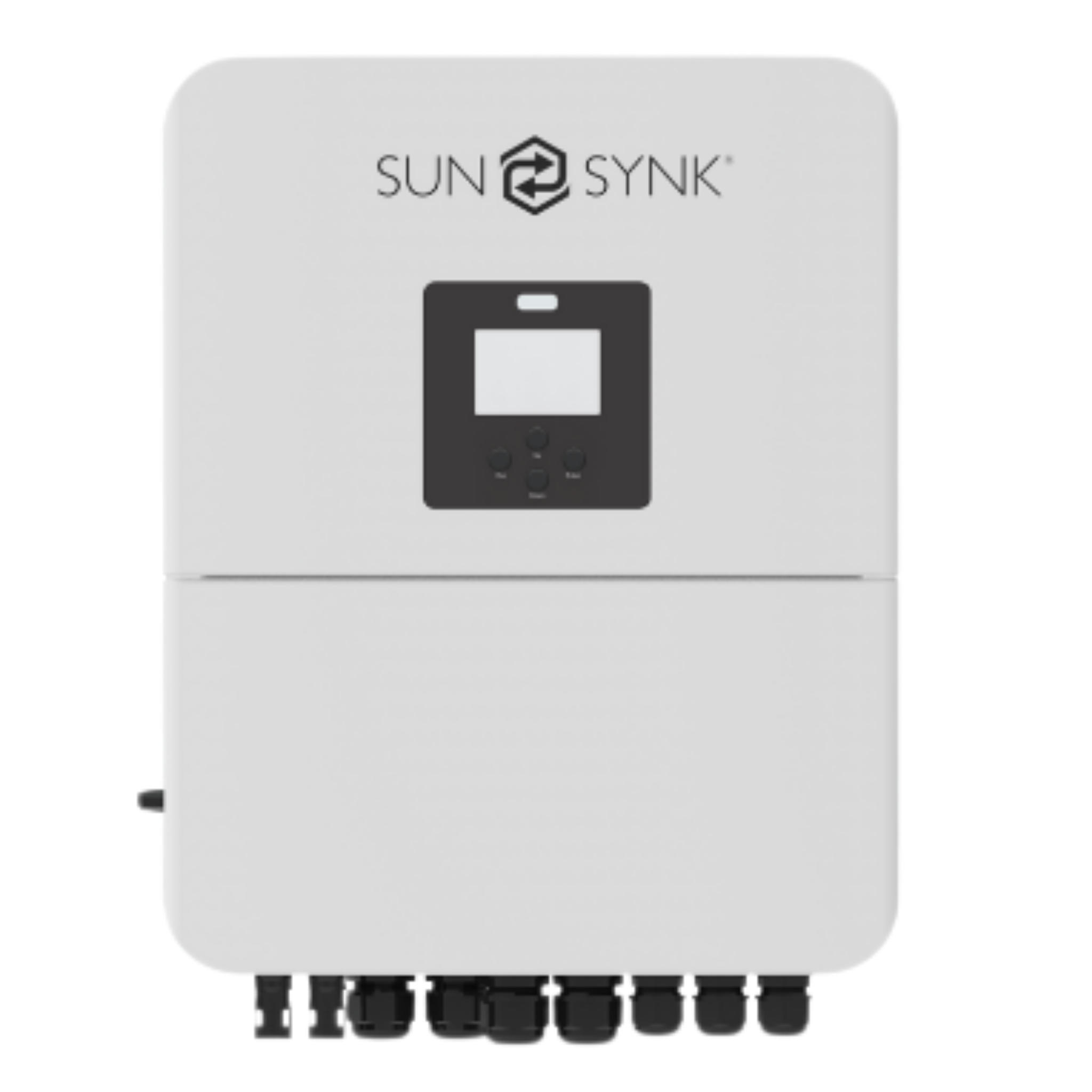
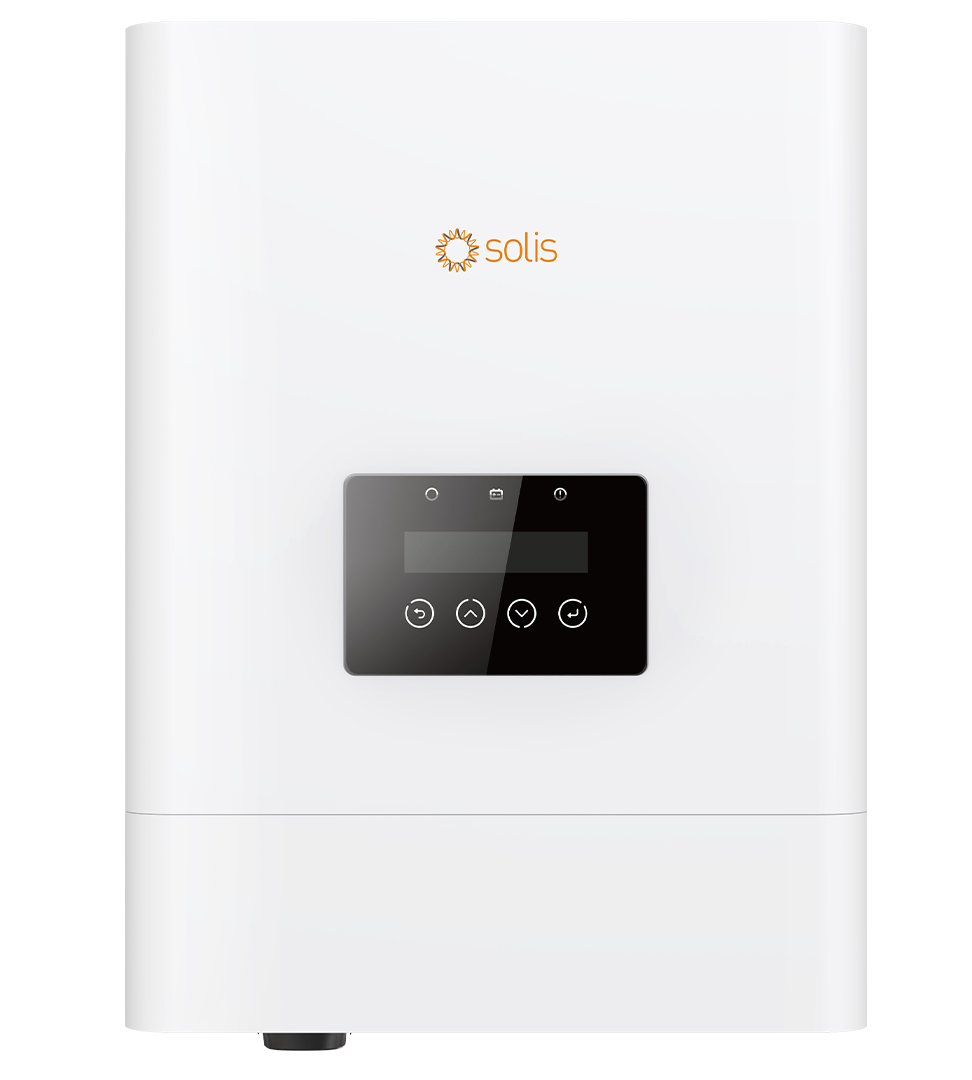
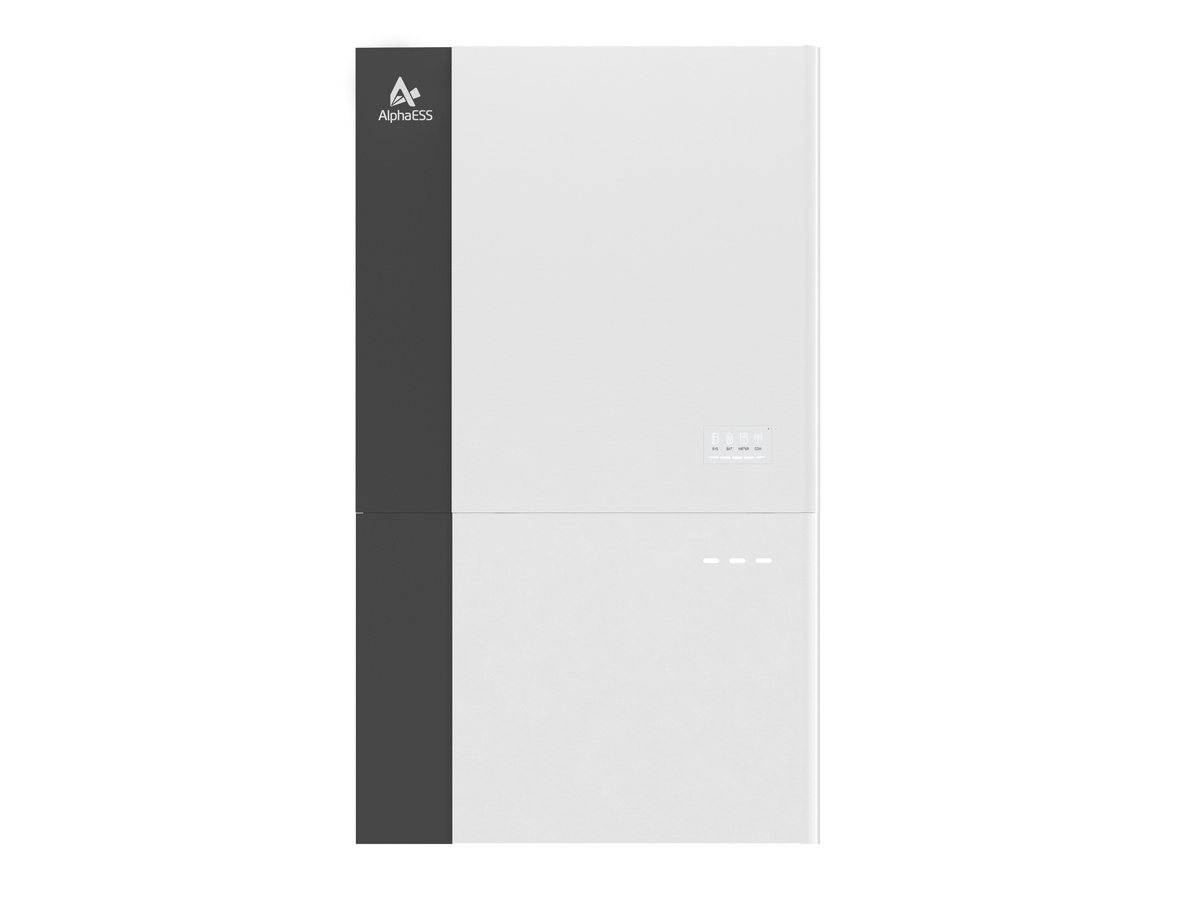
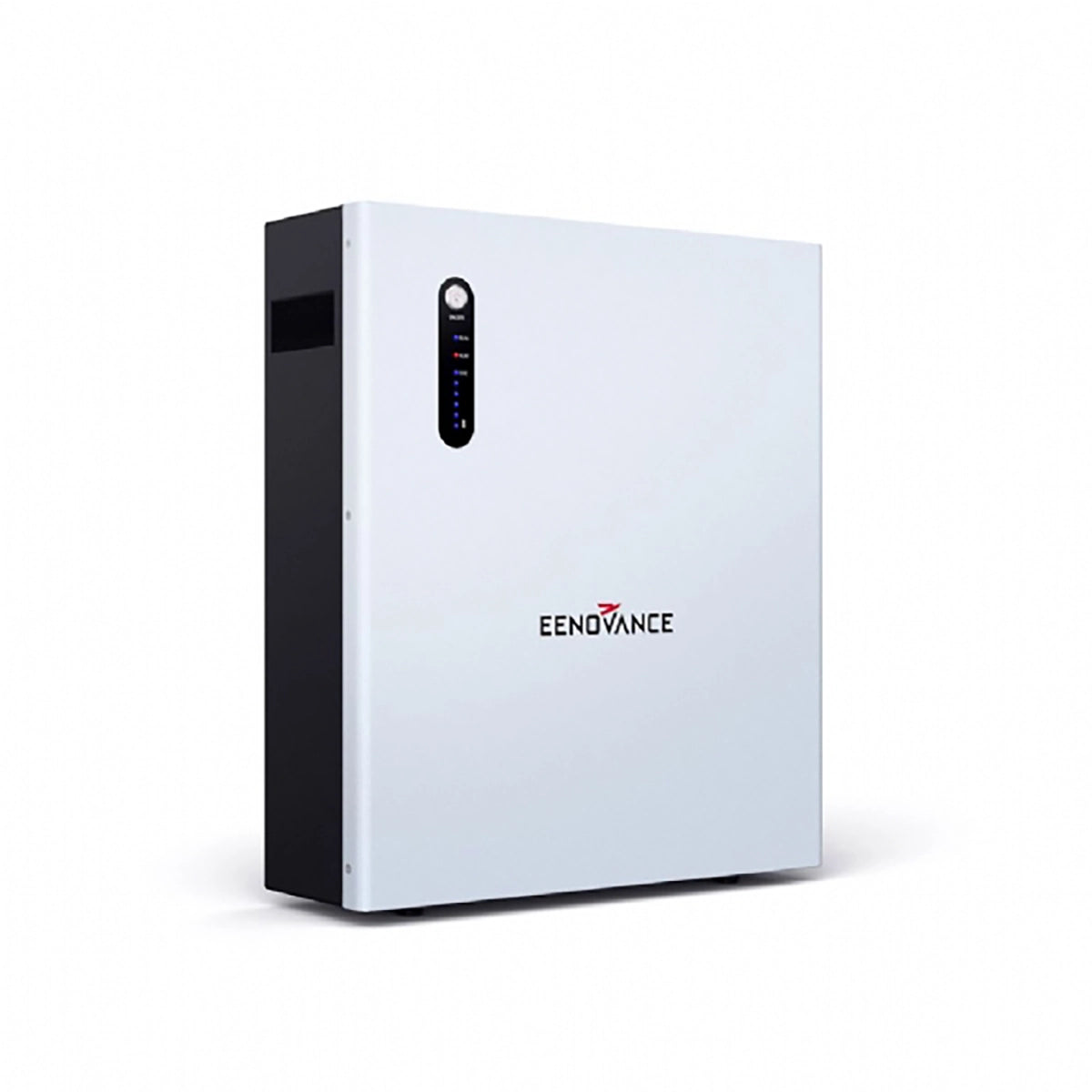
A hybrid inverter only works well when its output, battery and backup circuits fit the home. Compare the named models before asking for a properly sized design.
The inverter is the brain of a solar system, and yet it's the component most people understand least. Panels are easy to picture and batteries are easy to grasp, but the inverter, the box quietly deciding where every watt goes, tends to get skipped over until something trips. That's a shame, because in a load-shedding country the type of inverter you choose shapes your entire experience of solar. Get it right and outages become invisible. Get it wrong and you have expensive panels that go dark the moment Eskom does.
The word you'll hear most often is "hybrid," and for good reason: for South African homes, the hybrid inverter has become the default. This guide explains what a hybrid inverter actually does, how it differs from the older alternatives, and how to judge whether it's right for your home. Spoiler: it usually is.
Key takeaways
A hybrid inverter manages solar panels, a battery and the grid all at once, in one box.
It keeps your home powered during load-shedding. Ordinary grid-tied inverters don't.
It decides intelligently whether to use solar, charge the battery, or draw from the grid moment to moment.
For almost every SA home wanting both savings and backup, a hybrid inverter is the sensible choice.
What an inverter does in the first place
Solar panels produce direct current (DC). Your home, and everything plugged into it, runs on alternating current (AC). The inverter's core job is to convert one into the other. Batteries, too, store and release DC, so they need an inverter to talk to your AC household as well.
The difference between inverter types comes down to how many of these jobs one box is willing to juggle, and — critically for us — what happens when the grid disappears.
The three broad types
A grid-tied (or grid-feed) inverter handles only solar-to-home conversion and, where permitted, sends surplus back to the grid. It is simple and efficient, but it has a fatal flaw for South Africa: for safety reasons it shuts down when the grid goes down. During load-shedding, a pure grid-tied system with no battery goes dark along with everyone else, even at high noon.
An off-grid inverter is built to run a home entirely from solar and batteries with no grid connection at all. It is powerful for remote properties but overkill, and often impractical, for a suburban home that still has an Eskom connection worth using.
A hybrid inverter is the best of both. It manages solar, battery and grid together, and (the whole point) it keeps your essential circuits running when the grid fails. It's the type built for exactly the conditions South Africans live with.
How a hybrid inverter thinks
In plain terms, a hybrid inverter is a solar inverter that can coordinate panels, battery storage and the grid. That is why people ask both “what does a hybrid inverter do?” and “how does a hybrid inverter work?” They are asking how the box turns generation and stored energy into usable household power.
What makes a hybrid inverter clever is not just that it connects to everything, but that it constantly decides what to do with the power available. Through the day it is making a rolling series of small, sensible choices.
When the sun is up, it uses solar to run your home directly. Any excess it channels into charging the battery. Once the battery is full and the house is covered, depending on your setup and municipal rules it can feed the remainder back to the grid or simply hold off. When the sun drops or a cloud passes, it blends in battery power to keep things steady. And if the battery runs low and there is no sun, it quietly draws from the grid — unless the grid is down, in which case it runs your home from the battery alone.
The moment that matters is the changeover. When load-shedding hits, a good hybrid inverter switches your essential circuits to battery power so fast that lights barely flicker and computers stay on. There's no walking to a generator, no cord to plug in. The outage simply passes you by.
Not sure which system you need?
Get a free, no-obligation quote sized to your home, usage and budget. It only takes a minute.
Load-shedding is not a single long blackout; it is frequent, scheduled, repetitive outages. A hybrid inverter is ideal for that pattern because it treats the grid as just one of several inputs rather than the master switch. It can charge the battery from solar during the day, ride out an evening slot on stored energy, and top up from the grid overnight if needed — all automatically, based on rules your installer configures for your home. You are not managing power; the box is.
For most South African homeowners, the honest answer is yes — because most people want the same two things at once: to cut their electricity bill and to stay powered through load-shedding. A hybrid inverter is the only type that delivers both in a single, tidy system.
There are edge cases. If you genuinely only want to reduce your daytime grid consumption, have no interest in backup, and never lose power, a simpler grid-tied setup could suffice — but in this country that describes almost nobody. If you are entirely off-grid on a remote farm, a dedicated off-grid inverter may fit better. For the mainstream suburban or family home, though, the hybrid inverter is the natural centre of the system.
Matching the inverter to your home
A hybrid inverter is rated by how much power it can deliver at once, measured in kilowatts (kW). This is separate from how much energy your battery stores (kWh). The inverter's rating sets your ceiling for running things simultaneously — lights and Wi-Fi barely register, but add a kettle, microwave and geyser element together and a small inverter can trip even with a full battery. Sizing it correctly to your home's real demand is essential, and it is exactly what a proper site assessment establishes.
What the packages look like in practice
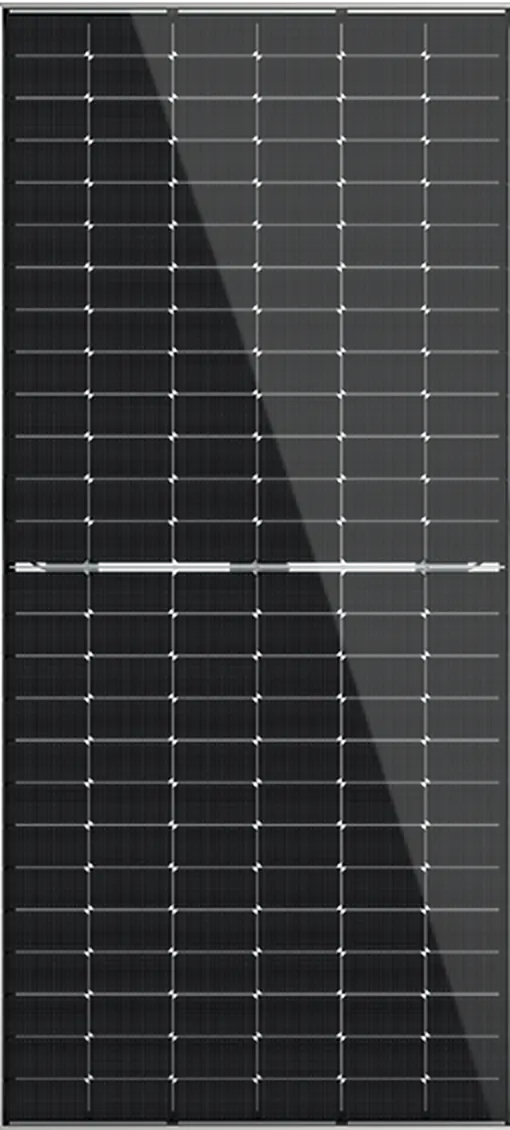
Alumo's current solar-plus-battery rent-to-own range uses a Solis 5kW inverter and Eenovance 5.32kWh battery: Watt-a-Deal has three 615W panels from R1,418/month, The Big Watt has four from R1,487/month, and The Power Bae has six from R1,626/month on a seven-year term. Three- and five-year prices, solar-only configurations and battery-only pricing are available on our current package comparison.
Alumo's current subscriptions are the Hot Deal from R1,299/month, Peachy Deal from R1,699/month, and Big Deal from R2,599/month. Maintenance and insurance are included, and the advertised terms include an option to cancel after 24 months; subscription is not ownership.
The key point is that the inverter isn't a component to economise on blindly. It's the piece that determines whether your solar investment actually shields you from load-shedding, so it deserves to be sized and chosen deliberately, ideally by an installer who has looked at how your home really uses power.
Free tool
Estimate your system & savings
Move the slider to your monthly bill for an instant, indicative suggestion.
This is an indicative starting point. The site assessment and signed quote confirm the system, current price, equipment, savings and backup time. Rent-to-own payments increase by 6.5% each year.
Frequently asked questions
What is the difference between a hybrid and a grid-tied inverter?
A grid-tied inverter only converts solar power and shuts down during a grid outage for safety, so it offers no load-shedding backup. A hybrid inverter manages solar, a battery and the grid together and keeps your essential circuits running when the grid fails — which is why it suits South Africa.
Do I need a battery for a hybrid inverter to be worthwhile?
To get load-shedding backup, yes — the battery is what powers your home when the grid is down. A hybrid inverter is designed to work with a battery, and pairing the two is what turns solar from a daytime-only saving into round-the-clock resilience.
Can a hybrid inverter charge my battery from the grid?
Yes. One of its strengths is flexibility: it can charge the battery from solar during the day and, if configured to, top up from the grid overnight or before a scheduled outage. Your installer sets these rules to match your load-shedding schedule and tariff.
How do I know what size hybrid inverter I need?
The inverter's kW rating must cover how much you want to run at once. Lights and electronics need little; adding high-draw appliances like kettles and geyser elements demands more. A site assessment measures your real demand and matches the inverter to it, so you neither trip it nor overpay.
Who installs and warrants the inverter?
SolarGuide is an independent referral partner. Alumo supplies, installs, finances and warrants the systems, and all pricing here is indicative and subject to a site assessment and credit approval. We simply help you compare and get a free quote. Get a free quote →
SolarGuide is an independent referral partner. We help you compare options and arrange a free quote — Alumo supplies, installs, finances and warrants the systems. Pricing is indicative, sourced from Alumo’s published catalogue, and subject to a site assessment and credit approval.