What a changeover switch does
Picture a railway point. The incoming grid supply arrives on one track and the generator on another. The changeover switch is the point that sends your house circuits down one track or the other, with an "off" position between them so the two can never meet.
Eskom's fact sheet on selecting the right type of generator describes the typical manual switch this way: three positions, a central off and one position on each side, one for the main supply and one for the generator. When the grid fails, someone turns the switch from mains to generator, and turns it back when the power returns. Eskom's summary of the rule is short: "The main supply and the generator supply must never run in parallel."
That rule exists for three reasons:
- People working on the network. If your generator feeds back into the supply cable, it can energise the line and the transformer outside your property. A technician who has isolated that line expects it to be dead.
- Your own household. Eskom warns that people who try to get round the problem by switching off the earth leakage unit while feeding generator power into the house leave the family without earth leakage protection, at high risk of electrocution.
- Your equipment. If the grid comes back while a generator is connected to the same wiring, Eskom says it can destroy the generator and cause electrical fires.
Backfeeding: why the "suicide lead" is so dangerous
The shortcut people reach for is a lead with a plug on both ends: one into the generator, one into a wall socket. It is sometimes called a suicide lead, and for good reason. The pins of the plug that isn't yet connected are live. Even if you remember to switch off the main switch first, nothing stops the next person from switching it back on, and nothing stops the grid returning while the generator runs.
Eskom's fact sheet is blunt: never attempt this work yourself and never plug a supply from a generator into a socket of your house. If you don't want a changeover installed, its suggestion is to run a properly sized extension lead from the generator and plug the appliances you need straight into it. That keeps the generator completely separate from your house wiring.
The same principle applies to a portable power station or an inverter trolley. If you want one to run house circuits instead of appliances plugged into it, it needs a proper changeover installed by an electrician.
Manual vs automatic changeover switches
| Manual changeover switch | Automatic transfer switch (ATS) |
|---|
| How it switches | Someone turns a lever or rotary switch | A controller senses the grid failing and switches by itself |
| Generator start | You start the generator, then switch over | Usually paired with a generator that starts automatically |
| What happens when the grid returns | You switch back by hand | It switches back by itself, often after a delay to let the grid settle |
| Cost and complexity | Simple, inexpensive device | More components and wiring, and Eskom notes automatic switching "costs a great deal more" |
| Best for | Occasional outages, a portable generator, someone usually at home | Standby generators, homes often empty, medical or security loads that can't wait |
Eskom's buyer checklist treats this as a decision to make before you buy the generator. If it needs to start automatically, an automatic mains failure (AMF) mechanism has to be installed. If not, you need a procedure for manual starting and switching over.
Which one suits you?
A manual switch suits most homes with a portable petrol generator. The outage starts, you wheel the generator outside, start it, let it settle, then turn the switch. It is cheap and has little to go wrong.
An ATS makes sense when nobody may be home to do that. Think of a gate motor and alarm in an empty house, a home office that must stay up, or medical equipment. It only helps if the generator can start itself, so budget for both.
What does a generator changeover switch cost?
The switch itself is a small part of the bill. Most of the cost is the electrician's time, the board work and the Certificate of Compliance, so ask for an itemised installed quote rather than comparing switch prices.
The installed cost depends on work the switch price doesn't show: the electrician's time, any DB board changes, a weatherproof generator inlet, cable from where the generator will stand, protection devices, testing and the CoC. Get a written quote that lists each of those. We haven't published automatic transfer switch prices because they vary widely with the controller and the generator it has to work with.
Where the switch sits in the DB board
You don't need to know how to wire one, but it helps to know what the electrician is proposing, so you can compare quotes.
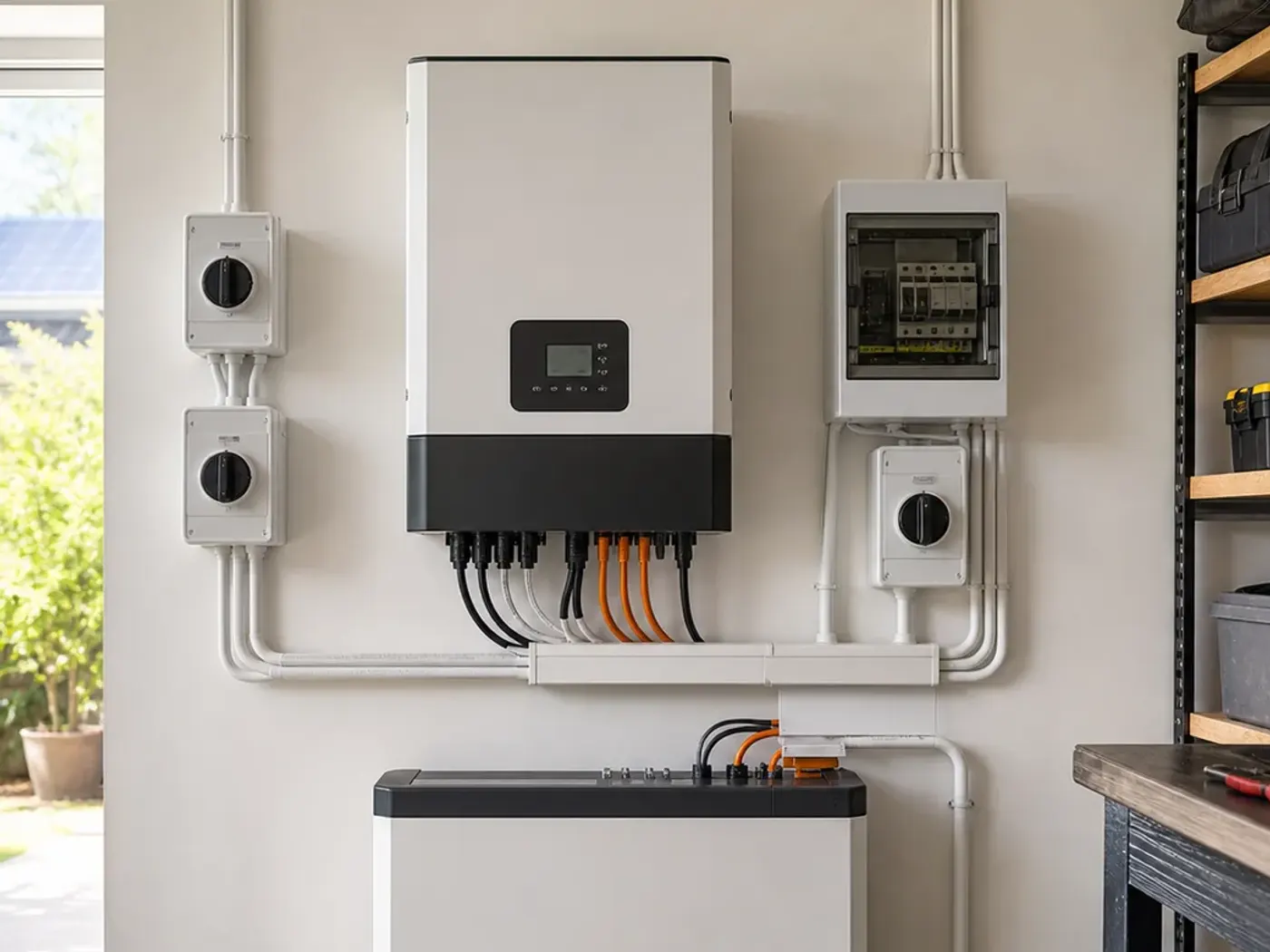
- Whole-house changeover. The switch sits after the main switch, so the generator can feed every circuit. It is simple, but it lets anyone switch on the geyser, stove or kettle while the generator runs, which can overload it.
- Essential-circuit changeover. Only selected circuits are moved to the backed-up side, often on a separate essential-load section of the board. The generator, or inverter, never sees the heavy loads, which makes it easier to size and harder to overload.
Eskom's checklist adds that the generator connection needs an overcurrent protection circuit breaker in the main DB board, fitted by a certified electrician. The electrician will also deal with the generator's earthing, which the generator's manual and the wiring code govern.
Which circuits belong on the backed-up side?
Eskom suggests considering these loads for a generator:
- kitchen, bathroom and lounge lights;
- one kitchen plug for a kettle or phone charger;
- fridge or freezer;
- television and decoder;
- garage door opener;
- microwave or oven;
- computer;
- security: alarm, electric fence and outside lighting.
It also warns that heating appliances (stoves, heaters, dishwashers, geysers, kettles, tumble dryers, toasters and hairdryers) draw the most power, and that motors such as fridges and pumps need far more power to start than to run. Its sizing method is to add the starting wattage of the hungriest appliance to the running wattage of everything else. In its worked example, that comes to about 3.7kW for a fridge, microwave, lights, TV, computer, garage door and DVD player.
If you would rather plan from a list, our appliance power table gives typical running watts for 20 common household items. Leave the geyser, stove and oven off the backed-up side unless the generator or inverter was sized for them.
Not sure which system you need?
Get a free, no-obligation quote sized to your home, usage and budget. It only takes a minute.
Get your free quote →How a hybrid inverter's built-in transfer differs
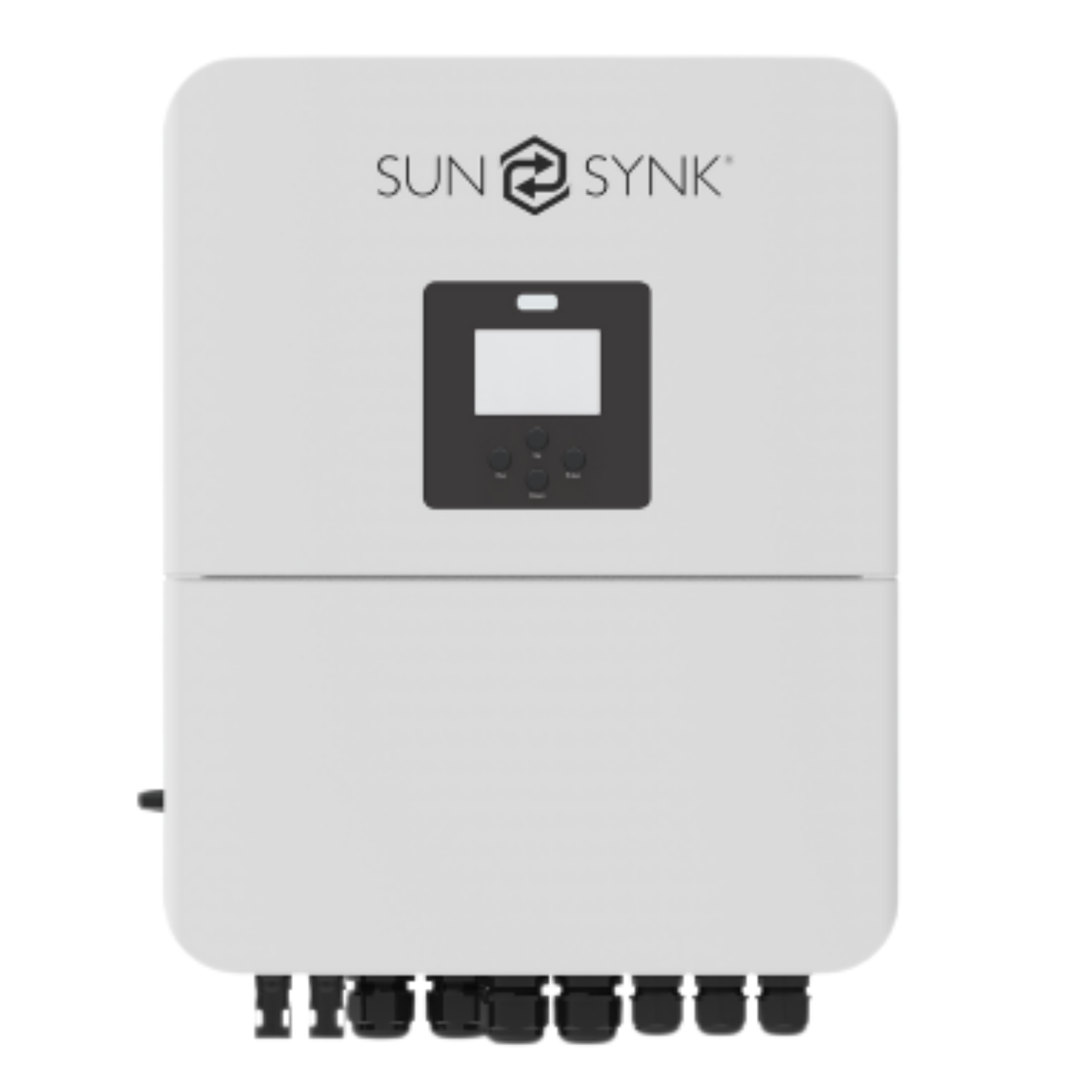
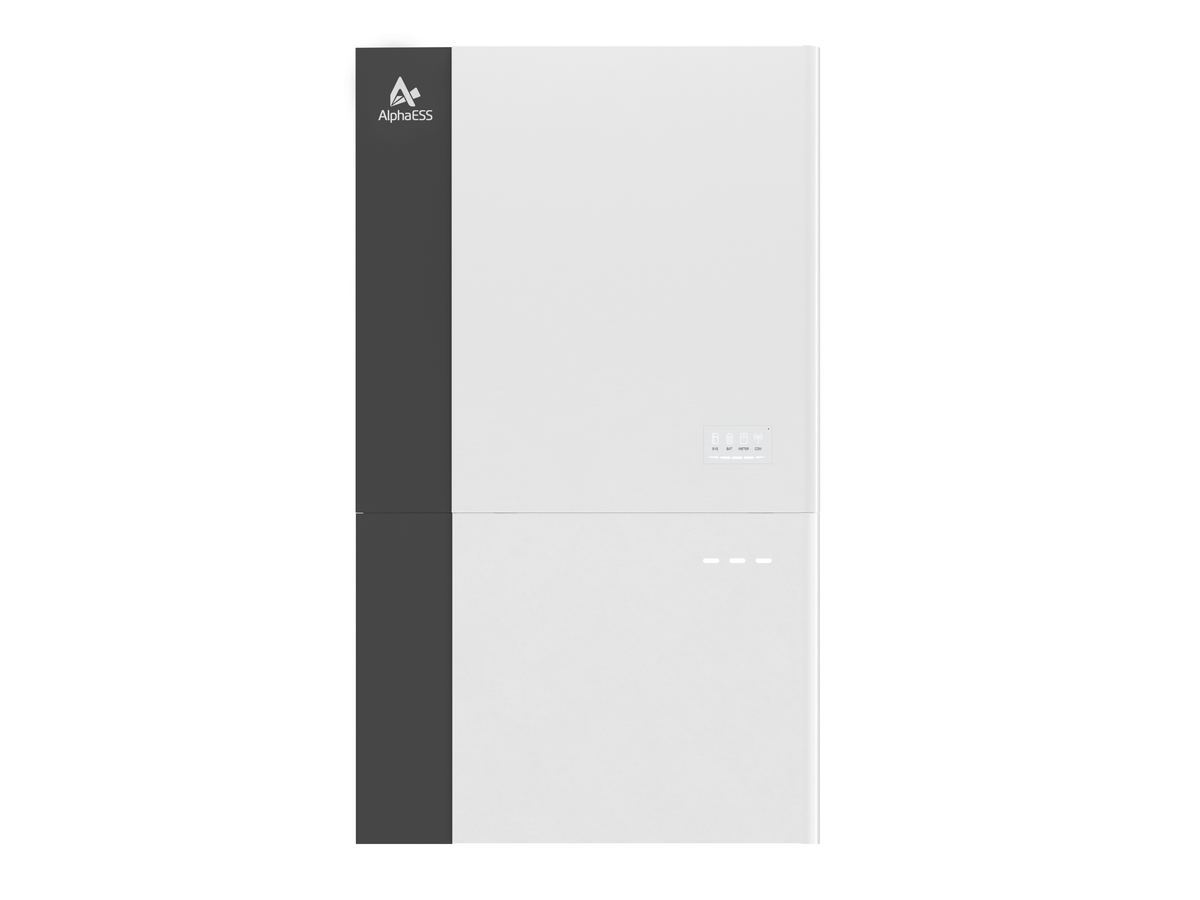
A hybrid inverter does the changeover job inside the box. It sits between the grid supply and your essential circuits. When the grid is up, power passes through to those circuits while solar panels and the battery help. When the grid fails, the inverter opens its connection to the grid and runs the essential circuits from the battery and panels.
Two things make this different from a generator changeover:
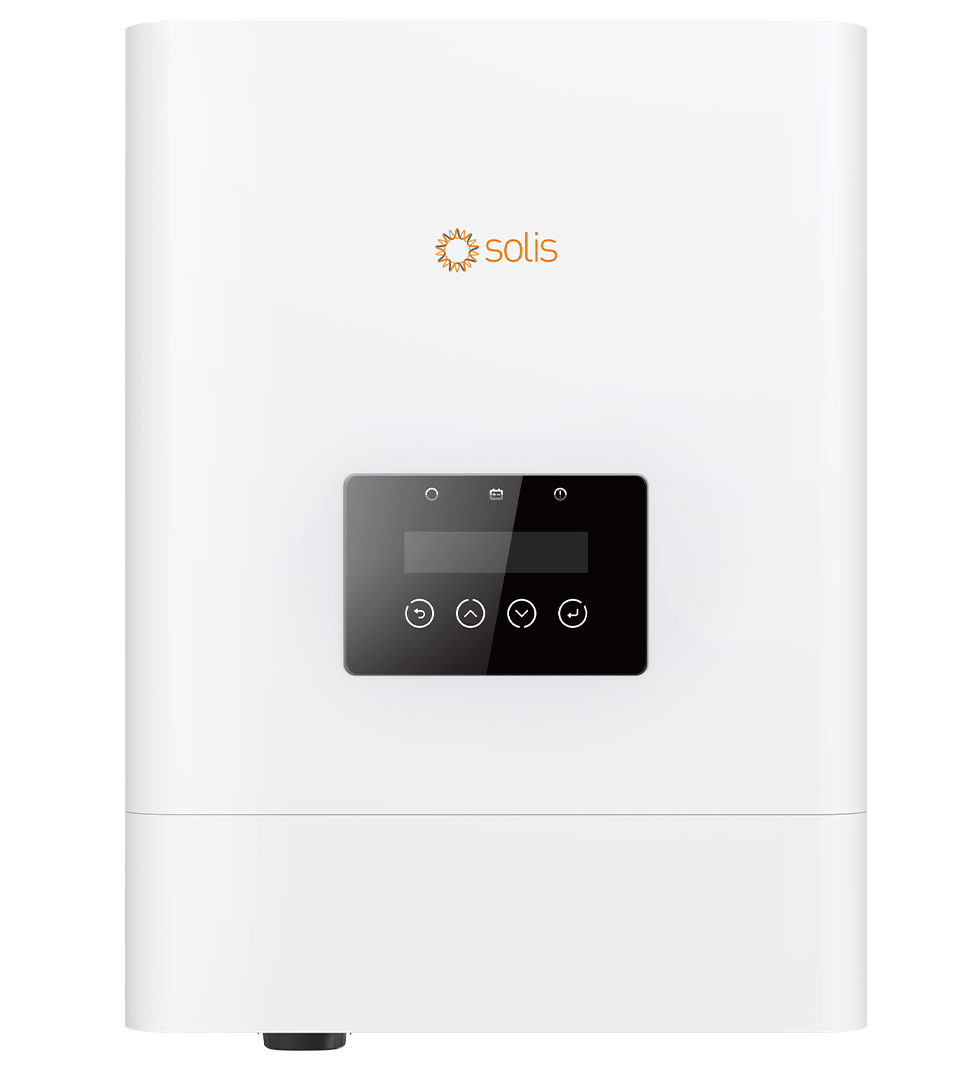
- Speed. Solis's 5kW single-phase low-voltage hybrid, the S6-EH1P5K-L-PLUS, lists a back-up switch time of under 4 milliseconds on its datasheet. That is fast enough that most electronics ride through it. A manual changeover leaves you in the dark until someone flips it.
- Islanding protection. A grid-connected inverter must not keep feeding the grid when the grid is down. The same datasheet lists IEC 62116, the test standard for islanding prevention, and NRS 097-2-1, the South African grid connection standard. A home-made generator connection has no such protection.
That doesn't mean a changeover switch disappears from inverter installations. Many electricians fit a bypass switch so the essential circuits can run straight from the grid if the inverter has to be serviced or replaced. And if you want a generator as well, some hybrid inverters have a dedicated generator input. The Solis datasheet above, for example, says the inverter is compatible with a generator to extend backup during an outage. Your installer then sets how the inverter uses it, rather than adding a separate generator changeover.
Our hybrid inverter explainer covers how these systems manage solar, battery and grid. If you are still choosing between a generator, an inverter and solar, start with our backup power comparison.
The law: a registered electrician and a Certificate of Compliance
Fitting a changeover switch and connecting a generator or inverter to your DB board is electrical installation work. In South Africa that brings in the Electrical Installation Regulations, 2009, made under the Occupational Health and Safety Act. Three provisions matter here:
- Who may do the work. Regulation 6 says no person may do electrical installation work as an electrical contractor unless registered as one, and regulation 5 says a registered person must exercise general control over all electrical installation work.
- The CoC. Regulation 7 requires every user or lessor of an electrical installation to have a valid CoC with a test report. Where an addition or alteration is made to an installation that already has a CoC, you must get a CoC for at least that addition or alteration. Adding a changeover and generator supply is an alteration. You can read regulation 7 on Acts Online.
- The standard. Installations must comply with SANS 10142-1, the wiring code for low-voltage installations. The Department of Employment and Labour's November 2025 notice says a registered contractor may only issue a CoC after the inspections and tests needed to make sure the installation is safe and compliant, and that only competent, legally registered electrical contractors may do electrical work or issue a CoC.
The Department's October 2025 statement adds that a registered contractor issuing a CoC for an unregistered person's work commits a criminal offence. You can verify the regulations and an electrician's registration through the Department of Employment and Labour before work starts. Eskom also says to contact your local supply authority about its requirements when a generator is installed.
For a solar or inverter installation, the CoC is one part of a wider handover pack. Our electrical CoC guide explains what it covers and what to ask for.
Insurance: why the paperwork matters after a fire
A generator wired in without a changeover or a CoC can cause trouble long after the outage ends. In a 2023 note on solar and inverter installations, attorneys at Adams & Adams warn that failing to comply with the regulations may lead to policy exclusions or the denial of claims.
Policy wording differs between insurers, so do three things. Read your home policy's conditions on electrical work. Tell your insurer about a permanently installed generator or inverter. And keep the CoC and test report where you can find them. Our guide to solar insurance covers what to ask your insurer.
Before you hire anyone: a short checklist
- Decide what must stay on, and whether someone will always be home to switch over.
- Choose between a generator with a manual switch, a generator with an ATS, or a hybrid inverter with a battery.
- Ask for a written quote that names the switch, protection devices, cabling, inlet, labour and CoC.
- Ask which circuits will be on the backed-up side, and how heavy loads are kept off it.
- Confirm the electrician's registration and that you will receive the CoC and test report at handover.
If a hybrid inverter and battery fits your needs better than a generator, Alumo can assess your home and quote a system installed with a CoC. Request an essential-load backup quote →
Frequently asked questions
Can I connect a generator to my house myself?
No. Connecting a generator to your DB board is electrical installation work that a registered person must do or control, with a CoC for the alteration. Eskom's guidance also says never attempt the work yourself and never plug a generator into a wall socket. If you don't want a changeover installed, plug appliances straight into the generator with a suitable extension lead.
What is the difference between a manual and an automatic changeover switch?
A manual switch needs someone to start the generator and turn the switch, then turn it back when the grid returns. An automatic transfer switch senses the outage and switches by itself, usually with a generator that starts automatically. Automatic systems cost considerably more and suit homes where nobody may be there to switch over.
Do I need a changeover switch for an inverter?
A hybrid inverter wired into your DB board has its own transfer built in, so it doesn't need a separate changeover for backup. Electricians often add a bypass switch for servicing. A portable power station or inverter trolley needs a proper changeover if you want it to run house circuits rather than appliances plugged into it.
Will my insurance pay out if my generator was wired in without a CoC?
It may not. Attorneys at Adams & Adams warn that non-compliance can lead to policy exclusions or rejected claims. Check your policy wording, tell your insurer about the installation and keep the CoC and test report.
Is SolarGuide the installer?
No. SolarGuide is an independent referral partner. Alumo supplies, installs, finances and warrants the systems. We help you compare options and get a free quote. All pricing is indicative and subject to a site assessment and credit approval.
Sources and review note
Checked on 20 October 2026. Changeover operation, backfeeding risks, suggested backup loads and the generator sizing method come from Eskom's fact sheet Selecting the right type of generator (Eskom Corporate Affairs, February 2015). Legal requirements come from the Electrical Installation Regulations, 2009, regulations 5, 6 and 7 as published on Acts Online, the Department of Employment and Labour's statement of 22 October 2025 and its November 2025 notice. Inverter switch time, islanding and generator compatibility are from the Solis S6-EH1P(3-8)K-L-PLUS datasheet. The insurance point is from Adams & Adams (17 May 2023). This guide explains the decision and the legal requirements. It is not wiring instruction, and it does not replace advice from a registered electrician who has seen your installation.
SolarGuide is an independent referral partner. We help you compare options and arrange a free quote — Alumo supplies, installs, finances and warrants the systems. Pricing is indicative, sourced from Alumo’s published catalogue, and subject to a site assessment and credit approval.