The short answer: what a tenant can and can't do alone
| Option | Landlord consent? | Electrician and CoC? | Leaves with you? |
|---|
| Small UPS for the router and Wi-Fi | No | No | Yes |
| Portable power station, appliances plugged straight in | No | No | Yes |
| Geyser timer settings, LED bulbs, usage habits | Usually not, unless a timer is wired in | Only if wired into the board | Habits do |
| Inverter and battery wired into the distribution board | Yes, in writing | Yes | Only by agreement and with paid removal |
| Rooftop solar panels | Yes, in writing, plus trustees in a complex | Yes | Only by agreement and with paid removal |
The dividing line is simple: if it plugs into a socket, it is your appliance. If it is fixed to the building or wired into the electrical installation, it is building work on someone else's property.
What you can do without your landlord
A small UPS for your router and Wi-Fi
For many tenants, the most important thing to keep on is the internet connection. An uninterruptible power supply (UPS) sits between the wall socket and the device and takes over within moments when the power drops, so the router doesn't restart. A small one sized for a router and fibre unit plugs in like any other appliance. Our UPS, inverter and portable power station comparison explains how to size one and how long it will run.
A portable power station
A portable power station is a lithium battery, an inverter with ordinary plug sockets and a charger in one box. You plug appliances straight into it, such as a laptop, lights, a TV or a small fridge, and recharge it from the wall. Some models accept a folding solar panel that you can stand on a balcony or in a garden without fixing anything to the building.
SolarGuide doesn't sell or arrange portable power stations, and we don't recommend particular models. If you shop for one, compare the battery capacity in watt-hours with the appliances you want to run, check the continuous output in watts against your largest appliance, and buy from a seller who honours the warranty locally.
One safety rule matters more than any specification. Never connect a portable power station to the house wiring through a plug-to-plug lead or a home-made connection. Feeding power back into the wiring is dangerous to you and to anyone working on the network. Connecting one to house circuits requires a proper changeover installed by an electrician, and that brings you back to needing your landlord's consent.
Cut the bill you actually pay
If the electricity account or prepaid meter is in your name, the cheapest savings don't need any equipment. Setting the geyser to heat only before you need hot water, swapping remaining old bulbs for LEDs, and running the dishwasher and washing machine at times that suit your tariff all reduce what you pay. A geyser timer that is wired into the board is electrical work, so ask the landlord first.
What needs your landlord's written consent, and why
Anything fixed to the roof or walls, or connected to the distribution board, changes the building and its electrical installation. That covers rooftop panels, a wall-mounted inverter, a battery wired into the house circuits and a changeover for a portable unit. Get consent in writing, not a verbal "go ahead", because the questions below will matter when you move out.
The Certificate of Compliance
Wiring an inverter or solar system into a home is electrical installation work. The Department of Employment and Labour states that a registered contractor may only issue a Certificate of Compliance (CoC) after inspecting and testing the installation. The same statement says property owners are legally responsible for making sure all electrical installations on their properties comply, and that a valid CoC is needed before a property is sold or transferred.
That is the strongest reason a landlord will want to be involved: the installation becomes part of their compliance record, whoever paid for it.
Registration with the municipality or Eskom
A grid-connected solar system normally has to be registered with the electricity supplier before it is installed. Alumo's FAQ puts it this way: NERSA regulations require a solar energy system to be registered with your local power provider, and Eskom customers may need to submit a small-scale embedded generation (SSEG) application. The application is made for the property, so it needs the owner's cooperation. Our SSEG registration guide explains the steps.
Insurance
The landlord's buildings insurance normally covers the structure, and your contents policy covers your belongings. A system fixed to the roof or wired into the house may fall under either, or neither, depending on who owns it and what each policy says. Tell both insurers before installation and get their answer in writing.
Who owns it when you leave
This is where tenants lose money. Equipment fixed to someone else's building can become very hard to take with you, both practically and legally, unless the agreement says otherwise. Removing panels also means lifting the mounting, sealing the roof and having an electrician make the board safe, all of which costs money. Before anything is installed, agree in writing:
- who owns each component, including panels, inverter, battery and mounting;
- whether you may remove it at the end of the lease, who pays for removal and roof repair, and the condition the roof must be left in;
- whether the landlord will buy it from you, at what value, if you leave it behind;
- who maintains it and who pays for repairs during the lease;
- who holds the CoC, warranty documents and monitoring login; and
- what happens if the property is sold while you live there.
Our guide to moving house with solar covers the same questions from the owner's side, and is worth sharing with your landlord. A lease addendum drafted or checked by a lawyer is money well spent if the amounts are large.
How to pitch solar to your landlord
Most landlords say no to solar because of risk and cost, not because they object to it. A good pitch answers those concerns.
What's in it for the landlord
- The system stays with the property. An installed, documented system with a valid CoC and registration is part of the house when the landlord sells or re-lets it.
- The paperwork is done properly. A registered contractor, a CoC and SSEG registration protect the landlord's compliance record instead of creating a problem for it.
- A reason to keep a good tenant. You are offering to stay and to share the cost. Be specific about how long you expect to stay.
Who pays
There are three common arrangements. Each needs a written agreement.
- The landlord buys the system and the rent goes up by an agreed amount. The landlord owns it from day one. Agree the increase and how long it lasts before installation.
- The landlord takes a monthly plan and you contribute. Rent-to-own ends with the system owned outright if every payment is made; a subscription is an ongoing service. Our rent-to-own vs subscription comparison explains the difference.
- You apply and the landlord co-signs. Alumo's FAQ says that where a landlord would previously have needed to sign surety, they can now choose to co-sign instead, granting Alumo access to the property, and that they won't bear financial responsibility for the system. Ask Alumo what it needs from you and your landlord in your situation, because every application is subject to a credit check.
Watch the term. Alumo's rent-to-own runs over 3, 5 or 7 years, and its subscriptions can be cancelled after 24 months, according to the same FAQ. A 12-month lease is much shorter than either, so agree in writing what happens if you leave first. Alumo's FAQ says agreements can be transferred to a new owner when a property is sold, and that relocation is possible subject to a technical assessment, approval and relocation costs.
Not sure which system you need?
Get a free, no-obligation quote sized to your home, usage and budget. It only takes a minute.
Get your free quote →Maintenance and access
Landlords worry about strangers on the roof and leaks around mounting brackets. Offer a clear answer: who the installer is, how often maintenance is done, how access is arranged, and who pays to fix any roof damage caused by the installation.
Sectional title and body corporate approval
In a sectional-title complex there is a second approval on top of the owner's. The prescribed conduct rules under the Sectional Titles Schemes Management Act apply to the "owner or occupier" of a section, which includes a tenant.
- Conduct rule 4 says an owner or occupier must not, without the trustees' written consent, drive nails, screws or other objects into a structure that forms part of the common property.
- Conduct rule 5 says an owner or occupier must not, without the trustees' written consent, change the external appearance of the section or its exclusive use area, unless the change is minor and doesn't detract from the appearance of the section or the common property.
Roofs in complexes are often common property, and panels, brackets and cable runs usually change the appearance of the building. In practice, that means the unit owner, your landlord, applies to the trustees with the installer's plan, and you shouldn't arrange anything until the consent is in writing. Schemes can also have their own conduct rules, so ask the managing agent for the current set. Our guide to solar for complexes and body corporates covers the scheme-level options in more detail.
The route to installed solar: the owner asks for a quote
If your landlord, or you once you own your own home, wants an installed system, the next step is a site assessment and quote. Alumo assesses the roof and the electrical installation, then supplies, installs, finances and warrants the system. SolarGuide is an independent referral partner: we help you compare the options and get a free quote, and we pass the request to Alumo.
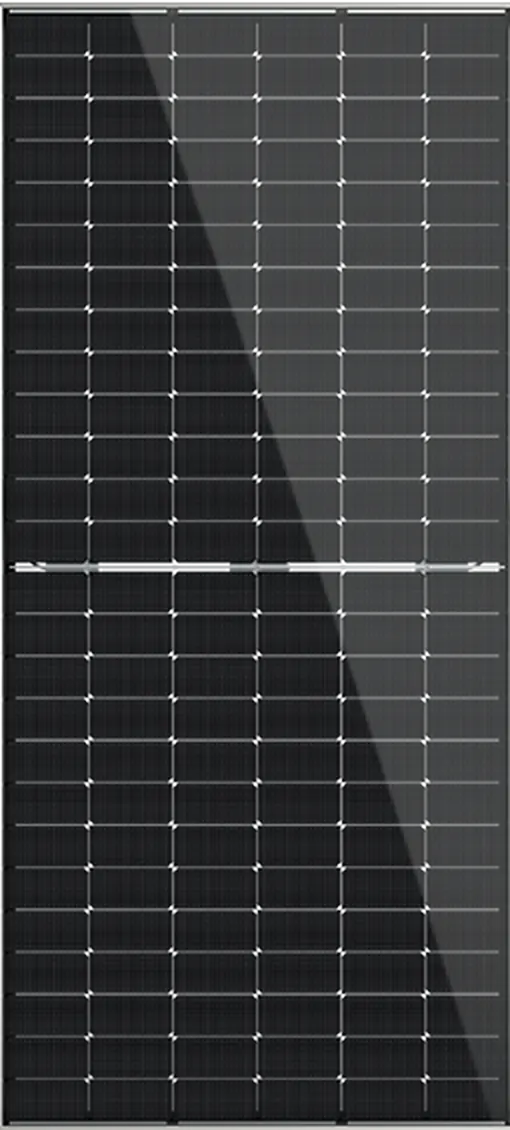
For an installed system, the property owner normally signs or co-signs, because the installer needs consent to work on the roof and the distribution board. Alumo's subscription is worth a landlord's attention because maintenance and insurance are included. As advertised on 20 October 2026, the Essential plan is R1,499 a month for a 5kW inverter, 5.32kWh battery and seven panels, with an initiation fee equal to one month and the option to cancel after 24 months. Final systems and prices are confirmed after the assessment and subject to credit approval.
R1,499/mo · Cancel option after 24 months
- • 5kW inverter
- • 5.32kWh battery · Runtime depends on connected appliances
- • 7 × 655W panels
Get a free quote →If you're a tenant, send your landlord this guide, agree who will sign, and then check whether your rental can support solar →. Note in the form that you rent, so the property owner's consent can be confirmed before anyone books a site visit.
Frequently asked questions
Can a tenant install solar panels without the landlord's permission?
No. Panels fixed to the roof and anything wired into the distribution board are changes to the landlord's building and electrical installation. You need the property owner's written consent and, in a sectional-title scheme, the trustees' written consent too. Plug-in options such as a router UPS or a portable power station need no permission.
Who owns solar panels in a rental property when the tenant leaves?
Whatever the written agreement says, which is why you need one before installation. Without it, equipment fixed to the building can be difficult and costly to remove. Agree who owns each component, whether you can remove it, who pays to repair the roof, and whether the landlord will buy it if you leave it behind.
Can I take a portable power station with me when I move?
Yes. It is your appliance, it isn't connected to the building, and you plug it in at your next home. The exception is if an electrician installed a changeover to connect it to the house circuits. That changeover belongs to the installation and needs the landlord's consent.
Does a body corporate have to approve solar for a tenant?
Usually, yes. The prescribed conduct rules apply to owners and occupiers, and require the trustees' written consent before anything is fixed into common property or the external appearance of a section is changed. The unit owner normally makes the application.
Is SolarGuide the installer?
No. SolarGuide is an independent referral partner. Alumo supplies, installs, finances and warrants the systems. We help you compare options and get a free quote. We don't sell portable power stations or UPS units. All pricing is indicative and subject to a site assessment and credit approval.
Sources and review note
Checked on 21 October 2026. Certificate of Compliance and property-owner responsibilities are from the Department of Employment and Labour's statement on electrical installation laws (22 October 2025). The sectional-title rules quoted are prescribed conduct rules 4 and 5 in Annexure 2 of the Sectional Titles Schemes Management Regulations, as published on Acts Online. Alumo's landlord co-signing, registration, term, cancellation, transfer and relocation statements are from Alumo's FAQ, and the credit check from alumo.co.za. Subscription pricing is as advertised by Alumo on 20 October 2026. Alumo's published FAQ and terms don't set out a full list of documents a tenant or landlord must provide, so confirm this with Alumo during the quote. This guide is general information, not legal advice; for a lease addendum covering significant amounts, ask a property lawyer.
SolarGuide is an independent referral partner. We help you compare options and arrange a free quote — Alumo supplies, installs, finances and warrants the systems. Pricing is indicative, sourced from Alumo’s published catalogue, and subject to a site assessment and credit approval.