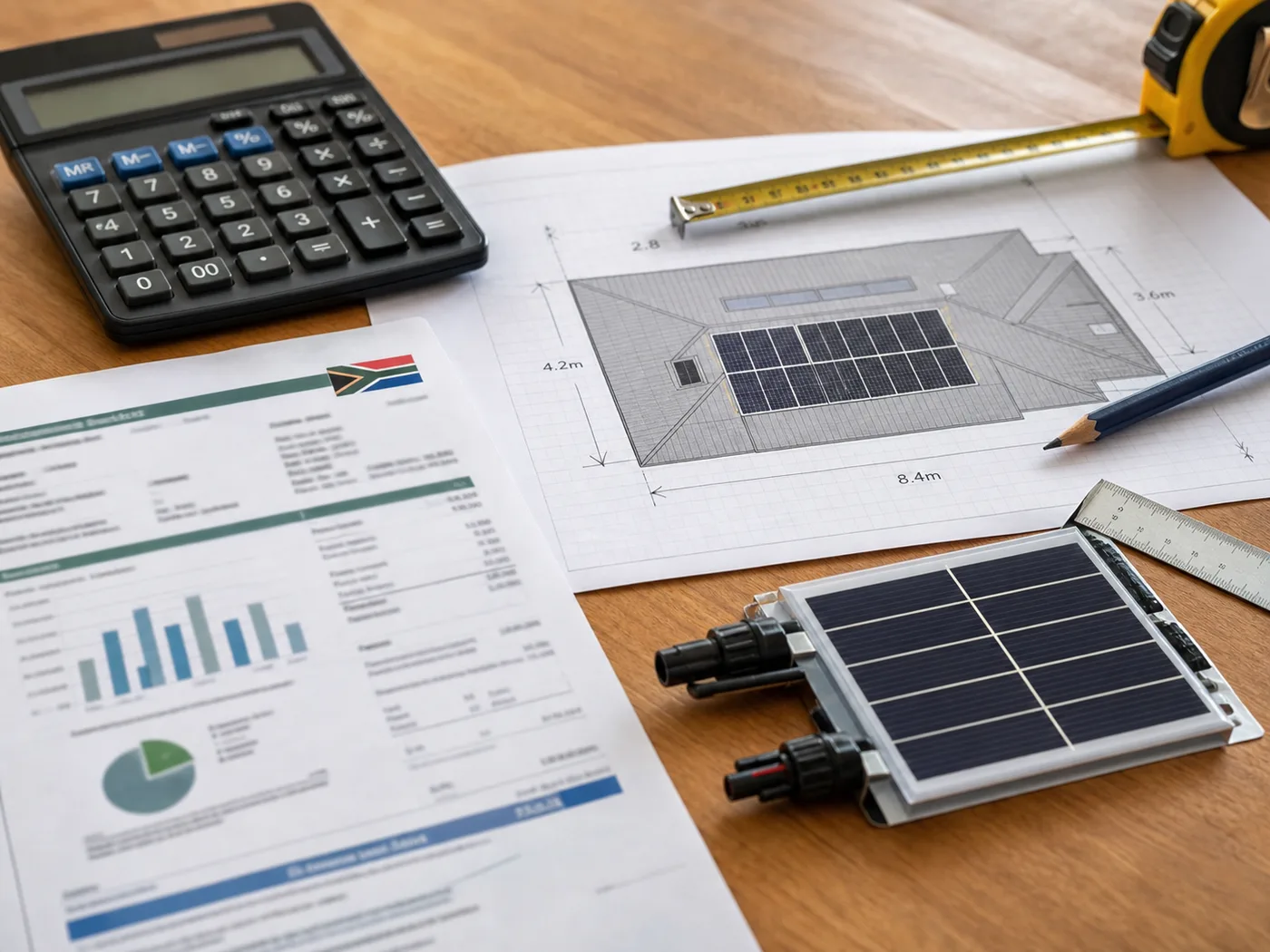
Use the calculator for an indicative starting point, then confirm the system against your roof, phase type, appliance loads and preferred backup level.
Few things sting like opening the freezer after a long Stage 6 day to find the ice cream soft and the meat sweating. A full freezer can hold hundreds of rands of food, and losing it to a couple of missed cooling cycles feels like Eskom reaching straight into your wallet. The good news is that keeping a fridge and freezer running through load-shedding is one of the easiest, cheapest wins in backup power.
That's because fridges and freezers, despite their size, are surprisingly gentle on a battery. They don't make heat the way a kettle or geyser does. They move it, in short bursts, then coast. Once you see how they actually draw power, it's clear why a modest system keeps your food cold while the neighbours are throwing out spoiled mince.
100–200W
typical fridge draw
24–48h
full freezer stays safe
4–6h
fridge stays safe
Key takeaways
A modern fridge or freezer averages only around 100–200W because it cycles on and off, not running flat out.
A closed freezer holds safe temperatures for roughly 24–48 hours; a fridge for only 4–6 hours, so the fridge is the real priority.
The compressor's start-up surge, not its running watts, is what trips undersized inverters.
An entry-level solar-and-battery system keeps both cold through back-to-back outages for a few rand a day of stored energy.
Why fridges are cheaper to back up than you think
People assume that because a fridge is big and runs all day, it must be a power hog. It isn't. A fridge or freezer only draws its full wattage when the compressor is actually running, and the compressor only runs to pull the temperature back down after it drifts up. The rest of the time it's idle, drawing almost nothing.
Over a full hour, a modern A-rated fridge-freezer might average around 100–200W once you account for all that on-off cycling. Compare that to a 2,000W kettle and you can see the gap. You could run your fridge for ten hours on the energy a kettle burns making a few pots of tea. That average draw is what matters for battery sizing, and it's why keeping your food cold is such a small ask of a home system.
The one catch: start-up surge
There's one wrinkle worth knowing. The instant a fridge compressor kicks in, it pulls a brief surge several times its normal running draw. A quality inverter absorbs that surge without blinking. A cheap, undersized unit can trip on it, which is exactly why a fridge that "should" run on a bargain inverter sometimes won't. The running watts don't beat the inverter; that split-second kick does. Proper equipment, correctly sized, handles it as a matter of course.
How long does food actually last without power?
Before you back anything up, it helps to know how much runway you have, because a freezer and a fridge are very different animals.
A full freezer, kept closed, holds safe temperatures for roughly 24 to 48 hours. All that frozen mass acts like a giant ice block, and every time you resist opening the door, you stretch that further. A half-empty freezer loses the fight faster, which is why keeping it packed — even with bottles of water — genuinely helps.
A fridge is far more fragile. Kept closed, it stays safe for only about 4 to 6 hours before it drifts into the danger zone where bacteria multiply. Since a single Stage 6 day can mean three separate outages, the fridge is the compartment most likely to let you down. That makes it, not the freezer, the real reason to have backup.
The practical takeaway during any outage: keep both doors shut. Every unnecessary peek dumps cold air and forces the compressor to work harder the moment power returns.
What size backup you actually need
Because the average draw is so modest, keeping a fridge and freezer alive doesn't demand a big system. The two questions are the same as always: can the inverter handle the peak, and does the battery hold enough to cover the outage?
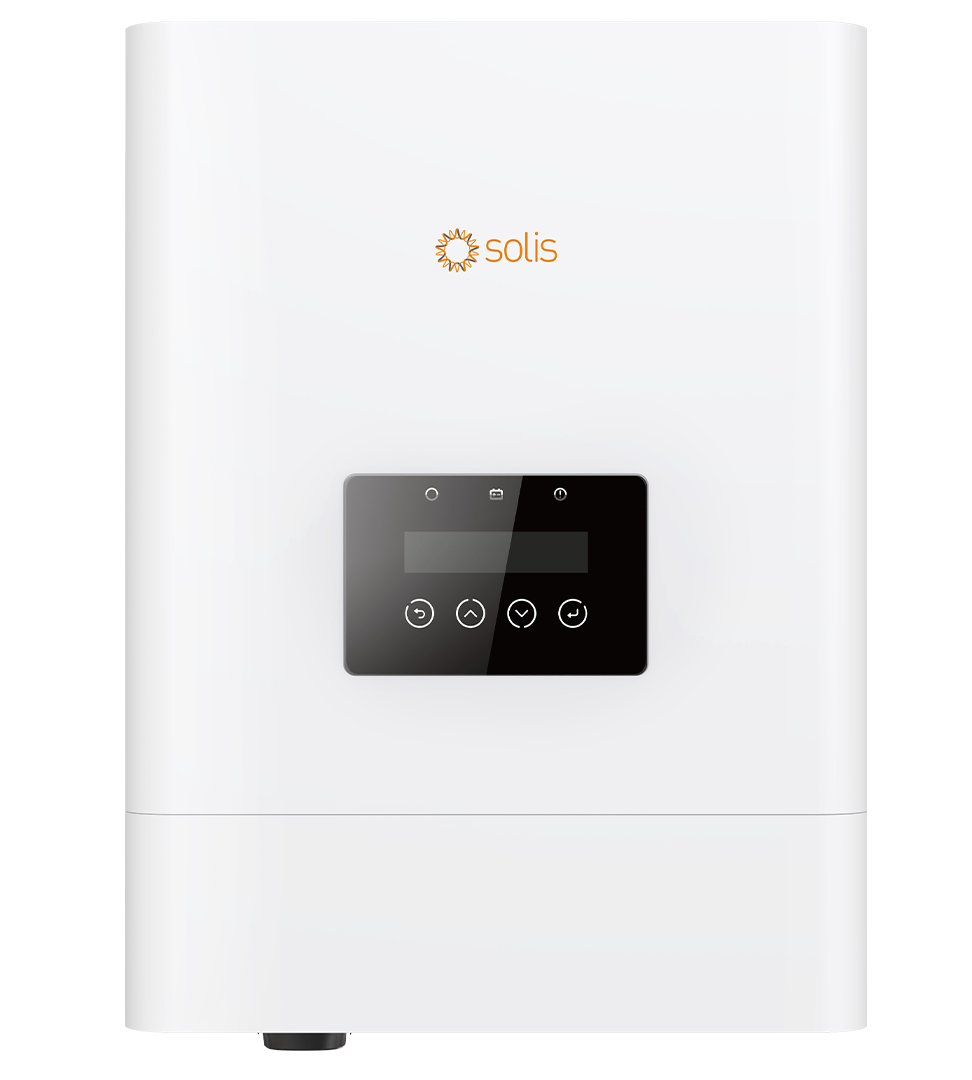
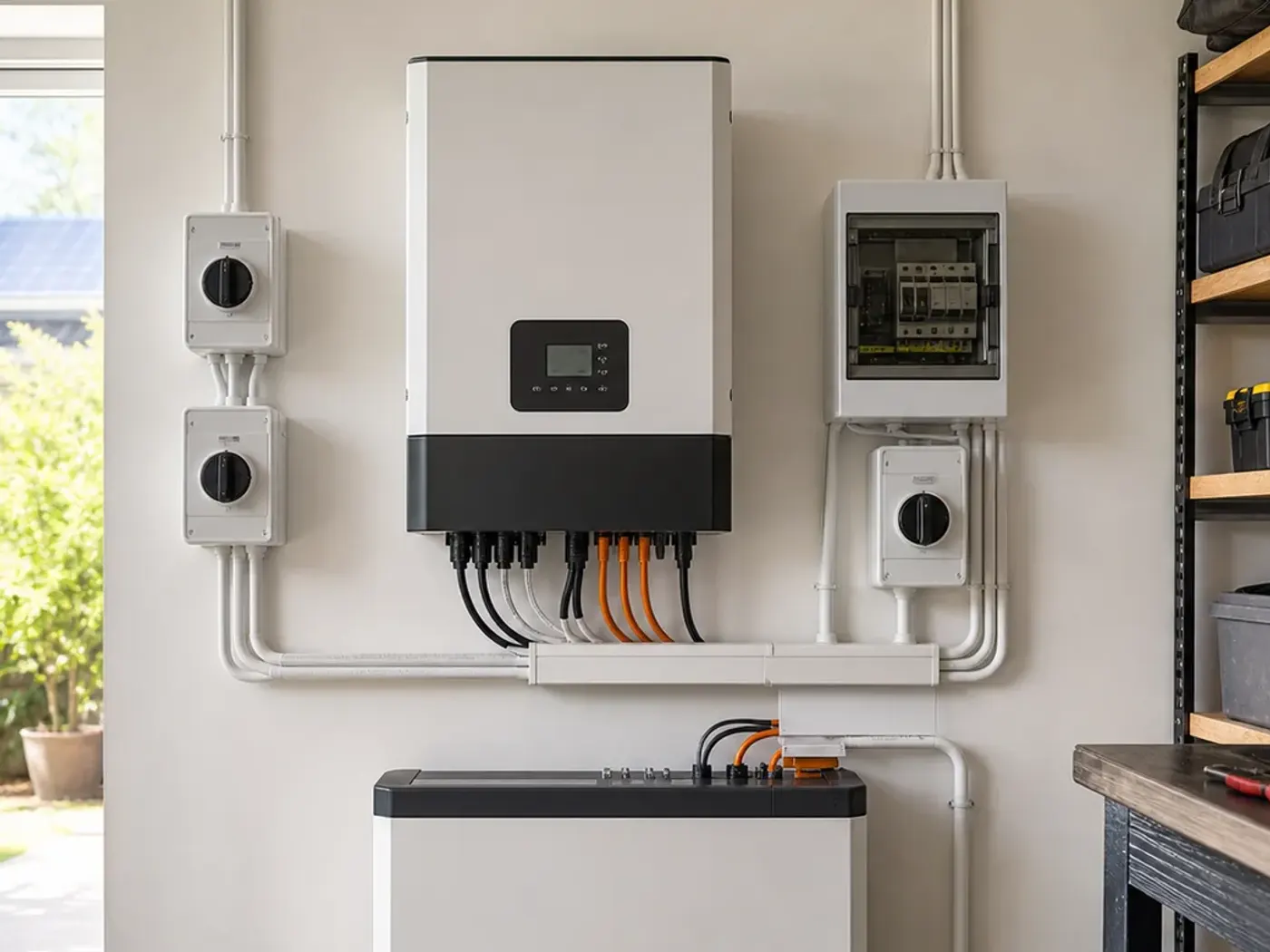
Alumo's current solar-plus-battery rent-to-own range uses a Solis 5kW inverter and Eenovance 5.32kWh battery: Watt-a-Deal has three 615W panels from R1,418/month, The Big Watt has four from R1,487/month, and The Power Bae has six from R1,626/month on a seven-year term. Three- and five-year prices, solar-only configurations and battery-only pricing are available on our current package comparison.
If you've got a big American-style double-door fridge plus a chest freezer in the garage, or you want to bridge back-to-back Stage 6 slots without watching the battery percentage, a larger system buys you comfortable headroom. But for the narrow job of protecting your food, you rarely need to go big.
Not sure which system you need?
Get a free, no-obligation quote sized to your home, usage and budget. It only takes a minute.
A backup system does the heavy lifting, but a few free habits make it work even harder:
Keep the freezer full. A packed freezer holds cold far longer than an empty one. Fill gaps with bottles of water — they double as emergency drinking water and freeze into useful cold packs.
Turn the temperature down before a known slot. If you can see load-shedding coming, drop the fridge and freezer a degree or two beforehand so they start the outage colder.
Don't open the doors. It sounds obvious, but this single discipline is worth more than most gadgets.
Fit a fridge thermometer. A cheap one tells you instantly whether the compartment is still safe, so you're not guessing about that chicken.
Layer these on top of a properly sized system and your cold chain becomes a non-issue — load-shedding comes and goes and the food never notices.
The bigger picture
Keeping the fridge on is usually the moment solar clicks for South Africans. Once you see how little energy your real essentials need, the whole thing stops feeling like a luxury and starts feeling like common sense. The fridge, the freezer, the lights, the router and the security system together sit well within reach of an affordable system, and everything you add from there is comfort, not survival.
If you want it sized properly around your own kitchen, the fastest route is a professional load assessment. Get a free Alumo quote → and a specialist will build a system around your actual essentials, so your food stays cold no matter what stage the grid throws at you.
Free tool
How long will your battery last?
Pick a battery size and what you want to keep running.
5.0 kWh
Estimated backup time
12.9 hours
Running about 350 W
Rough estimate at ~90% usable depth. Real runtime depends on the exact appliances and battery. A quote sizes it properly.
How much power does a fridge really use during load-shedding?
Less than most people expect. Because a fridge cycles its compressor on and off rather than running continuously, a modern unit averages roughly 100–200W over an hour. That low average draw is why keeping it cold is one of the cheapest jobs you can ask of a backup battery.
How long will my food stay safe if the power is off?
A full freezer, kept closed, holds safe temperatures for around 24–48 hours. A fridge only lasts about 4–6 hours. Because a single load-shedding day can bring several outages, the fridge is the compartment most at risk — and the main reason to have backup power for your kitchen.
Why does my fridge trip my inverter?
It's the start-up surge. When the compressor switches on it briefly pulls several times its running wattage, and an undersized or low-quality inverter can trip on that spike even though the fridge's normal draw is small. A properly rated inverter is designed to absorb the surge without issue.
Do I need a big, expensive system just to run a fridge and freezer?
No. Because the average draw is modest, an entry-level solar-and-battery system comfortably runs a fridge, freezer and other essentials through a typical outage. You'd only size up if you have several large appliances or want to bridge long, back-to-back Stage 6 slots without recharging.
Is SolarGuide the installer?
No. SolarGuide is an independent referral partner. Alumo supplies, installs, finances and warrants the systems, while we help you compare options and get a free quote. All pricing is indicative and subject to a site assessment and credit approval.
SolarGuide is an independent referral partner. We help you compare options and arrange a free quote — Alumo supplies, installs, finances and warrants the systems. Pricing is indicative, sourced from Alumo’s published catalogue, and subject to a site assessment and credit approval.