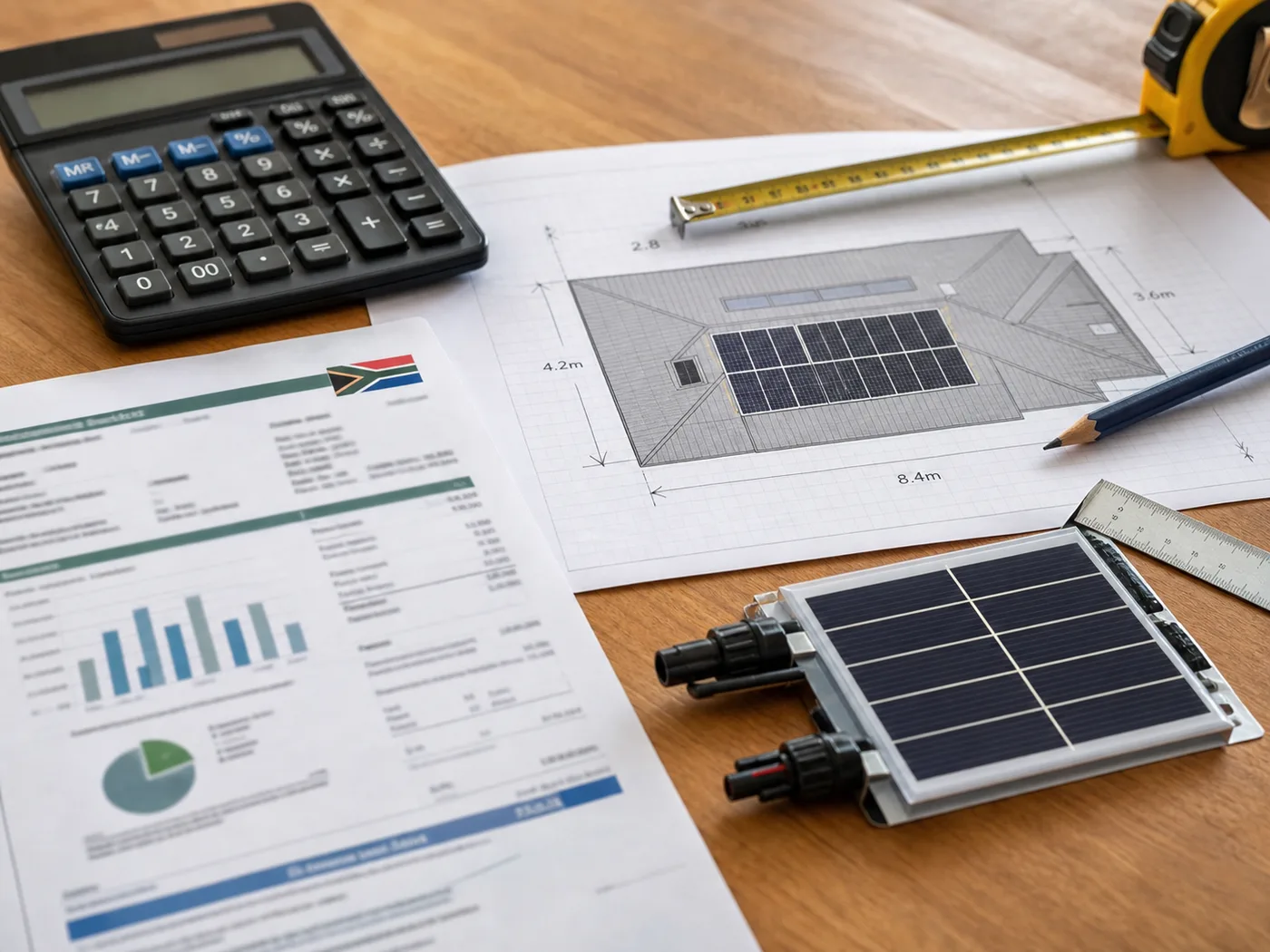
Use the calculator for an indicative starting point, then confirm the system against your roof, phase type, appliance loads and preferred backup level.
Every South African household has a load-shedding routine, whether we admit it or not: the scramble for candles, the guessing game of "is it our slot?", the cold dinner, the dead phone at the worst possible moment. After years of Stages 1 through 6, we've all become reluctant experts. But there's a big difference between merely enduring load-shedding and actually being set up so it barely touches your day.
This guide pulls together everything that works, from the free habits that cost nothing to the backup systems that end the problem entirely. Whether you're bracing for the next round or finally ready to stop reorganising your life around a schedule, here's how to get through load-shedding like it's a non-event.
Key takeaways
Knowing your schedule and prepping in advance removes most of the daily stress for free.
Lighting, cooking and charging have simple, cheap solutions: gas, power banks, LED lamps and a bit of timing.
Your fridge, Wi-Fi and security need a little planning to ride out outages without loss.
The permanent fix is backup power, and with financing, a solar-and-battery system can cost less per month than what load-shedding already costs you.
Step one: know your schedule and get ahead of it
The single cheapest upgrade to your load-shedding life is simply knowing when it's coming. Find your area's block on your municipality's schedule or a reliable load-shedding app, and check the current stage each morning. EskomSePush and your metro's website are the usual go-tos. Once you know your slots, everything else becomes preparation rather than panic.
Build a small routine around your slots. Charge devices and power banks before an outage, not during. Boil water for a flask before the kettle loses power. Get the washing and any oven cooking done in grid time. Fill the kettle and a jug so you've got water if your supply depends on an electric pump. None of this costs a cent; it just shifts your energy-hungry tasks into the hours when the power's on.
Lighting: never be caught in the dark
Candles are a load-shedding cliché for a reason, but they're also a fire risk and give poor light. There are far better options:
Rechargeable LED lamps and bulbs. Many "load-shedding bulbs" charge while the grid is on and keep glowing for hours after it drops, fitting straight into your normal fittings.
Headlamps and rechargeable torches. Hands-free light is invaluable for cooking or finding the gate release.
Power banks with lights. Double up as phone chargers.
Solar garden lights brought indoors in a pinch. Not bright, but free and zero-effort.
Keep these charged and in known spots so you're not hunting for them in the dark. A handful of rechargeable lamps around the house transforms the evening outage from a stumble into a non-event.
Cooking and hot drinks without power
Your electric stove, oven and kettle are among the biggest power users in the house, so they're the first things to go during an outage, and the last things you'd want to put on a battery. The simple answer is gas.
A small gas stove or two-plate burner handles cooking through any outage for a modest outlay.
A gas kettle or a flask filled during grid time keeps the tea and coffee flowing.
A braai is the most South African backup cooker there is.
Plan no-cook meals (salads, sandwiches, leftovers) for the evenings your slot lands right over dinner.
Cooking with gas during outages is also the smartest move if you have backup power, because it keeps your battery free for the light, low-draw essentials that matter most.
Not sure which system you need?
Get a free, no-obligation quote sized to your home, usage and budget. It only takes a minute.
A fridge and freezer are surprisingly resilient if you treat them right. Kept closed, a full freezer can hold its temperature for many hours, and a fridge for a few. The tricks:
Keep the doors shut during an outage; every peek lets cold out.
Keep the freezer full. Frozen mass holds cold; fill gaps with bottles of water.
Freeze water bottles or ice packs and move them to the fridge during long outages.
For most outage lengths, these habits alone prevent spoilage. But at higher stages with back-to-back slots, the gaps get long enough to risk your food. That's one of the quiet, recurring costs of load-shedding, and a strong argument for keeping the fridge on backup power, since it's a low-draw essential a small system carries easily.
Staying connected and secure
Two things people underestimate: your internet and your home security both die the instant the grid does. Your fibre modem, Wi-Fi router, electric gate, alarm and CCTV all rely on mains power, and their little built-in batteries aren't built for hours of repeated outages.
These loads are tiny. The whole cluster typically draws under 150W, so keeping them alive is cheap and high-value. A small UPS covers the Wi-Fi; a proper inverter or solar system covers the lot, keeping you online, your gate working and your home secure through every stage. And since load-shedding schedules are public, keeping your cameras and alarm live closes a real security gap, not just a convenience.
The permanent fix: backup power that ends load-shedding for you
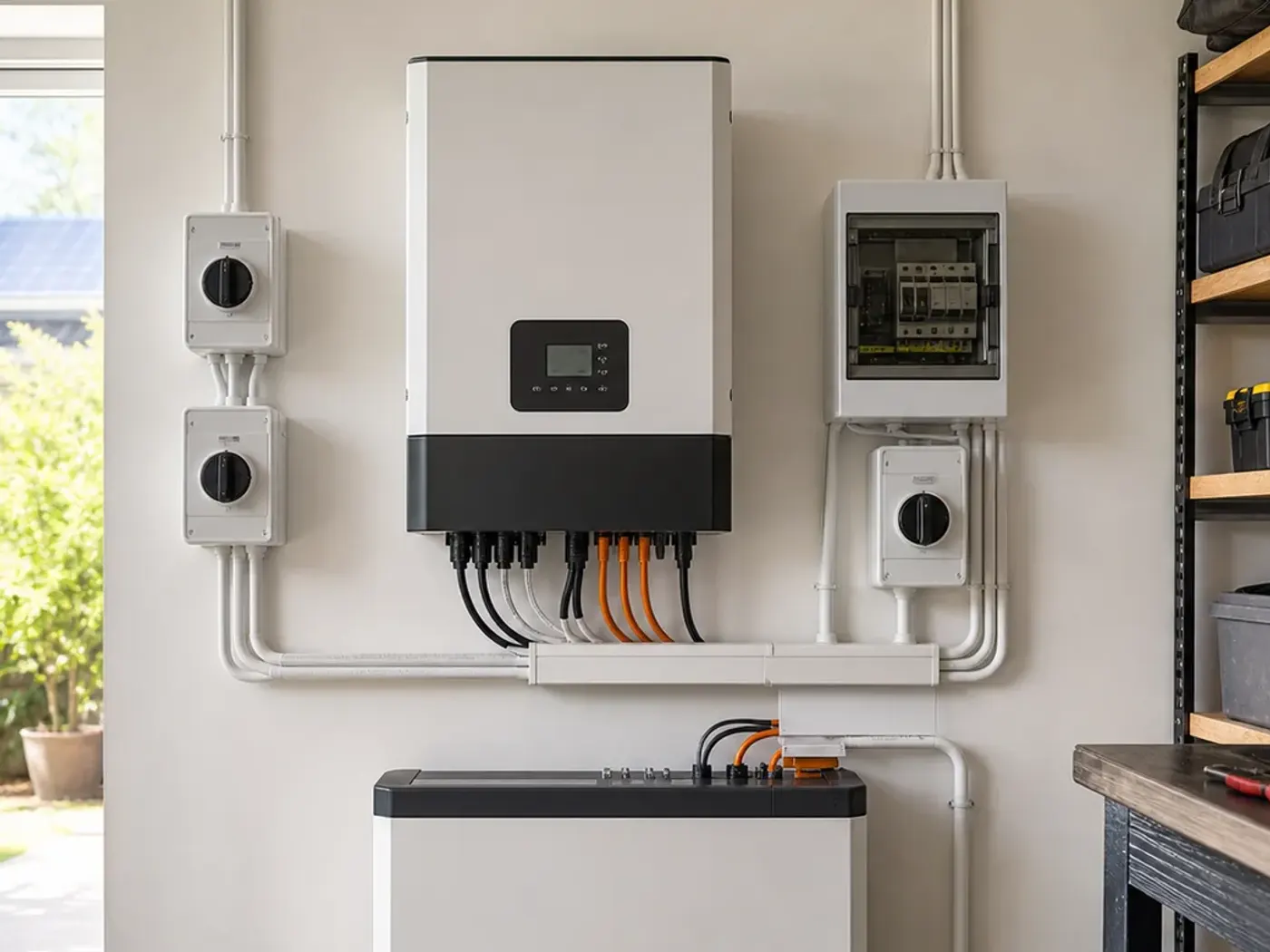
Habits and gadgets make load-shedding survivable. Backup power makes it disappear. The moment you have an inverter and battery, ideally charged by solar, the grid dropping simply stops being an event in your home. The lights stay on, the Wi-Fi holds, the fridge hums, the kids' evening carries on, and you find out load-shedding happened only when a neighbour mentions it.
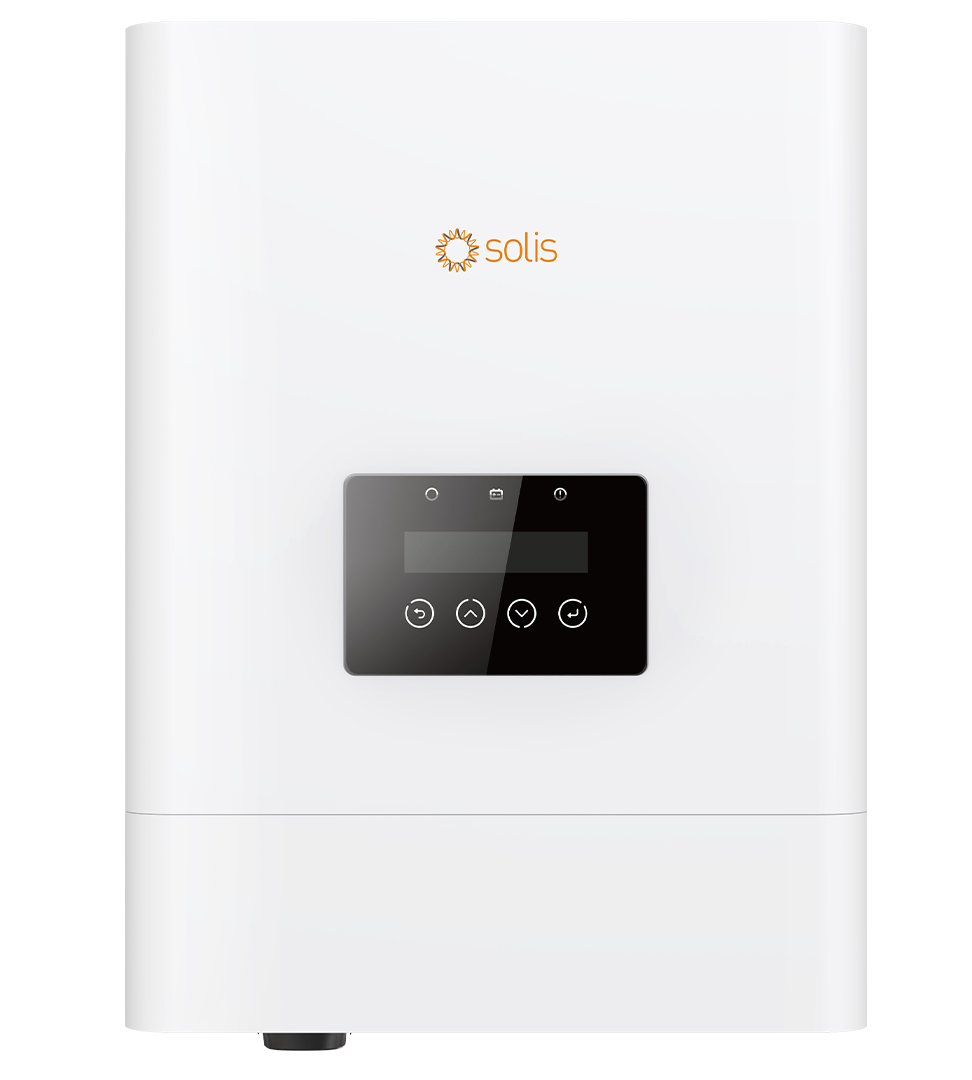
Alumo's current solar-plus-battery rent-to-own range uses a Solis 5kW inverter and Eenovance 5.32kWh battery: Watt-a-Deal has three 615W panels from R1,418/month, The Big Watt has four from R1,487/month, and The Power Bae has six from R1,626/month on a seven-year term. Three- and five-year prices, solar-only configurations and battery-only pricing are available on our current package comparison.
If your household is busier, load-shedding hits at higher stages, or you want to sail through back-to-back evening slots, a bigger system adds the headroom to stop thinking about the schedule entirely. Get a free quote → to size it to your household. And because these systems can include solar, they also cut your Eskom bill every month, which changes the whole cost conversation.
The point that catches people by surprise is this: once you total up what load-shedding already costs you (spoiled food, petrol for a generator, replacement batteries, lost work time, the odd ruined appliance), a financed solar system often costs less per month than the problem it solves.
Your load-shedding readiness checklist
Know your area's schedule and check the stage each morning.
Keep power banks, rechargeable lamps and a headlamp charged and to hand.
Have gas for cooking and a flask for hot drinks.
Keep fridge and freezer full and shut; freeze water bottles.
Put your Wi-Fi, gate, alarm and CCTV on backup.
Do heavy chores (washing, oven cooking) during grid time.
Seriously price a backup or solar system against what load-shedding already costs you.
Ready to stop surviving load-shedding and start ignoring it? Get a free quote → and see what a right-sized system would cost against your current bill.
Free tool
How long will your battery last?
Pick a battery size and what you want to keep running.
5.0 kWh
Estimated backup time
12.9 hours
Running about 350 W
Rough estimate at ~90% usable depth. Real runtime depends on the exact appliances and battery. A quote sizes it properly.
Check your municipality's website or a trusted load-shedding app like EskomSePush, and confirm the current national stage each morning. Your area is assigned a block, and the stage determines how often your block is shed. Knowing both lets you prepare in advance rather than react.
What's the cheapest way to survive load-shedding?
Free habits do most of the work: charge devices and power banks before outages, cook with gas, keep rechargeable lamps handy, and keep the fridge shut. These cost little and remove most of the daily disruption. The permanent fix is backup power, which is now available on affordable monthly financing.
How long will food last in my fridge and freezer during load-shedding?
Kept closed, a full freezer can hold its temperature for many hours and a fridge for a few. Keep both as full as possible, freeze water bottles to add cold mass, and avoid opening the doors. For higher stages with long, repeated outages, keeping the fridge on backup power is the reliable answer since it's a low-draw appliance.
Can I keep my whole house running during load-shedding?
You can, but you rarely need to. The cost-effective approach is to back up your essentials — lights, Wi-Fi, fridge, security and a few plugs — and simply run heavy appliances like the geyser, oven and washing machine during grid time. A right-sized system does this affordably; powering the entire home at once costs far more for little added benefit.
Is SolarGuide the company that installs the backup system?
No. SolarGuide is an independent referral partner. Alumo supplies, installs, finances and warrants the systems. We help you compare options and get a free quote. All pricing is indicative and subject to a site assessment and credit approval.
SolarGuide is an independent referral partner. We help you compare options and arrange a free quote — Alumo supplies, installs, finances and warrants the systems. Pricing is indicative, sourced from Alumo’s published catalogue, and subject to a site assessment and credit approval.