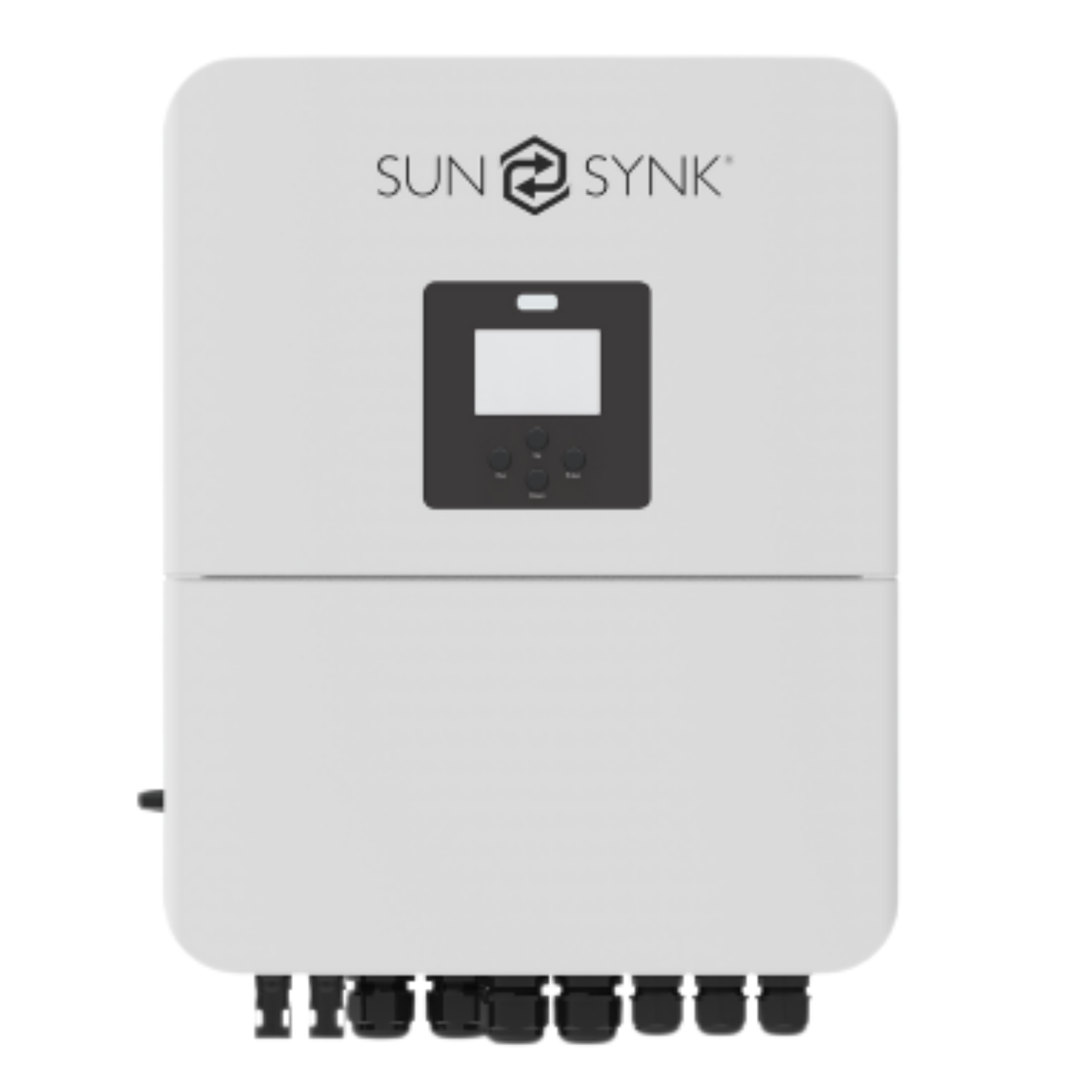
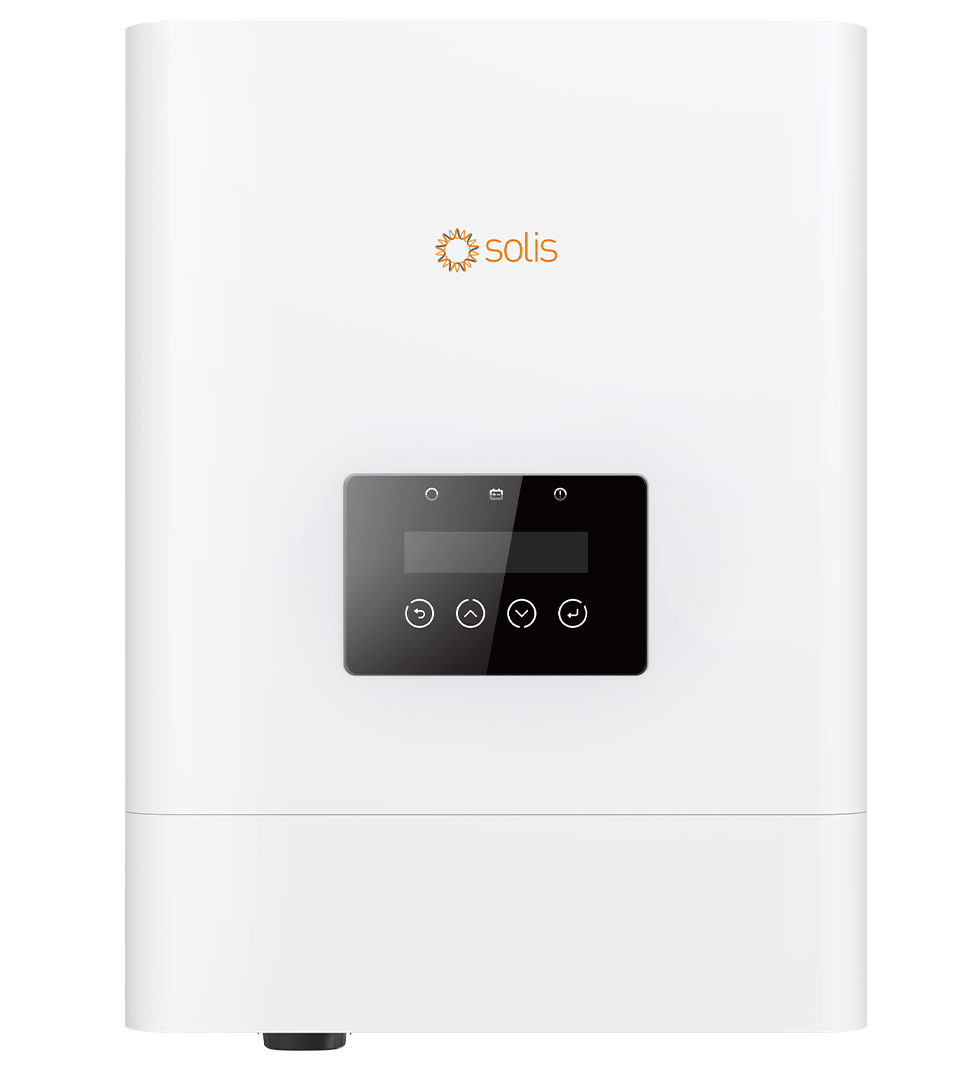
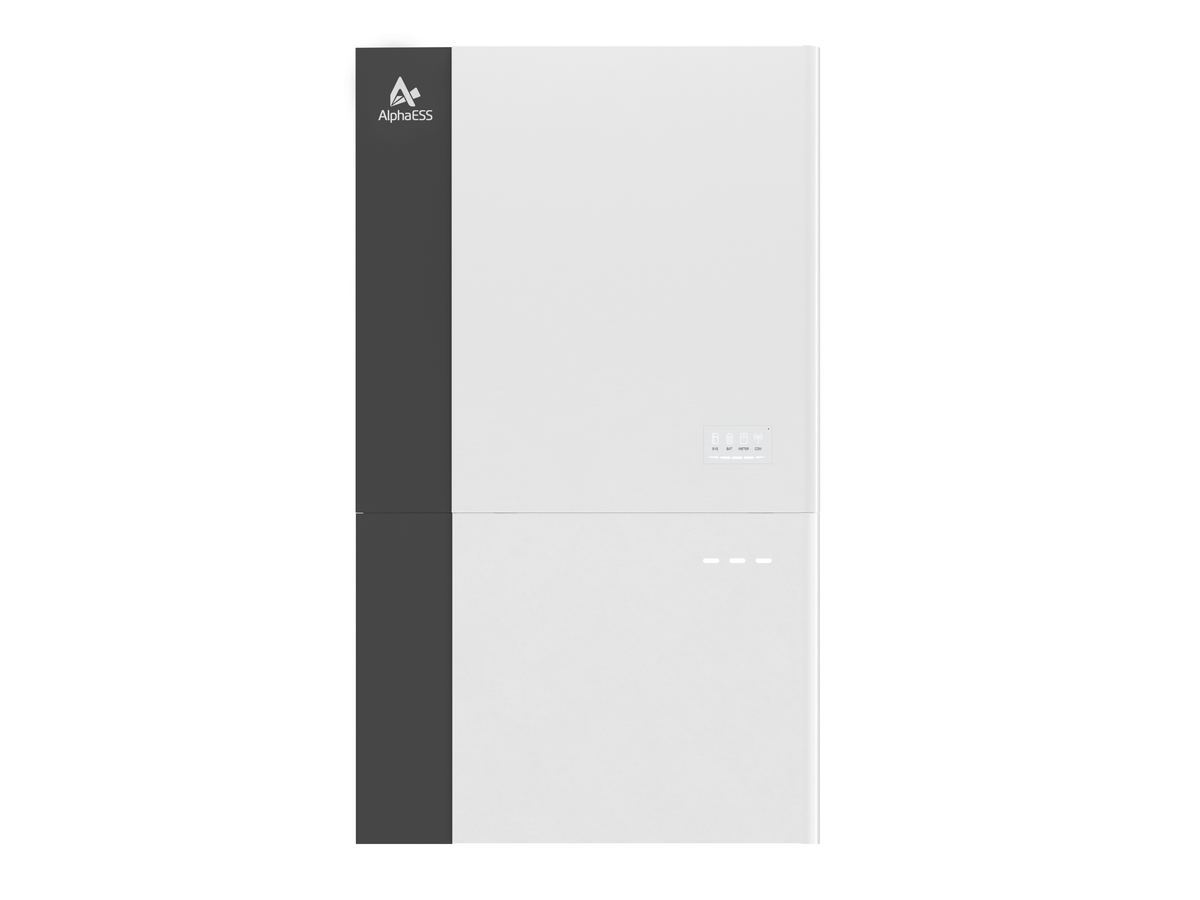
The right inverter and battery pairing matters more than a headline kW or kWh figure. See the models currently listed by SolarGuide, then ask for a quote based on your home and usage.
A 10kWh battery is the size South African households move to when the question changes from "will the lights stay on during load-shedding?" to "can we run the house from the battery all evening and through the night?" It is twice the storage of the common 5kWh unit, and it is the size that larger homes, home offices and solar owners trying to buy less from Eskom or the municipality tend to settle on.
Twice the battery does not mean twice as much at once, though. A battery stores energy; the inverter decides how much power you can draw at any moment. This guide works through how much of a 10kWh battery you can actually use, how long it lasts on real household loads, which appliances still empty it, and when 10kWh is more than you need.
Key takeaways
A 10kWh lithium battery gives you roughly 7.5kWh to 9kWh at the plug, depending on the battery's depth-of-discharge rating and inverter losses.
That covers a larger home's lights, TVs, Wi-Fi, fridge, freezer, security and some kettle and microwave use from early evening to morning, with energy to spare.
A geyser element, an aircon running all night or an oven dinner every evening will use most of it. Those loads belong on daytime solar or a timer.
For load-shedding slots alone, 10kWh is more than most homes need. It earns its cost when you want to run the house overnight off the battery.
Nominal vs usable: what you actually get from 10kWh
The number on the label is the battery's nominal capacity: the total energy the cells hold. You never get all of it at the plug, for two reasons.
The first is depth of discharge (DoD), the share of the battery the manufacturer lets you use before it stops discharging to protect the cells. The second is conversion loss: the inverter turns the battery's direct current into the alternating current your appliances use, and a small share is lost as heat.
Datasheets handle the first part differently, which is why two "10kWh" batteries can give different results:
Battery
Nominal
Usable, as the maker states it
Source
Sunsynk W10.6 (sold in South Africa as the Eenovance 10.65kWh)
Checked 26 October 2026. Solar Shop says the Eenovance 10.65kWh is "the same battery as the Sunsynk branded unit that was available previously".
The Hubble row shows why you should ask your installer one direct question: at what voltage or state of charge will the inverter stop drawing from this battery? That setting, not the label, decides your real budget.
The working figure used in this guide
Allowing about 6% for inverter conversion losses (an editorial assumption; the real figure depends on the inverter and the load), the two batteries with a stated usable figure work out like this:
9.58kWh usable × 0.94 ≈ 9kWh at the plug
8kWh usable × 0.94 ≈ 7.5kWh at the plug
So this guide uses 9kWh as the working budget for a 10kWh-class battery, and shows 7.5kWh where the difference matters. If your installer sets a reserve, for example keeping the last 20% for unplanned outages, take that off too: 20% of 10.64kWh is about 2.1kWh.
How long a 10kWh battery lasts at a steady load
Runtime is energy divided by power. With 9kWh to spend:
Steady load
What that looks like
Runtime on 9kWh
Runtime on 7.5kWh
300W
Wi-Fi, fridge, a few lights, security
about 30 hours
about 25 hours
500W
Evening essentials with TV and laptops
about 18 hours
about 15 hours
1,000W
Essentials plus a microwave or one aircon
about 9 hours
about 7.5 hours
1,500W
Busy evening with intermittent cooking
about 6 hours
about 5 hours
3,000W
A geyser element on its own
about 3 hours
about 2.5 hours
5,000W
A 5kW inverter at full output
about 1.8 hours
about 1.5 hours
These are SolarGuide calculations: 9,000Wh ÷ 300W = 30 hours, and so on. Real loads go up and down through the evening, so the scenarios below are closer to how a household actually uses a battery.
4-hour slot, essentials1.8 kWh
Evening and overnight, larger home4.5 kWh
Same night plus oven dinner7.5 kWh
Geyser, 2 adults, one day8.8 kWh
Energy used in each scenario against a working budget of about 9kWh
What a 10kWh battery runs: three real scenarios
Wattages come from our appliance power table, which uses typical rating-plate ranges. Your own appliances' rating plates and energy labels override them.
Scenario 1: a four-hour load-shedding slot
The evening essentials (eight 8W LED bulbs, Wi-Fi and fibre box, TV and decoder, a fridge-freezer while its compressor runs, and two laptops) come to about 450W. Over four hours that is 450W × 4h = 1.8kWh, about a fifth of a 10kWh battery.
Even two slots in one evening use only 3.6kWh. If load-shedding slots are your only concern, a 5kWh battery already covers this, and our guide on what size battery you need for load-shedding shows how to size for slots rather than whole nights.
Scenario 2: a larger home from 17:00 to 07:00
This is the job a 10kWh battery is usually bought for: running the house on stored solar or through a long outage from late afternoon until the panels start producing again, 14 hours later.
Load
Assumption
Energy
LED lights
15 bulbs × 8W × 5 hours
0.60kWh
Wi-Fi and fibre box
15W × 14 hours
0.21kWh
Two TVs and decoders
2 × 100W × 4 hours
0.80kWh
Fridge-freezer
Energy label of 300kWh a year ÷ 365 × 14/24
0.48kWh
Chest freezer
Assumed label of 250kWh a year ÷ 365 × 14/24
0.40kWh
Laptops and phones
2 laptops × 60W × 3 hours, plus phones
0.40kWh
Alarm, gate motor standby, a few cameras
50W × 14 hours
0.70kWh
Kettle
4 boils of 1.5 litres × 0.14kWh
0.56kWh
Microwave
15 minutes at 1,200W
0.30kWh
Total
4.45kWh
The totals are SolarGuide calculations from the stated assumptions. The security figure follows our Wi-Fi, gate and security guide, which puts cameras and a recorder at 30–60W and the alarm and gate at a few watts each. Check your freezer's energy label rather than relying on the 250kWh assumption.
About 4.5kWh for a full evening and night leaves roughly half of a 9kWh budget unused, and still about 3kWh on a battery with 7.5kWh at the plug. That margin matters on a cloudy day, when the panels may not refill the battery completely before the next evening.
Scenario 3: the same night, plus cooking dinner on electricity
Add an oven for an hour at 2,000W (up to 2kWh, as the thermostat cycles the element) and one stove plate for 40 minutes at 1,500W (1kWh). The night's total rises to about 7.5kWh.
That still fits on 9kWh, with about 1.5kWh left. On a battery with 7.5kWh at the plug, there is nothing left by morning. This is the line where a 10kWh battery stops being comfortable: it can carry an electric dinner, but not every night and not with anything else heavy added.
What still drains a 10kWh battery
Doubling the battery does not change the basic rule: anything that heats or cools uses a lot of energy over time.
Geyser. Our geyser cost calculator puts a 150-litre geyser serving two adults at about 8.8kWh a day, using Eskom's hot water assumptions. That is effectively the whole battery. A 3,000W element running flat out empties 9kWh in about three hours.
Aircon overnight. A split unit at about 1,000W while its compressor runs, over eight hours, uses up to 8kWh. One bedroom unit on all night uses most of the battery; the compressor cycles, so the real figure is often lower.
Pool pump. A 0.75kW pump at 750W for six hours uses 4.5kWh. Run it in the middle of the day on solar instead.
Electric heater. 2,000W for three hours is 6kWh.
Tumble dryer. Up to 2kWh a load.
The practical answer is the same as on a smaller battery: put the geyser on a timer or on daytime solar, run the pool pump and laundry while the sun is up, and keep the battery for the evening and night. Our geyser timer guide shows the settings.
Want a battery sized for your home?
Tell us what you need to keep running and for how long. The assessment sizes the battery and inverter together and gives you a written quote.
Free and no obligation. SolarGuide may earn a referral fee from Alumo; it never adds to your cost.
The inverter still decides what runs at once
A 10kWh battery does not let you run more appliances at the same time. That limit is the inverter's. On a 5kW inverter you can still only draw 5,000W at once, so the kettle, oven and geyser element together will trip it whatever the battery's state of charge. Our guide to what a 5kW inverter can run covers that side.
The battery does have to keep up with the inverter, and here a 10kWh battery helps. A 51.2V battery feeding a 5kW inverter at full output supplies about 98A (5,000W ÷ 51.2V, before losses):
The Sunsynk W10.6 datasheet gives a recommended current of 104A and a maximum discharge of 240A, so one unit covers a 5kW inverter at full output.
Freedom Won's 10/8 is listed at 200A continuous, about 10kW.
A single 5kWh-class battery is often the limit. Sunsynk's 5.32kWh datasheet lists 100A maximum, which is why one small battery can hold a 5kW or 8kW inverter back at night.
Ask the installer to confirm the battery's continuous discharge current against the inverter's full output, especially if you might upgrade the inverter later.
Will the panels refill it?
A 10kWh battery is only useful if the panels can refill it most days. PVGIS, the European Commission's solar model, estimates that a north-facing array at a 26° tilt produces about 1,751kWh per kWp a year in Johannesburg and about 1,484kWh in Durban, after allowing 14% for system losses (retrieved 26 September 2026 for our roof fit tool).
That is an annual average of about 4.8kWh per kWp a day in Johannesburg (1,751 ÷ 365) and about 4.1kWh in Durban. To put 9kWh back into the battery you would need roughly 1.9kWp of panels in Johannesburg (9 ÷ 4.8) or 2.2kWp in Durban, on an average day, before the house uses any solar during the day. Winter days, clouds and shading lower the output, and daytime household use comes first, so a home with a 10kWh battery usually needs considerably more panels than this minimum. These are SolarGuide calculations; a site assessment should model your roof and your daytime use.
Is 10kWh the right size for you?
Your situation
Likely fit
Lights, Wi-Fi, TV and fridge through load-shedding slots
5kWh is usually enough
A larger home that wants to run from the battery from evening to morning
10kWh
The above, plus regular electric cooking at night or a bedroom aircon
10kWh is tight; consider 15kWh, or move cooking to gas
Geyser, pool pump and aircon all on the battery
Rethink the loads before buying more storage
A home office that cannot lose power, with frequent long outages
10kWh, with a reserve set for outages
A 10kWh system can be one 10kWh unit or two 5kWh units in parallel. Two units of the same model can be added in stages if the inverter and battery support it, but ask whether the installer will mix a new battery with an older one before you plan on it.
What a 10kWh battery costs
SolarGuide's quarterly Solar Price Index recorded 12 VAT-inclusive listings for 10kWh-class lithium batteries from R28,570 to R53,775 on 26 September 2026, with a median of about R32,980. Those are battery-only prices. On 26 October 2026 Solar Shop listed the Eenovance 10.65kWh at R27,600 (out of stock online) and the Freedom Won 10/8 at R47,270.
Compare usable energy, continuous current and warranty, not only the nominal kWh and the price. The inverter, panels, protection, installation and Certificate of Compliance are extra. Our best home battery guide and lithium battery lifespan guide cover warranties and cycle life.
Free tool
How long will your battery last?
Pick a battery size and what you want to keep running.
5.0 kWh
Estimated backup time
12.9 hours
Running about 350 W
Rough estimate at ~90% usable depth. Real runtime depends on the exact appliances and battery. A quote sizes it properly.
Alumo's published rent-to-own packages currently pair a Solis 5kW inverter with an Eenovance 5.32kWh battery (alumo.co.za, checked 26 October 2026). If your evenings look more like scenario 2 or 3 above, say so when you request a quote, and list the loads you want to run overnight. Alumo assesses the home and confirms the battery, inverter and panel sizes, and pricing is subject to that assessment and credit approval. Request a quote sized around your evening and overnight loads →
Frequently asked questions
How long will a 10kWh battery last?
It depends on the load. With about 9kWh available at the plug, a 500W evening load runs for about 18 hours and a 1,000W load for about 9 hours. A larger home's lights, TVs, Wi-Fi, fridge, freezer and security from 17:00 to 07:00 use about 4.5kWh in our worked example, roughly half the battery.
Can a 10kWh battery run a house overnight?
Yes, for the normal overnight loads: lights, Wi-Fi, TVs, fridge and freezer, security and some kettle and microwave use. It cannot also carry a geyser element, an aircon running all night or a pool pump without running short. Those loads belong on daytime solar or a timer.
Can a 10kWh battery run a geyser?
Only briefly. A 3,000W element would empty about 9kWh in three hours, and a 150-litre geyser for two adults uses about 8.8kWh a day. Heat water on daytime solar or with a timer instead of from the battery.
Is a 10kWh battery too big for load-shedding?
For load-shedding slots alone, usually yes. A four-hour slot on 450W of essentials uses about 1.8kWh, which a 5kWh battery covers. A 10kWh battery makes sense when you want to run the house from stored solar every evening, or when outages are long and frequent.
Is SolarGuide the installer?
No. SolarGuide is an independent referral partner. Alumo supplies, installs, finances and warrants the systems we refer. We help you compare options and get a free quote. All pricing is indicative and subject to a site assessment and credit approval.
Sources and review note
Checked on 26 October 2026. Battery specifications come from Sunsynk's W10.6 datasheet (v2) and 5.32kWh battery datasheet (v3), Hubble's AM10+ brochure (V1.2), and Solar Shop's listings for the Freedom Won 10/8 and Eenovance 10.65kWh, which are also the source of the two prices. The price range comes from SolarGuide's Solar Price Index, Q3 2026, checked on 26 September 2026. Solar yields come from PVGIS 5.2 (European Commission Joint Research Centre), retrieved on 26 September 2026 for our roof fit tool. Appliance wattages are typical rating-plate ranges from our appliance power table, and the geyser figure uses the Eskom assumptions on our geyser cost calculator. Alumo's package configuration comes from alumo.co.za. The 6% conversion loss, the chest freezer label and the security load are editorial assumptions; runtimes, scenario totals, battery current and panel sizes are SolarGuide calculations. SolarGuide has not tested these batteries, and none of these brands or retailers is a SolarGuide partner. If you spot a factual error, tell us and we'll correct it.
SolarGuide is an independent referral partner. We help you compare options and arrange a free quote — Alumo supplies, installs, finances and warrants the systems. Pricing is indicative, sourced from Alumo’s published catalogue, and subject to a site assessment and credit approval.