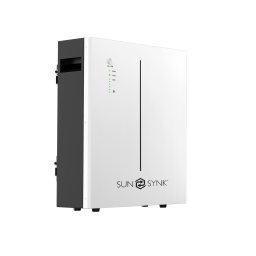
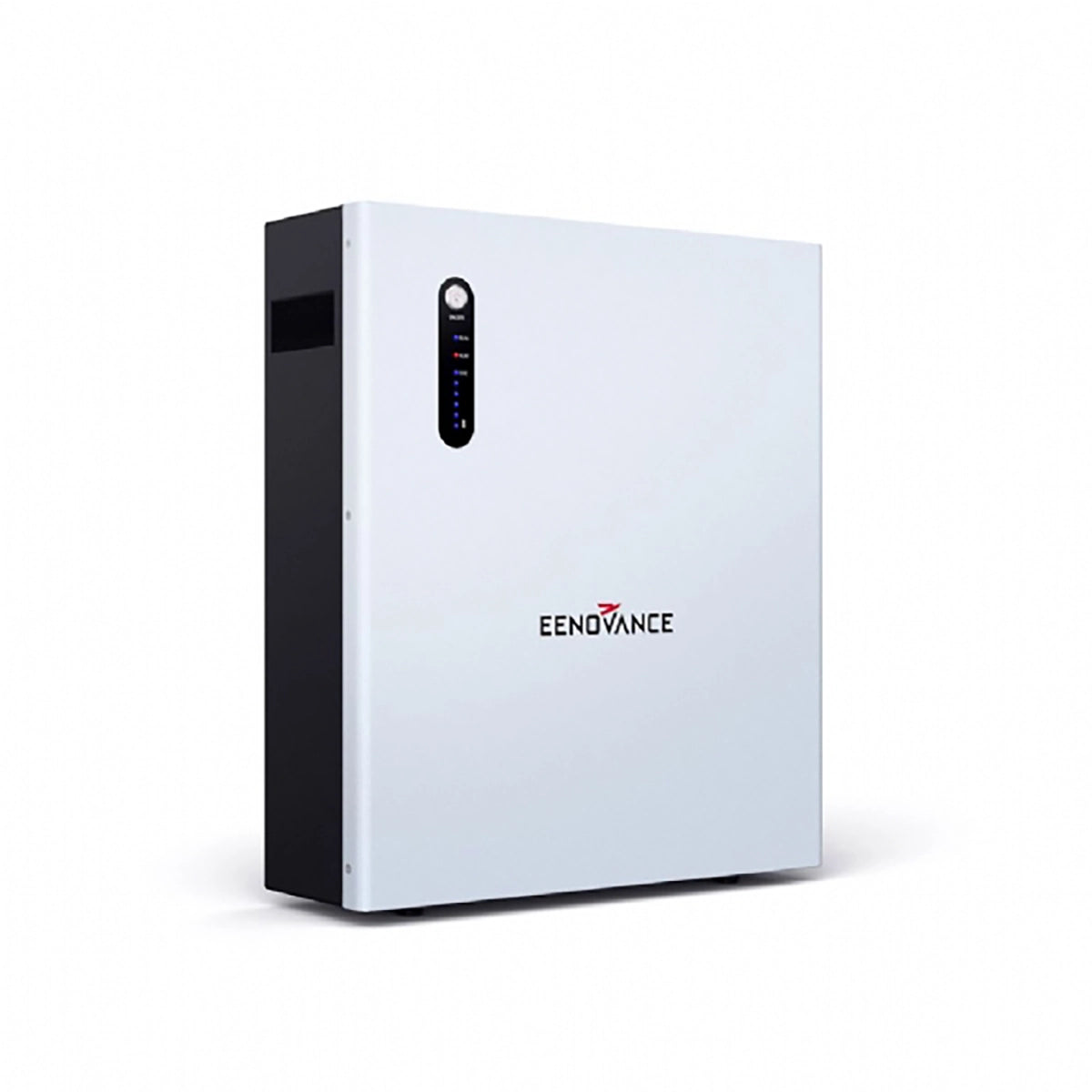
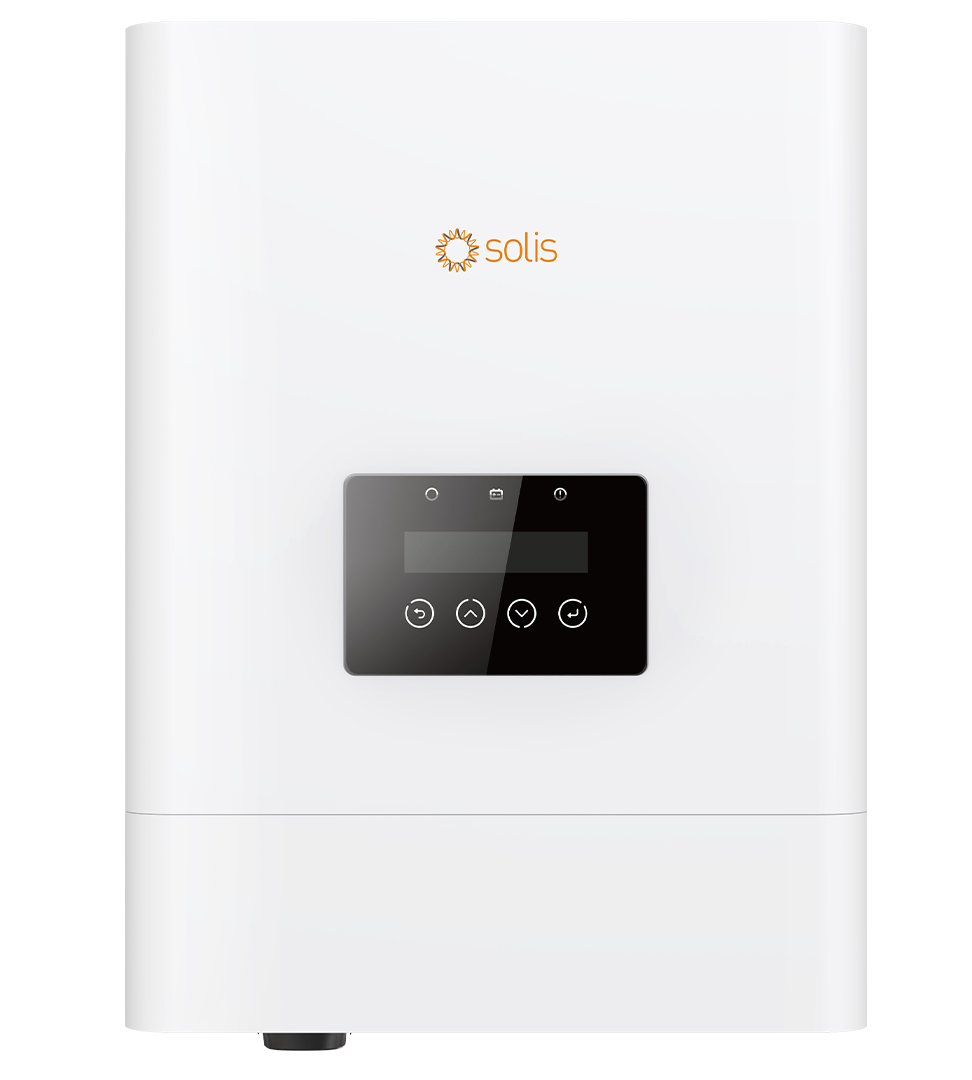
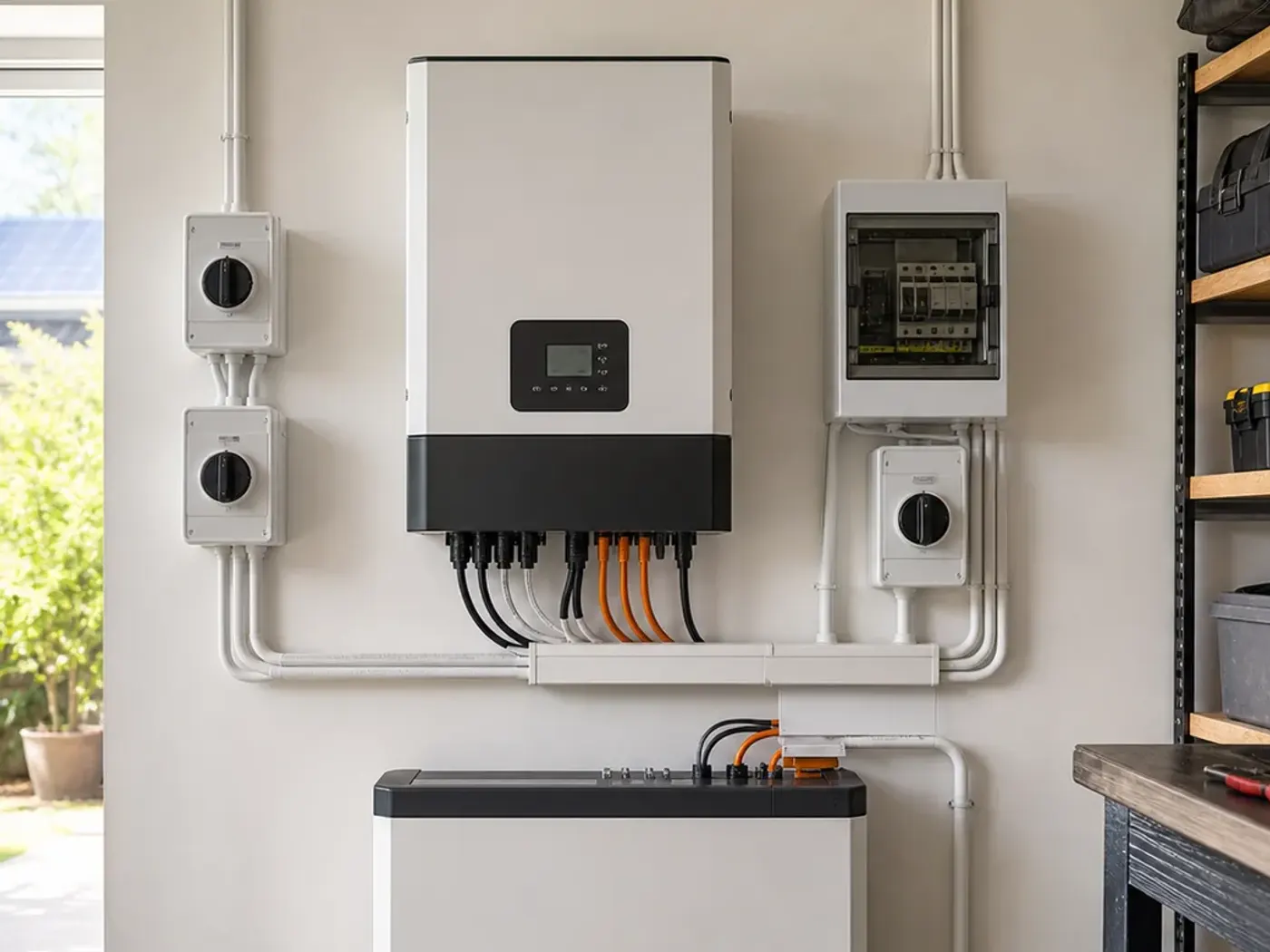
The right inverter and battery pairing matters more than a headline kW or kWh figure. See the models currently listed by SolarGuide, then ask for a quote based on your home and usage.
When people go solar in South Africa, the battery is usually the part they think about most, and understandably so. It's the battery, not the panels, that keeps your lights on when Eskom pulls the plug. Get the size right and load-shedding becomes a non-event you barely notice. Get it wrong and you're sitting in the dark at 8pm wondering where all your stored power went.
The tricky part is that "big enough" is different for every home. A couple who mostly want wifi and lights through a two-hour outage need a fraction of what a family running aircon and an electric stove needs. This guide shows you how to size a battery around your actual usage, so you buy the backup you need and not a cent more.
Key takeaways
Battery size is measured in kilowatt-hours (kWh), which is how much energy you can store and use.
Size it around what you want to run and for how long, not around your whole house.
A modest 3–4 kWh battery covers essentials for a couple of hours; families usually want 5 kWh or more.
High-draw appliances (geyser, stove, aircon) drain batteries fast, so plan around them or keep them off backup.
Panels and battery must be matched: a big battery is useless if your panels can't recharge it each day.
First, understand what a kWh actually buys you
Battery capacity is measured in kilowatt-hours (kWh). One kWh means you can run a 1,000-watt load for one hour, or a 100-watt load for ten hours. That's the whole concept. Energy is power multiplied by time.
To size a battery, you work out how many watts your backed-up appliances draw, then how long you want them to run. Add it up and you have your kWh target.
What everyday appliances draw
Rough rated power to anchor your thinking (our appliance power table has watts and kWh per day for 20 appliances):
LED lights: 5–15 watts each
Wifi router: 10–20 watts
TV: 50–150 watts
Laptop: 40–70 watts
Fridge/freezer: 100–200 watts (but cycles on and off, so averages less)
Microwave: 1,000–1,500 watts drawn (the door shows the lower cooking power)
Kettle: 1,800–2,400 watts
Electric geyser: 2,000–4,000 watts
Aircon: 1,000–2,500 watts
10LED light
15Wifi router
100TV
150Fridge
1000Microwave
2000Kettle
2500 | unit=W | caption=Roughly what common appliances drawGeyser
The pattern is obvious. Lights, wifi, TV and a fridge sip power, while anything that heats (kettle, geyser, stove) gulps it.
Match the battery to what you actually want to run
The smartest way to size is to decide upfront which appliances you want on backup, then build from there.
Tier 1: Just the essentials
Lights, wifi, phone chargers, the fridge and a TV. This is what most people genuinely need to make load-shedding tolerable. This bundle might draw around 300–500 watts on average. A battery of roughly 3–4 kWh comfortably carries that through a typical multi-hour slot, which is exactly what an entry-level system is built for.
Everything above, plus occasional use of a microwave, a few more plugs, maybe a fan or a small load of home-office equipment. Now you want a bit more headroom. A battery in the 5 kWh region gives you that breathing room without stress.
You want aircon running, an electric stove for dinner, and no thought given to what's plugged in. This is a different league. High-draw appliances can flatten even a large battery in under an hour, so this route means multiple batteries stacked together. It's worth asking whether you really need the geyser and stove on backup, or whether gas and a geyser timer solve it more cheaply. If you're not sure where your home lands, get a free quote → and a technician will run the sums with you.
Not sure which system you need?
Get a free, no-obligation quote sized to your home, usage and budget. It only takes a minute.
The two numbers that matter: capacity and backup time
People fixate on capacity (kWh) but forget the equally important question: how long do you actually need to last?
How long is a load-shedding slot?
South African load-shedding is typically scheduled in roughly 2 to 4-hour blocks, sometimes twice a day at higher stages. So your battery doesn't usually need to last all night. It needs to comfortably cover the longest slot you're likely to face, with a margin.
Do the simple maths
Take your average backed-up load in watts, multiply by the hours you want to cover, and divide by 1,000 for kWh. For example: 400 watts of essentials × 4 hours = 1,600 watt-hours = 1.6 kWh. A 3.6 kWh battery covers that with plenty to spare, and still has reserve if the outage runs long or a second slot follows before the sun recharges it.
That margin matters. You never want to run a battery flat to zero every cycle. It's harder on the battery and leaves you no buffer. Sizing with headroom is smart, not wasteful.
Don't forget the panels: the battery has to recharge
Here's a mistake people make: buying a big battery and skimping on panels. A battery only helps if it's full when load-shedding hits. If your panels can't fully recharge it during the day, you'll enter the evening slot half-empty and run short.
The battery and the array are a matched pair. As a rule of thumb, you want enough panel capacity to both run your daytime loads and top the battery back up before sunset. This is exactly why buying a pre-matched package beats bolting random components together. The panels, inverter and battery are engineered to work as a unit. If you're unsure whether your numbers balance, get a free quote → and a technician will size the whole system together.
Capacity is only one comparison point. Our 2026 home battery buyer's guide also checks usable energy, discharge power, inverter compatibility, expansion limits and warranty terms for leading platforms.
Can you expand a battery later?
Yes, and this is one of the best reasons not to over-buy on day one. Most modern hybrid systems let you add battery capacity down the line by stacking additional units, as long as the inverter has the headroom. So a sensible approach is to size for your real essential needs now, live with the system for a season, and add capacity later if you find you want more comfort or the load-shedding stages worsen. Start right-sized, grow if needed.
A quick reality check on running costs
A battery doesn't create energy. It stores what your panels make or what you draw from the grid. If you charge it from cheap daytime solar, that stored power is essentially free. If you're regularly topping it up from Eskom to survive outages, you're paying grid rates plus battery wear. The whole point of pairing the battery with a decent solar array is that the sun does the recharging, which is what makes the sums work over time.
Free tool
How long will your battery last?
Pick a battery size and what you want to keep running.
5.0 kWh
Estimated backup time
12.9 hours
Running about 350 W
Rough estimate at ~90% usable depth. Real runtime depends on the exact appliances and battery. A quote sizes it properly.
It depends on what you want to run. For lights, wifi, a fridge and a TV, a 3–4 kWh battery covers a typical outage. Families wanting more comfort usually want 5 kWh or more. Add high-draw appliances like aircon or an electric stove and you'll need considerably more.
How long will a 5kWh battery last during load-shedding?
Running essentials at around 400–500 watts, a 5 kWh battery could last roughly 8–10 hours, well beyond a normal slot. Add an aircon or kettle and that time drops sharply, because those appliances draw many times more power.
Can I run my geyser and stove on battery backup?
You can, but they're power-hungry and will drain a battery fast, so you'd need substantial capacity. Many South Africans find it cheaper to keep the geyser off backup (using a timer to heat during solar hours) and cook with gas during outages.
Will a bigger battery save me money?
Only if you can keep it charged from solar and actually use the stored energy. An oversized battery that never fully cycles is money sitting idle. Right-sizing to your real usage, with sensible headroom, is the efficient choice.
Who works out the right battery for my home?
A qualified installer, based on your usage and goals. SolarGuide is an independent referral partner. Alumo supplies, installs, finances and warrants the systems. We help you compare options and get a free quote; pricing is indicative and subject to a site assessment and credit approval.
SolarGuide is an independent referral partner. We help you compare options and arrange a free quote — Alumo supplies, installs, finances and warrants the systems. Pricing is indicative, sourced from Alumo’s published catalogue, and subject to a site assessment and credit approval.