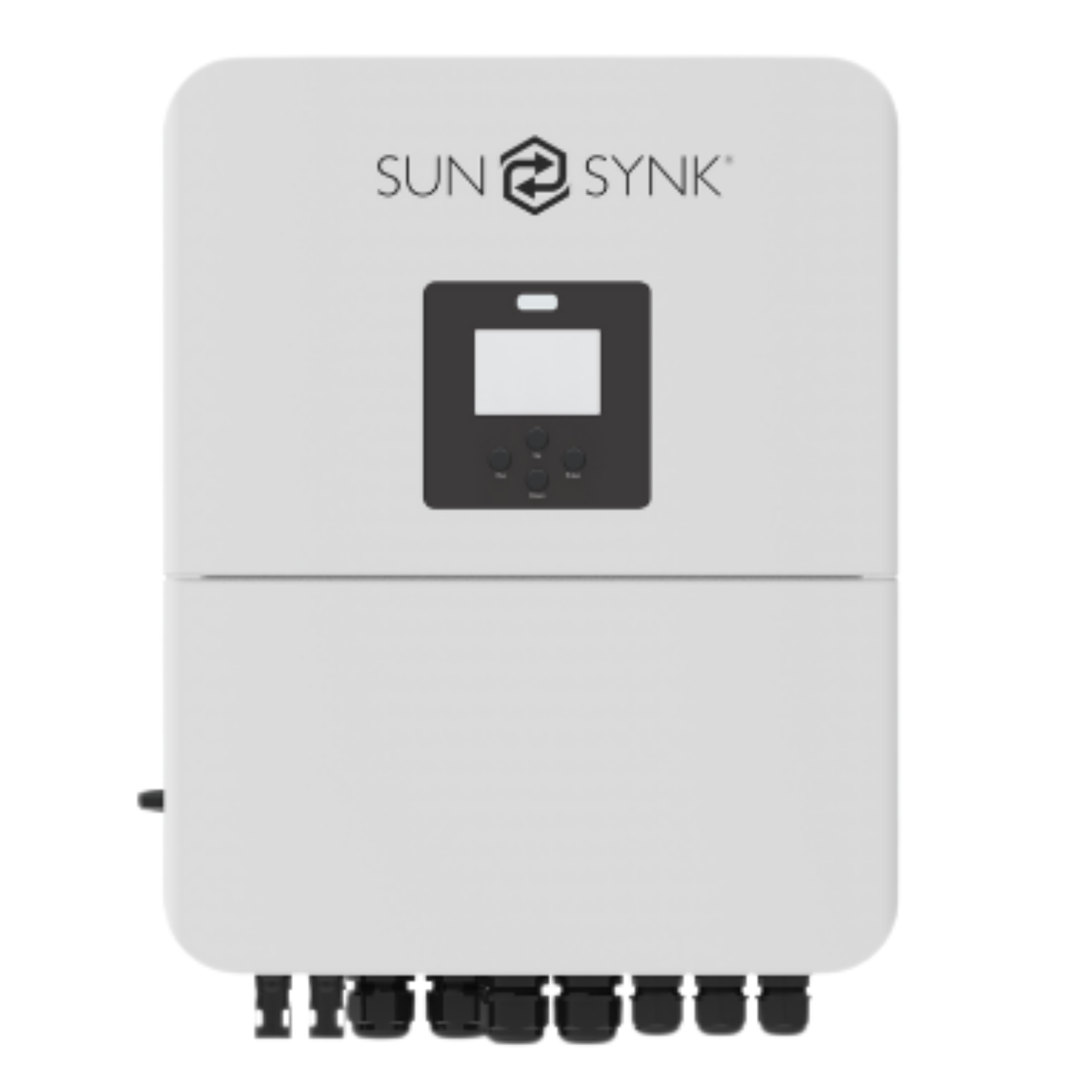
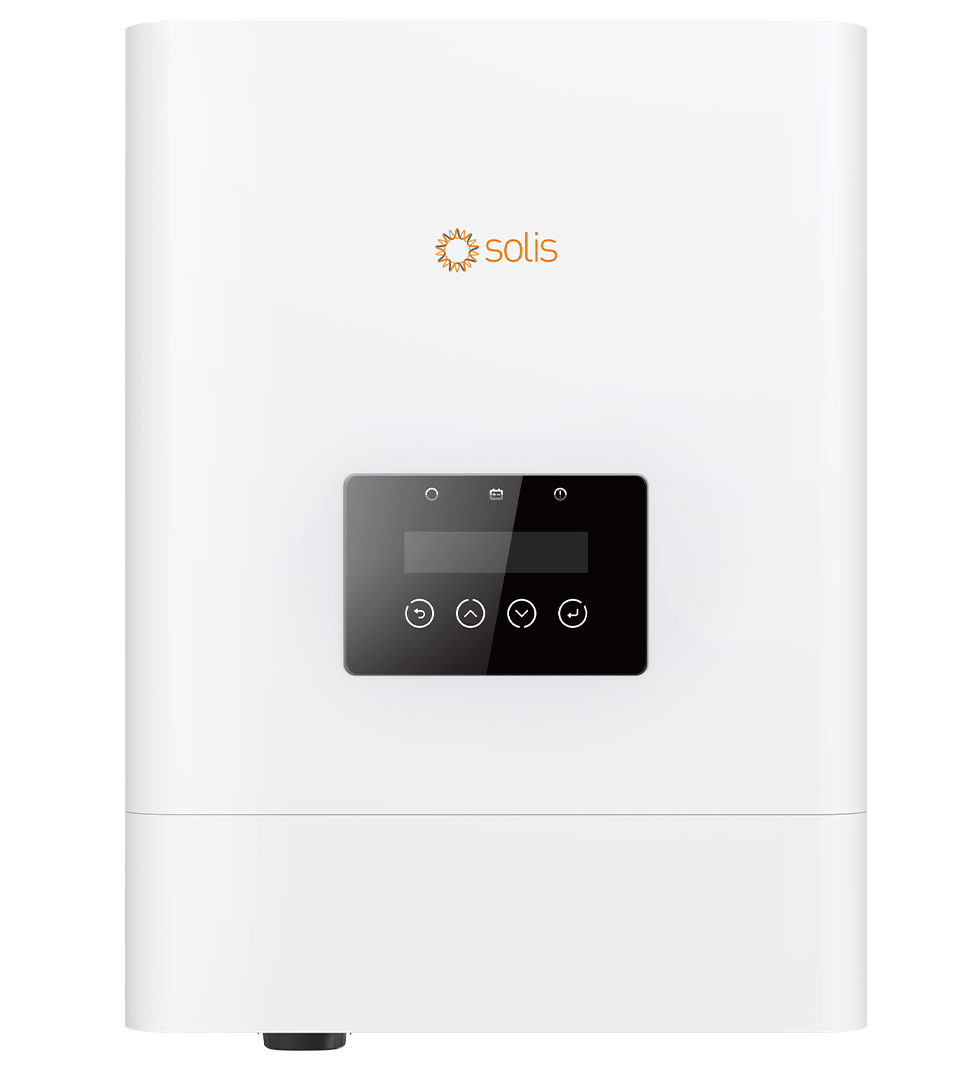
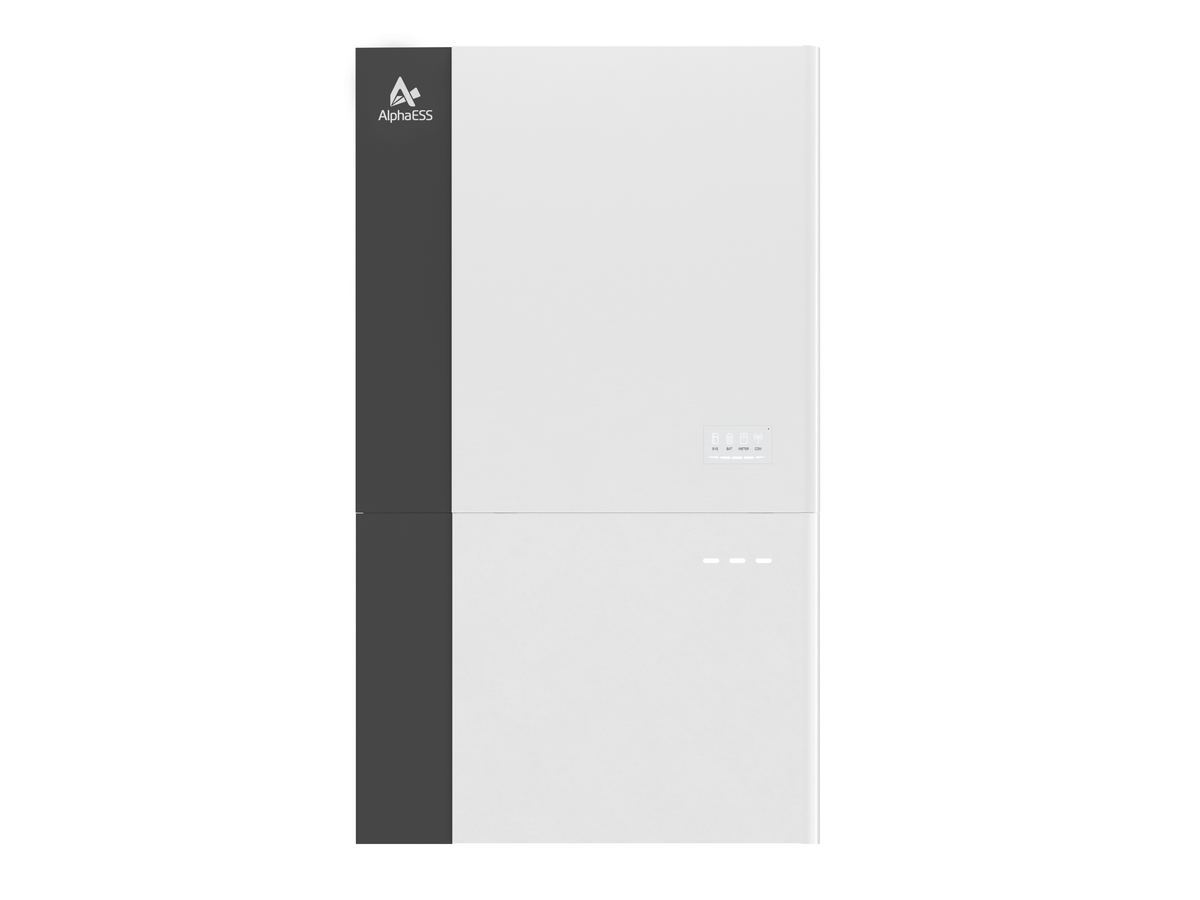
The right inverter and battery pairing matters more than a headline kW or kWh figure. See the models currently listed by SolarGuide, then ask for a quote based on your home and usage.
South Africa has gone more than 500 days without national load-shedding. In its 16 October 2026 update, Eskom counted 518 consecutive days since 16 May 2025. Yet in parts of Gauteng and KwaZulu-Natal, the lights still go off around breakfast and supper time. That is usually load reduction, a separate, local measure that has nothing to do with whether the country has enough power.
If your area is one of them, or you lose power for other reasons such as cable theft or a blown transformer, this guide explains what is going on, how to check, and how much backup you actually need for outages of two to four hours. It also covers the bigger picture. With load-shedding paused, backup is a useful extra. The main financial case for solar now is rising electricity tariffs.
Key takeaways
Load-shedding is national rationing when Eskom can't generate enough power. Load reduction is a local cut that protects overloaded transformers, mainly in areas with illegal connections and meter tampering.
On 16 October 2026, Eskom said load reduction affected 193,556 customers, 2.7% of its customer base, in Gauteng and KwaZulu-Natal only. Eskom's target is to end it by March 2027.
Load reduction tends to fall in the morning and evening peaks. Faults and cable theft are unpredictable and can last much longer.
For two to four hours of essentials such as lights, Wi-Fi, TV and the fridge, a 5kWh-class battery is usually ample, provided it can recharge between outages.
With load-shedding paused, a battery on its own doesn't cut your bill. Solar panels do, so think of backup as the extra, not the reason to buy.
Load reduction and load-shedding are not the same thing
Eskom's own definitions, from its July 2024 statement on load reduction, draw the line clearly. Load-shedding is used "when the national grid is constrained and there is not sufficient capacity to generate electricity to meet demand". Load reduction is used "in specific areas when there is sufficient electricity available, but a transformer's integrity is at risk due to overloading".
Load-shedding
Load reduction
Why it happens
Not enough generating capacity nationally
A local transformer or network is overloaded
Main cause
Power station breakdowns and supply shortfalls
Illegal connections, meter tampering, theft and very high local demand
Where
National, by stage, across Eskom and municipal areas
Specific high-risk areas and feeders
When
Any time, by published stage schedule
Mainly around the morning and evening peaks
Status in October 2026
Suspended since 16 May 2025
Continuing in parts of Gauteng and KwaZulu-Natal
The difference matters to you. Load-shedding stages say nothing about your local network, and a zero-stage day doesn't mean your street is safe from a load-reduction cut.
Where load reduction stands in October 2026
Eskom has been running a Load Reduction Eradication Programme and reports progress in its weekly system updates. According to the 16 October 2026 statement:
193,556 customers were still affected, 2.7% of Eskom's 7.2 million customers;
that is down 88.6% from the 1.69 million customers originally affected;
only Gauteng and KwaZulu-Natal still had load reduction;
600 of the 971 targeted feeders had been removed from load reduction; and
Eskom's stated target is to eradicate load reduction by March 2027.
These figures cover Eskom's own customers, the households Eskom bills directly. If your municipality supplies your electricity, check its notices as well. Its network faults and maintenance cuts are separate from Eskom's load reduction figures.
Why Eskom cuts power to some areas
The short answer is to protect transformers, and the people living near them. Eskom's July 2024 statement blames the overloading on "illegal connections, network equipment theft, vandalism, meter bypasses and tampering". It describes overloaded transformers as "a serious risk to human life" and warns that a transformer damaged by overloading can leave an area without power for up to six months.
The same statement says overloading is recorded mainly around 05:00 to 07:00 in the morning and 17:00 to 19:00 in the evening, when everyone is cooking, heating water and getting ready. That is why load reduction tends to fall at those times. Eskom's October 2026 statements describe it as "a temporary, targeted measure in high-risk areas".
This is frustrating if you pay your account and your meter is legal. You may be cut because the transformer you share is overloaded. Eskom asks people to report illegal connections and damaged infrastructure to its Crime Line on 0800 112 722 or by WhatsApp on 081 333 3323.
How to find out if your area is affected
Check who supplies you. Your electricity bill or prepaid token supplier shows whether you are an Eskom direct customer or a municipal one. Eskom's load reduction applies to Eskom-supplied areas.
Watch for Eskom's messages. Eskom says affected customers are told through its normal channels, including SMS and Customer Connect newsletters from the relevant province or cluster. Make sure the cellphone number on your Eskom account is current.
Read Eskom's weekly updates. The Eskom media statements report which provinces are still affected and how many feeders have been cleared.
Use an outage app as a second check. Independent apps such as EskomSePush show load-shedding schedules and, for many areas, load-reduction notices. They are useful for alerts, but Eskom's own communication is the authority. SolarGuide has no connection with any outage app.
Ask your neighbours or residents' group. If the power goes off at the same peak times on most weekdays while load-shedding is suspended, load reduction is the likely cause.
Other reasons the lights still go out
Even where load reduction has ended, power can still fail, and these outages are less predictable:
Cable and equipment theft, which can take days to repair;
transformer and substation faults, especially after storms or heat waves;
planned maintenance by Eskom or your municipality; and
local network problems on municipal grids.
This changes how you plan. Load reduction is roughly predictable: a couple of hours around the peaks. A fault can last a whole evening or longer. If your outages come mostly from faults or theft, plan for more than one short outage and think about how the battery will recharge.
How much backup do you need for two to four hours?
Start with what you want to keep on, not the size of the inverter. A typical essentials list looks like this:
Load
Typical draw
Wi-Fi router and fibre box (ONT)
about 15W
Six LED lights
about 50W
TV and decoder
about 100W
Fridge-freezer (average over time)
about 35W to 100W
Laptop charging
about 60W
Total
about 260W to 330W
Wattages are typical figures from our appliance power table. Your own appliances' labels are the better source.
The sum is hours × watts ÷ 1,000 = kWh, plus about 10% to 15% for inverter losses (our planning allowance).
Two hours at 300W is 0.6kWh, about 0.7kWh with losses.
Four hours at 300W is 1.2kWh, about 1.4kWh with losses.
Four hours at 600W, adding a second TV, more lights and a desktop computer, is 2.4kWh, about 2.8kWh with losses.
Load reduction often hits twice in one day, morning and evening. If the grid recharges the battery in between, a battery with about 4kWh usable covers both outages for most essentials-only homes, with room to spare. If you also want the battery to see you through a long fault, aim higher.
Matching the option to the outage
Only Wi-Fi matters: a small DC router UPS that powers the router and fibre box directly. Our guide to keeping Wi-Fi, gates and security on covers these.
A few appliances, no installation: a portable power station of 1kWh to 2kWh usable runs a TV, lights on extension leads and Wi-Fi for a couple of hours. Our UPS vs inverter vs portable power station guide compares the three.
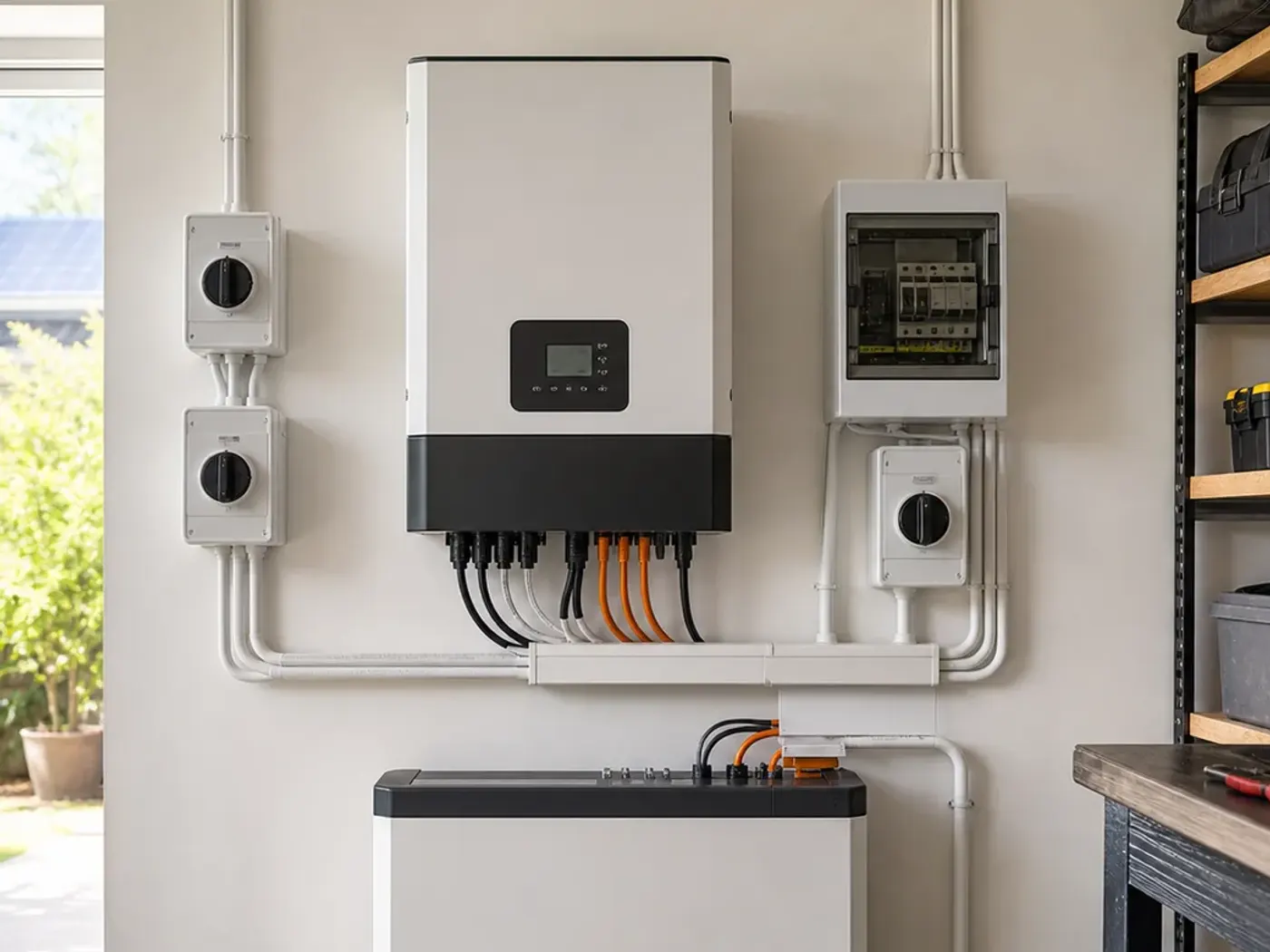
The whole house carries on automatically: an installed inverter and battery, wired into selected circuits by a registered electrician. A 5kWh-class battery is the common starting point. Our battery sizing guide goes further.
For an installed example, Alumo's battery-only rent-to-own package pairs a Solis 5kW inverter with an Eenovance 5.32kWh battery, and Alumo lists 80% of that as usable, about 4.26kWh. At a 300W essentials load, that is roughly 14 hours before losses. That covers a morning and an evening load-reduction outage on the same day, with margin, as long as the battery recharges in between. Try your own loads in the calculator below, or use the full battery backup runtime calculator.
Free tool
How long will your battery last?
Pick a battery size and what you want to keep running.
5.0 kWh
Estimated backup time
12.9 hours
Running about 350 W
Rough estimate at ~90% usable depth. Real runtime depends on the exact appliances and battery. A quote sizes it properly.
Keep the geyser, kettle, oven and heaters off the backed-up circuits. Each can draw 2kW or more, which empties a small battery fast and can overload a 5kW inverter when several run at once.
With load-shedding paused, what is the case for solar?
Be honest with yourself about why you are buying. If your only problem is a couple of hours of load reduction around the peaks, a battery backup system solves it. That system charges from the grid, so it doesn't reduce your electricity bill.
The stronger case for solar in 2026 is cost. Electricity tariffs have risen far faster than inflation for years, and you can see each approved Eskom increase and its compounding effect. Solar panels with a hybrid inverter cut what you buy from the grid every sunny day, and the same battery still keeps the essentials on when the power fails. Our guide to whether solar is worth it in 2026 works through that decision. In short, tariffs carry the financial case, and backup is a useful extra.
A practical middle path is to start with an inverter and battery that can take panels later, so a backup purchase today doesn't block a solar upgrade. Our comparison of battery backup and full solar explains the trade-offs.
Not sure which system you need?
Get a free, no-obligation quote sized to your home, usage and budget. It only takes a minute.
If your area still has load reduction, or faults keep cutting your supply, a quote should start with your essential loads and how long your outages last. Size backup around the appliances you need →
Frequently asked questions
Is load-shedding back in South Africa?
Not as of 20 October 2026. Eskom's 16 October 2026 update recorded 518 consecutive days without load-shedding since 16 May 2025. Local load reduction continues in parts of Gauteng and KwaZulu-Natal, and faults and cable theft still cause outages.
Where can I find the load reduction schedule for my area?
Eskom says it notifies affected customers through its provincial or cluster channels, including SMS and Customer Connect newsletters, so keep your contact details up to date. Its weekly media statements show which provinces are still affected. Outage apps can add alerts, but treat Eskom's own messages as the authority.
Why does my area have load reduction when others don't?
Eskom applies it where transformers are overloaded, mostly because of illegal connections, meter tampering and theft. It is applied to the feeder supplying an area, so paying customers on an overloaded network can be cut too. Eskom asks people to report illegal connections on 0800 112 722 or WhatsApp 081 333 3323.
What size battery do I need for a two to four hour outage?
For essentials such as Wi-Fi, LED lights, a TV and the fridge, around 300W in total, four hours needs about 1.4kWh including losses. A 5kWh-class battery covers that comfortably, including two outages a day if it recharges in between. Heavy loads such as geysers and kettles need a much bigger system, or should stay off backup.
Is SolarGuide the installer?
No. SolarGuide is an independent referral partner. Alumo supplies, installs, finances and warrants the systems. We help you compare options and get a free quote. All pricing is indicative and subject to a site assessment and credit approval.
Sources and review note
Checked on 20 October 2026. Load-shedding and load reduction figures come from Eskom's media statements of 16 October 2026, 2 October 2026 and July 2026. Definitions, peak times, causes, the transformer-damage warning and customer notification channels come from Eskom's July 2024 load reduction statement. Alumo's battery-only package specification comes from our current package data. Appliance wattages are typical values, and the energy and runtime figures are SolarGuide calculations, not product tests. Eskom had not published its 2026/27 summer outlook when we checked. Check Eskom's media statements for the latest position.
SolarGuide is an independent referral partner. We help you compare options and arrange a free quote — Alumo supplies, installs, finances and warrants the systems. Pricing is indicative, sourced from Alumo’s published catalogue, and subject to a site assessment and credit approval.