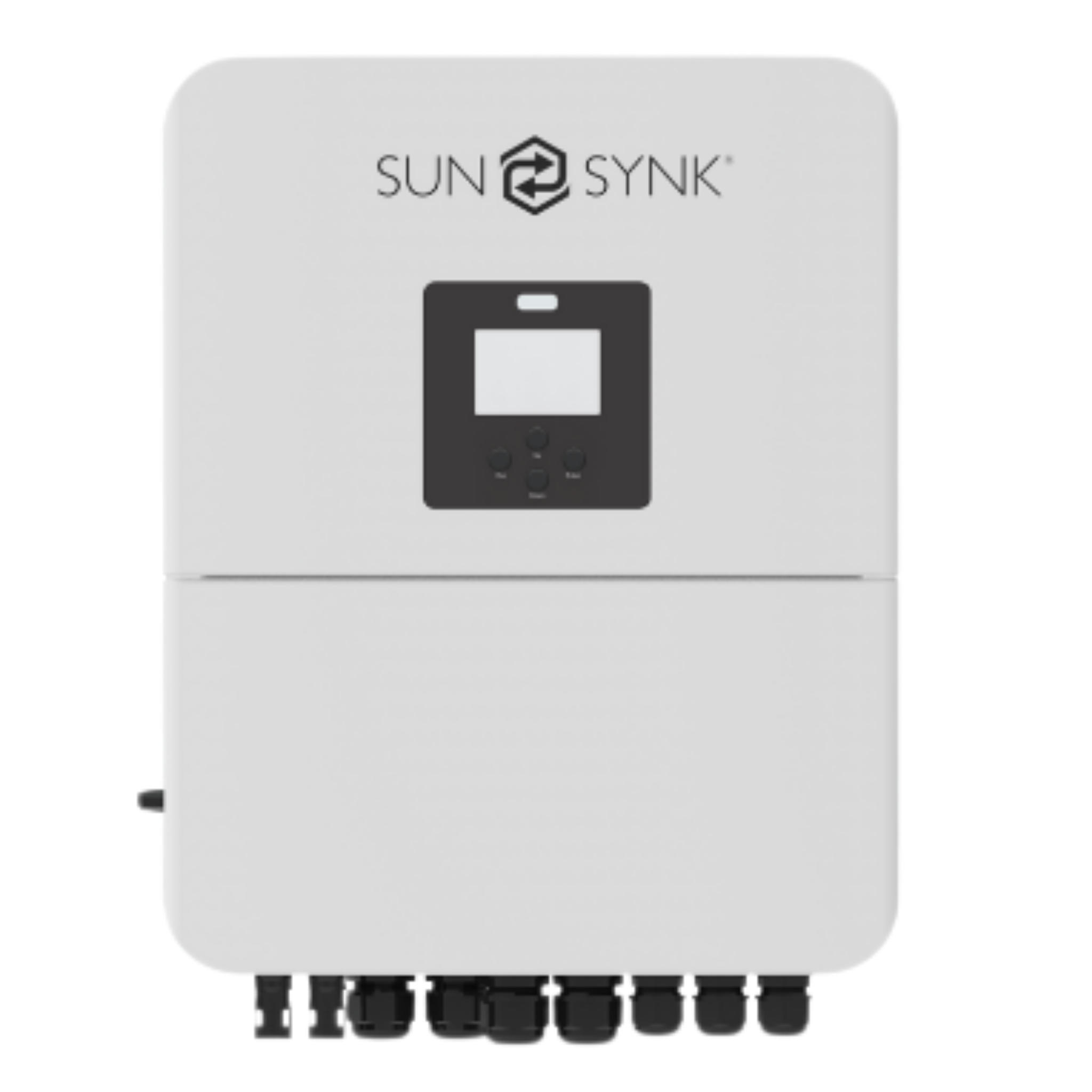
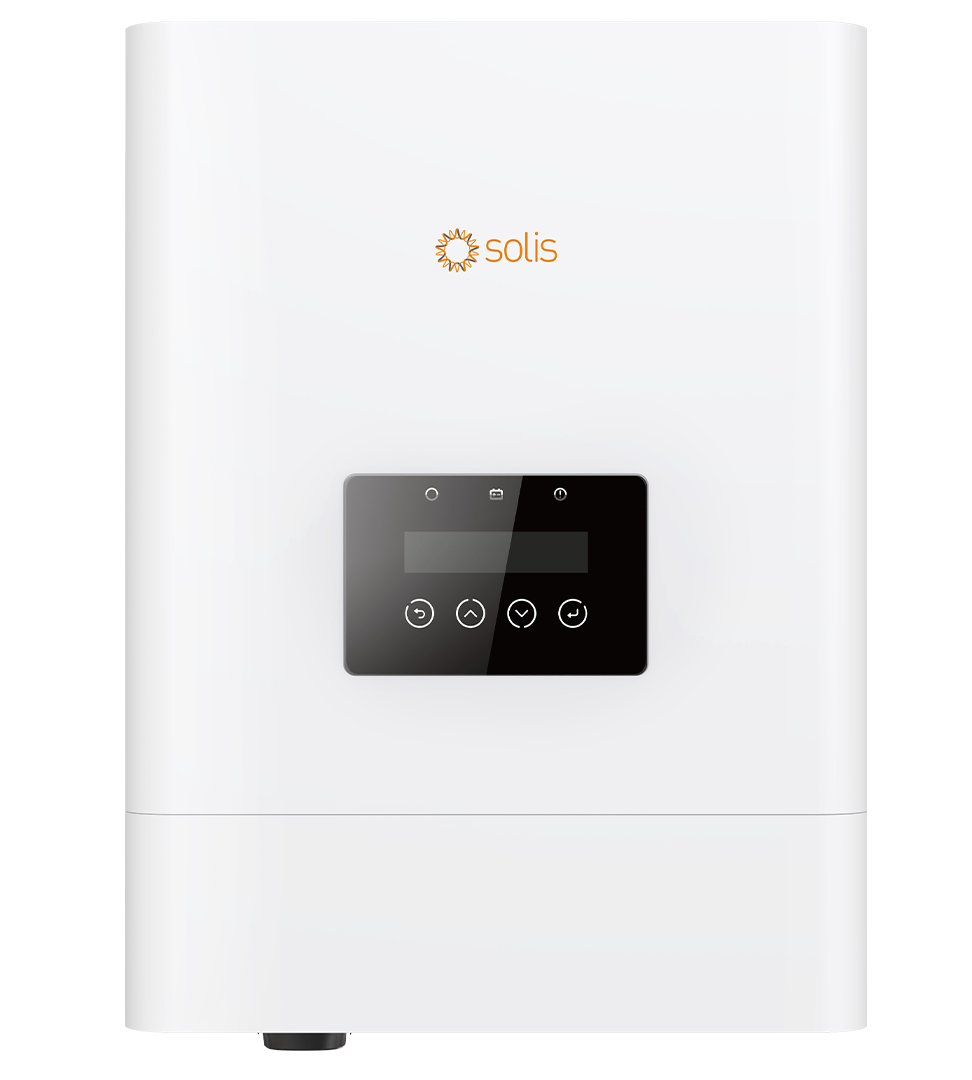
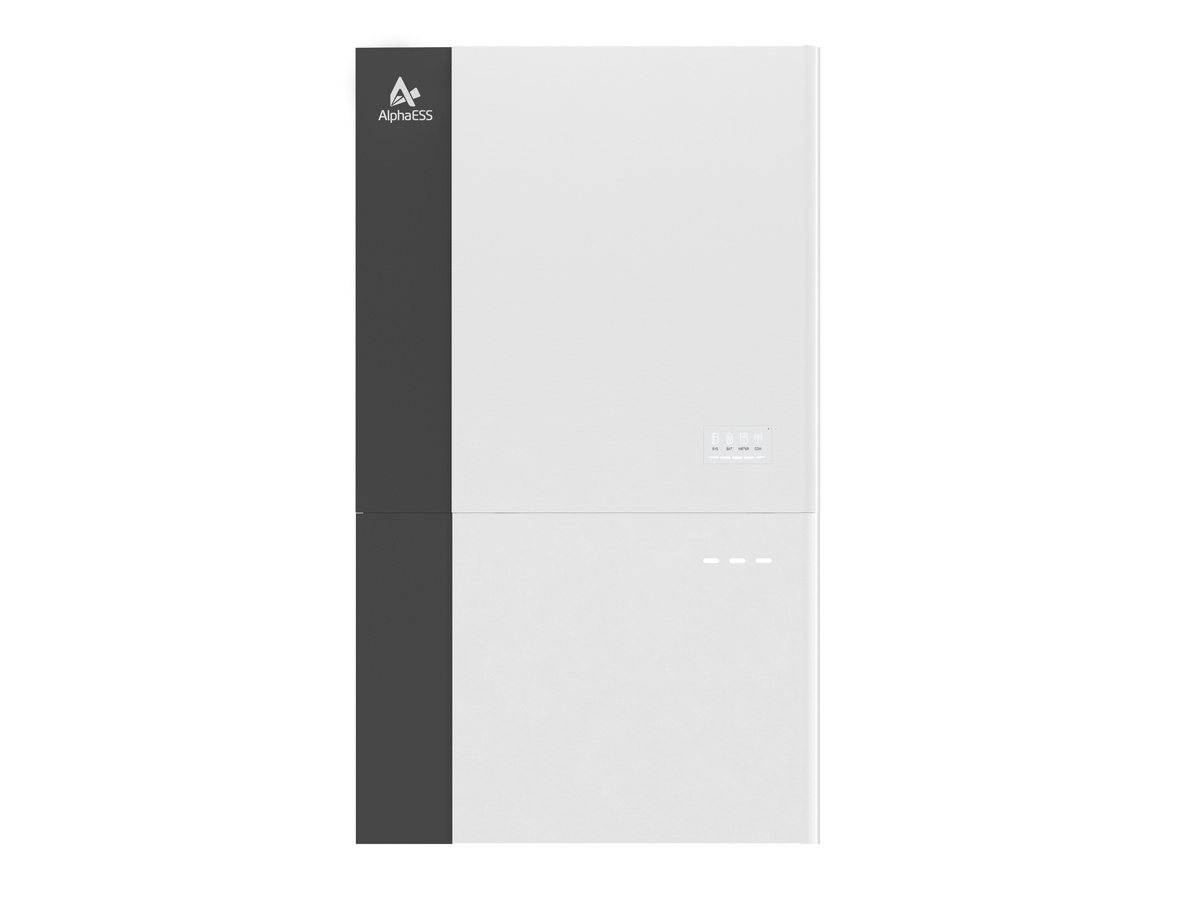
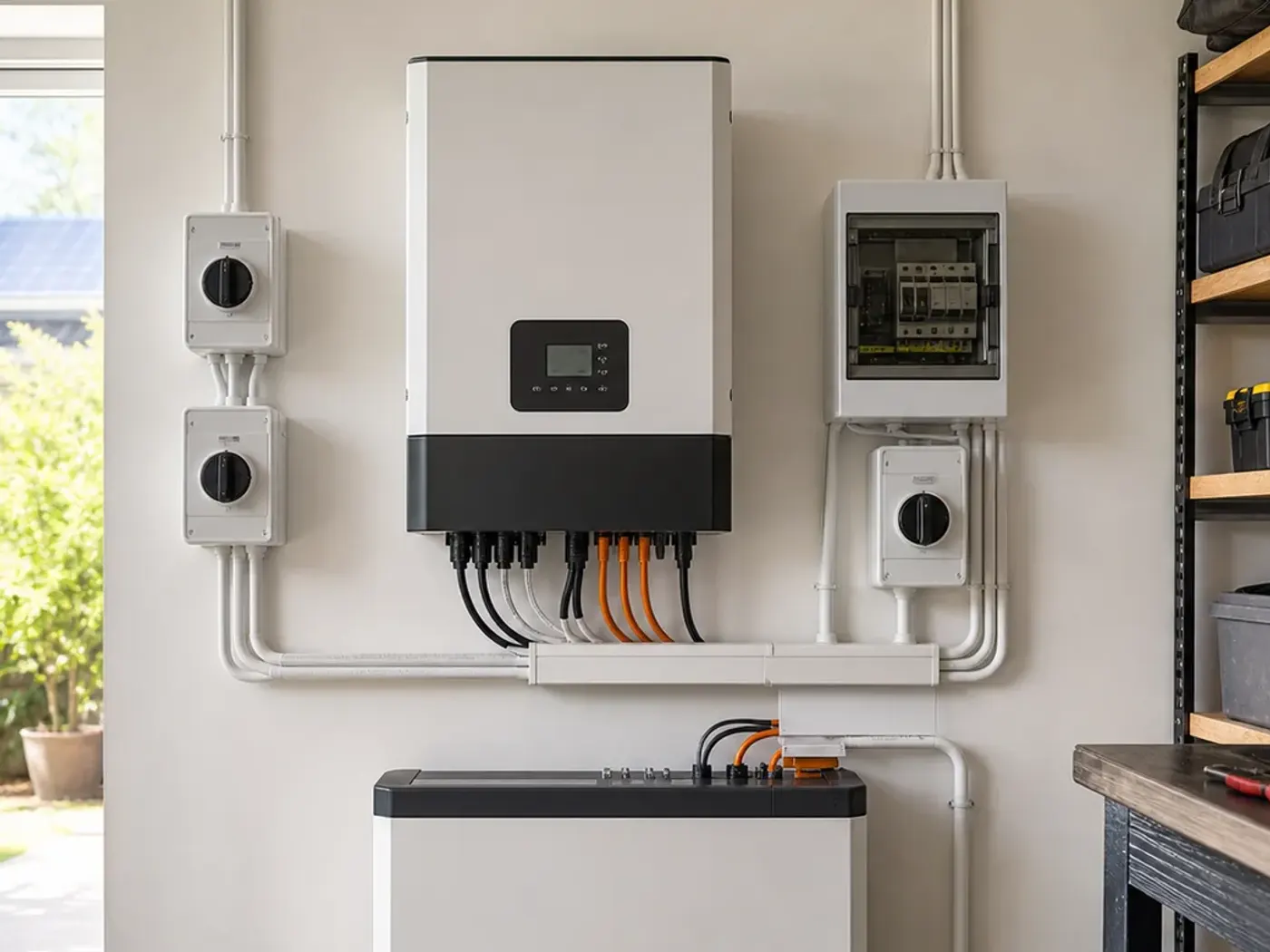
The right inverter and battery pairing matters more than a headline kW or kWh figure. See the models currently listed by SolarGuide, then ask for a quote based on your home and usage.
Stage 6 is the level that turns load-shedding from an inconvenience into a real disruption. At Stage 6, Eskom sheds around 6,000MW, and most South African neighbourhoods face outages in roughly two-hour blocks, several times a day, often adding up to six hours or more without power in a 24-hour cycle. That's the scenario that has people asking the real question: not "does solar work?" but "will solar actually carry me through the worst of it?"
The honest answer is yes, but only if the system is sized and configured for it. A small backup kit that coasts through Stage 2 can run dry at Stage 6, when outages stack up faster than the sun can refill the battery. Understanding why is the key to getting it right, so let's break down how solar behaves when the schedule turns brutal.
Key takeaways
Stage 6 typically means up to six hours of outages a day, often in overlapping two-hour blocks morning, afternoon and night.
Solar handles Stage 6 well because panels recharge your battery during daytime outages, which a battery-only system can't do.
The make-or-break factor is battery capacity versus your evening load, plus enough panels to recover between outage slots.
Alumo's current solar-plus-battery rent-to-own range uses a Solis 5kW inverter and Eenovance 5.32kWh battery: Watt-a-Deal has three 615W panels from R1,418/month, The Big Watt has four from R1,487/month, and The Power Bae has six from R1,626/month on a seven-year term. Three- and five-year prices, solar-only configurations and battery-only pricing are available on our current package comparison.
6,000MW
shed at Stage 6
~6 hours
of outages a day
5.32kWh
battery for the evening
What Stage 6 actually looks like at home
Under the National Rationing Framework, each stage removes a set amount of load from the grid, and your local municipality's schedule decides when your area goes dark. At Stage 6 most households see multiple outages per day. A typical pattern might be a slot in the early morning, another in the afternoon, and one in the evening, each around two to four hours.
The two moments that stress a backup system most are the evening block and back-to-back slots. In the evening, everyone's home, the lights are on, dinner is happening and the battery has to carry the heaviest load of the day with no sun to help. And when two outage slots fall close together with little grid time between them, your battery may not fully recharge before the next round begins. This is precisely where undersized systems fail, and where solar's daytime charging earns its place.
Why solar beats a battery-only system at Stage 6
A plain inverter-battery trolley has one job: store grid power, then hand it back. That works fine when the grid is on long enough between outages to refill the battery. But at Stage 6, grid time shrinks. If you get shed in the morning and the afternoon, a battery-only system may never fully recover during the day, so it limps into the evening block half-empty.
Solar changes the equation completely. Your panels charge the battery from sunlight, which means daytime outages cost you almost nothing: the sun is refilling your reserve even while Eskom is off. By late afternoon a well-sized array has topped the battery back up, so you head into the evening outage with a full tank. That daytime recovery is the difference between a system that survives Stage 6 and one that leaves you in the dark at 20:00.
Not sure which system you need?
Get a free, no-obligation quote sized to your home, usage and budget. It only takes a minute.
Getting through Stage 6 comes down to two questions.
1. Is the battery big enough for the evening?
Your evening outage is the tough one: no sun, peak usage. If your essentials draw, say, around 500-700W continuously (lights, Wi-Fi, TV, fridge, chargers), a battery in the 5kWh range comfortably covers a two-to-four-hour evening block with margin to spare. Push in heavier appliances and you'll want more storage. This is why The Power Bae, with its 5.32kWh battery and six panels, is the natural Stage 6 choice for a family home.
2. Are there enough panels to recover between slots?
Battery size gets you through one outage; panel capacity gets you ready for the next one. At Stage 6 you need enough solar generation during the day to refill what the morning and afternoon outages drained, so you're full again by evening. A six-panel array like The Power Bae's is designed to do exactly that in good conditions. Fewer panels can still work, but recovery is slower, and a run of overcast winter days will test the margin.
Habits that stretch a system through the worst days
Even a well-sized system rewards a bit of smart behaviour during a heavy Stage 6 week:
Do the heavy stuff while the grid is on. Run the washing machine, dishwasher, dryer and oven during grid time, not on battery. Save the reserve for essentials.
Boil and cook with gas during outages. A kettle or stove plate can drain more in ten minutes than your lights use all evening.
Precharge before the evening slot. If your afternoon has grid time, let the battery and solar top up fully before the night block hits.
Mind the geyser. A standard geyser is one of the biggest loads in any home. Keep it off battery, and a timer or heat-pump upgrade pays off during heavy load-shedding.
None of this is hardship. It's just spending your stored energy where it matters. Done consistently, it can turn a system that "just about" copes into one that sails through. Get a free quote → if you want that sizing worked out for your own schedule.
Winter and cloudy runs: the honest caveat
Solar's one genuine limitation is a long stretch of thick, overcast weather, which cuts how much your panels generate. Cape Town's winter fronts or a grey Highveld week will slow your daytime recovery. A good system handles this gracefully: on days when the panels underperform, the inverter tops the battery up from the grid whenever Eskom is on, so you still head into each outage with reserves. You're never solely dependent on the sun. Solar does the heavy lifting whenever it's available, and the grid fills the gaps.
The takeaway is that Stage 6 is very much survivable with solar. You simply need a system sized for the worst days, not the average ones. Undersize it to save a few rand up front and you'll feel it on the evening the schedule doubles up.
Getting the sizing right for your home
The safest way to know your home will make it through Stage 6 is a proper load assessment, matching battery and panel capacity to your real essentials and your area's schedule. That's what a specialist does before recommending a tier, so you're neither underpowered nor overpaying.
Free tool
How long will your battery last?
Pick a battery size and what you want to keep running.
5.0 kWh
Estimated backup time
12.9 hours
Running about 350 W
Rough estimate at ~90% usable depth. Real runtime depends on the exact appliances and battery. A quote sizes it properly.
Get a free quote → and have a system sized specifically to carry your household through the heaviest stages, evening blocks and back-to-back slots included.
Frequently asked questions
How many hours is Stage 6 load-shedding?
At Stage 6, most areas experience outages totalling around six hours a day, usually split into two-to-four-hour blocks that can fall in the morning, afternoon and evening. Exact timing depends on your municipality's published schedule, so check your local block.
Will my solar battery last through Stage 6?
It will if it's sized for your evening load, which is the hardest slot. For a home running essentials, a battery around 5kWh comfortably covers a typical evening outage. The advantage of solar over a battery-only system is that daytime outages are covered by the panels, so your battery is full again before nightfall.
What happens during back-to-back outages?
Back-to-back slots are the real test because there's little grid time to recharge. This is exactly where solar helps: your panels refill the battery during daytime outages, so you're not relying on short bursts of grid power. Enough panel capacity to recover between slots is as important as battery size.
Does cloudy or winter weather stop solar from working at Stage 6?
It slows daytime recharging but doesn't stop it. A good system automatically tops the battery up from the grid whenever Eskom is on, so even during a grey week you head into each outage with reserves. Solar does the heavy lifting when the sun is out and the grid covers the shortfall when it isn't.
Is SolarGuide the company that installs and warrants the system?
No. SolarGuide is an independent referral partner. Alumo supplies, installs, finances and warrants the systems. We help you compare options and get a free quote. All pricing is indicative and subject to a site assessment and credit approval.
SolarGuide is an independent referral partner. We help you compare options and arrange a free quote — Alumo supplies, installs, finances and warrants the systems. Pricing is indicative, sourced from Alumo’s published catalogue, and subject to a site assessment and credit approval.