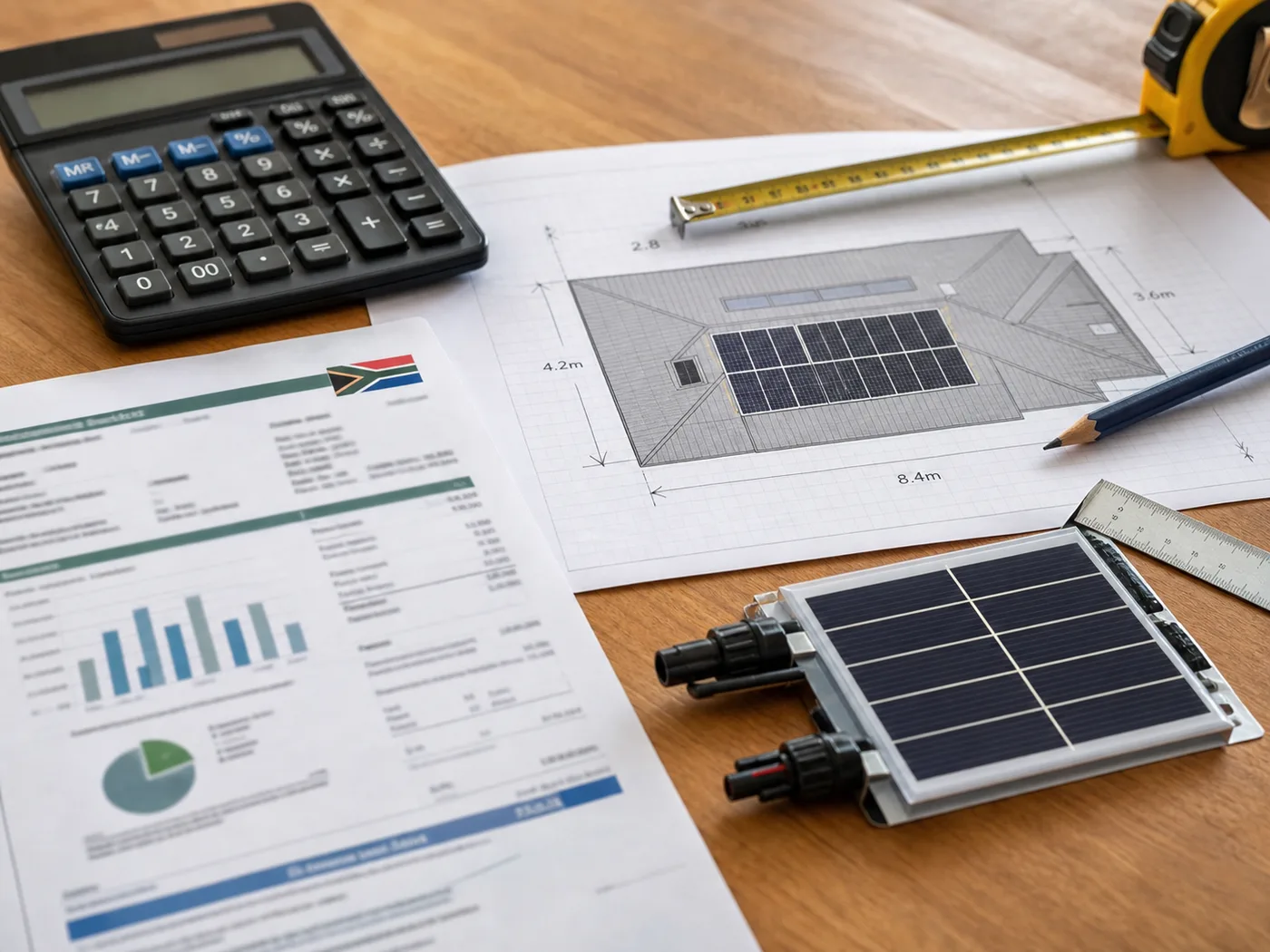
The same system can look very different as an outright purchase, rent-to-own plan or subscription. Compare the published package structures before you request a tailored quote.
It's a fair question to ask in 2026. Load-shedding has come and gone in waves, solar prices have shifted, and everyone knows someone who's either thrilled with their system or grumbling about theirs. So is putting panels on your roof still a smart move this year, or has the moment passed?
The short answer is that for most South African homes, solar makes more sense now than ever — but not for the reason people first assumed. The story has quietly moved on from "keep the lights on during load-shedding" to something more durable: protection against relentlessly rising electricity prices. Let's look at it honestly, including where solar might not be worth it for you.
Key takeaways
Solar's biggest 2026 benefit isn't load-shedding — it's a hedge against ever-rising Eskom tariffs.
Financing options mean you can often start solar for less per month than your current bill.
It's most worth it for medium-to-high electricity users who own their homes.
It's least worth it for very low users or those planning to move within a year or two.
The equipment, warranties and installation come from Alumo; we help you compare and get a quote.
The case for solar in 2026
The reasons to buy have shifted. The early rush was panic-buying to escape blackouts. The 2026 argument is calmer and, frankly, stronger. Here's what actually makes it worth it now.
Electricity prices keep climbing
This is the heart of it. South African electricity tariffs have risen steeply and repeatedly, well ahead of general inflation, for years — and nothing on the horizon suggests that reversing. You can see every approved increase and its compounding effect set out with the NERSA decision behind each one. Every year you stay fully on the grid, you pay more for the same power.
Solar flips that. Once installed, the sunshine hitting your roof is free, and your cost of that power is essentially locked in. While your neighbours absorb each new tariff hike, your solar-covered usage barely moves. Over a decade of increases, that gap becomes enormous. In 2026, solar is less about blackouts and more about buying yourself out of a rising cost you otherwise can't escape.
Load-shedding hasn't gone away
Even in quieter periods, the risk of load-shedding returning at short notice is baked into South African life. A hybrid solar system with a battery means outages simply stop affecting you — the lights, wifi and fridge carry on without a flicker. That reliability has real value, both practical and in peace of mind, and it doesn't disappear when the grid behaves for a few months.
Financing has made entry easier
You no longer need a big lump sum. Rent-to-own, subscription and extended finance plans can lower the upfront barrier. A monthly payment that resembles your electricity bill is not proof of a saving, though. Compare the remaining grid bill, escalation, service cover and total contract cost. Our guide to how a solar subscription works explains what sits behind the advertised monthly price.
Not sure which system you need?
Get a free, no-obligation quote sized to your home, usage and budget. It only takes a minute.
What solar costs in 2026 — and how people pay for it
Cost is where "worth it" gets real. The encouraging news is how many ways there are to get in.
Outright purchase
Alumo currently describes outright systems as bespoke and confirms the cash purchase price after assessing the property and energy use. Rental buyout and cash-equivalent figures should not be treated as a current outright quote.
Rent-to-own spreads payments over a defined term and transfers ownership only under the contract's conditions. Alumo currently advertises 3, 5 and 7-year routes from R1,418 a month. Its public entry example also lists 6.5% annual escalation and a final buyout, so compare the scheduled total with the cash price.
Alumo's subscription currently starts at R1,299 a month and advertises cancellation after 24 months. Other providers use different escalation, notice and removal terms. Our solar finance comparison covers cash, bank lending, rent-to-own and subscriptions using total cost and ownership rather than the first payment.
1299Subscription entry
1418 | unit=R | caption=Advertised Alumo starting payments checked 20 September 2026. Systems and contract terms differ.Rent-to-own entry
Who solar is most worth it for
Solar isn't equally worth it for everyone. Be honest about which group you're in.
Best fit: medium-to-high users who own their home
If you own your home, expect to stay for years and use a meaningful amount of daytime electricity, solar may produce a reasonable return. The answer still depends on system price, self-consumption, tariff and funding. Use our South African solar payback method to test the quote. Get a free quote → for the inputs from your own roof and bill.
Good fit: load-shedding-weary families
Even if your bill is moderate, if the disruption of outages genuinely affects your work, your kids' routines or your food in the fridge, a right-sized hybrid system pays back in convenience and reliability as much as rands. For many families that alone makes it worth it.
Where it's less worth it
Solar may not stack up if you're a very low electricity user — your savings would be small relative to the cost. It's also a harder sell if you're planning to move within a year or two, though a paid-off system can lift resale value. And if you rent, you'd need your landlord on board. None of these are absolute no's, but they're worth weighing honestly.
Beyond the rands: the softer benefits
Some of solar's value doesn't fit neatly in a spreadsheet. There's the independence of not being at Eskom's mercy. There's the resale appeal of a home with backup power built in, which more buyers now look for. There's the environmental upside of cleaner energy. And there's the simple, underrated pleasure of watching an app show your home running on free sunshine while the street around you sits in the dark. These aren't the reason to buy solar, but they're a genuine part of why owners rarely regret it.
Not sure which side of the line your home falls on? Get a free quote → and you'll get a straight answer based on your actual usage, not a sales pitch.
So, is it worth it?
For most South African homeowners in 2026, yes — provided you buy a right-sized system and match the financing to your situation. The combination of relentless tariff increases, the lingering threat of load-shedding, and genuinely accessible finance makes the case stronger than it's been. The honest caveat is that it's not universal: very low users and short-term occupants should think twice. But if you own your home, use a fair amount of power, and plan to stay, going solar this year is one of the more sensible financial moves available to you.
Free planning tool
Solar finance and payback calculator
Compare cash payback with a financed system, using your own bill, tariff and assumptions.
R 2 500
R 110 000
70%
Payment route
Cash payback
5.2 years
20-year net saving
R 851 001
Year-one saving
R 1 750/mo
Estimated array
4.4 kW
About 8 × 550 W panels
Roughly 23.3 m² of usable roof
Indicative scenario only. It excludes finance fees, tax effects, maintenance, export credits and site-specific generation. The assumptions are visible below so the result can be challenged instead of treated as a quote.
For most homeowners, yes. The main driver now is protection against ever-rising electricity tariffs, with load-shedding backup as a bonus. It's most worth it for medium-to-high users who own their homes and plan to stay a while.
Is it worth going solar if load-shedding has calmed down?
Yes, because the bigger long-term benefit is escaping rising electricity costs, not just backup power. Load-shedding can also return at short notice, and a hybrid system means it simply stops affecting you either way.
Can I afford solar without a big deposit?
Often, yes. Subscription plans start around R1,299 a month and rent-to-own options let you spread the cost while working towards ownership. In many cases the monthly repayment is comparable to the electricity bill it replaces.
When is solar not worth it?
If you're a very low electricity user, planning to move within a year or two, or renting without your landlord's buy-in, the sums are harder to justify. Even then, a paid-off system can raise resale value, so it's worth a proper assessment.
Does SolarGuide install the system?
No. SolarGuide is an independent referral partner — Alumo supplies, installs, finances and warrants the systems. We help you compare options and get a free quote; pricing is indicative and subject to a site assessment and credit approval.
SolarGuide is an independent referral partner. We help you compare options and arrange a free quote — Alumo supplies, installs, finances and warrants the systems. Pricing is indicative, sourced from Alumo’s published catalogue, and subject to a site assessment and credit approval.