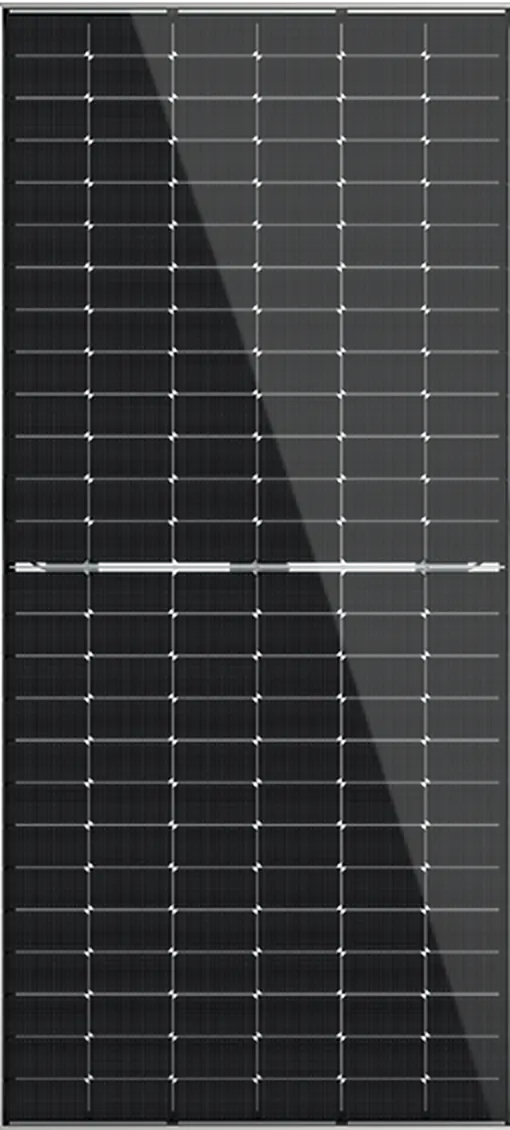
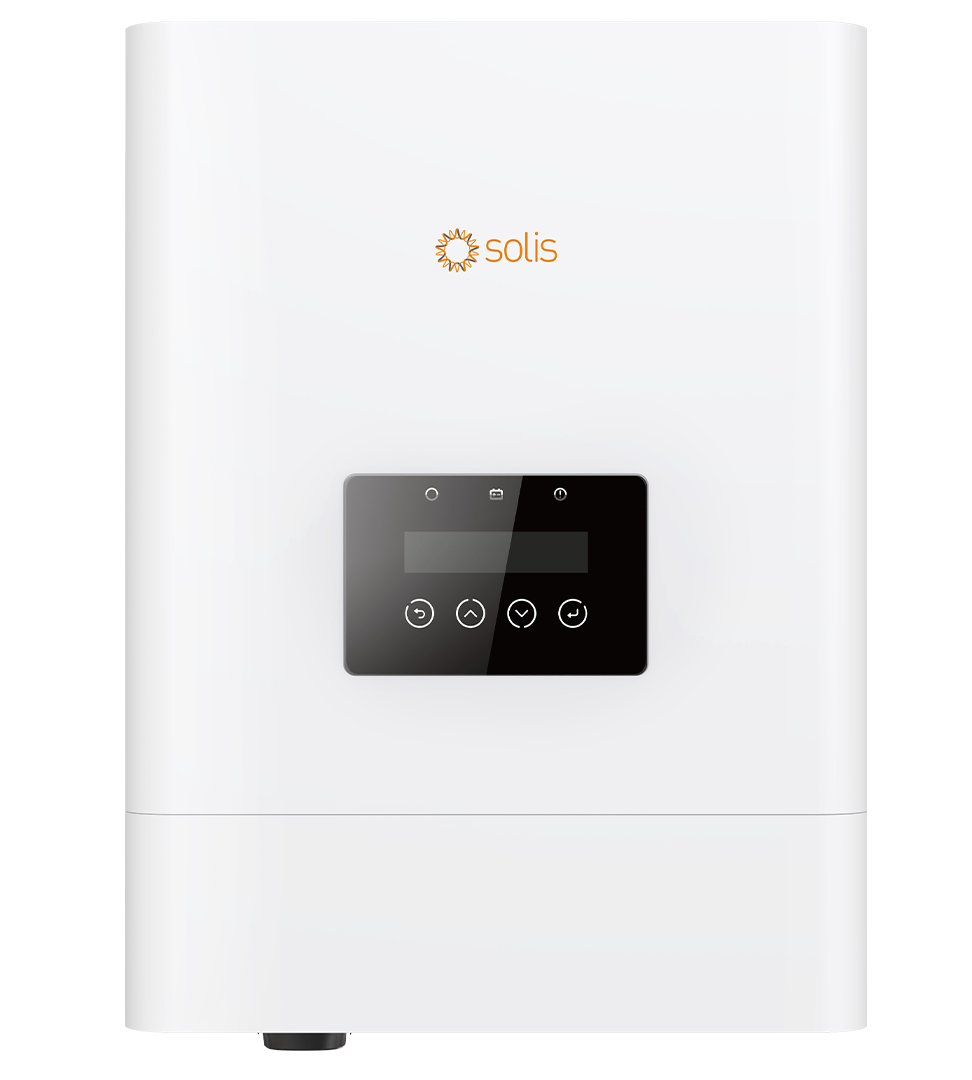
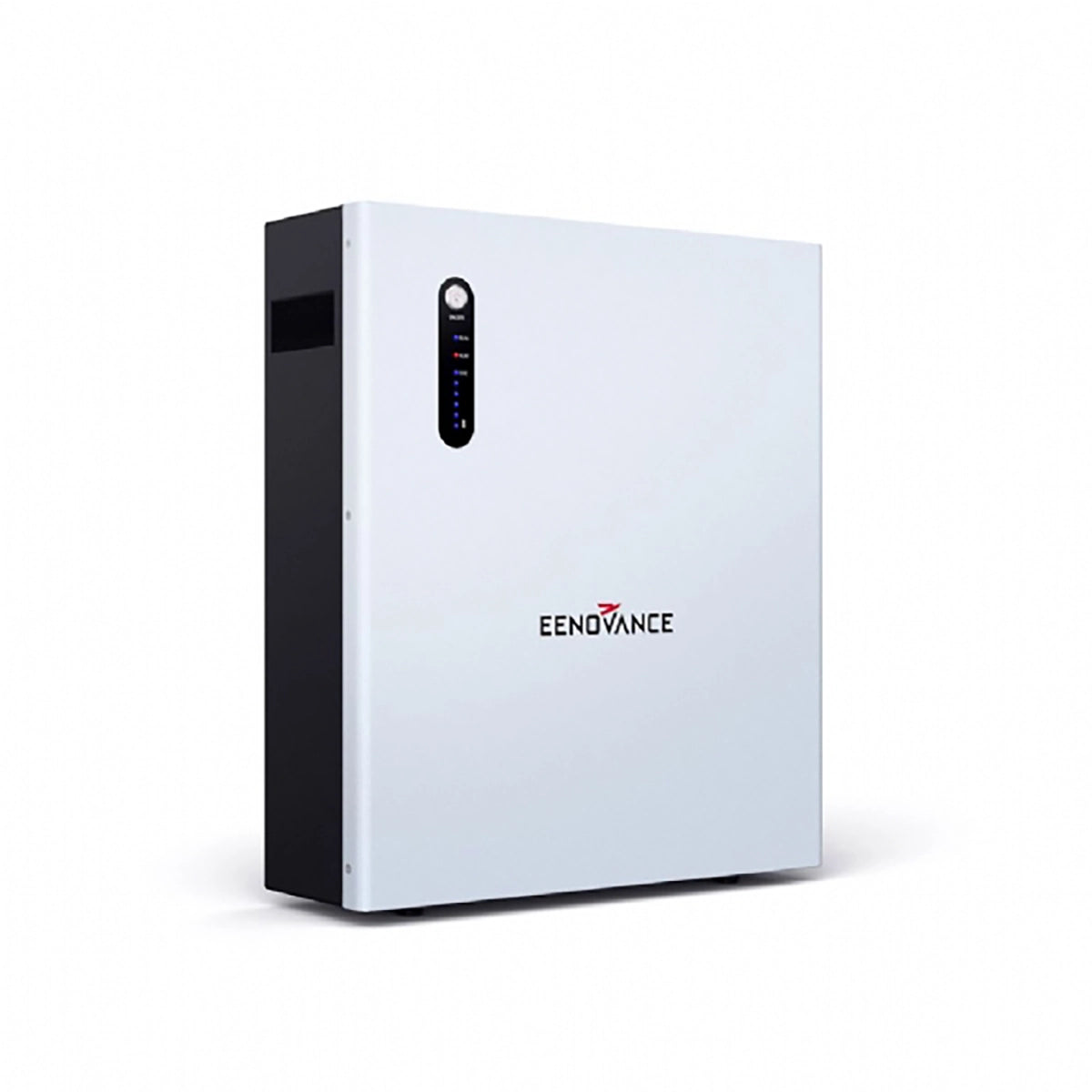
Panel price is only one line in a working system. Compare the panel route alongside the inverter, battery and installation scope before you ask for a final quote.
Solar panel prices in South Africa currently start at roughly R1,600 to R2,050 per panel for several 465W to 630W residential and commercial modules listed by a specialist retailer. That works out to about R3.13 to R3.46 per watt for the examples we checked on 19 September 2026. These are panel-only online prices, not installed solar system prices.
A home still needs a compatible inverter, roof mounting, electrical protection, cabling, labour and compliance work. Add a battery if you want backup after sunset or during an outage. The panel price is useful for comparing modules, but it is usually a modest part of the final quote.
Price snapshot, 19 September 2026
465W panel example: R1,610, or about R3.46/W
585W panel example: R1,830, or about R3.13/W
600W panel example: R1,900, or about R3.17/W
630W panel example: R2,030, or about R3.22/W
Prices and stock change. Check the exact model, delivery cost and tax treatment before ordering.
Current solar panel prices in South Africa
The table below uses publicly listed single-panel prices from Solar Shop's solar panel catalogue. We recorded the data on 19 September 2026 and calculated price per watt by dividing the listed price by the module's rated wattage.
Example listing
Listed output
Listed price
Approx. price per watt
JA Solar N-type double-glass module
465W
R1,610
R3.46/W
Jinko Tiger Neo module
585W
R1,830
R3.13/W
JA Solar N-type TOPCon module
600W
R1,900
R3.17/W
JA Solar N-type double-glass module
620W
R1,940
R3.13/W
Jinko Tiger Neo module
620W
R2,010
R3.24/W
Trina Vertex N-type module
630W
R2,030
R3.22/W
This is a market snapshot, not a promise that every seller will charge the same price. It does not include delivery, mounting rails, roof hooks, wiring, an inverter, a battery or installation. SolarGuide has no affiliate relationship with the retailer used for this snapshot. For a wider sample, the quarterly SolarGuide Solar Price Index compares panel prices per watt across several retailers checked on the same day.
The figures do reveal something useful: wattage alone does not set the price. In this sample, the 585W panel costs less per watt than the 465W panel. Brand, cell design, glass construction, stock levels and distributor terms all affect the final figure.
What does a 550W solar panel cost?
A buyer searching for a 550W solar panel price should expect the answer to move with stock. The live listings we checked cluster around R1,600 to R2,050 for panels between 465W and 630W, so a 550W-class module is likely to sit inside or near that band. Treat that as a comparison range, not a quote.
Always compare the exact model number. Two panels described as 550W can have different dimensions, connector types, product warranties, temperature coefficients and maximum current. Those details affect whether the panel fits your roof and works safely with your inverter.
Panel-only price versus installed solar price
The phrases "solar module price", "solar PV module price" and "solar plate price" usually refer to the module itself. They do not describe a working home power system.
An installed system normally includes:
solar panels and a roof-specific mounting structure;
a grid-tied or hybrid inverter;
DC and AC protection, isolators, cabling and labels;
a battery if backup power is part of the brief;
labour, commissioning and monitoring setup;
an electrical Certificate of Compliance where required; and
distributor or municipal registration work where applicable.
This is why ten panels advertised at R1,900 each do not make an installed 6kW array a R19,000 project. The R19,000 buys only the modules. Read our 5kW solar system cost guide before comparing that equipment subtotal with an installer quote.
Compare solar panels by price per watt
Price per watt puts panels with different ratings on the same scale:
Panel price ÷ rated watts = price per watt
For example, a R1,900 panel rated at 600W costs about R3.17/W. A R1,700 panel rated at 500W costs R3.40/W. The second panel is cheaper to buy, but more expensive for each watt of nameplate capacity.
Price per watt is only a screening tool. It does not account for:
how many panels fit in the useful, unshaded roof area;
whether the panel voltage and current suit the inverter;
expected output in hot conditions;
product and performance warranty terms;
delivery and breakage risk; or
the local process for a warranty claim.
A more expensive panel can be the better buy if it allows a stronger array on a small roof. A cheaper panel can be better value on a large, simple roof. The design decides.
Why panel efficiency and temperature matter
Efficiency describes how much of the sunlight falling on the module becomes electricity under test conditions. It matters most when roof space is limited. A higher-efficiency panel can fit more rated capacity into the same area, but it does not automatically deliver a better return on a large, clear roof.
Temperature behaviour also matters in South Africa. Solar panels are rated under standard test conditions, while an operating roof can be much hotter. Output generally falls as cell temperature rises. As one real example, Canadian Solar's HiKu6 530W to 555W data sheet specifies module efficiency up to 21.5% and a maximum-power temperature coefficient of -0.34% per degree Celsius. That coefficient helps a designer estimate hot-weather performance. It should not be used alone to crown a winner.
Is a 630W panel better than a 550W panel?
Not necessarily. A 630W module produces more nameplate power per panel, but these high-output modules are physically large. It may be easier to fit six smaller panels around a chimney or roof valley than five larger ones. The larger module may also have current characteristics that do not suit an older inverter.
Compare the proposed layout, not just the panel count. Ask the installer to show:
the usable roof area and any excluded zones;
the shade pattern at different times of year;
the total array size in kilowatts;
the string voltage and current against the inverter limits; and
Multiply panel count by panel wattage to find the nominal array size. Six 550W panels make a 3.3kW array. Ten 600W panels make a 6kW array.
That number is not a promise of constant output. Cloud, shade, dust, roof direction, temperature, cable losses and inverter clipping all change real production. Your daytime electricity use matters too. Extra midday generation has less value if you cannot use it, store it or receive an export credit for it.
Start with twelve months of electricity use if possible, then separate daytime and evening demand. Use our solar panel sizing guide and system size calculator for an initial estimate. The installer should validate the result against the roof and the inverter design.
Free tool
Estimate your system & savings
Move the slider to your monthly bill for an instant, indicative suggestion.
This is an indicative starting point. The site assessment and signed quote confirm the system, current price, equipment, savings and backup time. Rent-to-own payments increase by 6.5% each year.
Which panel technology should you buy?
Most current full-size home panels are monocrystalline. Current catalogues increasingly feature N-type and TOPCon models, which manufacturers use to improve efficiency and performance characteristics. Those labels can help narrow a shortlist, but they do not replace the exact data sheet.
Check these six items for every quoted panel:
exact manufacturer and model number;
rated output and module efficiency;
length, width, weight and glass construction;
voltage, current and connector specifications;
product warranty and performance warranty; and
the South African supplier that will process a claim.
Older polycrystalline panels can still generate electricity, but new buyers should compare output, size, warranty and total installed value. Our monocrystalline versus polycrystalline guide covers that choice without reducing it to colour or appearance.
Five checks before accepting a panel quote
1. Ask for the exact model
"Tier 1 550W panel" is not a complete specification. Ask for the model code and data sheet. The term Tier 1 relates to manufacturer bankability in an industry ranking; it is not a product quality certificate.
2. Confirm what the price includes
The quote should state VAT, delivery, mounting, protection, labour, commissioning, registration support and warranty responsibilities. Use our solar quote comparison checklist to compare like with like.
3. Check the roof layout
More panel wattage is useful only if the modules fit safely in productive roof space. Ask to see the proposed placement and shading assumptions.
4. Check inverter compatibility
The designer must keep each string within the inverter's voltage and current limits in local temperature conditions. Mixing attractive components does not guarantee a sound system.
5. Identify the warranty route
Ask who pays for removal, transport, testing and replacement if a panel fails. A long warranty is more valuable when the installer and distributor provide a clear local claims process.
When a cheap panel becomes expensive
A low panel price can save money on a simple replacement or a carefully designed new array. It becomes false economy when the model does not match the inverter, the dimensions create a poor roof layout, delivery damage is not covered, or the warranty has no practical local route.
The reverse is also true. A premium badge does not guarantee a better return. Panels should be judged as part of the complete design, with useful generation, installation quality and support carrying more weight than brand prestige.
SolarGuide is an independent referral partner. We help homeowners compare options and request a quote; the installation partner confirms the final equipment, design, price and warranties after assessing the property.
Request a solar assessment with your bill, suburb, roof type and backup priorities. That produces a more useful answer than multiplying an online panel price by a guessed panel count.
Not sure which system you need?
Get a free, no-obligation quote sized to your home, usage and budget. It only takes a minute.
In the retailer snapshot checked on 19 September 2026, selected 465W to 630W modules were listed from R1,610 to R2,030 each. Prices change with model, stock and delivery. This does not include installation or the rest of the system.
What is a good solar panel price per watt?
The examples in our current snapshot range from about R3.13/W to R3.46/W. Use price per watt to compare similar modules, then check size, electrical compatibility, warranty and local support before choosing.
Are solar panels sold individually?
Yes. Retailers sell individual modules, but a panel cannot power normal household circuits on its own. A complete system needs suitable power electronics, protection, wiring and professional installation.
Is a higher-wattage solar panel always better?
No. Higher wattage can reduce the panel count, but physical dimensions, shade and inverter limits may make a smaller module a better fit. Compare the total array design.
Do solar panels work without a battery?
Yes. A grid-tied system can reduce daytime grid use without a battery. It usually switches off during a grid outage for safety unless the system includes suitable backup equipment and storage.
SolarGuide is an independent referral partner. We help you compare options and arrange a free quote — Alumo supplies, installs, finances and warrants the systems. Pricing is indicative, sourced from Alumo’s published catalogue, and subject to a site assessment and credit approval.