Two solar quotes land in your inbox. One is R15,000 cheaper. Easy decision, right? Except the cheaper one uses a smaller battery, a thinner warranty and a brand your installer has never serviced. Over ten years it will cost you more in frustration and lost savings than the pricier quote ever would. Comparing solar quotes on the bottom-line number alone is the most common way South Africans overpay for underperformance.
Reading a quote properly is a learnable skill. Once you know what to line up and what to ignore, you can spot the good deal in minutes and see straight through the ones dressed up to look cheap. We're an independent comparison site, so the only agenda here is helping you buy well.
Key takeaways
Never compare on price alone. Normalise the quotes to the same system size and payment model first.
Check battery capacity, inverter size, panel count and brands; a cheaper quote is often a smaller system.
Scrutinise what is included: warranty, monitoring, maintenance, SSEG registration and call-outs.
The best quote is the one that matches your actual usage and is honest about its trade-offs, not the lowest number.
Step one: normalise before you compare
You cannot compare two quotes until they describe the same thing. Before anything else, line up the fundamentals so you are comparing like-for-like.
Match the system size
Look at three numbers on each quote: inverter size (in kW), battery capacity (in kWh) and panel count. A quote with a 3.6kW inverter and a 3.6kWh battery is a different product from one with a 5kW inverter and a 5.3kWh battery, and it should cost less. Being cheaper is not a virtue if the system is simply smaller. If the two differ, you're not comparing prices, you're comparing sizes, and the headline gap tells you nothing until you adjust for it.
Match the payment model
A subscription, a rent-to-own plan and an outright purchase produce very different-looking numbers. First confirm whether the quotes cover equivalent hardware. Then include escalation, finance charges, service cover and exit costs. Our South African solar finance comparison covers bank loans and cash too, while the rent-to-own vs subscription worksheet compares the two monthly models.
1299Hot Deal subscription (per month)
2021 | unit=R | caption=Same hardware can read very differently by payment model: Hot Deal subscription vs Watt-a-Deal solar + battery on a 3-year rent-to-ownWatt-a-Deal 3-year rent-to-own (per month)
Not sure which system you need?
Get a free, no-obligation quote sized to your home, usage and budget. It only takes a minute.
Once the systems are on the same footing, dig into the components and the fine print. This is where good and bad quotes really separate.
The battery is where corners get cut
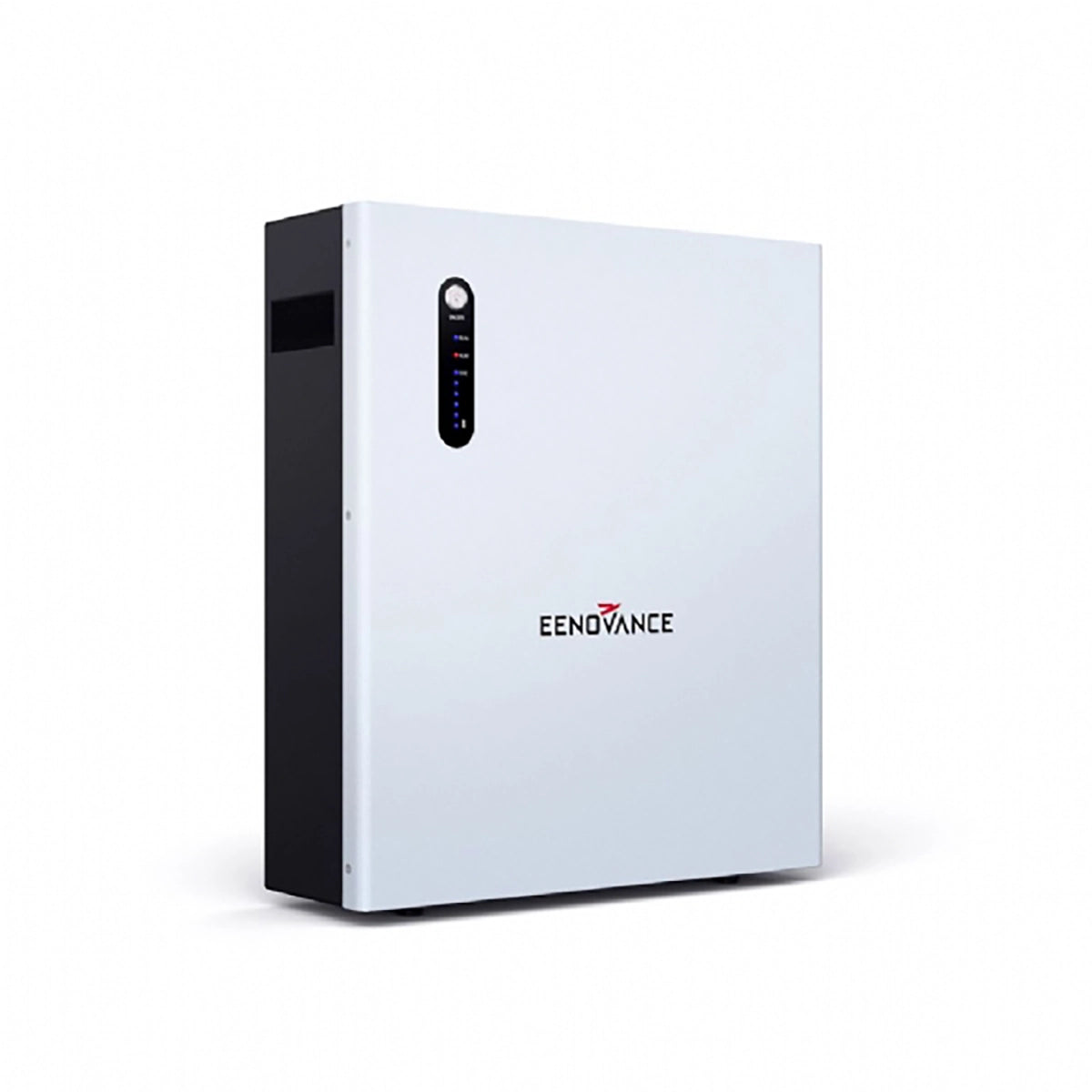
Batteries are expensive, so an undersized battery is the easiest way to make a quote look cheap. Ask how many hours of backup the capacity actually gives your home, not in theory but for your real load. A 3.6kWh battery gives a modest household roughly three hours of cover; a busy family running more appliances will burn through it far faster. If a suspiciously cheap quote achieves its price with a small battery, that is the trick exposed.
Check the brands, not just the specs
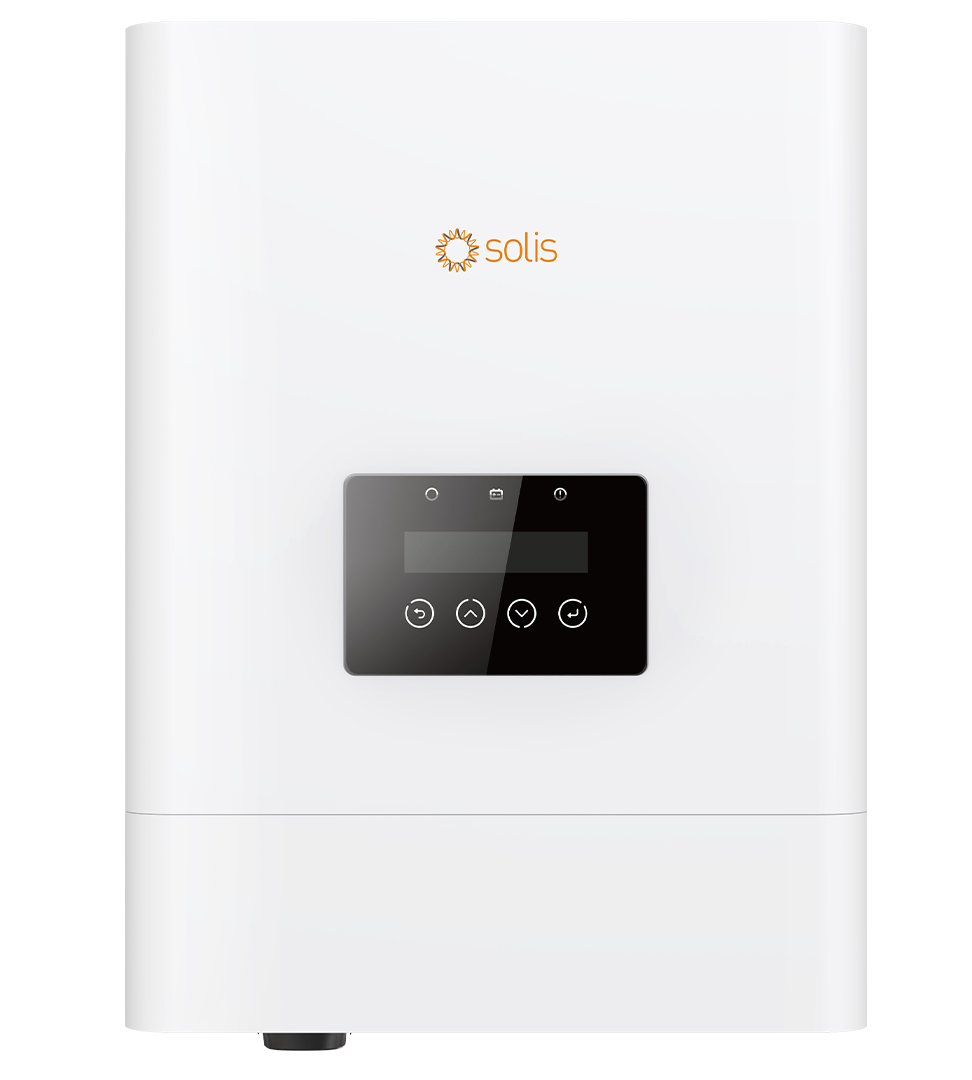
A spec sheet does not tell you whether the equipment is well supported locally. Look for mainstream, well-backed brands: inverters like Sunsynk, Solis, AlphaESS or Huawei; established lithium batteries; reputable panels such as Trina or Jinko. An obscure brand at a lower price can mean slow service and scarce parts when something fails years later, which is a false economy.
Warranty and what actually backs it
A warranty is only as good as the company standing behind it. Check the length on the inverter, battery and panels, and, more importantly, who honours it and how call-outs work. A five-year backing from a company with a real local footprint beats a longer paper warranty from one that may not answer the phone.
The inclusions that quietly matter
Read what the price covers. Does it include SSEG registration with your municipality, which is legally required for grid-tied systems in most areas? Monitoring? Maintenance and repairs? For a subscription or rent-to-own, does the monthly fee cover call-outs and component failures, or will those be billed to you? These inclusions are where two similar-looking quotes diverge in real-world cost.
Step three: pressure-test the sizing against your life
Even a well-specified system is wrong if it does not fit your usage. The best quote is the one sized to how you actually live, so sanity-check it.
Think about what you run at once during load-shedding. If your quote assumes a modest load but you regularly run a pool pump, tumble dryer and multiple air-cons together, the system will keep leaning on Eskom and your savings will disappoint. Conversely, do not let anyone oversell you a system far bigger than you need. A good quote is preceded by someone asking about your consumption, your roof and your peak usage. If nobody asked, the sizing is a guess.
Free tool
Estimate your system & savings
Move the slider to your monthly bill for an instant, indicative suggestion.
This is an indicative starting point. The site assessment and signed quote confirm the system, current price, equipment, savings and backup time. Rent-to-own payments increase by 6.5% each year.
Running your own numbers first puts you in a stronger position. You walk into the conversation already knowing roughly what size system your home needs and what savings are realistic. Then a quote either matches that reality or it doesn't.
Step four: judge the honesty
The most underrated signal in a quote is candour. A provider who tells you where their offering does not fit (that a subscription costs more over a long stay, that a small battery won't carry a heavy load) is being straight with you. One that claims to be perfect for every home is selling, not advising. Trustworthy quoting shows up as clear breakdowns, named components, transparent inclusions and honest trade-offs, not glossy round numbers with no detail.
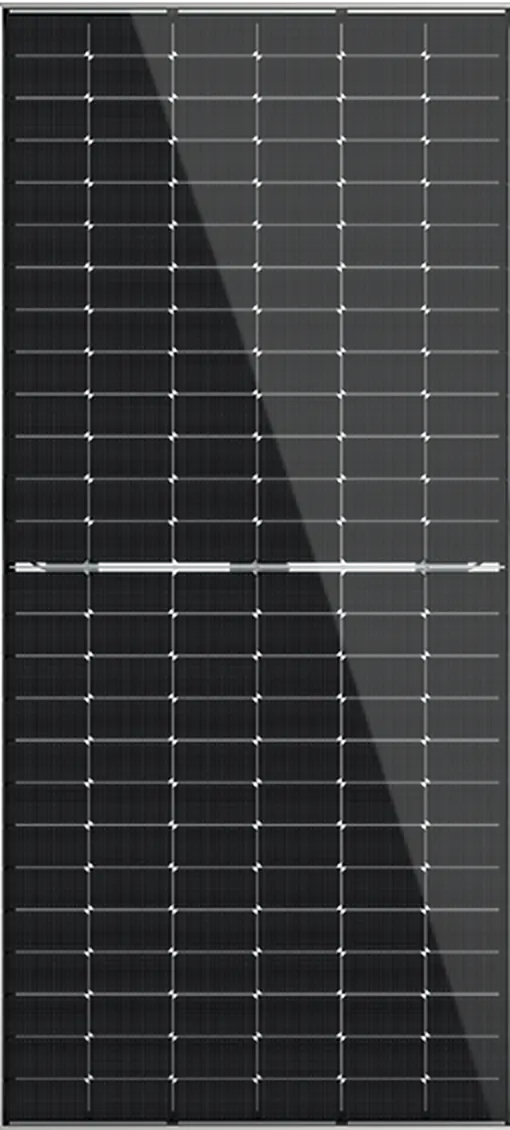
Alumo's current solar-plus-battery rent-to-own range uses a Solis 5kW inverter and Eenovance 5.32kWh battery: Watt-a-Deal has three 615W panels from R1,418/month, The Big Watt has four from R1,487/month, and The Power Bae has six from R1,626/month on a seven-year term. Three- and five-year prices, solar-only configurations and battery-only pricing are available on our current package comparison.
Comparing solar quotes like a pro comes down to a simple discipline: normalise first, interrogate the components and inclusions, pressure-test the sizing against your real usage, and reward honesty. Do that and the "cheaper" quote often reveals itself as the smaller or thinner one, while the genuinely good deal stands out clearly. Our solar quote scorecard runs these checks on up to three quotes and writes the follow-up questions for you.
The cleanest way to compare is to get at least one detailed, transparent quote to benchmark the rest against. Get a free Alumo quote → and you will have a properly specified system (size, components, inclusions and monthly figure) to hold every other quote up against.
Frequently asked questions
Why is one solar quote so much cheaper than another?
Almost always because it is a smaller or thinner system: a smaller battery, fewer panels, a lower-spec inverter, an obscure brand, or fewer inclusions like warranty and SSEG registration. Once you normalise the quotes to the same size and inclusions, the gap usually shrinks or disappears. Cheaper rarely means better value in solar.
What should every solar quote include?
Inverter size, battery capacity, panel count and brands; the warranty terms and who backs them; whether SSEG registration, monitoring and maintenance are included; and, for subscription or rent-to-own, exactly what the monthly fee covers. A quote missing these details is hard to evaluate and should raise questions.
How do I know if a system is the right size for my home?
Estimate what you run during load-shedding and your overall consumption, then check the quoted inverter and battery against that. A good provider asks about your usage, roof and peak loads before quoting. If nobody assessed your actual needs, the sizing is guesswork and worth challenging.
Should I always choose the cheapest quote?
No. The cheapest quote is often the smallest system or the one with the weakest support and warranty, which costs more over the system's life. Choose the quote that best matches your actual usage, uses well-supported equipment and is transparent about inclusions and trade-offs.
How does SolarGuide help me compare?
SolarGuide helps you understand and compare your options. If you request a quote through this page, Alumo will assess the property and confirm the system, payment terms, final price and warranties. Get a free Alumo quote →
SolarGuide is an independent referral partner. We help you compare options and arrange a free quote — Alumo supplies, installs, finances and warrants the systems. Pricing is indicative, sourced from Alumo’s published catalogue, and subject to a site assessment and credit approval.