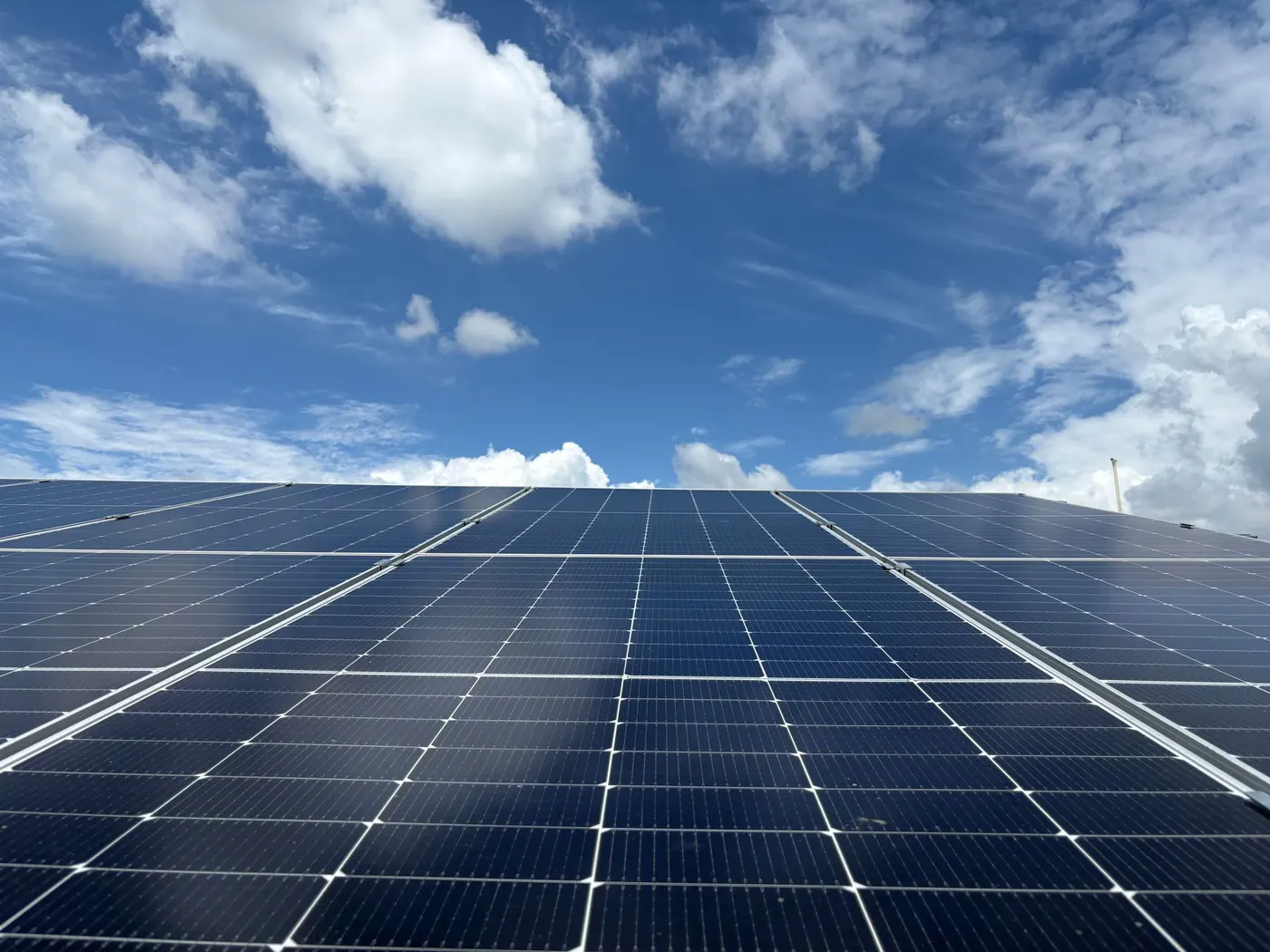
If you have started shopping for solar in South Africa, you have almost certainly bumped into two words that sound more like a chemistry exam than a home upgrade: monocrystalline and polycrystalline. Both are types of silicon solar panel, including the older polycrystalline silicon solar panels sometimes called a poly solar panel, and both will turn Highveld sunshine into electricity. The question is which one deserves a spot on your roof.
The short answer: panel type matters less than most sales pitches suggest, but it isn't irrelevant. On a tight Johannesburg townhouse roof, or a coastal home in Durban where heat and humidity punish equipment, the difference between mono and poly can shape how much power you squeeze out of a limited space. This guide breaks down what actually separates them, in plain rands-and-cents terms, so you walk into a quote conversation knowing what you're paying for.
Key takeaways
Monocrystalline panels are more efficient and better in low light and heat, which is why they dominate new South African installs.
Polycrystalline is older, slightly cheaper per panel, but needs more roof space for the same output.
For most SA homes with limited roof area, mono is the sensible default — and it is what quality installers now fit as standard.
Panel type is only one factor; your inverter, battery and warranty matter more for load-shedding resilience.
Get a free solar quote
Share your average electricity bill and we will arrange a free, no-obligation quote sized to your home and budget. Compare rent-to-own, subscription and outright options.
Mon–Fri 8am–5pm · Sat 8am–1pm · Free quote across South Africa
What monocrystalline and polycrystalline silicon solar panels are
Every silicon solar panel is made of cells, and those cells are cut from silicon that has been formed in one of two ways.
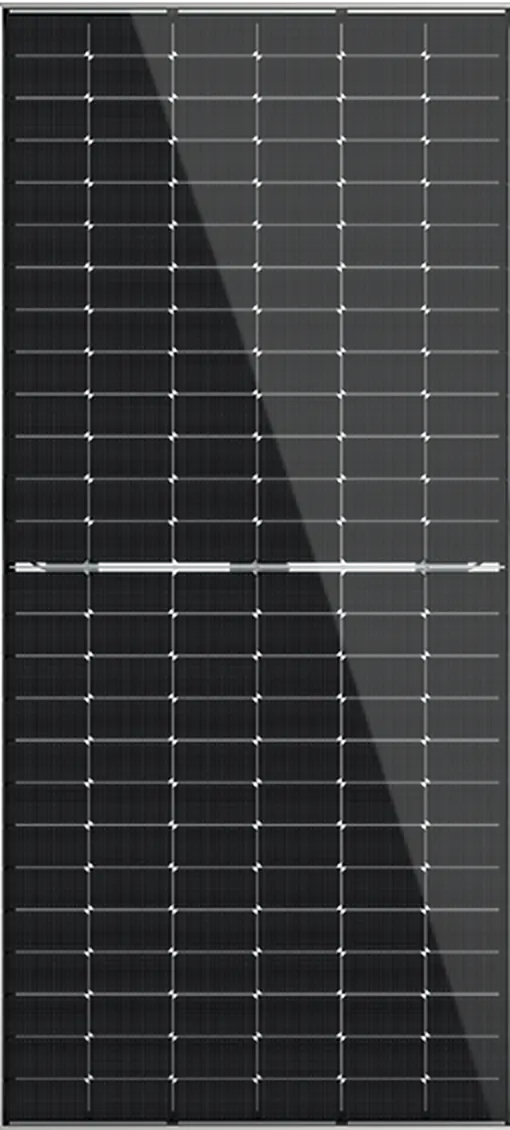
Monocrystalline cells are sliced from a single, continuous silicon crystal. That uniform structure gives electrons a clean path to move through, which means more of the sunlight hitting the panel becomes usable electricity. You can spot mono panels by their uniform black colour and the slightly rounded corners on each cell.
Polycrystalline silicon solar panels (sometimes called multicrystalline panels) are made by melting fragments of silicon and casting them into a block. The result is a patchwork of many crystals rather than one, which you can see in the characteristic blue, speckled shimmer of a poly solar panel. That patchwork is cheaper to manufacture but slightly less efficient, because the boundaries between crystals get in the electrons' way.
That's the whole physics lesson. Everything else, from efficiency to price to heat behaviour, flows from this one difference in how the silicon is grown.
Efficiency: how much roof do you need?
Efficiency is the headline reason mono has taken over. A modern monocrystalline panel typically converts a meaningfully higher share of sunlight into power than an equivalent poly panel. In practice that means a mono panel produces more watts from the same physical footprint.
For a South African homeowner, this matters most when roof space is the limiting factor, which it very often is. Face facts: a compact cluster home in Centurion or a north-east facing section of a Cape Town roof only has so many square metres of unshaded space. If you need, say, six panels' worth of generation but only have room for a handful, higher-efficiency mono lets you hit your target without hunting for extra mounting space or splitting the array across awkward roof faces. That is why the phrase “polycrystalline silicon solar panels” often appears in comparisons: the practical question is how much usable power each panel gives you per square metre.
Where poly still makes sense
If you have a large, unshaded roof, say a smallholding in Gauteng or a big freestanding house, the space penalty of poly matters far less. You can just fit a couple more panels to make up the difference, and if poly works out cheaper per watt on the day, it can be a rational choice. The catch is that poly has become harder to source as manufacturers shift production to mono, so the price gap that once justified it has narrowed to almost nothing on many product lines.
Heat and low light: the South African reality
Here's a detail that catches people out. Solar panels lose efficiency as they get hot, and South African roofs get very hot. A panel baking on a Bloemfontein roof in January can run far above the mild lab conditions it was rated in, and every degree shaves a little off its output.
Monocrystalline panels generally have a better temperature coefficient, meaning they lose slightly less performance as they heat up. Over a scorching summer, and across the years, that adds up. Mono also tends to perform better in weaker light — early mornings, overcast Highveld afternoons, the shoulder hours around sunrise and sunset. If you want the fullest possible harvest across a real SA day rather than just peak noon, mono has the edge.
Not sure which system you need?
Get a free, no-obligation quote sized to your home, usage and budget. It only takes a minute.
Ten years ago, choosing poly could save you a noticeable amount up front. Today the picture has flipped. Global manufacturing has consolidated so heavily around monocrystalline that mono panels are produced at enormous scale, and prices have fallen to the point where the saving from poly is often too small to bother with — especially once you factor in the extra mounting hardware and roof space poly demands.
More importantly, the panels are rarely the biggest line on a solar quote. In a typical home system, the inverter, the battery and the installation labour usually cost more than the panels themselves. Obsessing over a small per-panel difference between mono and poly while ignoring the inverter and battery is a classic first-timer mistake. The battery is what keeps your lights on during load-shedding; the panels just refill it during the day.
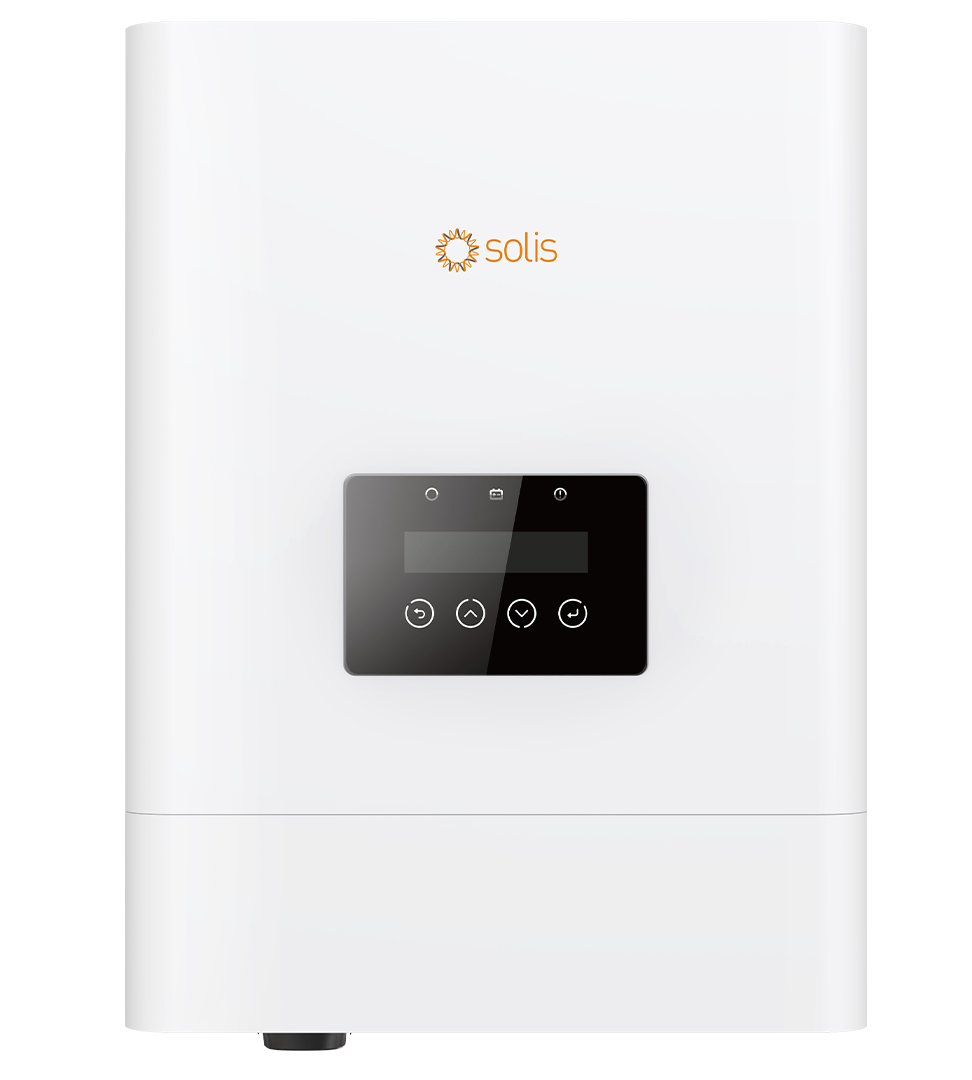
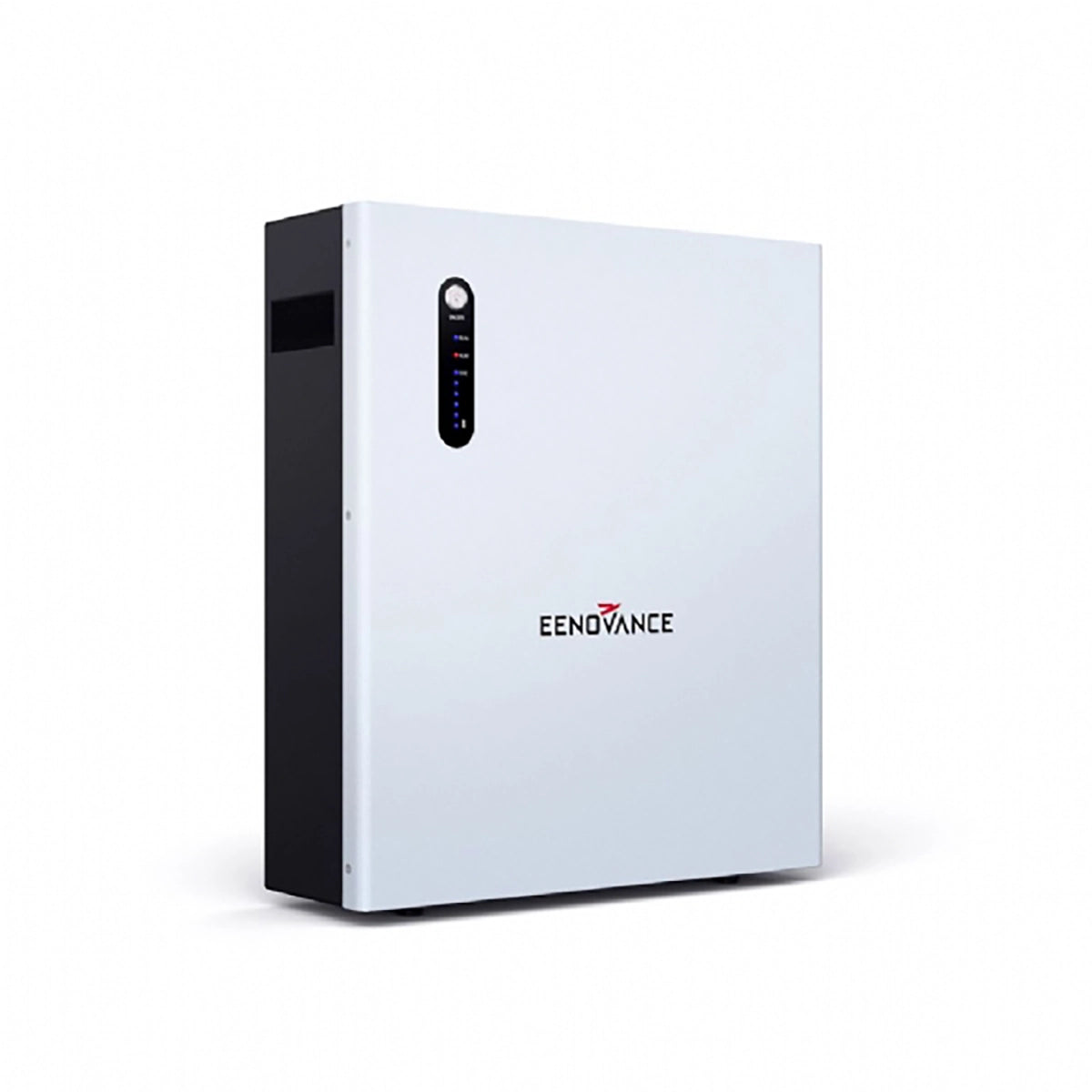
This is why reputable installers now quote quality monocrystalline panels as standard. When you look at a package from a company like Alumo, you get 615W panels paired with a Solis 5kW inverter and an Eenovance battery. Alumo doesn't name the panel brand on its package pages, so ask for the make and model on your quote. You are buying a balanced system, not a bag of panels.
For the overwhelming majority of South African homes, monocrystalline is the right call. It is more efficient, handles heat and low light better, fits more power onto limited roofs, and now costs about the same as poly. Unless you have an unusually large roof and a supplier offering a genuine poly discount on the day, mono wins.
Alumo's current solar-plus-battery rent-to-own range uses a Solis 5kW inverter and Eenovance 5.32kWh battery: Watt-a-Deal has three 615W panels from R1,418/month, The Big Watt has four from R1,487/month, and The Power Bae has six from R1,626/month on a seven-year term. Three- and five-year prices, solar-only configurations and battery-only pricing are available on our current package comparison.
The smartest move is to let a qualified installer assess your actual roof, shading and consumption, then recommend the panel count and battery size that fit. The mono-versus-poly question usually answers itself (mono), while the assessment sorts out the choices that genuinely change your bill and your comfort during outages. Get a free quote → and have a specialist size it against your real usage rather than a rule of thumb.
Free tool
Estimate your system & savings
Move the slider to your monthly bill for an instant, indicative suggestion.
This is an indicative starting point. The site assessment and signed quote confirm the system, current price, equipment, savings and backup time. Rent-to-own payments increase by 6.5% each year.
Frequently asked questions
Are monocrystalline panels worth the extra cost in South Africa?
In most cases the price gap is now very small, and mono's higher efficiency, better heat tolerance and smaller footprint make it worth it — particularly on the limited roof space of a typical suburban home. On a large, unshaded roof the calculation is closer, but mono is still the safe default.
Do polycrystalline silicon solar panels last as long as monocrystalline?
Both are built to last decades and carry similar performance warranties. Panel type is not the main driver of lifespan; build quality, the mounting, and how well the system is installed and maintained matter far more.
Which panel type is better for load-shedding?
Neither, directly. Panels only generate during daylight — it is your battery and inverter that keep power flowing when Eskom cuts out. Choose mono panels for efficient daytime charging, then size your battery to cover the outage stages you actually experience.
What panel brands do quality SA installers use?
Established Tier-1 monocrystalline brands like Trina and Jinko are common, paired with reputable inverters and batteries. Alumo lists 615W panels on its home packages without naming a brand, so ask for the make and model in writing.
Can I mix mono and poly panels on one system?
It is generally not recommended, because mismatched panels can drag down the performance of a shared string. A clean, uniform array of one panel type is simpler and performs more predictably.
SolarGuide is an independent referral partner. Alumo supplies, installs, finances and warrants the systems; SolarGuide helps you compare and get a free quote. Pricing is indicative and subject to a site assessment and credit approval.
SolarGuide is an independent referral partner. We help you compare options and arrange a free quote — Alumo supplies, installs, finances and warrants the systems. Pricing is indicative, sourced from Alumo’s published catalogue, and subject to a site assessment and credit approval.