Is solar covered by standard home insurance?
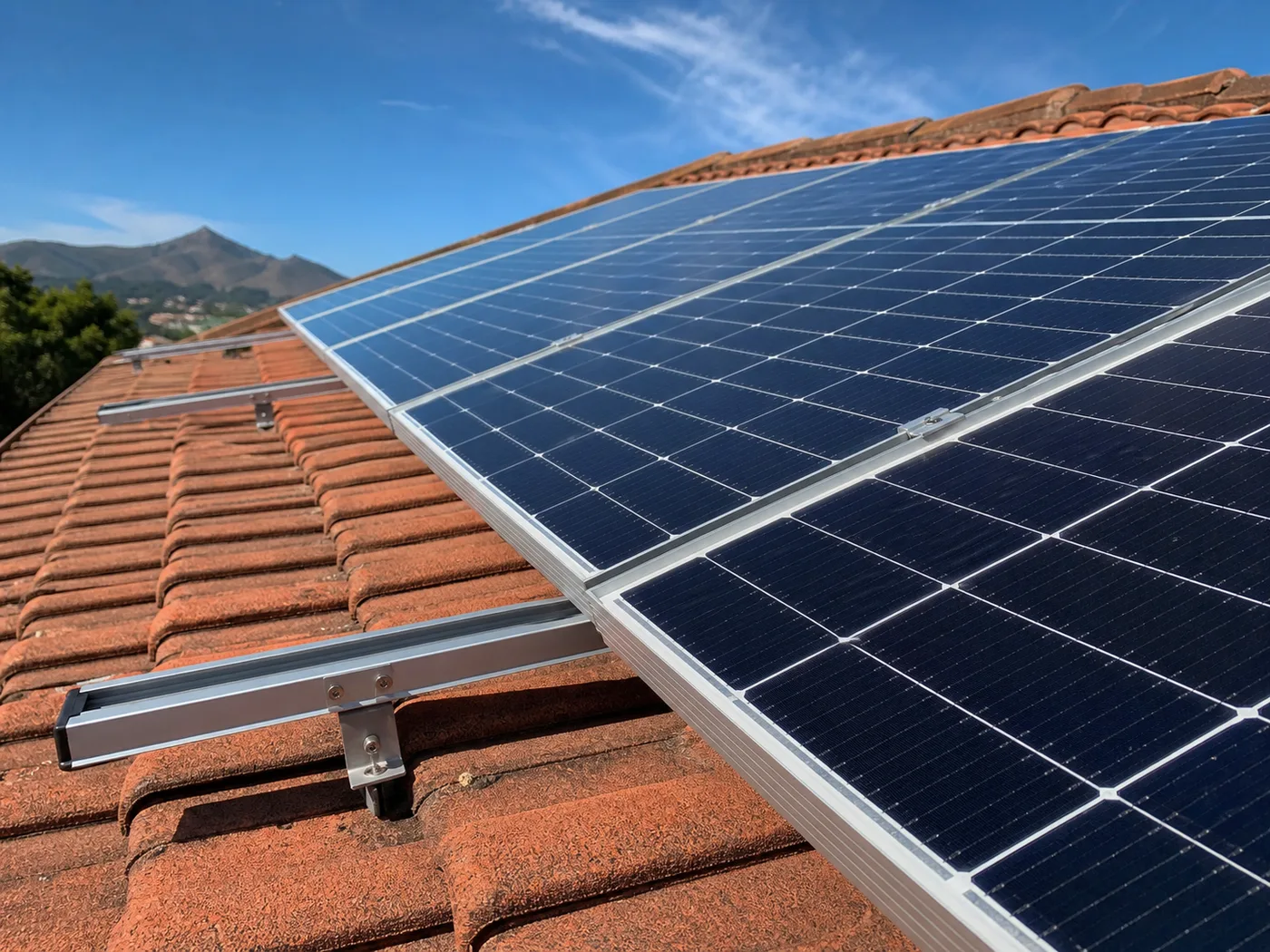
In most cases, a roof-mounted solar system becomes part of the building or its contents, and can be insured under your existing homeowner's policy. Insurers know solar well now. It is on tens of thousands of South African roofs, so this is routine rather than some exotic request.
The key word, though, is declare. Because a solar installation changes the value and risk profile of your property, your insurer needs to know it is there. A system bolted to your roof and wired into your home increases the sum you would need to be made whole after a fire, storm or theft. If the insurer is not told, the cover may not reflect it.
Why declaring it matters so much
Insurance works on the principle that you disclose material facts. A solar and battery system worth tens of thousands of rands clearly counts. If you add one and never tell your insurer, two problems arise: your sum insured may be too low to replace everything, and the insurer may argue that undisclosed changes affected the risk, which can sink a claim.
Declaring the system fixes both. Your cover is adjusted to reflect the real replacement value, your premium is set against the actual risk, and there is no nasty surprise when you claim. Expect a modest premium adjustment, a small price for certainty.
Not sure which system you need?
Get a free, no-obligation quote sized to your home, usage and budget. It only takes a minute.
Get your free quote →What insurers typically want to see
Insurers do not just want to know the system exists; they usually want assurance it was done properly. A few things come up repeatedly.
A certificate of compliance
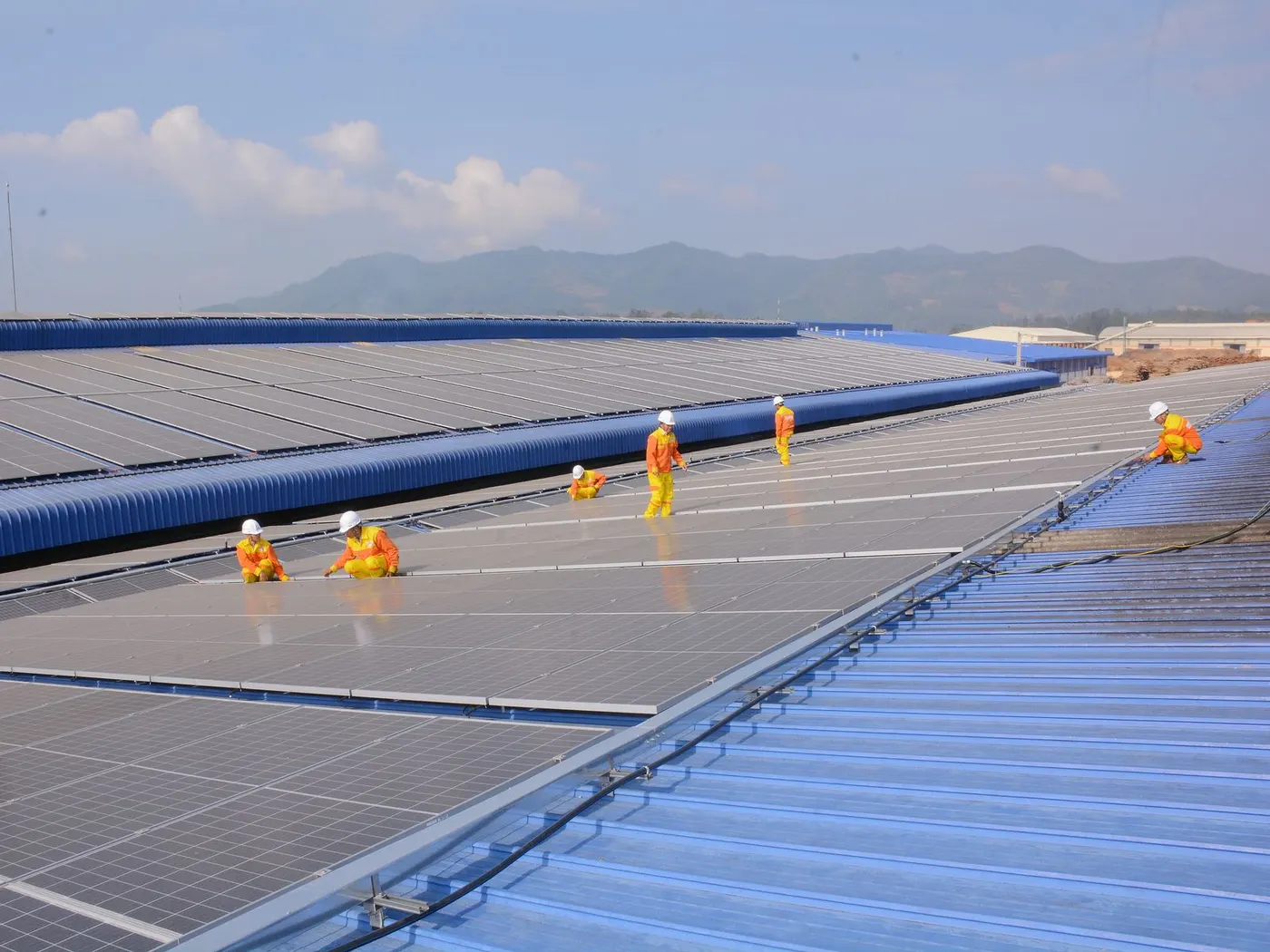
A professionally installed system comes with an electrical certificate of compliance (CoC), confirming the installation meets South African wiring and safety standards. Insurers frequently treat this as a condition of cover, because a badly wired or DIY system is a real fire risk. If a fault-related claim arises and there is no valid CoC, the claim can be rejected. This is one of the strongest practical reasons to use a reputable, accredited installer rather than an informal one.
Professional installation and reputable equipment
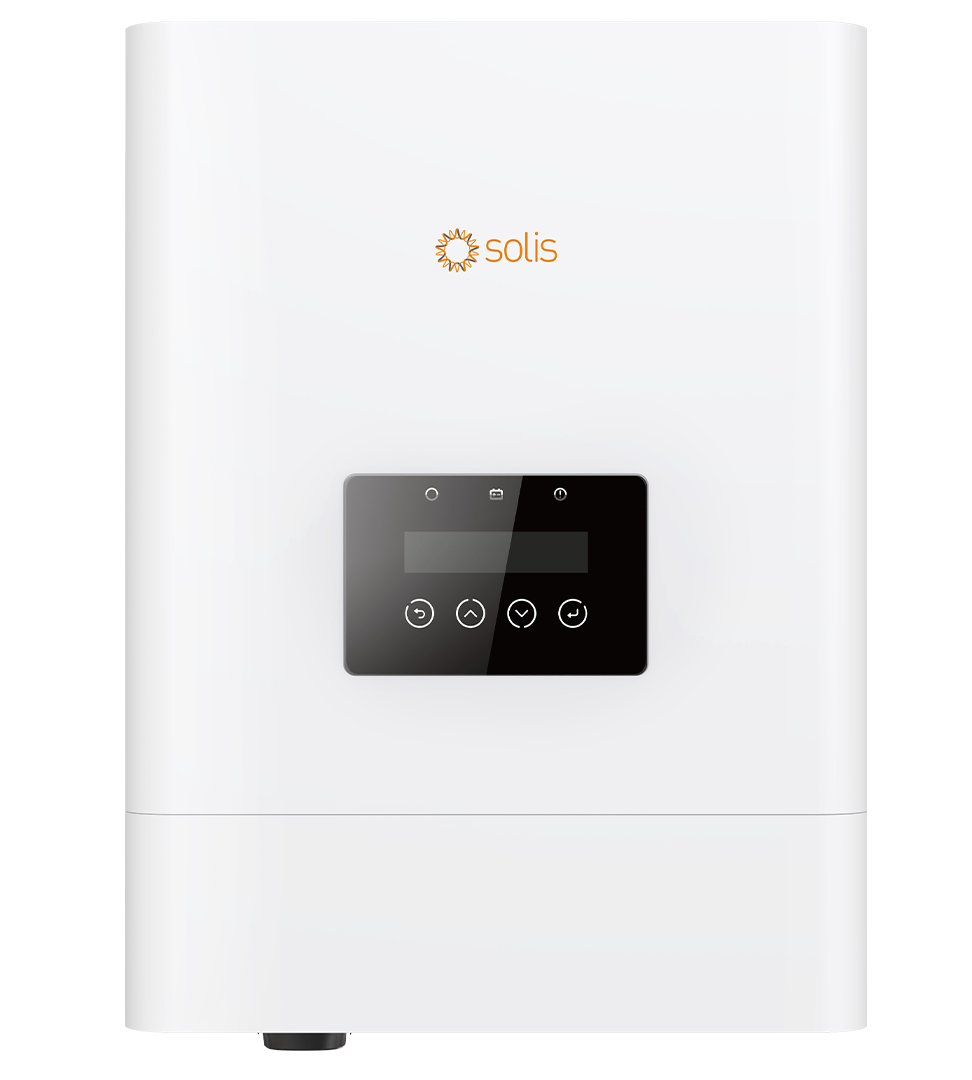
Cover tends to be straightforward when the work was done by an established installer using recognised brands. Alumo's current home packages, for example, use Solis inverters and Eenovance batteries. Whoever installs your system, keep the equipment schedule and the Certificate of Compliance: that paper trail is what keeps an insurer comfortable.
Correct valuation
Make sure the declared value reflects the full replacement cost of panels, inverter, battery and installation labour. Under-insuring can trigger average, where a partial claim is reduced in proportion to how under-insured you were. Get this figure right at the outset.
R1,418/mo · 3, 5 or 7 years
- • Solis 5kW inverter
- • Eenovance 5.32kWh battery · Runtime depends on connected appliances
- • 3 × 615W panels
Get a free quote →The finance and subscription wrinkle
How you paid for your system affects who is responsible for insuring it, and this catches people out.
If you own the system
If you bought outright, or you are working through a rent-to-own term, the system is yours to insure, typically by declaring it on your home policy as above. Even mid-way through a rent-to-own, clarify with the provider whether you or they carry the insurance obligation during the term, because agreements differ.
If you subscribe
On a subscription, you do not own the hardware. The provider does. That usually means the equipment risk sits with them rather than you, which is one of the quiet advantages of a subscription. Alumo's subscription, from around R1,299/month, keeps the system as the provider's asset, so confirm exactly what is covered and make sure your own contents and liability are in order.
The rule is the same across all routes: never assume. Confirm in writing who insures what. Get a free quote → and you can clarify the cover arrangement for each package before you decide.
Practical steps to protect your system
Here is how to make sure your solar is genuinely protected. Tell your home insurer before or right after installation and have your sum insured adjusted to include the system's full replacement value. Keep your certificate of compliance, installation records and warranty documents somewhere safe and accessible. Use a professional, accredited installer so the paperwork exists in the first place. And if you finance or subscribe, confirm in writing who carries the insurance obligation.
Do those four things and a hailstorm, a lightning strike or a theft becomes an insured event rather than a financial disaster. Skip them and you are carrying the risk yourself without realising it. Get a free quote → to get a properly documented, professionally installed system that insurers are comfortable with from day one.
Frequently asked questions
Do I need a separate policy for solar panels?
Usually not. Most solar systems can be covered under your existing home buildings and contents policy, provided you declare the system and adjust your sum insured to reflect its replacement value. Some homeowners prefer specialist cover, but a standard policy properly updated is often enough.
What happens if I do not tell my insurer about my solar system?
You risk a rejected or reduced claim. An undeclared system means your cover may not reflect the added value, and the insurer may argue the undisclosed change affected the risk. Declaring it keeps your cover valid and your sum insured accurate.
Why is a certificate of compliance important for insurance?
A certificate of compliance confirms the installation meets South African electrical safety standards. Insurers often treat it as a condition of cover, because an unsafe or DIY installation is a fire risk. Without a valid CoC, a fault-related claim can be rejected, which is why professional installation matters.
Who insures the system if I am on a subscription?
On a subscription you do not own the equipment, so the risk generally sits with the provider rather than you. Always confirm the exact arrangement in writing, and make sure your own contents and liability cover is in order.
Does financing a solar system change my insurance obligations?
It can. With rent-to-own or other finance, the agreement may specify who insures the system during the term, so check the contract. SolarGuide is an independent referral partner; Alumo supplies, installs, finances and warrants the systems, and all pricing is indicative and subject to a site assessment and credit approval.
SolarGuide is an independent referral partner. We help you compare options and arrange a free quote — Alumo supplies, installs, finances and warrants the systems. Pricing is indicative, sourced from Alumo’s published catalogue, and subject to a site assessment and credit approval.