Best solar inverter comparison for 2026
We compared current manufacturer information available on 19 September 2026. The table focuses on products relevant to South African homes rather than every inverter each brand sells.
| Platform | Published residential range | Best fit | Important check |
|---|
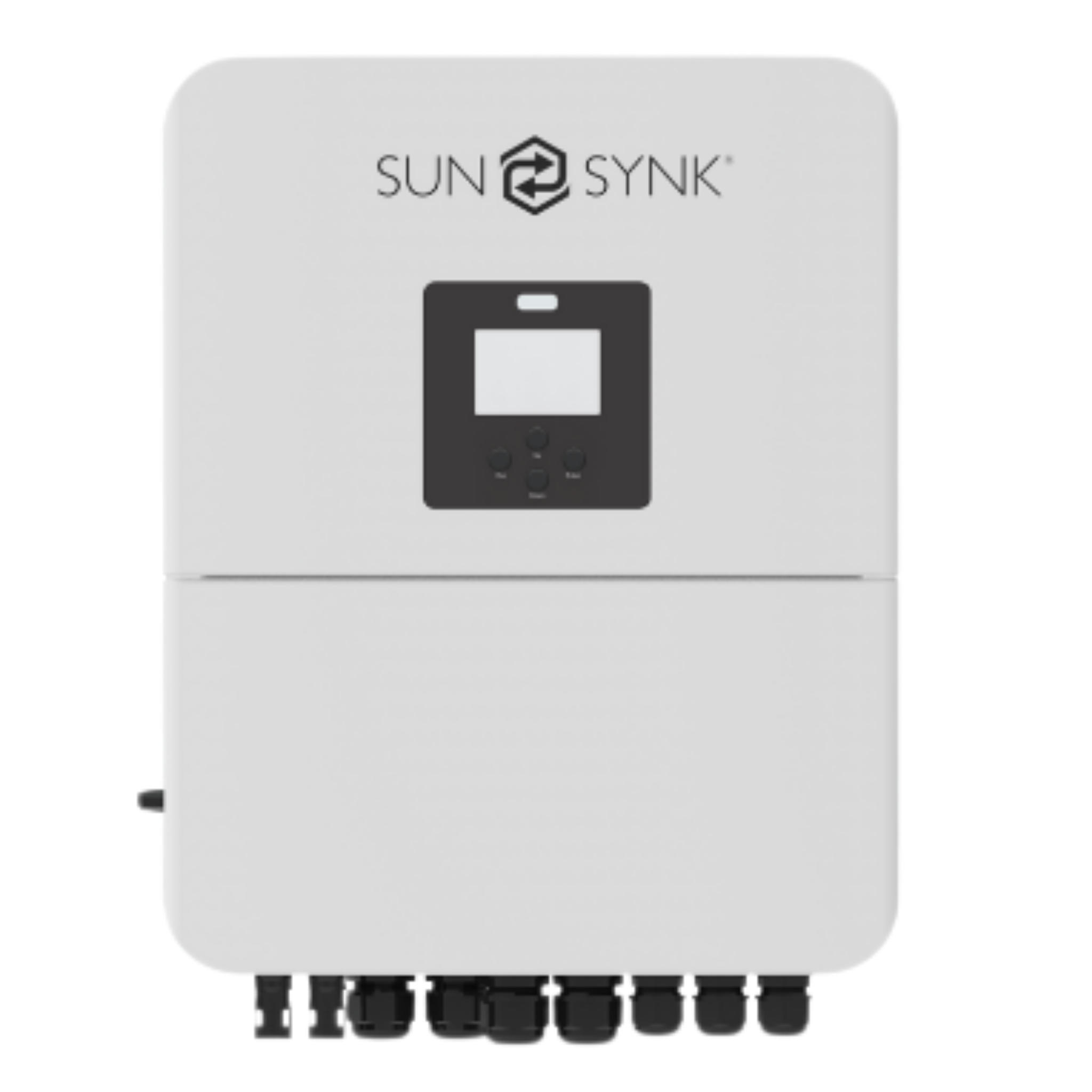
| Sunsynk SUNSYNK-5K-SG03LP1 | 5kW, single phase, low-voltage hybrid | Flexible 5kW home system with solar, battery, grid and generator inputs | Confirm installer support, battery protocol and warranty registration |
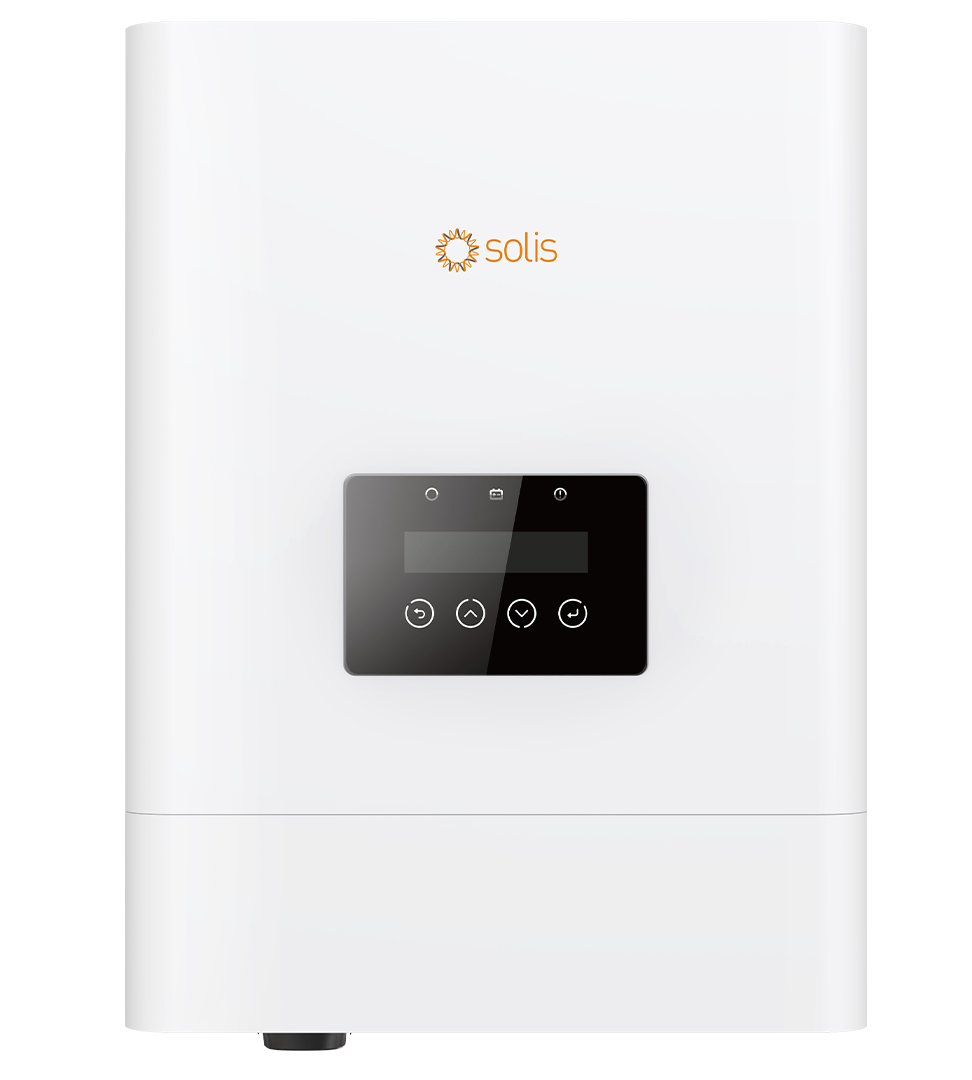
| Solis S6-EH1P(3-10)K-L-PLUS | 3kW to 10kW, single phase, low-voltage hybrid | Buyers wanting several size options in one product family | Confirm exact model and the conditional warranty that applies |
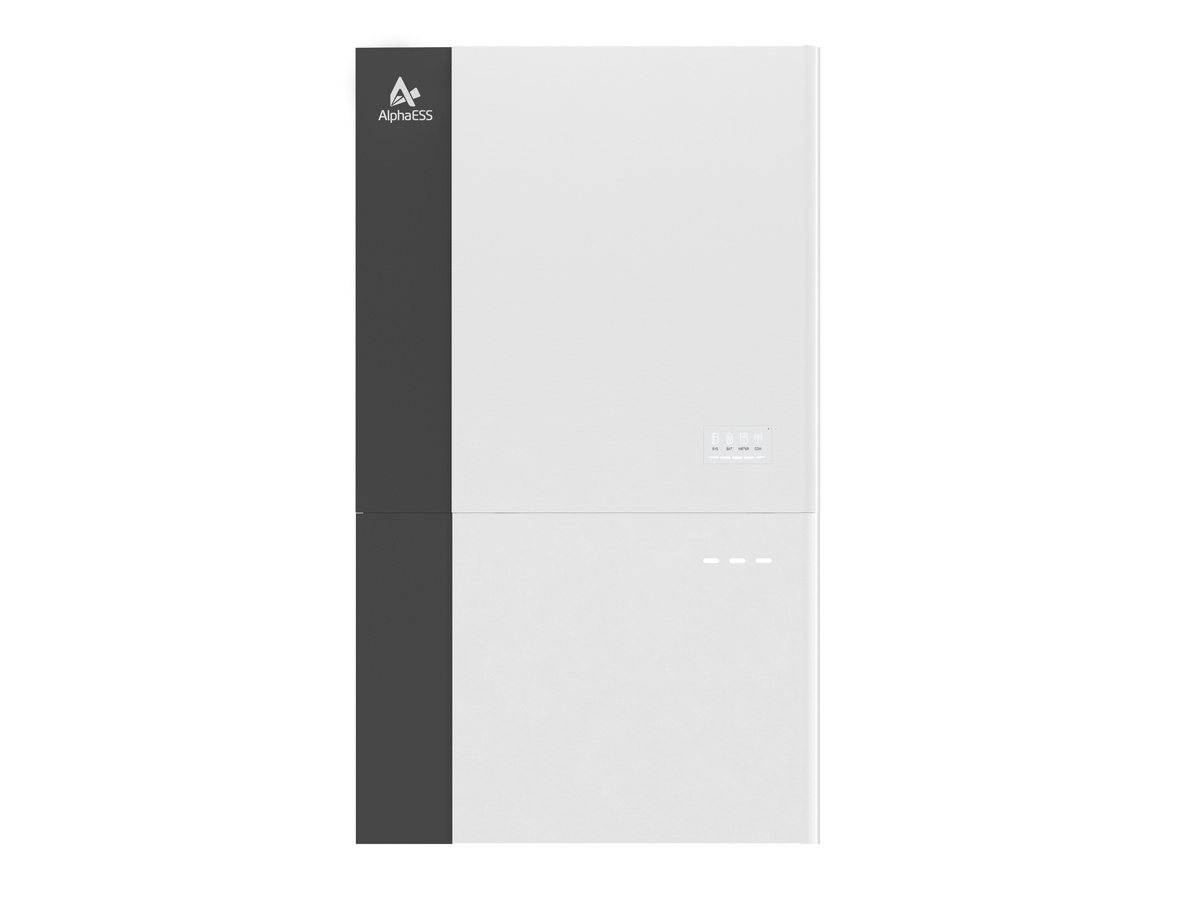
| AlphaESS SMILE-G3 | 3.68kW or 5kW integrated system | Homeowners who prefer a matched inverter and battery package | Expansion options depend on the selected battery modules |
| Sigenergy SigenStor | 3kW to 6kW single phase; 5kW to 25kW three phase | Premium modular homes, three-phase sites and possible DC EV charging | Compare total installed-system cost, gateway and battery configuration |
This shortlist is not exhaustive. Deye, Growatt, Huawei, Luxpower, Mecer and other brands may suit a project. A quote should be accepted or rejected on the exact model, design and support arrangement, not on brand familiarity alone.
What makes an inverter suitable for a South African home?
An inverter converts DC electricity from solar panels or a battery into AC electricity used by household circuits. A hybrid model can coordinate panels, battery and grid, but the word "hybrid" does not tell you how much it can power or what happens when the grid fails.
Judge an inverter on these factors:
- Continuous output: the power it can supply steadily, measured in kW or kVA.
- Backup output: some units have different grid-connected and backup limits.
- Surge capability: motors and compressors can draw extra power when starting.
- Phase configuration: single-phase and three-phase properties require different designs.
- Solar input limits: MPPT voltage, current and string design must match the panels.
- Battery compatibility: the inverter and battery management system must communicate correctly.
- Grid compliance: the exact model must meet the distributor's current requirements.
- Warranty and support: registration, installer credentials, proof of purchase and a valid CoC may affect a claim.
Read our inverter sizing guide before comparing brands. A 5kW label does not mean every 5kW unit will start the same pump, accept the same solar array or deliver 5kW indefinitely from a small battery.
Sunsynk 5kW hybrid inverter
Sunsynk's official page identifies the SUNSYNK-5K-SG03LP1 as a 5kW, single-phase, low-voltage hybrid inverter. It has two MPPTs, an IP65 enclosure and connections for solar, battery, grid and generator. The product page also describes grid-tied, off-grid and UPS use.
That combination makes it a practical candidate for a conventional home system where the owner wants flexible energy-flow settings and a separate battery. Its popularity can also make it easier to find installers familiar with the interface, but local experience still needs to be checked rather than assumed.
The warranty process deserves attention. Sunsynk's South African warranty registration page asks for proof of purchase, installation photographs and a Certificate of Compliance number. Before buying, ask who will register the unit, keep those records and manage a claim.
Best for: a 5kW single-phase home that wants a configurable hybrid system and has access to a competent Sunsynk installer.
Check before signing: the exact battery on the compatibility list, backup-circuit design, firmware support and written warranty process.
Solis S6 low-voltage hybrid inverter
The Solis South Africa inverter catalogue lists the S6-EH1P(3-10)K-L-PLUS residential low-voltage hybrid family from 3kW to 10kW. That spread is useful because the designer can choose a capacity closer to the home's measured load without switching to a different product family.
Solis also publishes unusually specific regional warranty information. Its South Africa warranty terms, effective from July 2025, list a conditional ten-year limited warranty for Solis energy-storage inverters up to and including 10kW. Larger energy-storage inverters, grid-tied models and off-grid products have different periods. Conditions and exclusions apply, so the quote should name the product class and model.
Best for: a buyer who wants a low-voltage hybrid in a specific 3kW to 10kW size and values published regional warranty terms.
Check before signing: who provides first-line technical support, which battery protocols are approved, and whether the quoted unit is an energy-storage model covered by the stated terms.
Our detailed Sunsynk versus Solis comparison covers the trade-offs between these two common choices.
AlphaESS SMILE-G3
AlphaESS takes a more integrated approach. Its SMILE-G3 data sheet lists 3.68kW and 5kW single-phase inverter options with AlphaESS battery modules. Published battery choices include nominal capacities of 3.8kWh, 8.2kWh and 10.1kWh, with stated usable capacities of 3.6kWh, 7.8kWh and 9.6kWh.
A matched system can simplify compatibility decisions because the inverter, battery management and monitoring come from the same platform. The trade-off is that future changes are more closely tied to that ecosystem. Ask what can be expanded, what happens if a module is discontinued, and whether the installer supports the complete system rather than only one component.
Best for: a homeowner who values a tidy matched system and wants one support path for the inverter and battery.
Check before signing: the selected battery model, usable capacity, indoor or outdoor rating, backup output and expansion rules.
Sigenergy SigenStor
Sigenergy's SigenStor product information describes an integrated platform combining an energy controller, battery modules and optional EV charging. The manufacturer lists single-phase inverter sizes from 3kW to 6kW and three-phase sizes from 5kW to 25kW. Its battery modules are listed at 5.38kWh and 8.06kWh total capacity, with up to six modules per controller in the published configuration.
This makes SigenStor interesting for a premium installation, a three-phase property or a home planning integrated DC EV charging. Those features add value only if the household will use them. A simpler 5kW hybrid can be the stronger financial choice for ordinary essential-load backup.
Best for: a modular premium project, especially where three-phase capacity, a compact integrated design or future EV charging matters.
Check before signing: the full bill of materials, gateway requirements, usable battery capacity, backup design and local support arrangement.
What size inverter do you need?
Size the inverter for the loads that may run at the same time, not the home's monthly kWh alone. A kettle may draw roughly 2kW for a few minutes, while a fridge uses far less energy overall but can have a startup surge. A 5kW inverter can reach its limit quickly if a kettle, microwave, geyser and pump overlap.
A useful design process is:
- list the circuits that must work during an outage;
- record each load's running power and likely startup surge;
- identify appliances that can be excluded or scheduled;
- calculate realistic simultaneous demand; and
- leave appropriate headroom for normal use and future changes.
Our guide to what a 5kW inverter can run provides practical load combinations. Do not use it as permission to connect every appliance at once.
3.6kW versus 5kW
A 3kW to 3.6kW hybrid can cover lights, connectivity, refrigeration, entertainment and selected plugs when heavy appliances are managed. A 5kW unit gives a typical home more flexibility, but it still needs essential circuits and user discipline if high-power appliances overlap.
8kW and larger
An 8kW inverter may suit a high-demand home, a larger solar array or a broader backup brief. It should not be chosen simply to avoid doing a load calculation. Battery discharge power, wiring, protection, distributor limits and the property's supply all need to support the design.
Three-phase homes
A three-phase property does not automatically need three separate inverters, but it does need a phase-aware design. Some systems back up selected loads on one phase; others use a true three-phase inverter. Read our three-phase solar guide before accepting a quote that leaves the phase strategy unexplained.
Hybrid versus grid-tied inverter
A grid-tied inverter is designed to operate with the grid and normally shuts down during an outage to prevent unsafe islanding. A hybrid inverter can work with a battery and provide backup through a correctly designed essential-load or backup output.
That does not mean every home must buy a hybrid. A business focused only on daytime bill reduction may prefer a grid-tied design. A home focused on outage resilience usually needs storage and suitable backup functionality. Our hybrid versus grid-tied comparison explains the difference in more depth.
Approval and registration checks
Never rely on a brand-level statement that an inverter is "approved". Distributors and municipalities can assess exact model numbers and firmware or certification requirements. Ask the installer to show that the quoted model is accepted for your supply area and to state who handles registration.
Cape Town, for example, publishes an approved equipment list as part of its small-scale embedded generation process. Other distributors use different processes. Our SSEG registration guide explains the national framework and why a CoC alone is not the same as distributor approval.
Questions to ask on every inverter quote
- What is the exact model number and phase configuration?
- What continuous and surge power is available on the backup output?
- Which circuits will be backed up?
- How much solar input can each MPPT accept with the proposed panels?
- Which battery models and firmware versions are supported?
- Is the exact inverter accepted by the local distributor?
- Who registers the warranty and keeps the required evidence?
- Who provides local technical support if monitoring or firmware fails?
- Can the system expand without replacing the inverter?
SolarGuide is an independent referral partner. We help homeowners compare choices and request an assessment. The installation partner must confirm the final model, system design, compliance, price and warranty.
Request a solar quote with your latest bill, supply phase, essential-load list and future plans. Those details are enough to turn a brand conversation into a proper design.
Not sure which system you need?
Get a free, no-obligation quote sized to your home, usage and budget. It only takes a minute.
Get your free quote →Frequently asked questions
What is the best solar inverter brand in South Africa?
There is no universal winner. Sunsynk suits a flexible conventional hybrid design, Solis offers a broad 3kW to 10kW low-voltage range, AlphaESS provides a matched system, and Sigenergy targets modular premium installations. The best choice is the exact approved model that fits your load and has a practical local support route.
Is a 5kW inverter enough for a house?
It can be enough for a typical home with managed essential loads, but not for every appliance at once. Simultaneous load, motor startup, battery discharge power and the backup-circuit design decide what it can run.
Should I buy a hybrid inverter?
Choose a hybrid if you want solar, battery and grid managed together with outage backup. A grid-tied inverter can be appropriate for daytime savings where backup is not required.
Can any battery work with any inverter?
No. Voltage is only one part of compatibility. The inverter and battery management system also need a supported communication protocol, suitable charge and discharge limits, and approved firmware.
Does an inverter need municipal approval?
The complete embedded-generation system may need distributor authorisation, and many distributors check the exact inverter model against accepted equipment or certification requirements. The rules depend on the supply authority and system type.
SolarGuide is an independent referral partner. We help you compare options and arrange a free quote — Alumo supplies, installs, finances and warrants the systems. Pricing is indicative, sourced from Alumo’s published catalogue, and subject to a site assessment and credit approval.