Somewhere in the middle of getting solar quotes, plenty of South Africans hit a word that stops them short: three-phase. Maybe an installer mentioned your home has a three-phase supply, or a neighbour warned that three-phase makes solar complicated and expensive. Suddenly a straightforward project feels like it needs an electrical engineering degree. It doesn't, but it is worth understanding, because getting this call right saves you real money and real hassle.
Here's the reassuring part: most South African homes are single-phase, and single-phase solar is simple and well understood. If you have three-phase supply, solar is still entirely possible. There are just a few more design choices, plus one question worth getting right: do you actually need to keep all three phases backed up? This guide explains what phases are, how to tell which you have, and how to make the call without overpaying.
Key takeaways
Most SA homes are single-phase; larger homes, some estates and small businesses are often three-phase.
Three-phase spreads your electrical load across three supply lines instead of one.
You don't always need to back up all three phases, and that choice heavily affects cost.
The right approach depends on which appliances sit on which phase, so a proper assessment matters.
What "phases" actually means
Electricity reaches your home along live conductors. A single-phase supply has one live line (plus neutral and earth) doing all the work. That's the standard setup for most South African houses. A three-phase supply delivers power across three separate live lines, each offset in timing, sharing the total load between them.
Why would a home have three phases? Historically, it is about capacity and heavy loads. Larger homes, properties with big electric motors (boreholes, large pool pumps, workshop equipment), homes with lots of high-draw appliances, and many small businesses and estate properties were wired three-phase so no single line has to carry everything. Three-phase is also essential for certain industrial motors that are built to run on it.
For a normal household, three phases mostly means your electrician spread your circuits across three lines. The kitchen might be on one, the geyser and pool on another, bedrooms on a third. Nothing about that requires three-phase; it's just how the property was wired.
How to tell what you have
Before worrying about design, find out which supply you actually have. There are a few reliable tells.
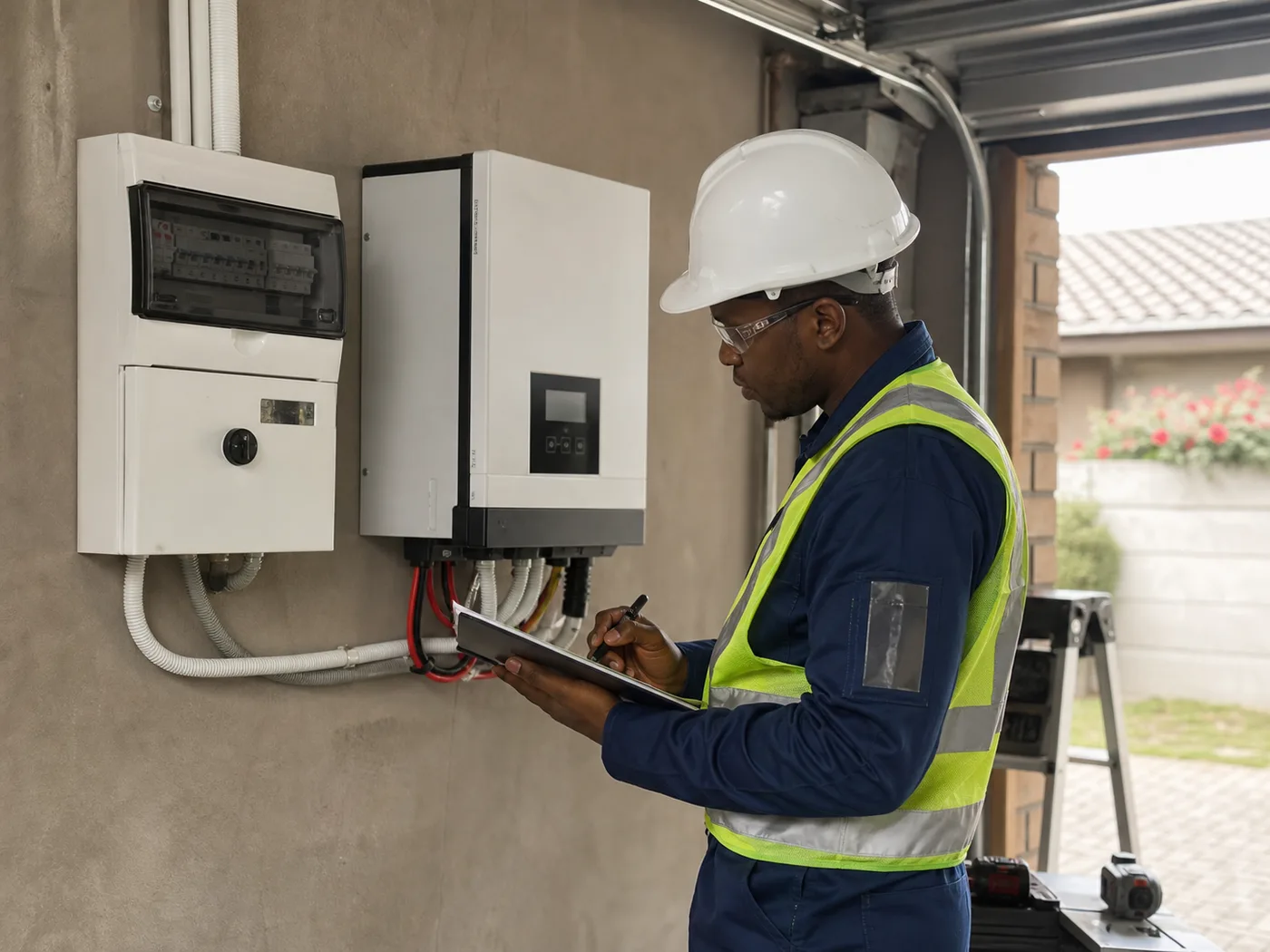
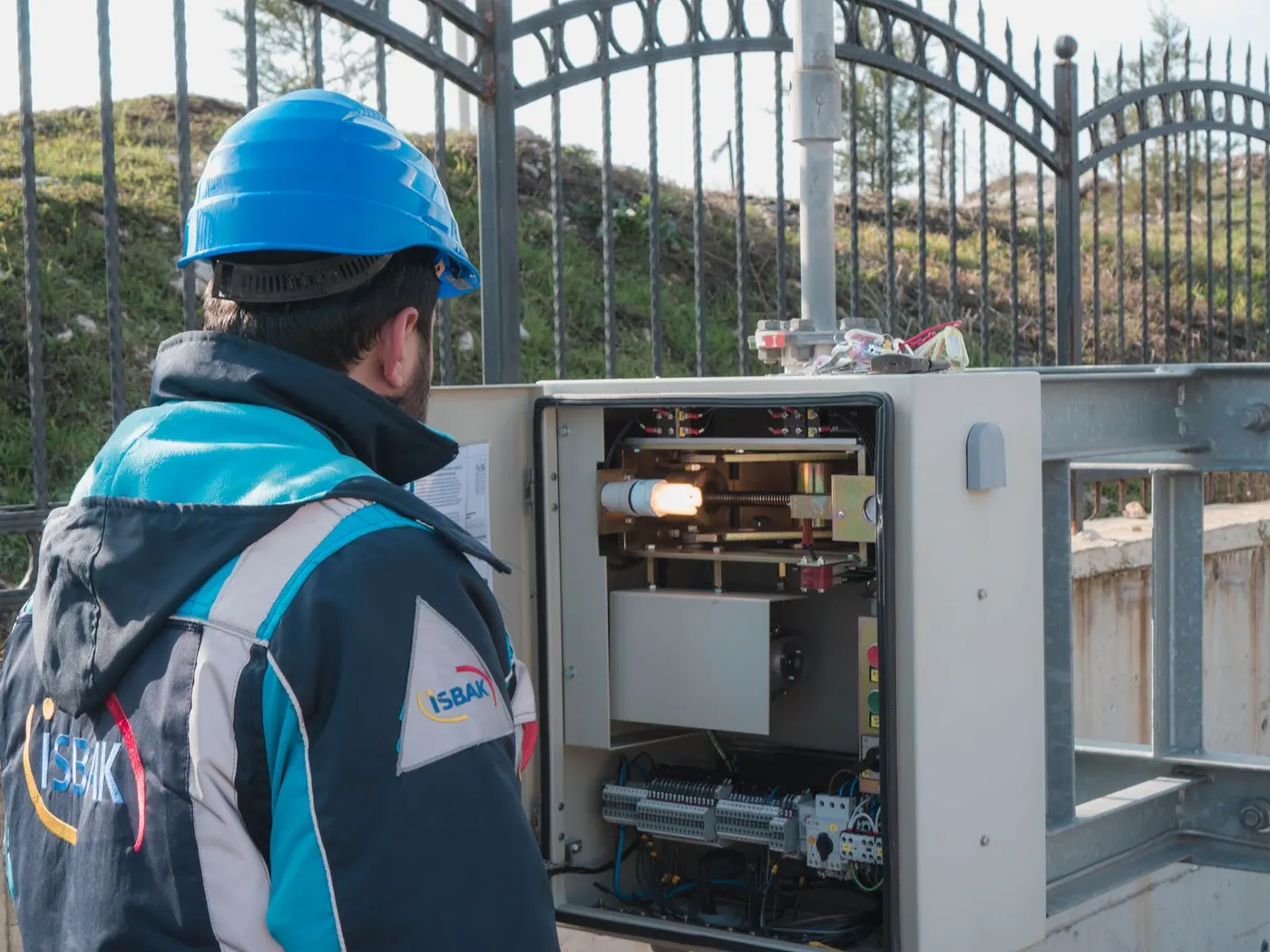
Look in your distribution board. A single-phase board has one main incoming switch feeding the busbar. A three-phase board usually shows a larger main switch with three poles, and you'll often see circuits grouped in threes or labelled across phases. Three-phase main switches are physically wider and marked accordingly.
Your municipal electricity bill or connection agreement may state the supply type or the size of connection. The surest method is simpler still: an electrician or solar assessor confirms it in minutes during a site visit. If you're genuinely unsure, don't guess from the roof or the meter. Have it verified, because the whole system design hinges on it.
Do you actually need three-phase solar?
This is the question that saves money, so it deserves care. Having a three-phase supply does not automatically mean you need a three-phase solar system backing up every phase. There are a few sensible routes.
Back up one phase
Often the cleverest and most affordable approach is to back up a single phase with a single-phase inverter and battery, and move the circuits you care about most during load-shedding onto that phase. Your lights, plugs, Wi-Fi, fridge, TV and other essentials get consolidated onto the backed-up phase; the heavy loads you can live without during an outage (like the geyser or pool pump) stay on the other phases, running when the grid is up. For many three-phase homes this delivers everything they actually want at a fraction of the cost of backing up all three.
Back up all three
If you genuinely need power across all three phases during outages, perhaps because essential equipment is split unavoidably across them, or you run three-phase motors that must keep going, then you need either a three-phase inverter or multiple inverters configured together. This is more capable and more expensive. It's the right answer for some homes and most three-phase businesses. The key is knowing which camp you're in.
Not sure which system you need?
Get a free, no-obligation quote sized to your home, usage and budget. It only takes a minute.
The reason this cannot be answered from a brochure is that everything depends on which appliances sit on which phase in your specific home. Two three-phase houses can need completely different solutions.
If your essentials happen to be conveniently grouped, consolidating them onto one backed-up phase is easy and cheap. If they're scattered (a fridge on phase one, the router on phase two, half your lights on phase three), an electrician may need to rebalance circuits, or you may lean toward a three-phase solution. A three-phase motor, like some borehole or large pool pumps, genuinely needs three-phase power and can't run off a single-phase backup at all, which can force the design either way.
This is exactly why a three-phase home should never buy solar off a generic online quote. A qualified assessor needs to open your board, see how your loads are distributed, and design around your reality. Done well, it's often simpler and cheaper than owners fear. Get a free Alumo quote →
What it means for cost and equipment
Broadly, single-phase backup is the cheapest path and covers what most households want. Backing up all three phases costs more, because three-phase inverters and larger battery banks carry a higher price, and it's usually justified only when the loads truly demand it.
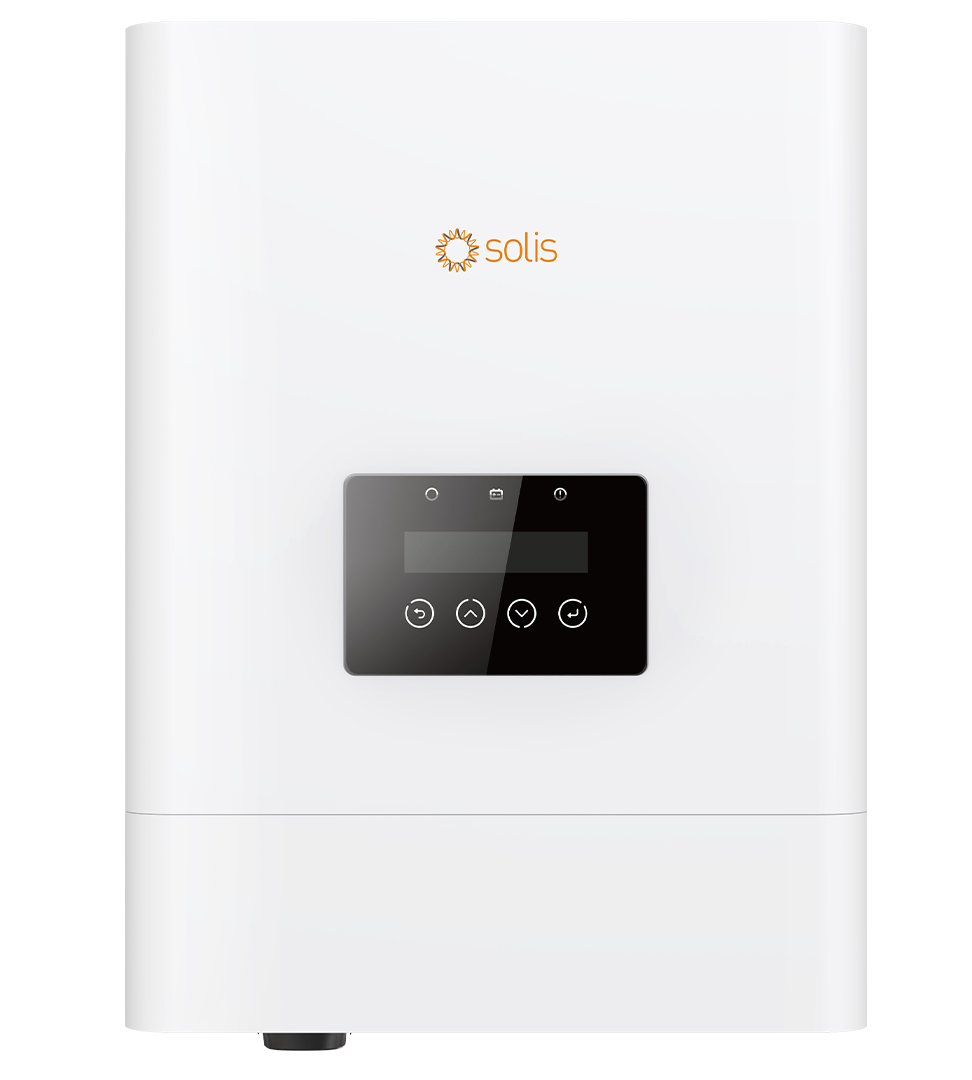
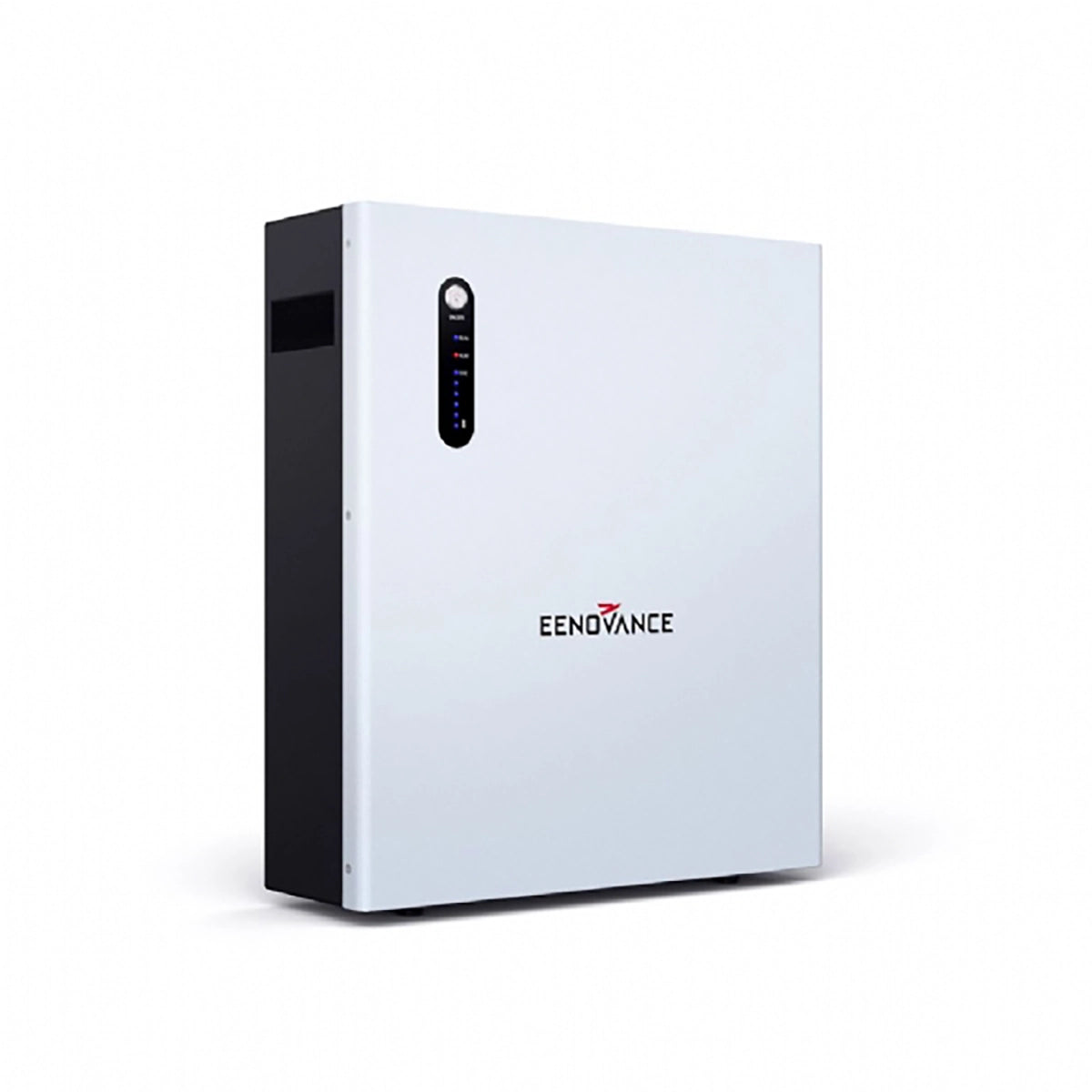
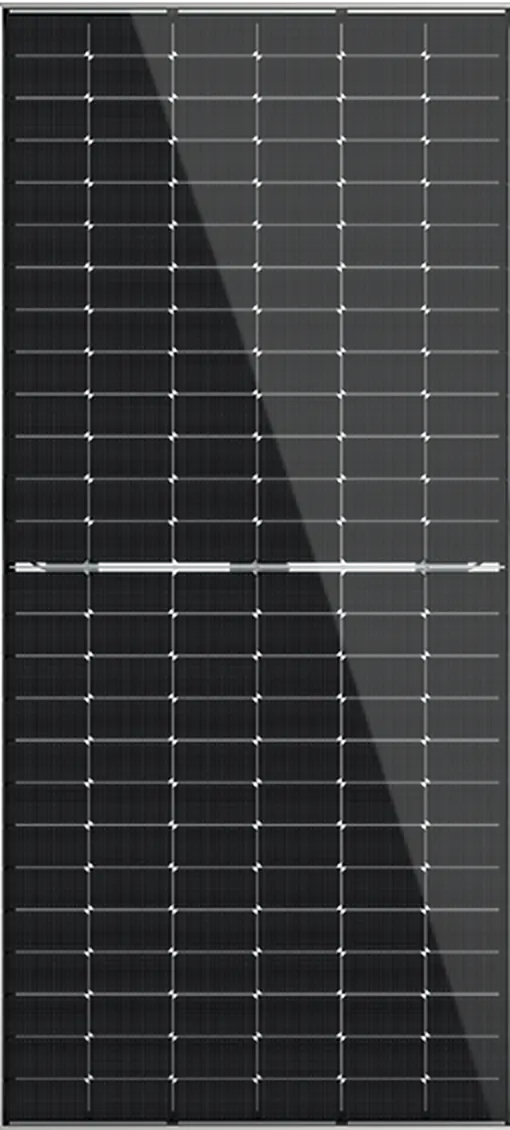
Alumo's current solar-plus-battery rent-to-own range uses a Solis 5kW inverter and Eenovance 5.32kWh battery: Watt-a-Deal has three 615W panels from R1,418/month, The Big Watt has four from R1,487/month, and The Power Bae has six from R1,626/month on a seven-year term. Three- and five-year prices, solar-only configurations and battery-only pricing are available on our current package comparison.
This is an indicative starting point. The site assessment and signed quote confirm the system, current price, equipment, savings and backup time. Rent-to-own payments increase by 6.5% each year.
Frequently asked questions
How do I know if my house is single-phase or three-phase?
Check your distribution board and main switch: a three-phase supply has a wider, multi-pole main breaker and circuits often grouped in threes, while single-phase has one main switch. Your municipal connection agreement may also state it. The surest way is to have an electrician or solar assessor confirm it during a site visit.
Can I put solar on a three-phase house?
Yes, absolutely. You can either back up one phase with a single-phase inverter (consolidating your essential circuits onto it), or back up all three phases with a three-phase or multiple-inverter setup. Which is right depends on how your loads are distributed and whether you have any true three-phase equipment. A site assessment determines the best approach.
Is three-phase solar more expensive?
It can be. Backing up all three phases requires three-phase inverters or multiple units and usually more battery, which costs more than a single-phase system. That is why many three-phase homes choose to back up only the phase carrying their essentials — often delivering what they actually need at a much lower cost.
Do I need to back up all three phases?
Usually not. Unless essential loads are unavoidably split across all phases, or you run three-phase motors that must keep operating, backing up a single phase with your essentials consolidated onto it is often enough. Three-phase motors like some borehole or large pool pumps are the main exception, as they genuinely need three-phase power.
Who decides whether I need three-phase solar?
SolarGuide is an independent referral partner. Alumo carries out the site assessment — confirming your supply type, inspecting how your circuits are distributed, and designing the right single- or three-phase solution — then supplies, installs, finances and warrants it. All pricing here is indicative and subject to that assessment and credit approval. We simply help you compare and get a free quote. Get a free Alumo quote →
SolarGuide is an independent referral partner. We help you compare options and arrange a free quote — Alumo supplies, installs, finances and warrants the systems. Pricing is indicative, sourced from Alumo’s published catalogue, and subject to a site assessment and credit approval.