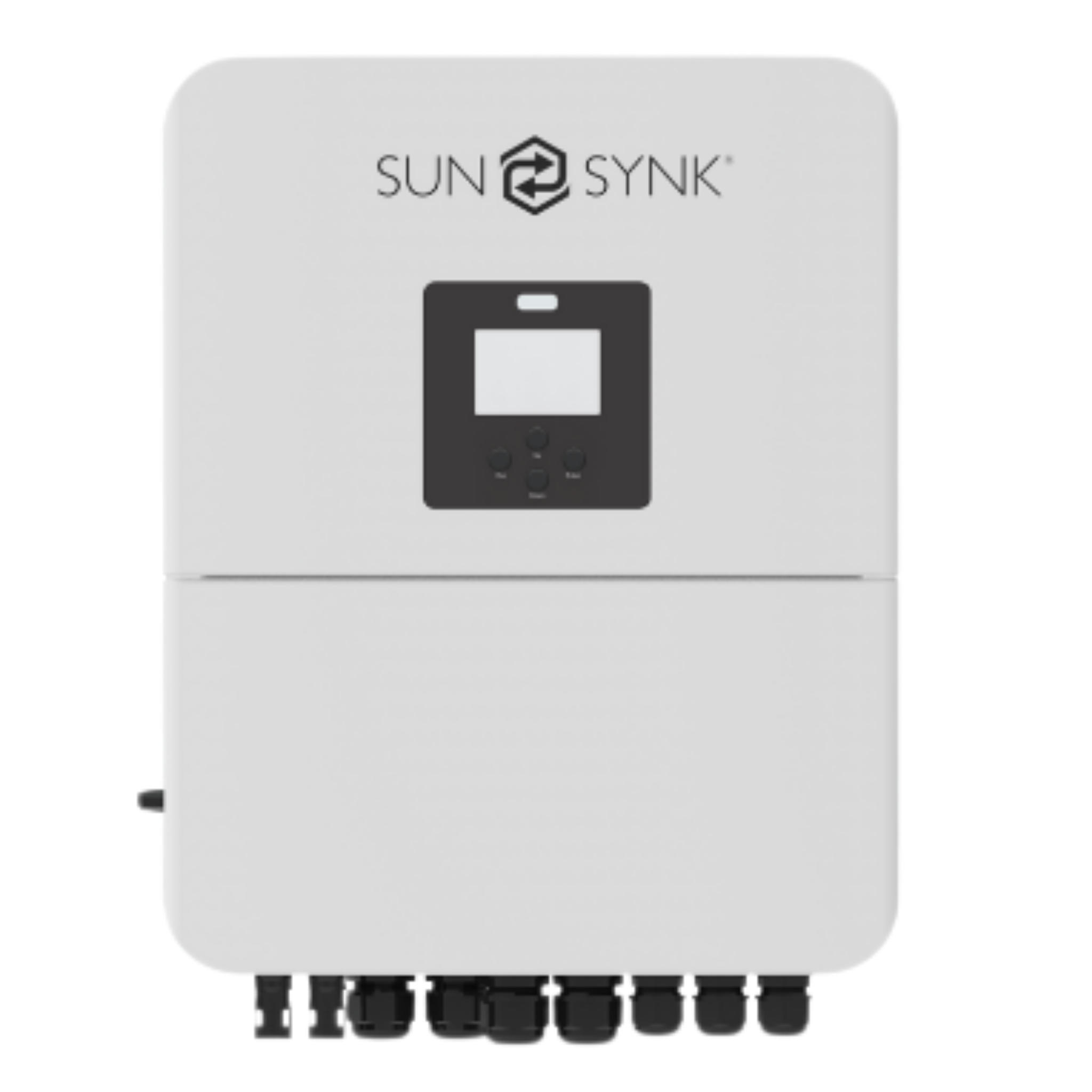
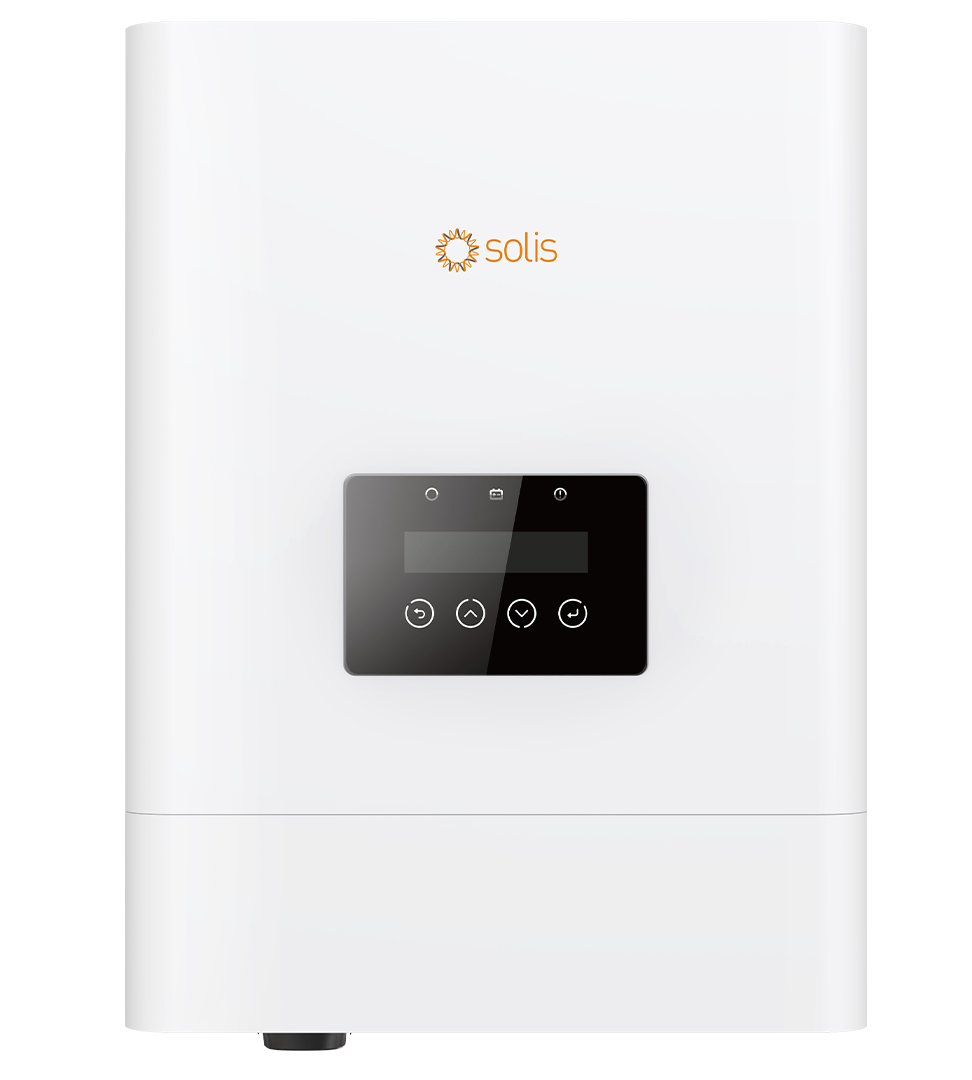
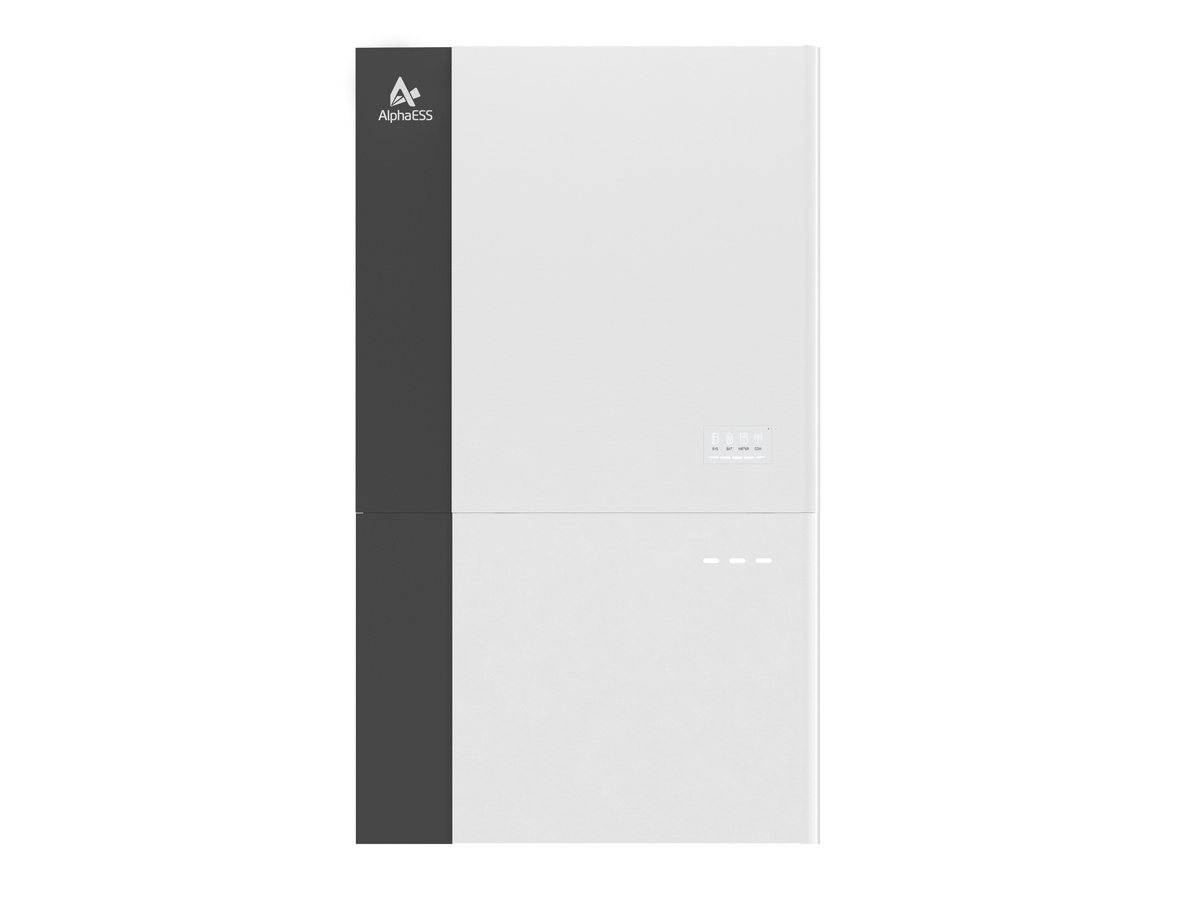
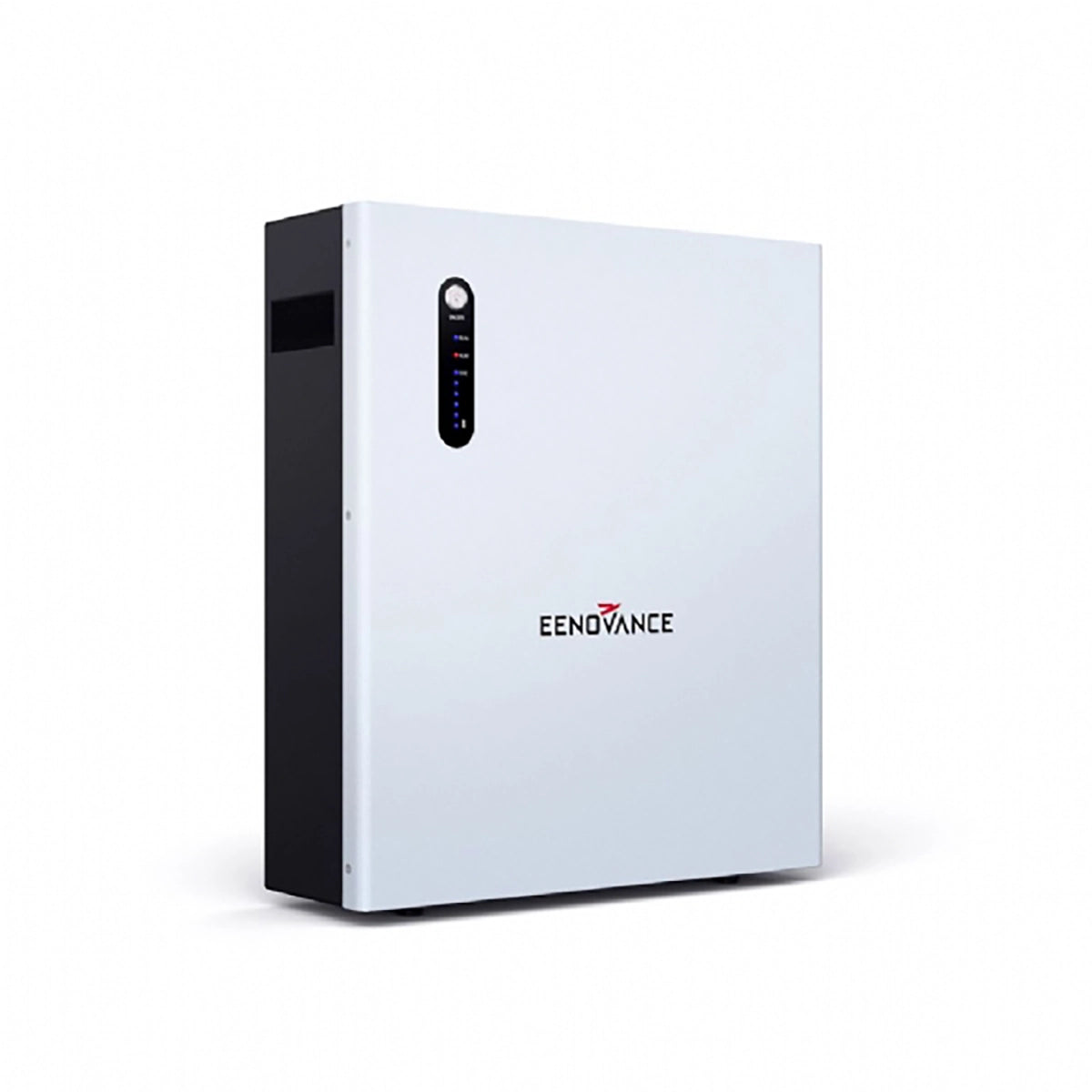
The right inverter and battery pairing matters more than a headline kW or kWh figure. See the models currently listed by SolarGuide, then ask for a quote based on your home and usage.
Here's a scenario that catches South Africans out every year. Someone installs solar to save money, the panels work beautifully, their daytime bill drops, and then load-shedding hits and the whole system goes dark along with the neighbourhood. They're baffled. They have solar on the roof, the sun is shining, and yet they have no power. The culprit is almost always the inverter type: they bought a grid-tie inverter when what they actually wanted, in an Eskom-shaped country, was a hybrid.
Hybrid versus grid-tie is one of the decisions people most often get wrong in home solar. The two sound like variations on a theme, but they behave completely differently the moment the grid fails. This guide explains the difference in plain language, so you never end up sitting in the dark next to a working solar array wondering what went wrong.
Key takeaways
A grid-tie inverter feeds solar into your home and the grid but shuts down during load-shedding: no battery, no backup.
A hybrid inverter adds a battery and keeps your home running when the grid fails, switching over automatically.
In load-shedding South Africa, most homeowners want a hybrid. Grid-tie alone leaves you dark when you most need power.
The right choice depends on your goal: pure bill savings versus keeping the lights on through outages.
Grid-tie: solar without a safety net
A grid-tie (or grid-tied) inverter is the simplest kind. It takes the DC power from your panels, converts it to the AC power your home uses, and runs your appliances during the day. Any excess can be exported to the grid where feed-in arrangements allow. It's efficient, relatively cheap, and genuinely good at one thing: cutting your daytime electricity bill while the sun is up.
But it has a hard limitation baked in for safety. When the grid goes down, whether from load-shedding or a fault, a grid-tie inverter shuts itself off. This is deliberate. It prevents your system from back-feeding electricity into lines that technicians may be working on, which is a real safety requirement. The consequence, though, is stark. No grid means no output, even in bright sunshine, because a grid-tie inverter has no battery to draw from and nothing to safely island your home onto. In a country with scheduled blackouts, that's a serious catch.
Hybrid: solar that stays on
A hybrid inverter does everything a grid-tie one does, then adds the part that matters here: a battery. It manages three energy sources at once (your panels, your battery and the grid) and decides moment to moment which to draw from. During the day it runs your home on solar and charges the battery. When the grid fails, it disconnects safely from the grid and keeps your home running on stored energy and live solar, switching over so fast you often barely notice.
That fast switchover is the whole point in South Africa. Load-shedding becomes a non-event: the lights stay on and the fridge keeps humming. A hybrid inverter is what turns "solar" from a daytime bill-reducer into real backup. It's why virtually every home system Alumo installs is built around a hybrid inverter, and why our deeper explainer on what a hybrid inverter is is one of the most useful things to read before you buy.
Not sure which system you need?
Get a free, no-obligation quote sized to your home, usage and budget. It only takes a minute.
Not all backup is created equal. When the grid drops, a good hybrid transfers your home to battery power almost instantly, so sensitive electronics and even desktop computers ride through without rebooting. That near-instant transfer is one of the quiet advantages of a properly specified hybrid system over cobbled-together alternatives, and it's part of what you're paying for when you buy a designed, warranted setup rather than a bare inverter.
So which do you actually need?
Be honest about your goal. If you live somewhere with a rock-solid grid and your only aim is to shave your daytime bill as cheaply as possible, a grid-tie system can make sense. But that describes almost nobody in South Africa. For the vast majority of homeowners here, the reason to go solar is a mix of saving money and escaping load-shedding, and only a hybrid delivers both.
There's a middle nuance worth knowing. Some people ask about pure off-grid inverters, which run entirely on solar and battery with no grid connection at all. Those suit remote properties without reliable grid access, but for a typical suburban home a hybrid is the sweet spot: grid when it's available, battery and solar when it's not, all managed automatically. If you want the fuller spectrum, our guide comparing grid-tied, off-grid and hybrid setups lays it out.
What this means for your system
The practical takeaway is simple: in a load-shedding country, buy the inverter that keeps working when the grid does not. That means a hybrid, matched to a lithium battery and panels, sized to how your home actually lives. You can compare the main inverter and battery brands and see how those components fit together on our equipment guide.
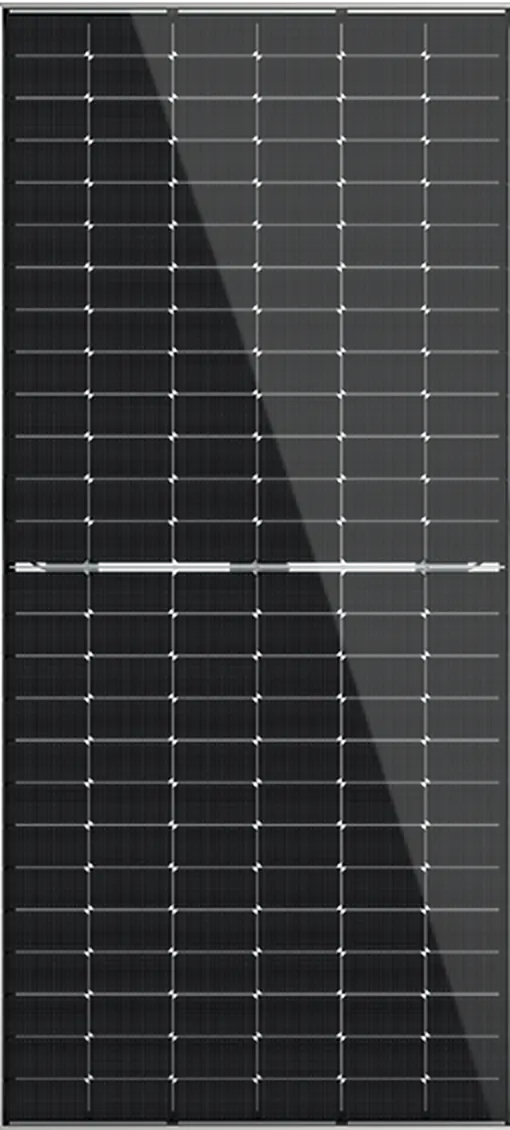
Alumo's current solar-plus-battery rent-to-own range uses a Solis 5kW inverter and Eenovance 5.32kWh battery: Watt-a-Deal has three 615W panels from R1,418/month, The Big Watt has four from R1,487/month, and The Power Bae has six from R1,626/month on a seven-year term. Three- and five-year prices, solar-only configurations and battery-only pricing are available on our current package comparison.
The smartest move isn't to agonise over inverter types in the abstract. Have your home assessed so the hybrid system is sized to your actual load and backup goal. Get a free Alumo quote → and you'll get a design built to keep your lights on through load-shedding, not one that switches off with the street.
If you remember one thing, make it this: a grid-tie inverter saves you money while the grid is up; a hybrid saves you money and keeps you powered when it's down. In South Africa, that second half is the whole reason most people go solar in the first place.
Free tool
Estimate your system & savings
Move the slider to your monthly bill for an instant, indicative suggestion.
This is an indicative starting point. The site assessment and signed quote confirm the system, current price, equipment, savings and backup time. Rent-to-own payments increase by 6.5% each year.
Frequently asked questions
Will a grid-tie inverter work during load-shedding?
No. A grid-tie inverter shuts down when the grid fails, as a safety measure to avoid back-feeding lines that technicians may be working on. Even in bright sunshine it produces nothing during an outage because it has no battery and cannot safely island your home. For backup you need a hybrid inverter.
Is a hybrid inverter worth the extra cost?
For almost every South African home, yes. The extra cost buys you a battery and the ability to keep running through load-shedding, which is the main reason most people go solar here. A grid-tie system only reduces your daytime bill, so it leaves you dark exactly when you most need power.
Can I add a battery to a grid-tie inverter later?
It's not usually a simple add-on, because a grid-tie inverter isn't designed to manage a battery or island your home during an outage. Converting typically means changing to a hybrid inverter. It's far cheaper to install a hybrid from the start if backup is anywhere in your plans, which for most SA homes it is.
What is the difference between a hybrid and an off-grid inverter?
A hybrid inverter uses solar, battery and the grid together, drawing from the grid when it's available and switching to battery and solar when it isn't. A pure off-grid inverter has no grid connection at all and runs solely on solar and battery, which suits remote properties. For a typical suburban home, a hybrid is the practical sweet spot.
Who supplies and warrants the inverter?
SolarGuide is an independent referral partner. Alumo supplies, installs, finances and warrants the systems, and all pricing here is indicative and subject to a site assessment and credit approval. We simply help you compare and get a free quote. Get a free Alumo quote →
SolarGuide is an independent referral partner. We help you compare options and arrange a free quote — Alumo supplies, installs, finances and warrants the systems. Pricing is indicative, sourced from Alumo’s published catalogue, and subject to a site assessment and credit approval.