Myth 1: "Solar doesn't work in winter"
This is probably the most persistent myth, and it's wrong. Solar panels generate from daylight, not heat, so they keep producing through winter. Output does drop (days are shorter and the sun sits lower) but it doesn't stop. In much of the country, and especially on the Highveld, winters are dry and clear, which actually keeps production surprisingly strong exactly when you're leaning on your geyser and heaters.
The real lesson isn't "avoid solar because of winter." It's "size your system so winter is covered." A properly designed system includes enough panels and battery headroom to keep you comfortable through the shorter, weaker days, rather than being sized for a perfect summer alone.
Myth 2: "Cloudy days mean no power"
Panels still generate on overcast days, just less. Diffuse light through cloud cover still produces meaningful output, often a decent fraction of a clear day. And this is exactly what the battery is for: it stores surplus from the sunny hours and days to carry you through the grey ones.
A well-designed system doesn't gamble on perfect weather. It combines panels sized with some margin and a battery that smooths out the dips, so a cloudy afternoon means drawing on stored energy rather than sitting in the dark.
Myth 3: "Solar never pays for itself"
With Eskom and municipal tariffs climbing year after year, the economics have shifted decisively. Every unit of power your system generates is a unit you're not buying at an ever-rising price, and that gap only widens over time. The payback period depends on your usage, your tariff and how you finance the system, but the idea that solar is a money pit belongs to a much earlier, more expensive era of the technology.
Finance has changed the picture too. Options like rent-to-own and subscription models mean your monthly payment can be set against what you'd otherwise pay for electricity, rather than demanding a large cash outlay first. To see how the sums work for your home, Get a free quote →.
Not sure which system you need?
Get a free, no-obligation quote sized to your home, usage and budget. It only takes a minute.
Get your free quote →Myth 4: "You have to go completely off-grid"
Off-grid living (cutting the municipal connection entirely) is possible but expensive, because it forces you to size for every worst-case day with no fallback. Very few South Africans actually do it, and most don't need to.
The mainstream choice is a hybrid system: solar and battery do the heavy lifting, and the grid is there as a backup for the rare stretch when you need it. You get the resilience of solar and the safety net of the grid, at a fraction of the cost of true off-grid independence. For most homes, hybrid is simply the smarter design.
Myth 5: "Solar needs constant, expensive maintenance"
Modern residential solar is remarkably low-maintenance. There are no moving parts in the panels, and quality inverters and batteries from brands like Sunsynk, AlphaESS and Trina are built to run for years with minimal intervention. In most of the country, occasional rain keeps panels clean enough, and a periodic check-up is about all a well-installed system asks of you.
The maintenance myth often comes from stories about cheap, poorly installed systems failing early. The fix isn't to avoid solar; it's to use a reputable installer whose work is properly certified and warranted.
Myth 6: "You need a fortune upfront"
A decade ago, solar meant a big cash cheque. Today, finance options have transformed access. Rent-to-own arrangements, subscription plans you can cancel after a couple of years, and longer-term rent-to-own deals mean you can get a quality system for a manageable monthly payment instead of a lump sum.
Alumo's current solar-plus-battery rent-to-own range uses a Solis 5kW inverter and Eenovance 5.32kWh battery: Watt-a-Deal has three 615W panels from R1,418/month, The Big Watt has four from R1,487/month, and The Power Bae has six from R1,626/month on a seven-year term. Three- and five-year prices, solar-only configurations and battery-only pricing are available on our current package comparison.
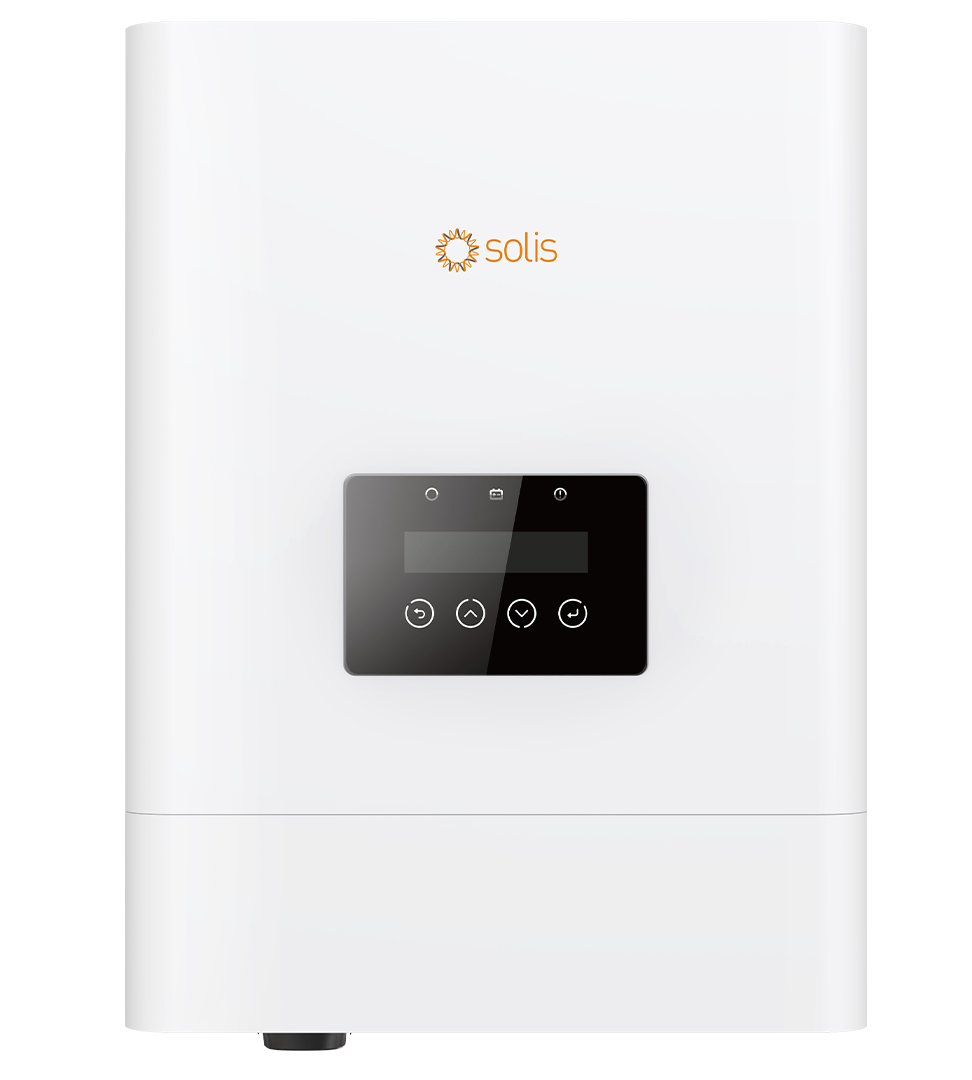
R1,418/mo · 3, 5 or 7 years
- • Solis 5kW inverter
- • Eenovance 5.32kWh battery · Runtime depends on connected appliances
- • 3 × 615W panels
Get a free quote →Myth 7: "More panels always means more savings"
Beyond a point, extra panels just produce surplus you can't use. Once your array covers your daytime load and fully charges your battery, additional panels generate power you may not be able to store or benefit from. That's money spent on capacity that sits idle. Right-sizing beats oversizing every time.
The flip side matters too: an oversized quote is a common way to inflate a price. Understanding this helps you push back on a quote that seems to be selling you more system than your usage justifies.
Myth 8: "The number of bedrooms decides the system size"
Bedroom count is a poor guide to electricity usage. What actually sizes a system is your daily kilowatt-hour consumption, driven by your geyser, pool pump, aircon and cooking, not by how many rooms you sleep in. A modest three-bedroom home with gas cooking can use far less than a two-bedroom flat running electric everything.
This is why any credible sizing starts with your municipal bill and a look at your roof, not a quick assumption from the floor plan. Get a free quote → and a technician sizes a system against your real usage, cutting through every myth on this list at once.
Frequently asked questions
Does solar really work on cloudy days in South Africa?
Yes. Panels still generate meaningful power from diffuse light on overcast days, just less than on clear ones. A properly sized system with a battery stores surplus from sunny periods to carry you through cloudy stretches, so you're not left without power.
Do I need to go off-grid to benefit from solar?
No. Most South Africans run a hybrid system where solar and battery handle the bulk of their needs and the grid stays as a backup. It delivers the resilience of solar without the far higher cost of true off-grid independence, and suits the vast majority of homes.
Is solar high-maintenance?
No. Modern residential systems have no moving parts in the panels and use durable inverters and batteries designed to run for years with minimal intervention. Occasional rain keeps panels clean in most areas, and a periodic check-up is generally all that's needed — provided the system was installed properly by a reputable company.
Can I afford solar without a big lump sum?
Yes. Finance options such as rent-to-own, subscription plans and longer-term arrangements let you pay a manageable monthly amount instead of a large upfront cost, often set against what you'd otherwise spend on electricity. Entry-level packages keep the monthly figure low.
How do I know what my home actually needs?
Through a site assessment. Alumo supplies, installs, finances and warrants the systems; SolarGuide is an independent referral partner that helps you compare options and get a free, no-obligation quote. Pricing is indicative and subject to a site assessment and credit approval.
SolarGuide is an independent referral partner. We help you compare options and arrange a free quote — Alumo supplies, installs, finances and warrants the systems. Pricing is indicative, sourced from Alumo’s published catalogue, and subject to a site assessment and credit approval.