"Solar rental" is the phrase South Africans reach for when they want solar without the capital outlay, and it covers three quite different arrangements. One of them ends with you owning the system. One of them never does. The third sits in between, and the contract you sign decides which one you are actually in. The monthly figures can look almost identical on a brochure, which is exactly why it pays to know the difference before you compare prices.
This guide explains what solar panel rental means in practice, how renting, rent-to-own and subscription models differ, what you can expect to pay each month, and which arrangement suits a homeowner, a tenant or a household that might move.
Key takeaways
"Solar rental" in South Africa means one of three things: a pure rental or subscription (you never own the system), rent-to-own (you own it at the end of the term), or a lease-style finance agreement.
Alumo's current subscriptions are the Hot Deal from R1,299/month, Peachy Deal from R1,699/month, and Big Deal from R2,599/month. Maintenance and insurance are included, and the advertised terms include an option to cancel after 24 months; subscription is not ownership.
A pure rental suits tenants and households that value flexibility; rent-to-own usually wins on lifetime cost if you stay put.
Compare system size, what the fee includes, cancellation terms and who carries equipment risk, not just the headline rand figure.
Get a free solar quote
Share your average electricity bill and we’ll arrange a free, no-obligation quote — sized to your home and budget. Rent-to-own, subscription or outright.
Mon–Fri 8am–5pm · Sat 8am–1pm · Free quote across South Africa
What "solar panel rental" actually means
Most people searching for solar panel rental want the same outcome: a working solar and battery system on the roof, a fixed monthly amount, and no six-figure cash outlay. The providers meet that demand with three models, and they use the words rental, lease, subscription and rent-to-own loosely enough that the labels are not a reliable guide. The contract is.
Pure rental or subscription
You pay a fixed monthly fee to use a system that the provider owns, installs and maintains. There is no deposit and no ownership at any point. When the agreement ends, the provider removes the equipment or you sign a new term. This is the model subscription-first brands such as GoSolr are built around, and it is what Alumo offers as its Hot Deal subscription. Our solar subscription explainer covers the mechanics in detail.
Rent-to-own
Alumo currently describes outright systems as bespoke and confirms the cash purchase price after assessing the property and energy use. Rental buyout and cash-equivalent figures should not be treated as a current outright quote.
Lease-style finance
Some banks and finance houses offer a lease or instalment agreement secured against the equipment or against your bond. The monthly feel is similar to rent-to-own, but the counterparty is a lender rather than the installer, and the installer is paid upfront. If you are considering this route, read our guide to financing solar through your home loan first, because the interest and term change the total cost more than the equipment does.
What a solar rental costs each month
Pricing is quote-based because the system has to match your roof, your usage and your credit profile, so treat every figure as indicative and subject to a site assessment and credit approval. That said, the published Alumo entry points give a realistic sense of the range:
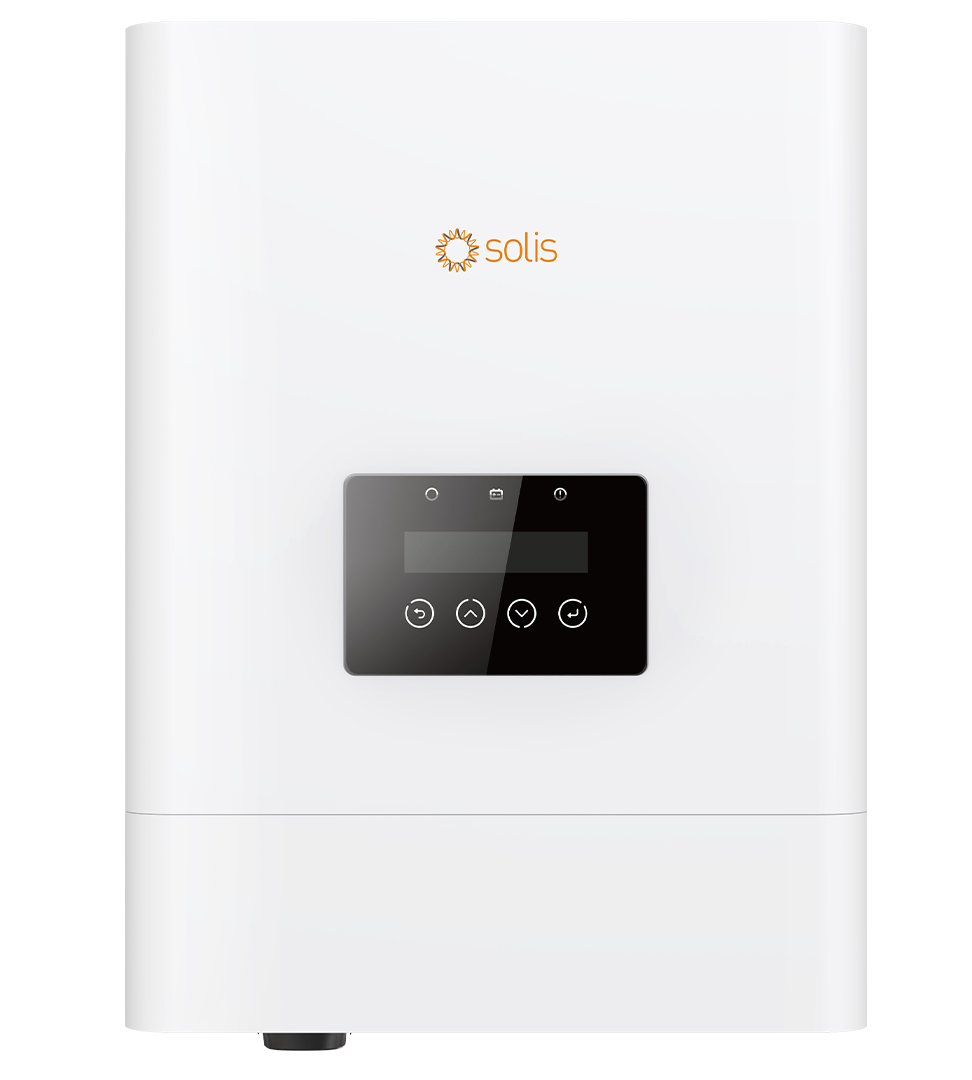
Subscription (Hot Deal): a Solis 5kW inverter and Eenovance 5.32kWh battery from R1,299/month; confirm the panel count in the quote. The advertised agreement includes an option to cancel after 24 months.
Alumo's current solar-plus-battery rent-to-own range uses a Solis 5kW inverter and Eenovance 5.32kWh battery: Watt-a-Deal has three 615W panels from R1,418/month, The Big Watt has four from R1,487/month, and The Power Bae has six from R1,626/month on a seven-year term. Three- and five-year prices, solar-only configurations and battery-only pricing are available on our current package comparison.
Shorter-term rent-to-own: monthly pricing depends on the current package and credit assessment. Ask for the cash price, total repayments and ownership date alongside the monthly figure.
Notice that the cheapest monthly figure is the one that never ends. That is not a criticism of subscriptions, which remove equipment risk and suit many households, but it is the reason a monthly comparison on its own is misleading. Put the numbers against how long you expect to stay in the home.
If you rent your home, a pure rental or subscription is usually the only realistic route, and you will need your landlord's written permission for the installation. Because the provider owns the system, moving out is a contractual matter rather than a question of what to do with an asset bolted to someone else's roof. If you own but expect to sell within a few years, the same flexibility argument applies. Our guide to moving house with solar explains what happens to each type of agreement when you go.
Homeowners staying put
If you plan to stay five years or more, rent-to-own generally wins on lifetime cost. Once the term ends you own a working system and the monthly payment disappears, so every unit the panels produce from then on is a pure saving. The catch is that you also inherit the maintenance and replacement responsibility, which is why the warranty terms deserve as much attention as the instalment.
Households that want zero hassle
Some people would happily pay a little more over time never to think about inverter firmware, battery health or a panel that stops reporting. A subscription puts all of that on the provider. If that is you, the question becomes whether the system on offer is big enough, which brings us to the comparison checklist.
Not sure which system you need?
Get a free, no-obligation quote — sized to your home, your usage and your budget. It only takes a minute.
The most common mistake is signing for the cheapest plan and discovering that it runs the lights and the Wi-Fi but not the geyser or the oven. Ask for the inverter rating, the usable battery capacity and the number of panels, and check them against your bill. Our system sizing guide shows how to translate a monthly bill into kilowatts and kilowatt-hours.
What the monthly fee includes
Maintenance, monitoring, insurance and replacement of a failed component are included in some agreements and extra in others. A rental that bundles all four can be better value than a cheaper one that leaves you carrying the risk.
Cancellation and end-of-term terms
For a subscription, ask about the minimum term, the notice period and the removal cost. For rent-to-own, ask what the buy-out figure is, whether you can settle early, and who owns the system if you default. These clauses are where the real differences between providers live. Our comparison of subscription providers walks through them provider by provider.
Who carries equipment risk
With a pure rental, a failed battery is the provider's problem. With rent-to-own, it is yours after the warranty runs out, so check the warranty length on each component against the length of the term. Our solar warranties guide explains what a reasonable warranty looks like.
A simple decision rule
If you rent your home or expect to move within about five years, choose a subscription and pay for flexibility. If you own and intend to stay, choose rent-to-own and treat the monthly instalment as buying an asset that will keep paying you back after the term. Whichever you pick, judge the offer on system size and contract terms before you judge it on price.
Free planning tool
Solar finance and payback calculator
Compare cash payback with a financed system, using your own bill, tariff and assumptions.
R 2 500
R 110 000
70%
Payment route
Cash payback
5.2 years
20-year net saving
R 851 001
Year-one saving
R 1 750/mo
Estimated array
4.4 kW
About 8 × 550 W panels
Roughly 23.3 m² of usable roof
Indicative scenario only. It excludes finance fees, tax effects, maintenance, export credits and site-specific generation. The assumptions are visible below so the result can be challenged instead of treated as a quote.
Yes. Several providers offer solar on a monthly fee with no deposit. The important question is whether the agreement is a pure rental, where you never own the system, or rent-to-own, where you do at the end of the term. The two can look alike on price and behave very differently over time.
How much does it cost to rent solar panels per month?
Alumo's current subscriptions are the Hot Deal from R1,299/month, Peachy Deal from R1,699/month, and Big Deal from R2,599/month. Maintenance and insurance are included, and the advertised terms include an option to cancel after 24 months; subscription is not ownership.
Is renting solar cheaper than buying?
Month to month, yes, because there is no capital outlay. Over the life of the system, buying or rent-to-own is usually cheaper if you stay in the home, because the payments stop while the savings continue. A pure rental is cheaper only in the sense that you never take on the equipment risk.
Can I rent solar panels if I am a tenant?
Usually yes, with a subscription-style agreement and your landlord's written consent for the installation. Confirm who is responsible for removal and roof repairs when you leave.
How does SolarGuide fit in?
SolarGuide is an independent referral partner. Alumo supplies, installs, finances and warrants the systems; we help you compare the options and arrange a free, no-obligation quote. Pricing is indicative and subject to a site assessment and credit approval. Get a free Alumo quote →
Prices and package details above were checked against Alumo's published solar options on 7 September 2026. Provider offers can change; the signed quote and credit agreement control.
SolarGuide is an independent referral partner. We help you compare options and arrange a free quote — Alumo supplies, installs, finances and warrants the systems. Pricing is indicative, sourced from Alumo’s published catalogue, and subject to a site assessment and credit approval.