You invested tens of thousands of rands in solar, enjoyed the quiet nights and the smaller Eskom bill, and now life has moved on: a new job, a bigger family, a different suburb. So what happens to your solar system when you sell up? Do you leave it, take it, or does it simply become part of the deal? It is one of the most common questions we hear, and the answers are not always obvious.
The short version: a well-installed solar system usually stays with the house and becomes a genuine selling point. The details depend on how you paid for it, what your warranties say, and how the sale is structured. Get it right and solar adds real value to your listing. Get it wrong and you leave money on the table or trip over your finance agreement. Here's what every SA seller and buyer needs to understand.
Key takeaways
In most cases solar stays with the property and boosts its sale value and appeal, especially in a load-shedding-weary market.
If your system is financed, on a subscription, or on rent-to-own, you must settle or transfer the agreement before or during the sale.
Warranties, the Certificate of Compliance and SSEG registration should all transfer cleanly to the new owner.
The default: solar usually stays with the house
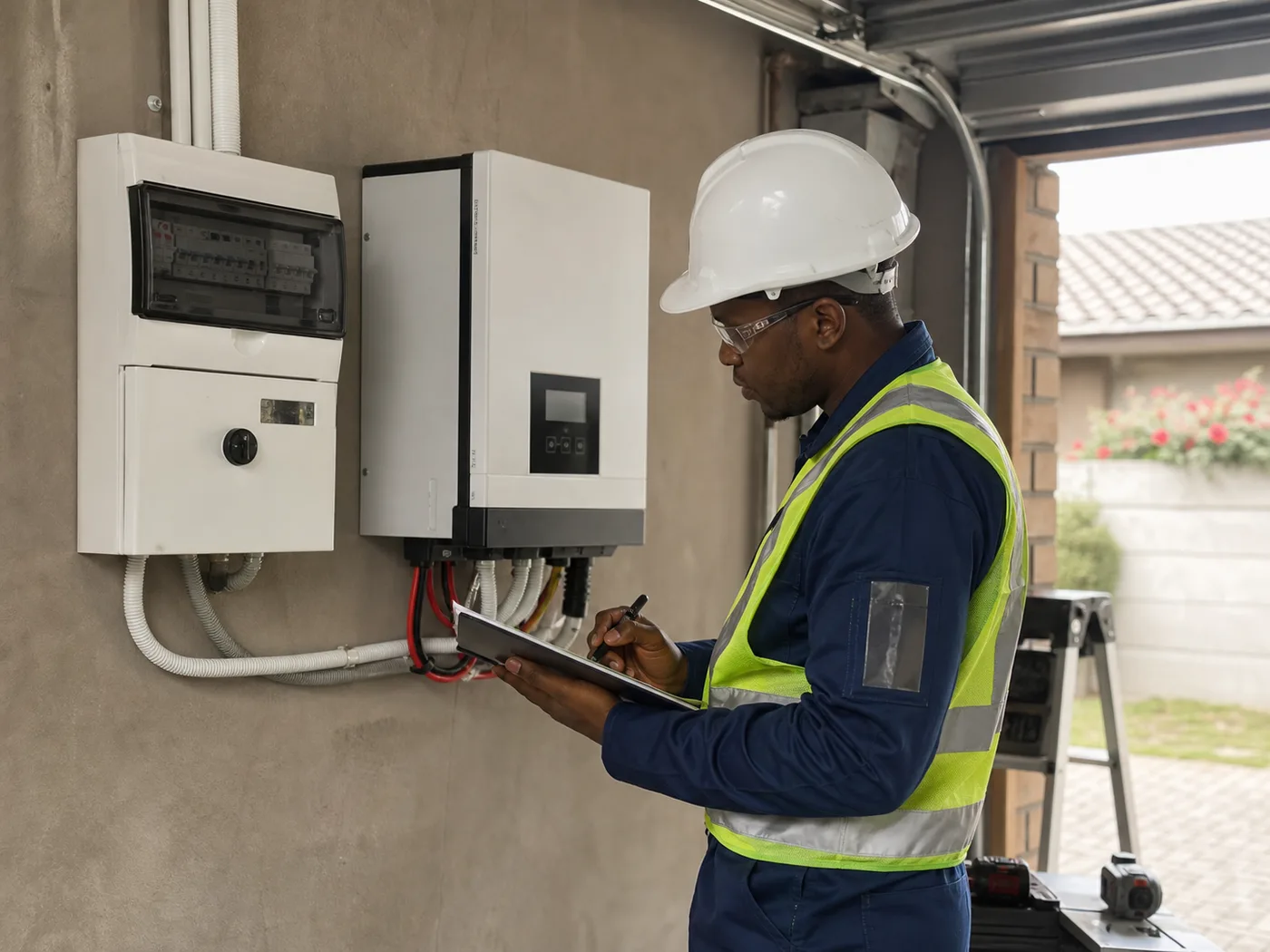
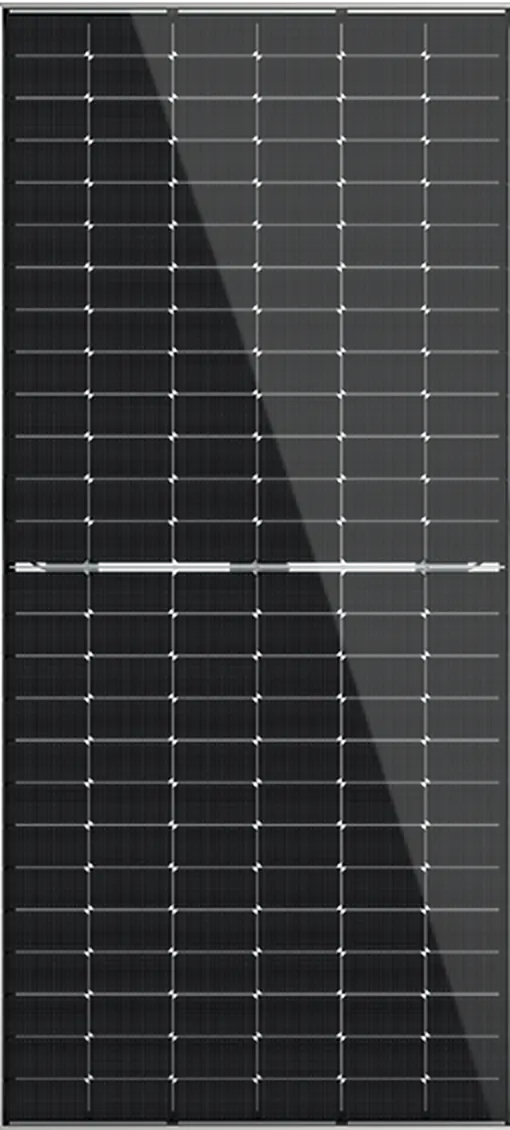
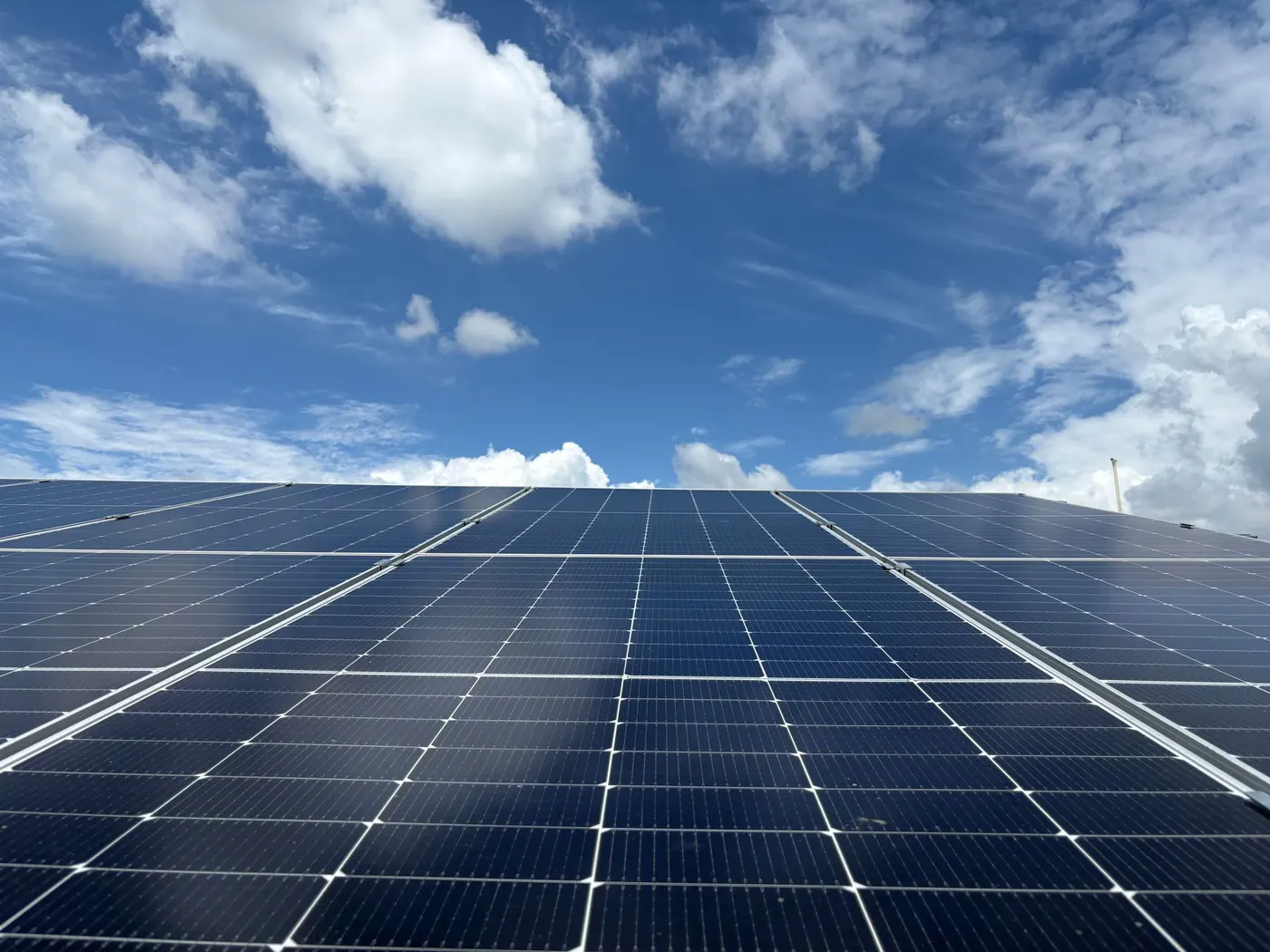
A roof-mounted solar system is generally treated as a fixture, part of the property, much like a built-in kitchen or a fitted geyser. Once panels are bolted to the roof and the inverter and battery are wired into the home's distribution board, they are considered part of the house unless you and the buyer explicitly agree otherwise in the sale agreement.
For most sellers this is good news. In a country living with load-shedding, a home that already has backup power and lower running costs is markedly more attractive than one without. Buyers increasingly search for it, and a solar system can help your home stand out and sell faster. You rarely recover the full installed cost, but you get back a meaningful chunk of it in added value and a quicker sale. Worth running the numbers on a fresh system → for the home you're moving to, too.
If you genuinely want to take the system with you, that has to be negotiated and written into the offer to purchase, and it comes with real complications, which we cover in our guide on relocating a solar system.
The complication: how you paid for it changes everything
This is where sellers get caught out. Whether you can simply "leave it and go" depends entirely on the ownership status of the system.
If you own it outright
The simplest case. The system is yours, it forms part of the property, and it transfers to the buyer with the house. You disclose it, hand over the documentation, and it becomes a selling point. Nothing to settle.
If it's financed or on rent-to-own
If you are still paying off the system, there is an outstanding obligation attached to it. Before transfer you will typically need to settle the outstanding balance, or arrange with the finance provider to have the agreement transferred to the buyer if that is permitted. You cannot usually sell a house free and clear while a finance agreement still sits over an asset bolted to it, so speak to your provider early.
If it's on a subscription
Subscription and rental models, where you pay a monthly fee rather than owning the equipment, have their own terms. A provider may allow a buyer takeover, purchase, paid relocation or cancellation, but none is automatic. Check notice, deinstallation and roof-repair costs early. Our solar rental contract guide lists the clauses to price before a move.
Not sure which system you need?
Get a free, no-obligation quote sized to your home, usage and budget. It only takes a minute.
Protecting the value: paperwork that must transfer
A solar system only adds value if the buyer can trust it, and trust lives in the paperwork. Before you go to market, gather the documents that turn "there are panels on the roof" into "there is a compliant, warranted, valuable system here":
The Certificate of Compliance (CoC) for the installation.
Proof of SSEG registration with the municipality.
All warranty certificates for the panels, inverter and battery.
The original quote, scope of work and installer contact details.
Warranties on quality equipment are typically tied to the system rather than to you personally, so they carry over to the new owner, but only if you can produce the certificates. A buyer's conveyancer or a switched-on estate agent will ask for these, and having them ready signals a well-cared-for home.
For buyers: what to check on a solar home
If you are on the other side of the deal, buying a house that already has solar, do not just admire the panels. Ask the seller for the same documents above, and confirm three things: that the system is owned outright (or that any finance is being settled before transfer), that it has a valid CoC and SSEG registration, and that the warranties are current and transferable.
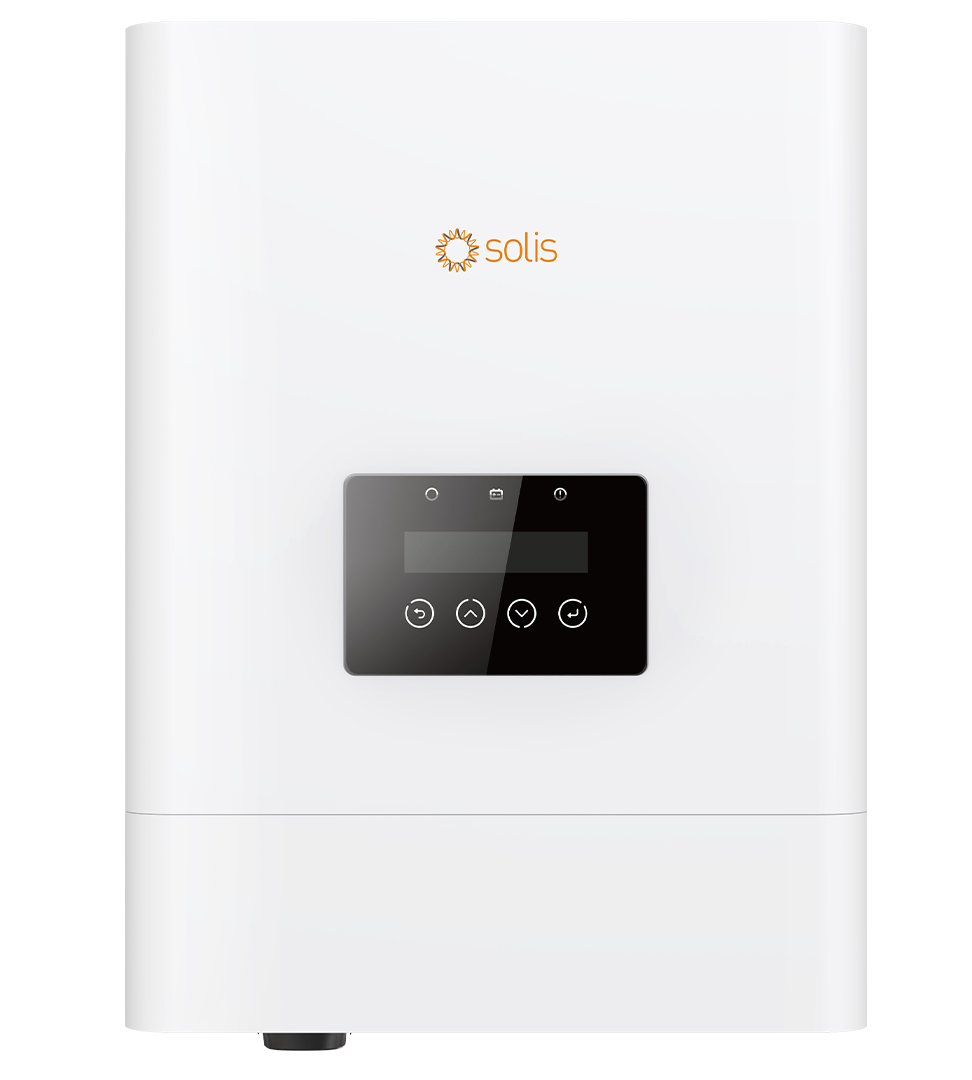
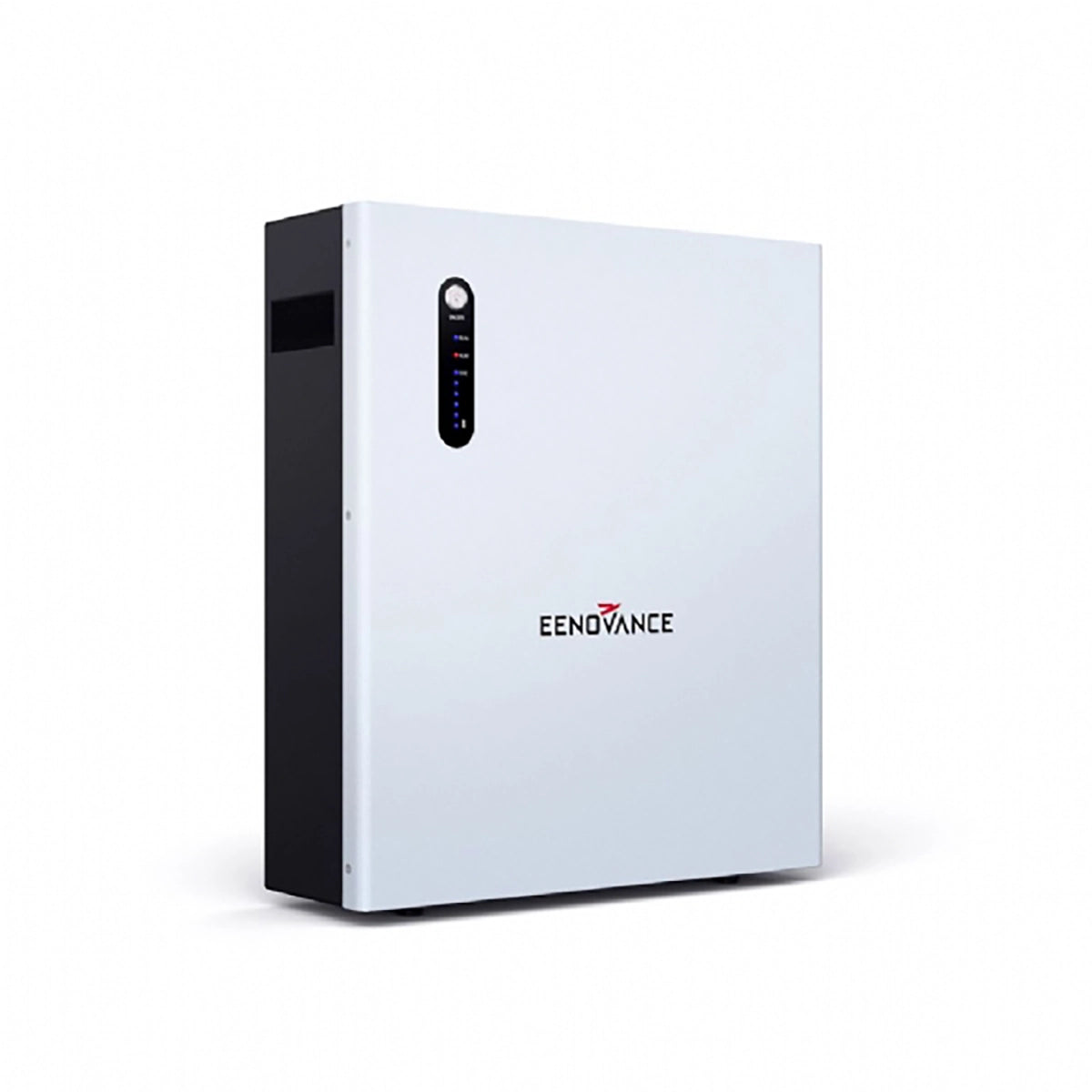
Also ask for the exact equipment brands and models so you know what you are inheriting. A system built on reputable kit like Sunsynk, Solis or AlphaESS inverters with Trina or Jinko panels is reassuring; unbranded mystery hardware with no warranty is a reason to negotiate. And find out the age of the battery, since that is the component most likely to need replacing first.
Timing your move around solar
A little planning smooths the whole thing. If your system is financed, start the conversation with your provider as soon as you decide to sell, because settlement or transfer takes time and can affect your transfer date. Book a quick inspection if the system is a few years old, so you can market it as verified and working. And gather your documentation before the first show day, not after an offer comes in.
If you're moving to a new home that doesn't yet have solar, this is the moment to plan a fresh, correctly sized system for the new property rather than wrestling an old one off the roof. SolarGuide can arrange a free Alumo assessment for the new property. Alumo confirms the design, price, finance options and warranties after assessing the home.
Free tool
Estimate your system & savings
Move the slider to your monthly bill for an instant, indicative suggestion.
This is an indicative starting point. The site assessment and signed quote confirm the system, current price, equipment, savings and backup time. Rent-to-own payments increase by 6.5% each year.
Whether you're selling a solar home or buying your next one, get a free Alumo quote → to understand the value and the options.
Frequently asked questions
Does solar add value when I sell my house in South Africa?
Generally yes. In a load-shedding market, a home with existing backup power and lower running costs is more attractive, can sell faster, and often commands a better price. You rarely recover the full installed cost, but a quality, documented system adds real value and appeal.
Can I take my solar panels with me when I move?
Technically you can if you negotiate it into the sale agreement, but it is usually more trouble than it is worth. Removing and reinstalling a system is costly, can affect warranties, and requires new compliance and registration at the new address. Most sellers find it makes more sense to leave the system and install fresh at the new home.
What happens to my solar finance when I sell?
You will typically need to settle the outstanding balance before transfer, or arrange with your finance provider to transfer the agreement to the buyer if that is allowed. Because this takes time, contact your provider as soon as you decide to sell.
Do solar warranties transfer to the new homeowner?
Usually yes. Warranties on quality equipment are generally tied to the installed system rather than to you personally, so they carry over, provided you hand over the warranty certificates, the Certificate of Compliance and the installation paperwork.
What should I check when buying a house with solar?
Confirm the system is owned outright or that any finance is being settled before transfer, check for a valid Certificate of Compliance and SSEG registration, verify the warranties are current and transferable, and ask for the exact equipment brands, models and the battery's age.
SolarGuide is an independent referral partner. We help you compare options and arrange a free quote — Alumo supplies, installs, finances and warrants the systems. Pricing is indicative, sourced from Alumo’s published catalogue, and subject to a site assessment and credit approval.