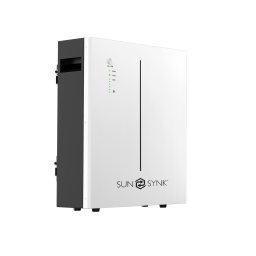
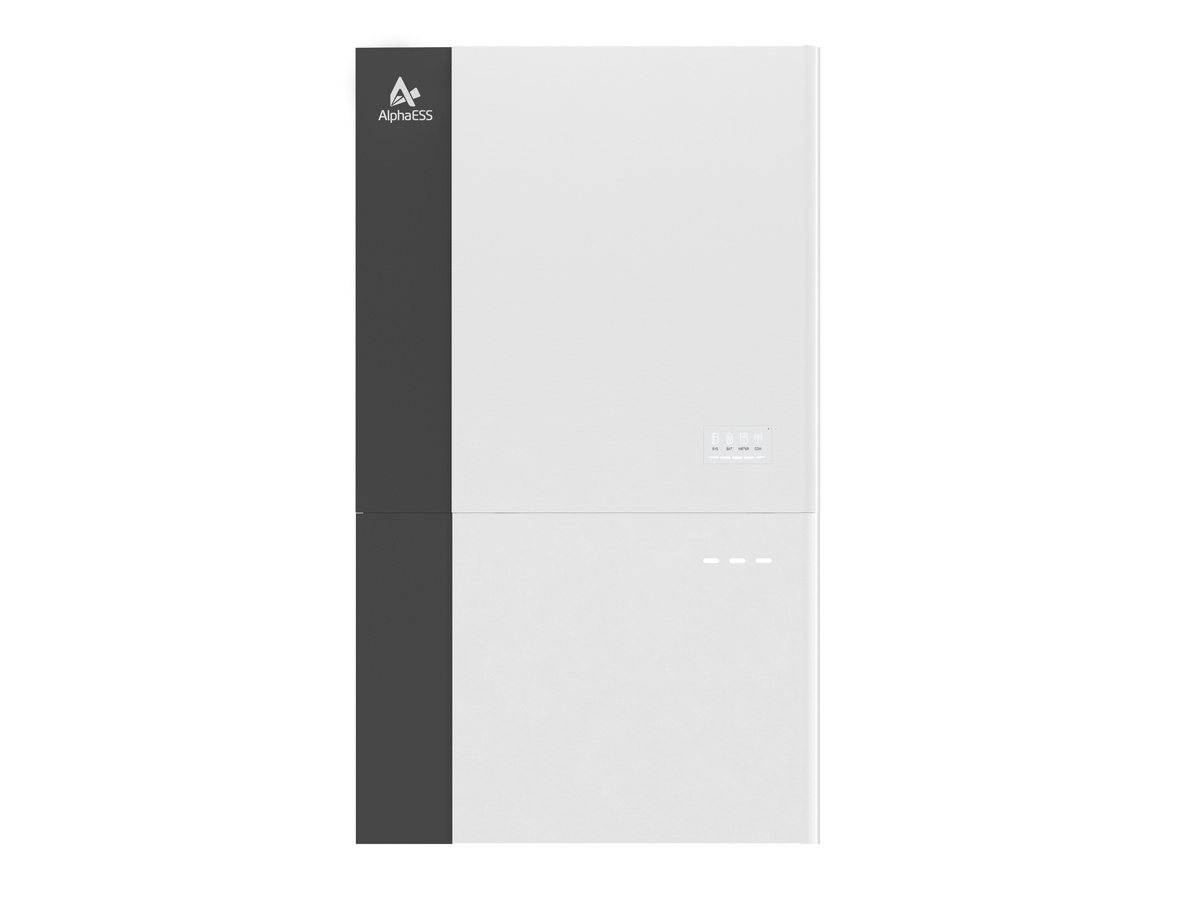
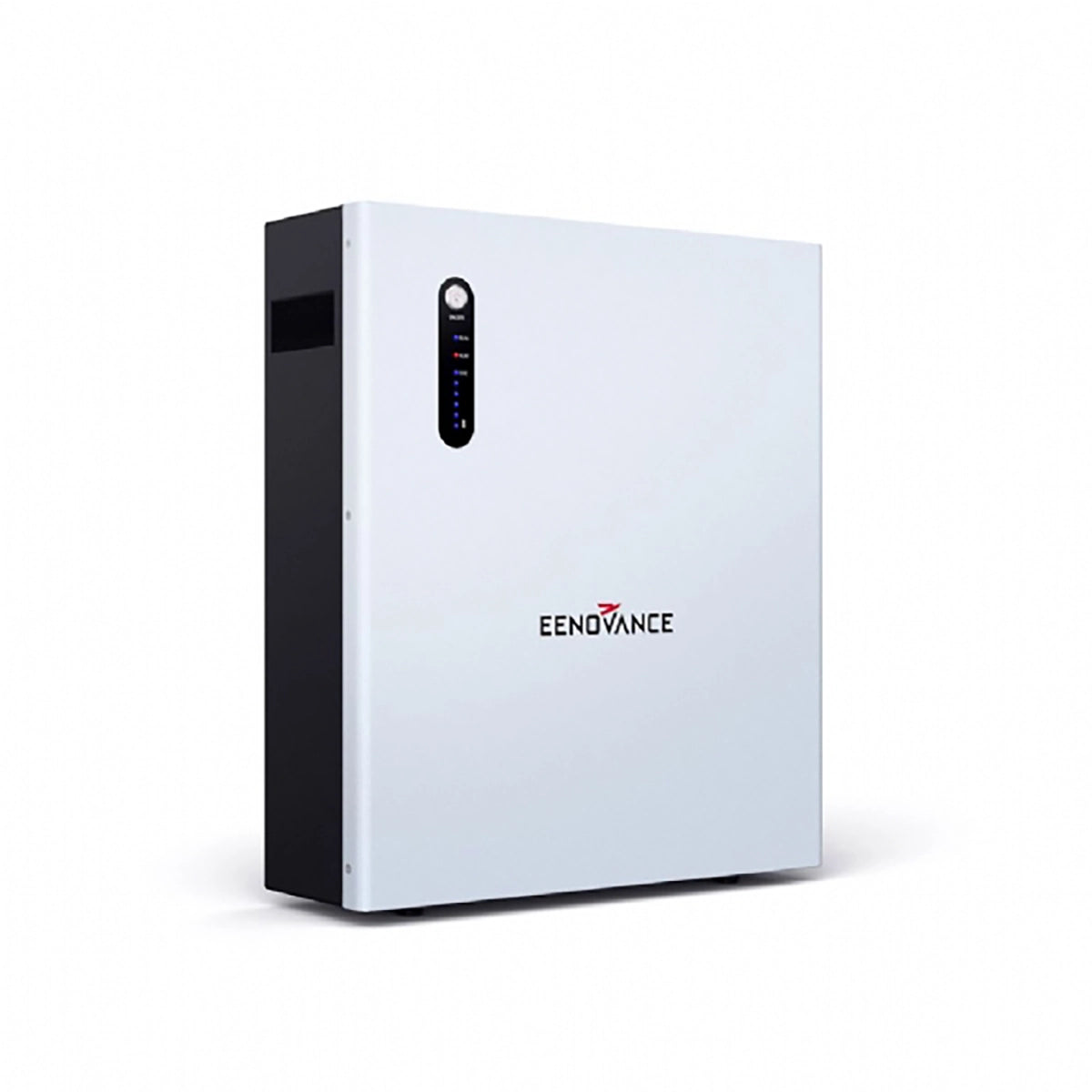
The right inverter and battery pairing matters more than a headline kW or kWh figure. See the models currently listed by SolarGuide, then ask for a quote based on your home and usage.
A solar warranty is the part of the deal nobody reads closely and everybody relies on later. When something fails five or eight years down the line, the warranty is the difference between a quick phone call and a five-figure bill. Yet warranties are also where the marketing gets slipperiest: a headline "25-year warranty" can quietly mean something very different from what you assume, and two systems at similar prices can offer wildly different real-world protection.
The trouble is that a solar system is not one product with one warranty. It is several components, each with its own cover, plus the workmanship of the installation itself. To compare quotes properly you need to understand all of these layers and how they interact. This guide translates the jargon into plain language so you can tell a genuinely strong warranty package from an impressive-sounding one.
Key takeaways
A solar system has several separate warranties: panels, inverter, battery and workmanship, each with different lengths and terms.
Panel "performance" warranties are long but guarantee output, not a free replacement; read what is actually covered.
The installer's workmanship warranty and their willingness to stand behind the whole system matter as much as the manufacturer terms.
Why "one warranty" is a myth
The first thing to unlearn is the idea of a single solar warranty. Your system is really a stack of components, and each one comes with its own promise from its own manufacturer, over its own timeframe. On top of that sits the installer's cover for the work itself.
A quote that advertises a big round number is usually quoting the longest single figure in the stack, typically the panel performance warranty, while the components that actually fail more often (inverters and batteries) carry much shorter cover. To compare honestly, you have to pull the layers apart and look at each one.
25 years
panel performance cover
5–10 years
typical inverter cover
~10 years
typical battery cover
Panel warranties: product versus performance
Solar panels come with two distinct warranties, and confusing them is the most common mistake buyers make.
The product warranty covers defects in the panel itself, faulty manufacturing, materials failing, and typically runs somewhere in the region of 10 to 15 years or more on quality panels. This is the one that gets you a replacement if the panel is genuinely defective.
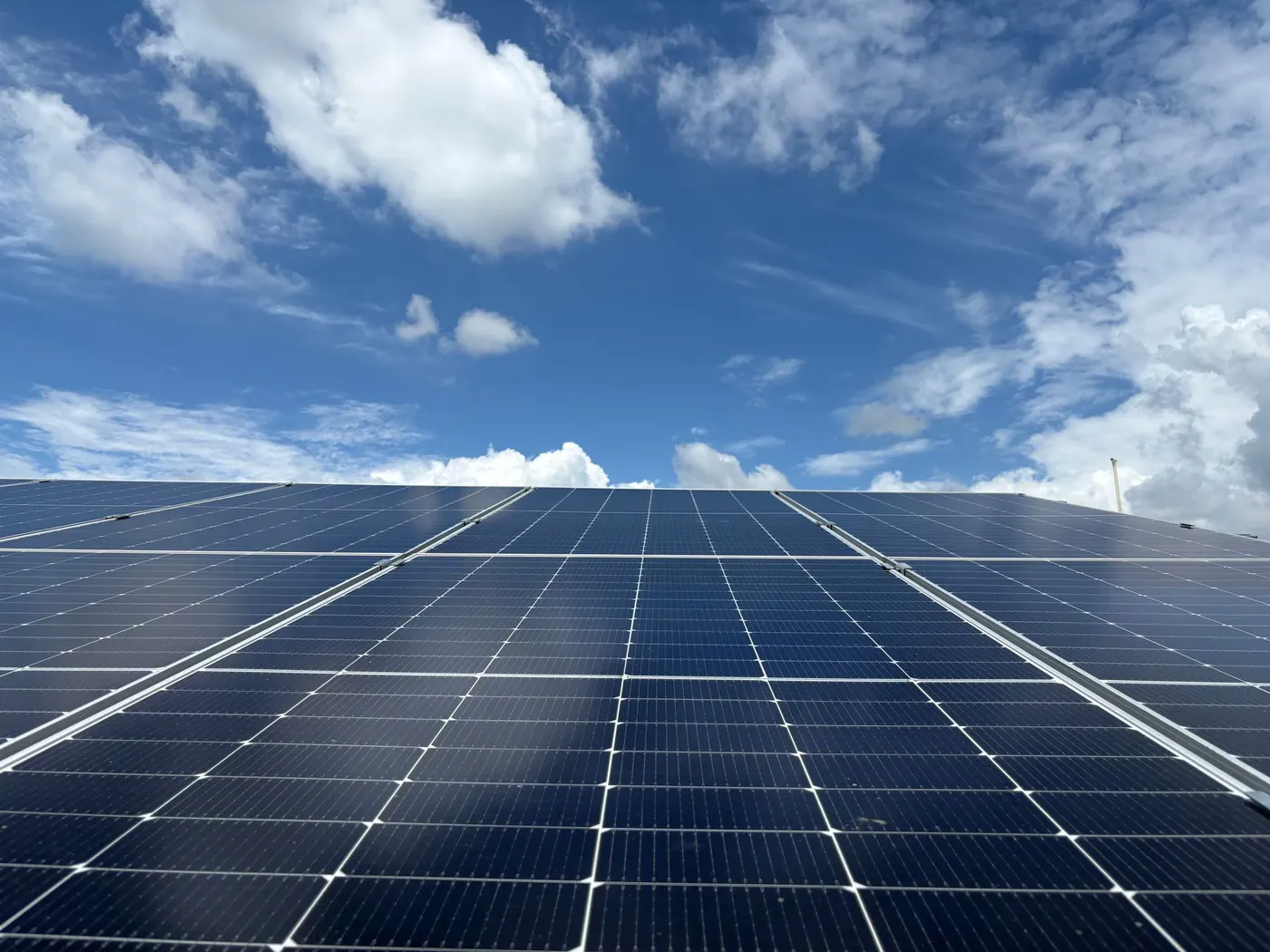
The performance (or output) warranty is the long one, often 25 years, and it does something different. It guarantees the panel will still produce at least a certain percentage of its original output after a given number of years, because panels naturally degrade slightly over time. It doesn't mean you get a free new panel for 25 years, it means the manufacturer guarantees the panel won't degrade faster than promised. Tier-one brands like Trina and Jinko back these credibly.
So when a salesperson says "25-year warranty", ask: is that product or performance? The distinction is everything.
Inverter warranties: the workhorse's cover
The inverter runs constantly and does the hardest job, so its warranty deserves close attention. Reputable inverter brands used in South Africa, Sunsynk, Solis, Huawei, AlphaESS and Sigenergy, commonly carry warranties in the region of 5 to 10 years, and some offer paid extensions.
Because the inverter is one of the more likely components to eventually need replacing, a longer inverter warranty is genuinely valuable. Check the length, whether an extension is available, and how a claim is handled, since a warranty is only as good as the process behind it.
Battery warranties: read the fine print
Battery warranties are the ones most worth scrutinising, because they usually come with conditions that a flat "10-year warranty" hides. Two things to look for.
First, the term, typically around 10 years on quality lithium (LiFePO4) batteries from brands like Sunsynk, AlphaESS, Eenovance, Sigenergy and IES. Second, and just as important, the cycle count or throughput and the guaranteed remaining capacity. Batteries degrade with use, so a battery warranty often promises the battery will retain a certain percentage of its capacity for either a number of years or a number of charge cycles, whichever comes first.
That "whichever comes first" clause matters. A household that cycles its battery hard every day may reach the cycle limit before the year limit. Understanding this helps you both compare batteries and use yours in a way that keeps it healthy.
Free tool
How long will your battery last?
Pick a battery size and what you want to keep running.
5.0 kWh
Estimated backup time
12.9 hours
Running about 350 W
Rough estimate at ~90% usable depth. Real runtime depends on the exact appliances and battery. A quote sizes it properly.
You can buy flawless components and still have a miserable experience if the installation is poor, and no manufacturer covers bad workmanship. That is what the installer's workmanship warranty is for. It covers the quality of the physical installation: the mounting, the wiring, the connections, the way everything is integrated.
This warranty is only as trustworthy as the installer offering it. A one-person operation that folds in two years leaves you with a workmanship warranty worth nothing, which is exactly why the stability and track record of your installer is part of the warranty picture, not separate from it.
Why the installer ties it all together
Here is the practical upshot: the most valuable warranty is the one where a single, accountable party stands behind the entire system. When your components and your workmanship all sit with an established installer, a fault becomes their problem to solve rather than a finger-pointing exercise between manufacturers.
This is precisely the advantage of buying through an accountable route. SolarGuide connects you with Alumo, which supplies, installs, finances and warrants its systems, so the whole stack, panels, inverter, battery and workmanship, sits behind one accountable installer rather than a patchwork of disclaimers. When one party owns the outcome, warranty claims are far simpler. Get a free quote → to see the full warranty package for a specific system.
Not sure which system you need?
Get a free, no-obligation quote sized to your home, usage and budget. It only takes a minute.
When you have two or three quotes in front of you, do not compare the headline number. Build a simple grid and fill in, for each quote: the panel product warranty, the panel performance warranty, the inverter warranty, the battery warranty (both years and cycles/capacity), and the workmanship warranty. Then note who you actually call when something breaks, and how likely that party is to still be trading in eight years.
Very often the quote with the less flashy headline offers stronger real protection once you lay the layers side by side. That grid is the single most useful thing you can do before signing.
SolarGuide can arrange a free Alumo quote when you are ready to compare a site-specific system. Alumo confirms the installed equipment, final price and applicable warranties after assessing your home, so check those details against the points in this guide before you accept.
If you want a warranty package spelled out clearly for a specific system, get a free Alumo quote → and compare it, layer by layer, against anything else on your table.
Frequently asked questions
What is the difference between a product and performance warranty on solar panels?
A product warranty covers manufacturing defects and gets you a replacement if the panel is faulty, typically over 10 to 15 years or more. A performance warranty, often 25 years, guarantees the panel will still produce at least a set percentage of its original output over time. It guards against excessive degradation, not a free panel for 25 years.
How long is a typical solar battery warranty in South Africa?
Quality lithium (LiFePO4) home batteries commonly carry warranties around 10 years, but the term is usually paired with a cycle count or throughput limit and a guaranteed remaining capacity, on a "whichever comes first" basis. Always read both the years and the cycle conditions.
Does the installer's warranty matter as much as the manufacturer's?
Yes. Manufacturers cover their equipment, but only the installer's workmanship warranty covers the quality of the installation itself. That warranty is only as reliable as the installer offering it, so a stable, established installer is a core part of your warranty protection.
Do solar warranties transfer if I sell my house?
Generally the manufacturer warranties are tied to the installed system rather than to you personally, so they carry over to a new owner, provided you hand over the warranty certificates and installation paperwork. Confirm the specifics for your particular components.
What is the best way to compare solar warranties across quotes?
Ignore the headline number and build a grid comparing each layer: panel product, panel performance, inverter, battery (years and cycles/capacity) and workmanship warranties. Then note who you call when something fails and how likely they are to still be in business years later. The strongest real protection is often not the flashiest headline.
SolarGuide is an independent referral partner. We help you compare options and arrange a free quote — Alumo supplies, installs, finances and warrants the systems. Pricing is indicative, sourced from Alumo’s published catalogue, and subject to a site assessment and credit approval.