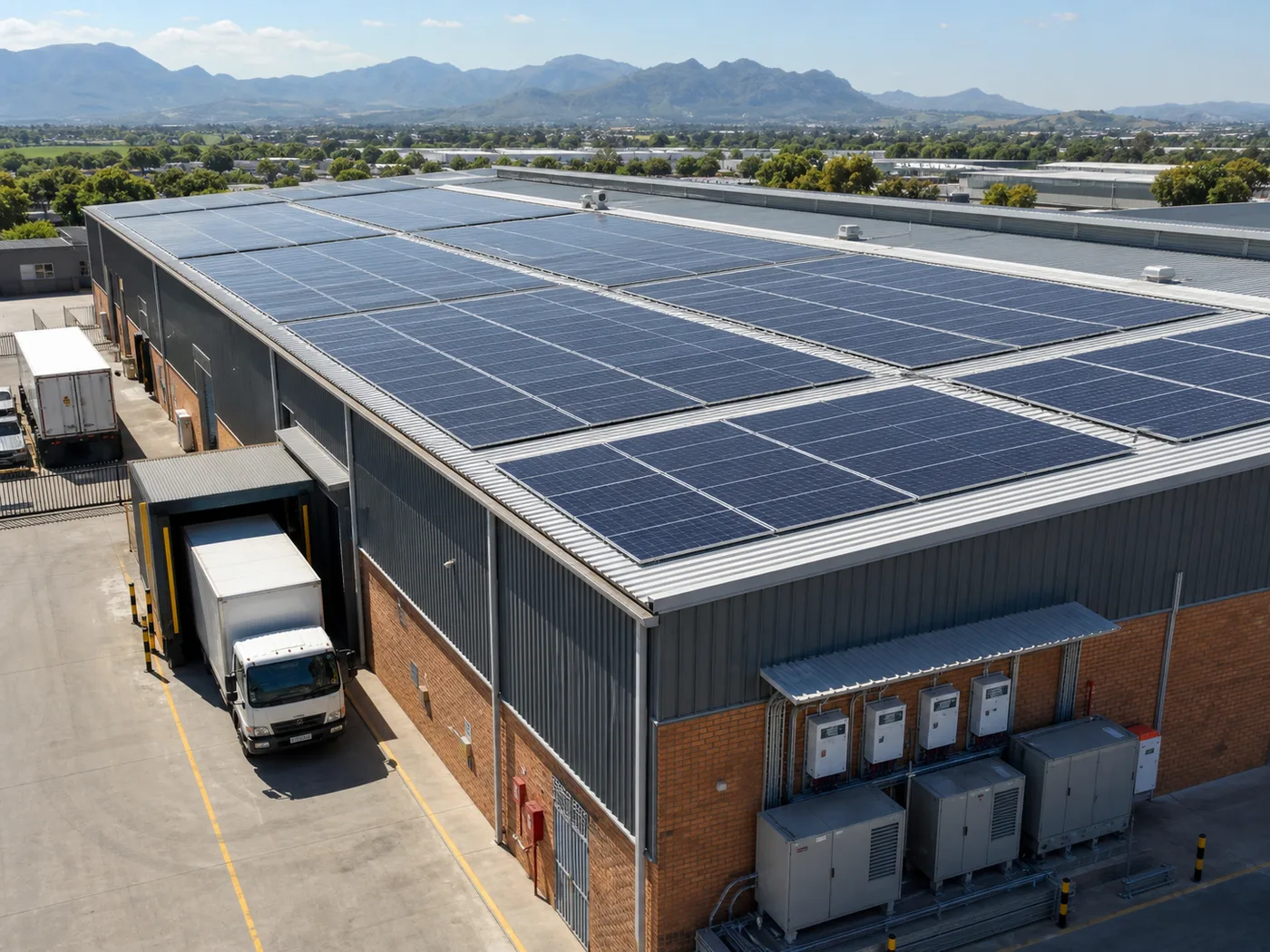
Commercial solar depends on operating hours, load profile, roof or ground space and the cost of interruption. Start with the business solutions overview and build the enquiry around your numbers.
Living in a complex during load-shedding has a particular kind of misery. The electric gate won't open, so residents queue in the road. The lifts are dead, stranding the elderly and the pram-pushers on the fourth floor. Corridors and stairwells go pitch dark, the borehole pump that feeds the gardens stops, and the CCTV that everyone relies on for security blinks off exactly when the neighbourhood is most vulnerable. Sectional-title and estate living concentrates all the frustrations of the grid into shared spaces that nobody individually controls.
Solar can fix this, but a complex is a different animal to a standalone home. Decisions run through a body corporate or homeowners' association, the money comes from a shared levy, and the roof and electrical setup are communal. Getting solar onto a complex is as much a governance exercise as a technical one. This guide covers both: how to power the common areas, how individual owners fit in, and how to steer the decision through the trustees.
Key takeaways
The easiest win is usually the common areas: gate, lifts, lighting, borehole, CCTV and access control.
Backing up shared essentials keeps the whole complex functional and secure through every outage.
Decisions run through the body corporate or HOA; budget, quorum and a clear mandate come first.
A single common-area system is often simpler to fund and manage than trying to wire every unit.
SolarGuide helps you compare and get a free quote; Alumo supplies, installs, finances and warrants.
Two ways to bring solar to a complex
Option one: power the common areas
The most practical starting point for most complexes is a single system dedicated to the shared infrastructure, the loads the body corporate already pays for out of the levy. That typically means:
Access control: the main gate motor, intercoms and booms, so residents aren't stuck outside during load-shedding.
Lifts: critical in multi-storey blocks for safety and accessibility.
Common lighting: corridors, stairwells, parking and garden lights that keep the complex safe after dark.
Security: CCTV, electric fencing and alarm systems, which are most needed exactly when the grid is down.
Water: borehole and pressure pumps that feed gardens and, in some complexes, the water supply itself.
Because these are already communal costs funded by the levy, a common-area system is the cleanest to approve and finance. It benefits every owner equally and doesn't require touching anyone's private meter.
Option two: individual unit systems
Some estates go further and let (or help) individual owners install solar for their own units. This is more complex. Sectional-title roofs are usually common property, so an owner generally can't just bolt panels above their unit without body-corporate consent and a clear rule on who owns and maintains what. Freestanding units in an HOA estate have more latitude, but still answer to architectural guidelines and possibly a group buying scheme the trustees negotiate.
In practice, many complexes start with the common areas and leave unit-level solar to individual owners under a clear, agreed framework. Trying to do everything at once tends to stall the whole project.
The governance path: getting it approved
Start with a mandate
Nothing happens in a body corporate without the numbers behind it. Before you spend on designs, the trustees need a mandate, usually a decision at a general meeting, taken with the right quorum, to investigate and fund a system. Check your management and conduct rules, and the Sectional Titles Schemes Management Act framework your scheme operates under, so the process is watertight and can't be challenged later.
Build the business case
Owners approve what they understand. A strong case shows the current common-area electricity spend, the cost of the proposed system, the monthly finance figure, and, crucially, the non-financial wins: a gate that always opens, lifts that always run, security that never goes dark. For many residents, that reliability and safety argument carries more weight than the rand saving.
Fund it fairly
A common-area system is typically funded from the levy or a special levy, spreading the cost across all owners in proportion to their participation quota. Alumo's systems can be structured as a monthly plan, which suits a body corporate well: instead of raising a large special levy for a lump sum, the scheme carries a predictable monthly cost that sits neatly alongside the existing budget.
Not sure which system you need?
Get a free, no-obligation quote sized to your home, usage and budget. It only takes a minute.
A body corporate's tax position is more nuanced than an ordinary business, and it's an area where you genuinely need professional advice. Section 12B of the Income Tax Act allows a deduction for renewable energy assets used in producing income. Whether, and how, a particular body corporate or HOA can benefit depends on its tax status and how it's assessed. Some schemes have taxable income streams; many operate largely on member levies that are treated differently.
The honest guidance here is: don't assume, and don't ignore it either. Have the scheme's accountant or auditor assess whether Section 12B or any other allowance applies to your specific structure before you finalise the funding model. For commercial and mixed-use complexes with genuine trading income, the deduction can be meaningful.
Designing a common-area system
Size around continuous, critical load
Common-area load is different from a home. Much of it (security, some lighting, pumps) runs around the clock and simply cannot fail. That points to a design with solid battery storage so the essentials ride through every stage of load-shedding, not just short slots. Lifts, with their heavy motor start-up surge, need an inverter sized to handle the inrush without tripping.
Match the package to the complex
For the shared infrastructure of a substantial complex, Alumo's business tiers fit the bill:
Energy Efficiency: around 120kWh of battery and a 50.05 kWp array, from about R18,000/month. Suited to a medium complex's common areas.
Powerhouse: a 125kW inverter, around 261kWh of battery and a 100.1 kWp array, from about R34,000/month. For large estates with lifts, extensive grounds, multiple gates and heavy security infrastructure.
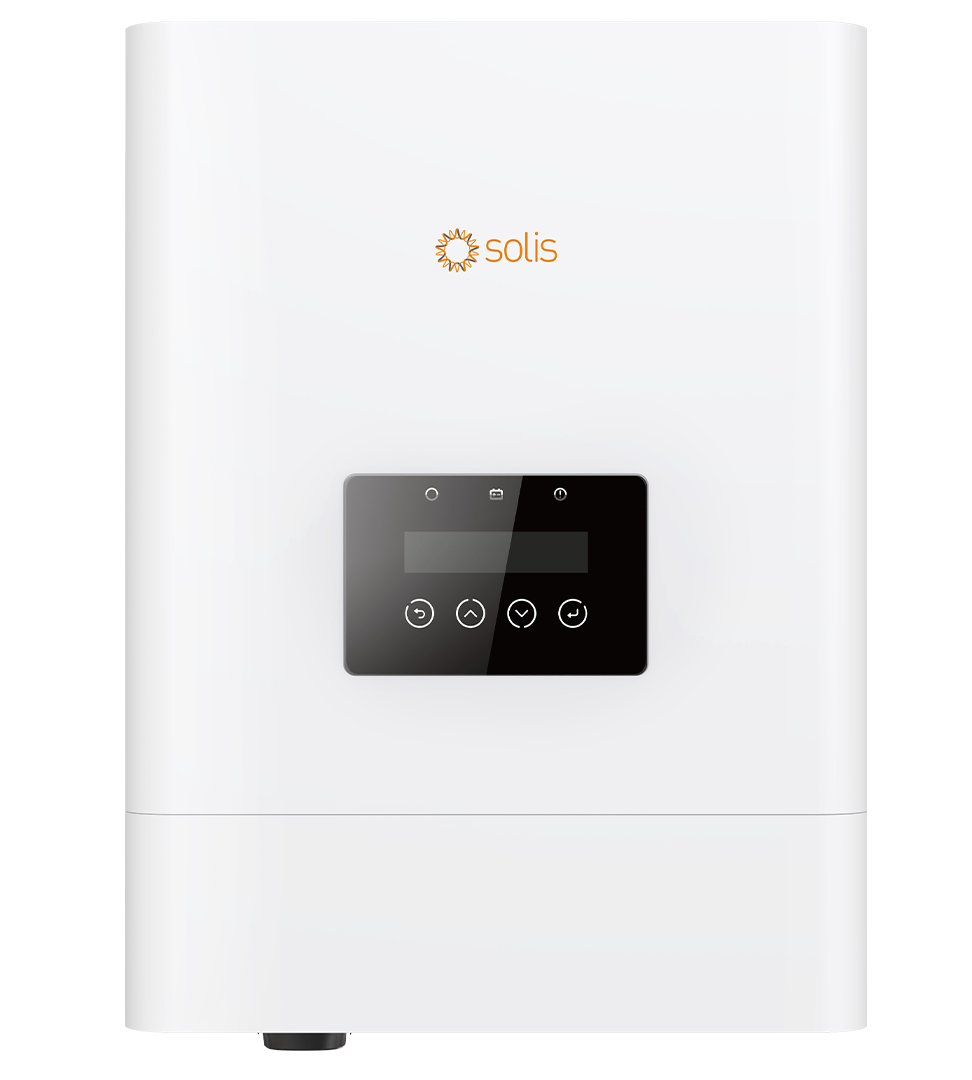
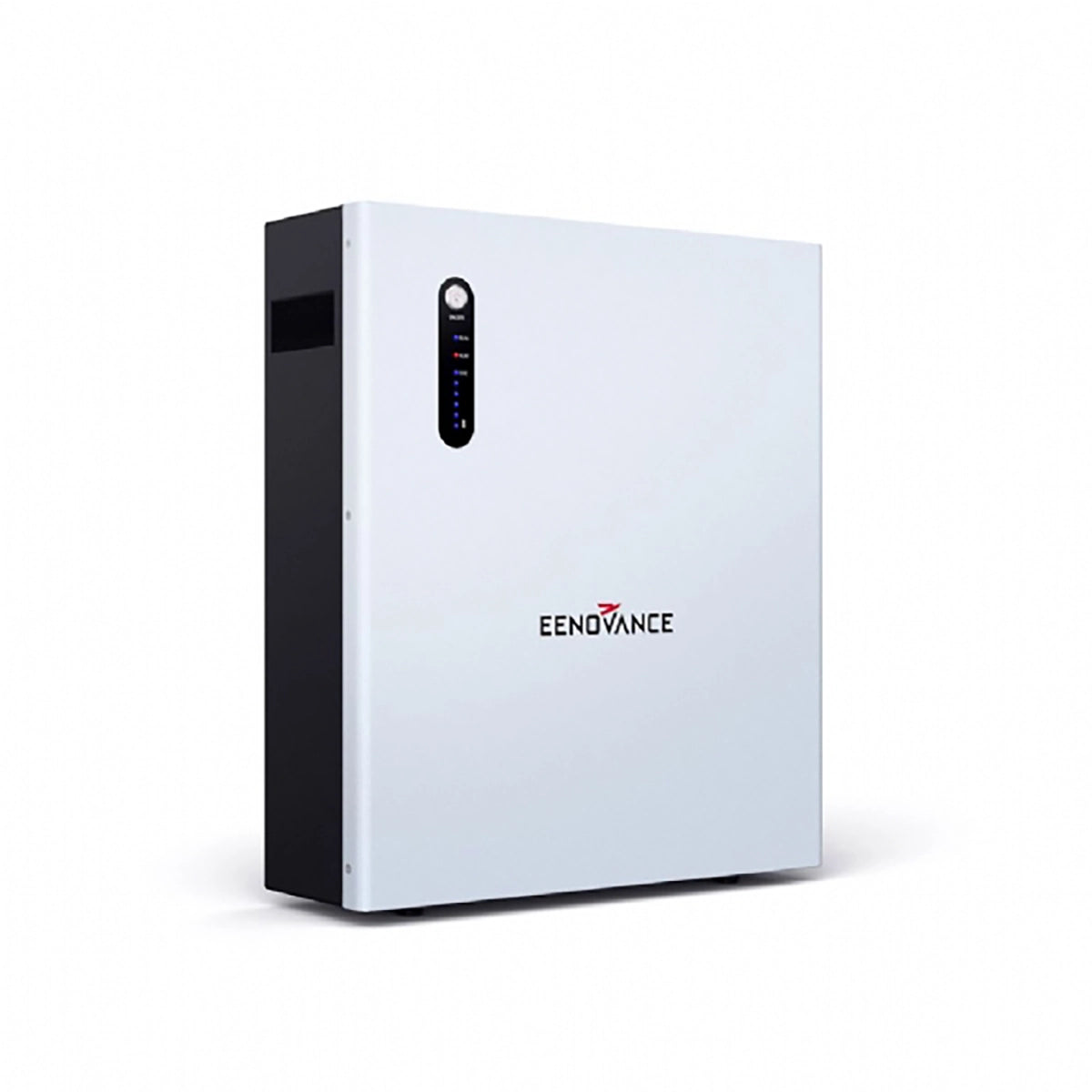
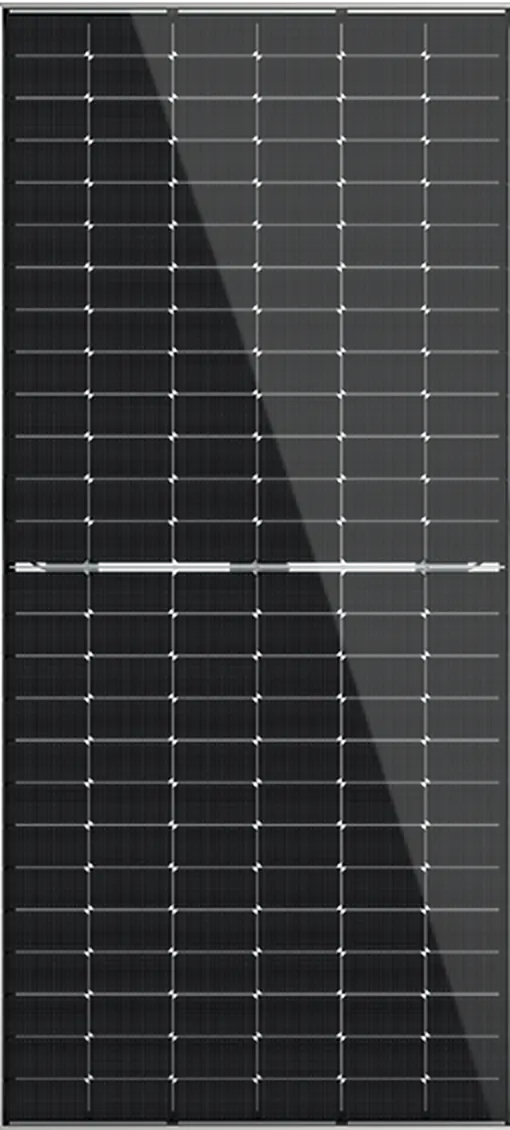
Alumo's current solar-plus-battery rent-to-own range uses a Solis 5kW inverter and Eenovance 5.32kWh battery: Watt-a-Deal has three 615W panels from R1,418/month, The Big Watt has four from R1,487/month, and The Power Bae has six from R1,626/month on a seven-year term. Three- and five-year prices, solar-only configurations and battery-only pricing are available on our current package comparison.
The right answer comes from a site assessment of your actual shared loads and roof space. Get a free quote → to get a design and a monthly figure the trustees can take to the owners.
Don't forget SSEG and insurance
Grid-tied systems must be registered as Small-Scale Embedded Generation (SSEG) with the municipality, and a reputable installer handles this. Also update the scheme's insurance to reflect the new equipment, and record clearly who is responsible for maintenance so it doesn't fall through the cracks between managing agent and trustees.
A sensible first step
If you're a trustee or an owner pushing for this, the lowest-friction start is a free assessment of the common areas. It gives you real figures (system size, monthly cost, which shared loads get backed up) to put in front of the other owners, without committing the scheme to anything. From there, the governance process has something concrete to vote on.
This is an indicative starting point. The site assessment and signed quote confirm the system, current price, equipment, savings and backup time. Rent-to-own payments increase by 6.5% each year.
Frequently asked questions
Should we start with common areas or individual units?
For most complexes, common areas first. The gate, lifts, security, lighting and pumps are already communal costs, so a shared system is far simpler to approve, fund from the levy and manage. Individual unit systems involve roof-ownership and consent issues that are better handled separately, under a clear framework, once the common-area project is underway.
How do we fund a system across all the owners?
Typically through the levy or a special levy, split across owners by participation quota. Because Alumo systems can be structured as a monthly plan rather than a lump sum, many bodies corporate prefer to carry a predictable monthly cost in the budget instead of raising a large once-off special levy. The exact approach is a decision for the trustees and the members.
Can a body corporate claim the Section 12B tax benefit?
It depends on the scheme's tax status, which varies. Section 12B allows a deduction for qualifying renewable energy assets used in producing income, but how it applies to a specific body corporate or HOA needs to be assessed by the scheme's accountant or auditor. Don't assume it applies or that it doesn't — get it checked for your structure before finalising the funding.
What approvals do we need before installing?
You'll need a proper mandate from the members, usually a resolution at a general meeting with the correct quorum under your scheme's rules and the relevant sectional-title legislation. On the technical side, grid-tied systems must be registered as SSEG with the municipality, the scheme's insurance should be updated, and maintenance responsibility should be documented.
Who installs, finances and warrants the system?
Alumo supplies, installs, finances and warrants the system, including the commercial packages suited to complex common areas. SolarGuide is an independent referral partner — we help you compare options and get a free quote. All pricing is indicative and subject to a site assessment and credit approval.
SolarGuide is an independent referral partner. We help you compare options and arrange a free quote — Alumo supplies, installs, finances and warrants the systems. Pricing is indicative, sourced from Alumo’s published catalogue, and subject to a site assessment and credit approval.