How an onsite solar PPA works
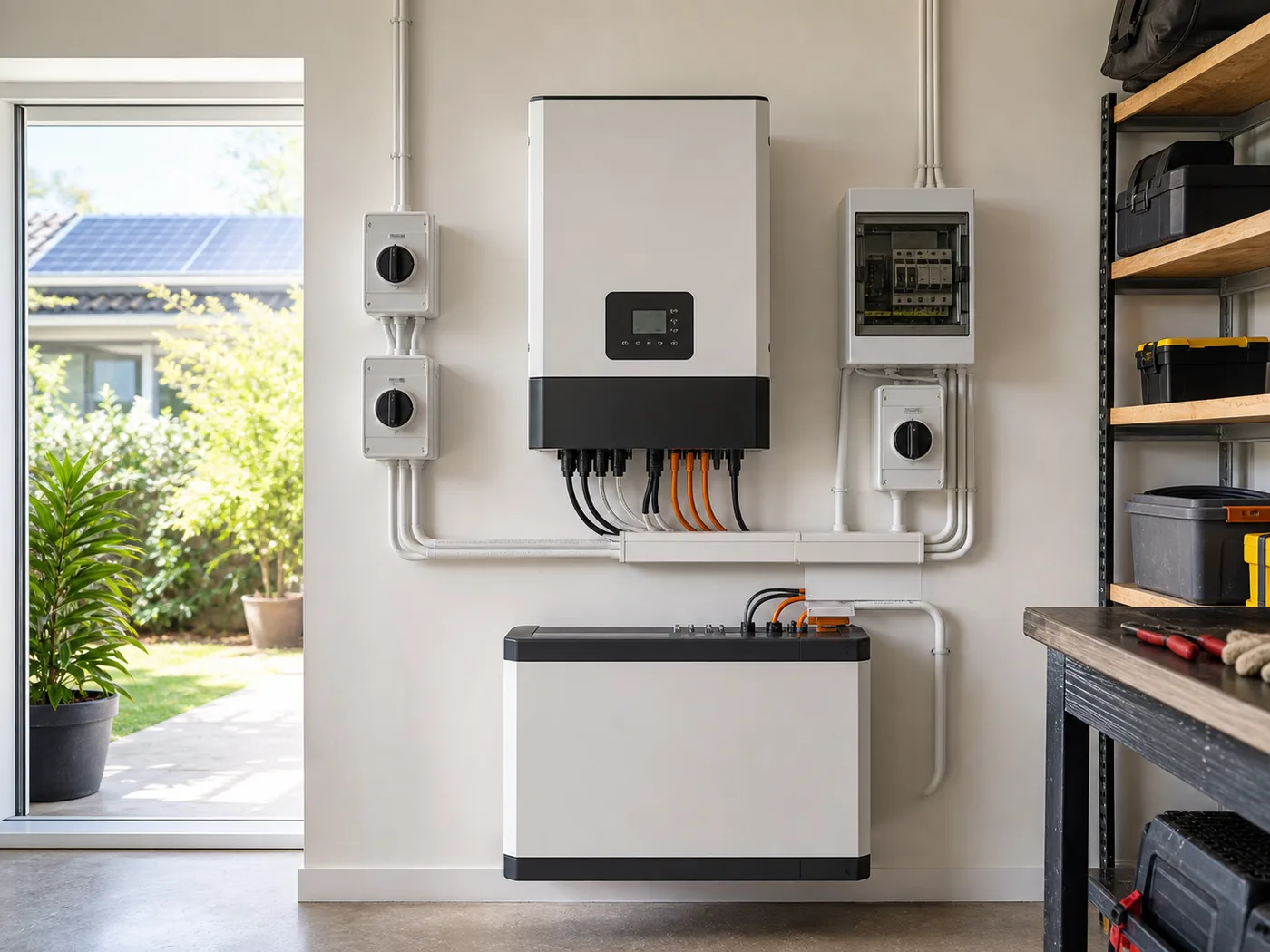
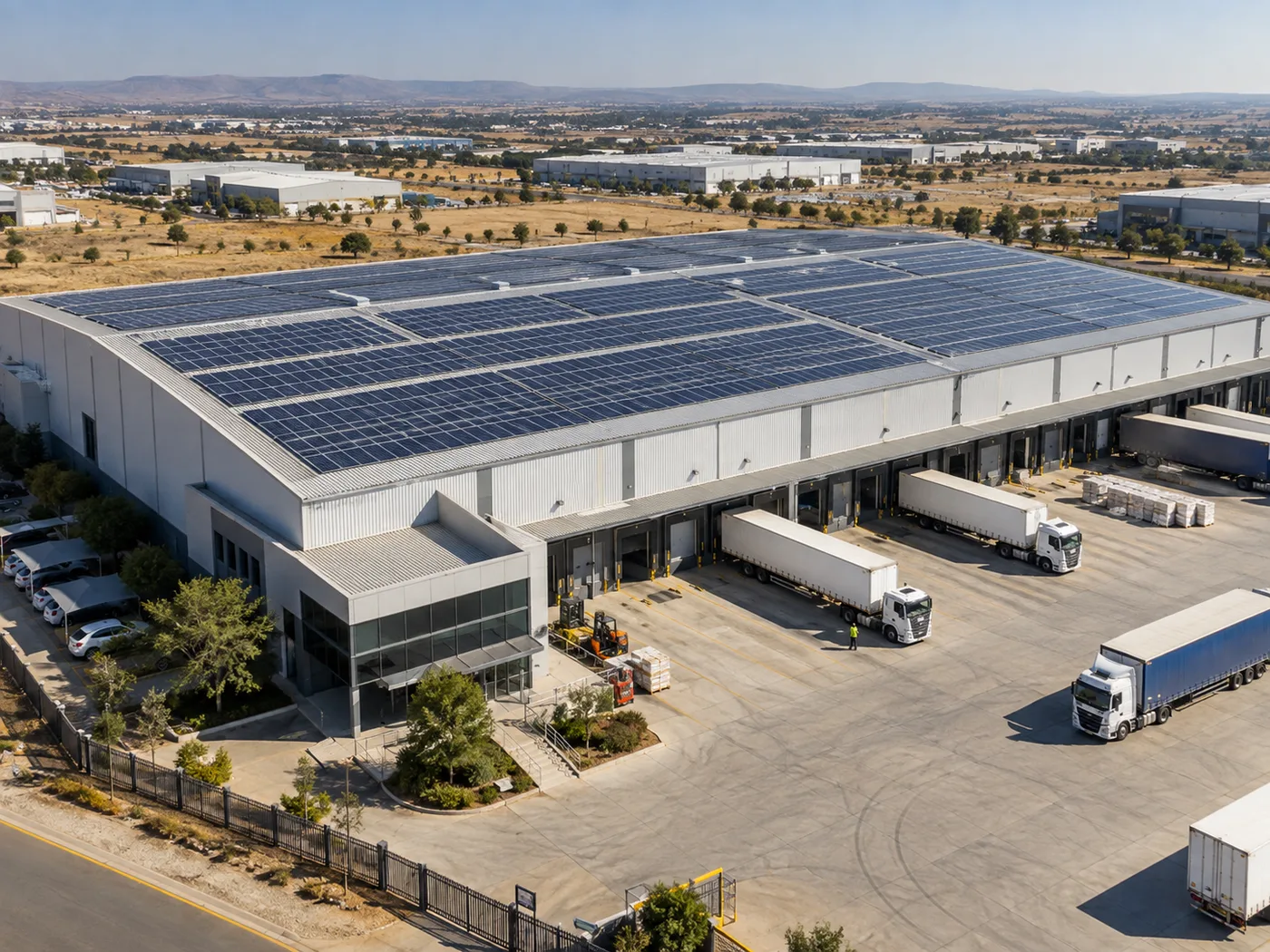
The provider usually designs, finances, installs, owns, monitors and maintains a solar plant at the customer's premises. A dedicated meter records the energy delivered by the plant. The customer pays the agreed PPA tariff for the contracted energy and continues to buy the balance of its electricity from Eskom or the municipality.
GreenCape's commercial finance brief describes the PPA provider as covering installation, operation and maintenance, often with insurance and performance commitments. It also notes that the tariff can escalate at a fixed rate or track the applicable distributor tariff. The brief was published in 2023, so use its structure as guidance and obtain current terms from each bidder.
The business still needs a credible solar design. A PPA cannot correct a poor match between generation and the site's consumption. If the plant produces when the business cannot use the power, the agreement must explain curtailment, export or minimum purchase treatment.
Onsite PPA versus wheeled PPA
Onsite PPA
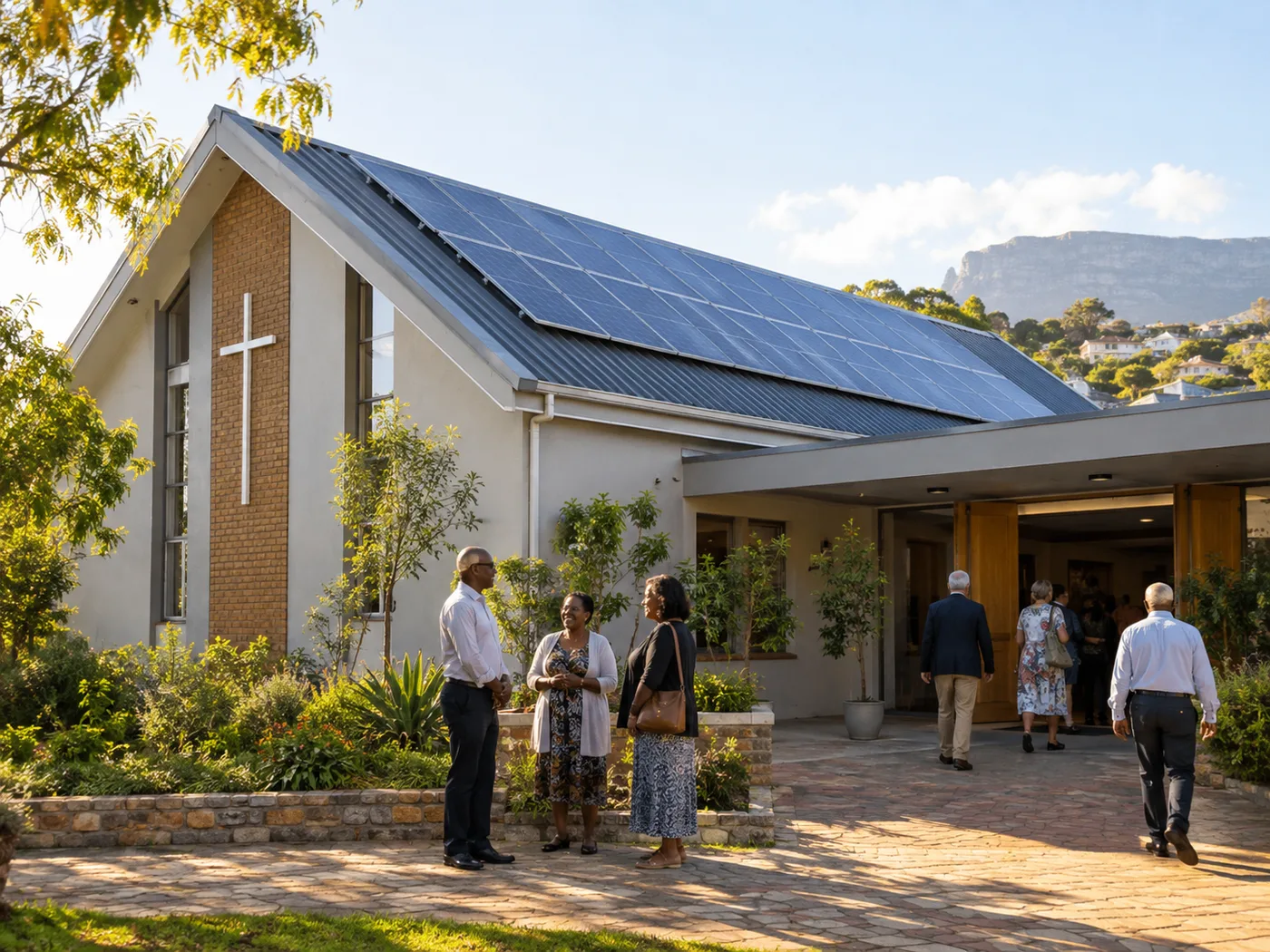
The solar plant is installed behind the customer's meter, usually on its roof, carport or adjacent land. The energy is consumed at the same site. The contract must address roof access, structural responsibility, meter accuracy, maintenance visits, damage, removal and what happens if the property is sold or the tenant leaves.
An onsite PPA is often easier to understand because the plant and load share one property, but the electrical connection and embedded-generation approvals still matter. The commercial solar approvals checklist maps the property authority, distributor application, professional sign-off, metering and commissioning evidence.
Wheeled PPA
The generator is located somewhere else and electricity is transported financially across Eskom or municipal networks to the customer. The PPA sits alongside network, metering, use-of-system and trading arrangements.
The City of Cape Town's wheeling page explains that a bilateral PPA governs the sale price between the generator and customer, while the City provides the network rules and charges. Its current bilateral wheeling criteria include medium or high-voltage connections, time-of-use tariffs and supplemental use-of-system agreements. Those criteria apply to that programme, not to every South African supply area.
Do not use an onsite PPA model to evaluate a wheeled proposal. A wheeled price must also show network charges, losses, balancing or reconciliation, metering, trader fees and the treatment of energy that does not match the customer's consumption interval.
Work from the effective energy cost
The starting PPA rate can look attractive while the later cash flow is weak. Put these items into one schedule:
- starting PPA tariff in rand per kWh;
- annual fixed or indexed escalation;
- contracted generation and the volume expected to be consumed;
- minimum purchase, deemed-energy or take-or-pay obligations;
- utility energy, demand, network and fixed charges that remain;
- metering, network, trader and administration charges;
- curtailment, outage and underperformance treatment;
- insurance, maintenance and component replacement responsibility; and
- buy-out, early termination and end-of-term costs.
A simple first-year illustration
Assume a business can use 200,000 kWh of solar generation in year one. Its avoided utility energy rate is R2.40 per kWh and the PPA rate is R1.60 per kWh.
| Item | Editorial assumption | First-year amount |
|---|
| Usable solar energy | 200,000 kWh | 200,000 kWh |
| Avoided utility energy cost | R2.40/kWh | R480,000 |
| PPA energy charge | R1.60/kWh | R320,000 |
| Gross energy-cost difference | R0.80/kWh | R160,000 |
This is an example, not a current market quote. It excludes VAT, demand and fixed charges, network costs, outages, curtailment and escalation. The calculation is:
usable solar kWh x (avoided utility energy rate - PPA rate)
Run the same model for every contract year. Test lower site consumption, lower utility escalation, weaker solar output and a lease ending before the PPA. A year-one discount does not prove a good long-term contract.
PPA, cash purchase, debt and lease compared
| Question | Cash or debt purchase | Solar lease or rent-to-own | Solar PPA |
|---|
| What does the customer pay for? | The asset and finance cost | Use of the asset under a payment schedule | Metered or contract-defined energy |
| Who owns the plant during the term? | Business, subject to any lender security | Provider or funder | PPA provider |
| Who carries performance risk? | Business unless transferred by contract | Shared according to lease and service terms | Usually provider, subject to exclusions and measurement method |
| Who maintains and insures it? | Business or appointed contractor | Contract decides | Provider usually does, but scope must be explicit |
| Does the customer receive ownership tax benefits? | Potentially, if requirements are met | Depends on ownership | Usually not while the provider owns the asset |
| What happens at the end? | Business keeps the plant | Transfer, buy-out, renewal or removal | Buy-out, renewal, continued supply or removal according to the PPA |
Cash purchase can offer the lowest lifetime energy cost when the business has capital, tax capacity and the ability to manage the asset. Debt preserves some working capital but adds interest and lender requirements. A lease can create a route to ownership. A PPA suits a buyer that values limited capital outlay and transferred performance responsibility more than immediate ownership. Use the business solar finance comparison to shortlist the funding routes and prepare the documents each reviewer will need.
The commercial solar cost guide provides current purchase and rent-to-own reference points. Use those figures to understand the asset behind the energy contract, not as a substitute for PPA pricing.
Prepare a commercial solar assessment
Bring your bills, operating hours, site details and critical loads. We will route the enquiry for a business assessment and provider quote.
Start a business assessment →Contract clauses that deserve line-by-line review
Tariff and escalation
Define the starting tariff, escalation date, formula, cap and rounding method. If escalation is linked to CPI or a distributor tariff, identify the exact published series and what happens if it changes or disappears.
Metering and invoices
State which meter is binding, who owns and calibrates it, how missing data is estimated and how invoice disputes work. The contract should separate solar energy from network and utility charges.
Minimum purchase and deemed energy
Ask whether the business pays only for energy it consumes or can be charged when power was available but could not be taken. Examine treatment of site shutdowns, maintenance closures, curtailment, export limits and a fall in production volume.
Performance and availability
Record the production model, loss assumptions, degradation, availability target and exclusions. Define the remedy if the system underperforms. A performance guarantee without a measurement method is difficult to enforce.
Operations, maintenance and insurance
The PPA should allocate cleaning, monitoring, call-outs, security, spares, inverter or battery replacement, roof access and insurance. It should also state the response process when a fault affects the customer's operation.
Property rights and site changes
Landlords, tenants, lenders and insurers may all have rights over the site. Address roof licences, structural work, waterproofing, access, relocation, expansion and a sale of the property or business.
Change in law and network charges
Define who carries new registration, metering, network, tax or compliance costs. For wheeled PPAs, this clause can materially change the delivered energy cost.
Early termination and end of term
Ask for a termination schedule rather than a vague formula. Record buy-out rights, transfer value, removal obligations, roof reinstatement, data handover and what happens if the provider or customer defaults.
Provider, funder and step-in rights
The contracting provider may finance the asset through another party. Identify who owns the system, who can assign the agreement and whether a funder can step in or transfer the project. The customer needs a service path even if the original provider changes.
Registration and connection still apply
A private contract does not remove electricity-law or distributor requirements. The February 2026 NERSA clarification reported by SAnews says the registration requirement depends on grid connection and installed capacity, not whether the energy is exported or used on site.
According to that clarification:
- grid-connected embedded generation of 100 kW or less registers with the relevant distributor, meaning Eskom or the licensed municipality;
- grid-connected facilities above 100 kW register directly with NERSA; and
- facilities without a grid connection are exempt from registration.
The provider should identify the point of connection, responsible applicant, professional sign-off, applicable code, export arrangement and permission required before energisation. A wheeled project needs additional network and trading agreements for the relevant supply areas.
A PPA does not automatically solve backup
Solar PV and backup power are different design questions. A standard grid-tied plant disconnects when the grid fails. To keep loads running, the project needs an approved islanding design, storage or another backup source, plus a clear list of supported circuits.
Batteries also complicate a pure energy tariff. Their value may come from continuity, peak shaving or time shifting rather than solar generation alone. Ask for the solar PPA and battery service or lease to be shown separately when that makes the costs and replacement obligations clearer.
The small-business solar guide explains how to build a critical-load list before deciding how much storage to include.
Tax treatment follows the asset and agreement
The SARS renewable-energy allowance guide says qualifying photovoltaic assets of 1 MW or less may receive a 100% deduction in the year they are first brought into use for the taxpayer's trade. Ownership, qualifying cost, first use and trade requirements apply.
In a PPA, the provider owns the plant, so the customer should not assume it can claim an allowance on the asset. The tax treatment of PPA payments and any later buy-out should be reviewed by the business's tax practitioner. Keep the tax case separate from the operating saving so a tax assumption cannot hide a weak energy contract.
What each reviewer needs
Finance
Finance needs the full tariff schedule, escalation, volume assumptions, remaining utility charges, downside cases, accounting treatment, tax position, security and termination exposure.
Technical and facilities
The technical reviewer needs the interval load model, production study, single-line diagram, protection, meter design, roof and structural information, backup scope, monitoring and maintenance plan. The commercial site and load assessment guide sets out that input pack.
Procurement and legal
Legal and procurement need the complete service scope, performance method, liability, insurance, access rights, change-in-law allocation, assignment, default, early termination and end-of-term clauses.
Property stakeholder
The landlord or property team needs to approve roof rights, structural work, access, waterproofing, reinstatement and an agreement term that makes sense beside the lease.
Check the available fulfilment route
SolarGuide is an independent referral partner. Alumo's public business page currently lists outright purchase and seven-year rent-to-own, not a PPA product. SolarGuide can route a commercial assessment for the options the provider offers, but it does not promise that a PPA is available.
If a PPA is essential, state that requirement before sharing project data and confirm the available provider route. Do not let a PPA enquiry turn into a different finance product without comparing ownership, total cost and risk again.
Frequently asked questions
What is a solar PPA?
A solar PPA is a contract under which a provider owns a solar plant and sells the electricity it produces to a customer. The customer pays an agreed tariff, usually based on measured kilowatt-hours, instead of buying the equipment upfront.
How long does a solar PPA last in South Africa?
Terms vary by provider, system and funding structure. GreenCape's 2023 commercial finance brief described PPA terms of 15 to 20 years, but that is not a current quote or rule. Ask each bidder for the exact term, escalation, buy-out, early termination and end-of-term treatment.
Is a solar PPA cheaper than buying the system?
It can reduce energy cost without a large initial capital payment, but the provider must recover its funding, operating and risk costs through the tariff. Buying can produce a lower lifetime cost if the business has capital, can use the tax treatment and is willing to manage the asset. Compare both routes over the same period and load assumptions.
Does a PPA include batteries and load-shedding backup?
Not automatically. A solar PPA may cover grid-tied generation only. Batteries, essential-load boards, islanding, generator integration and replacement can sit in a separate lease or service schedule. The contract should state exactly what operates when the grid fails.
Can SolarGuide arrange a business PPA?
SolarGuide's current referral route is to Alumo. Alumo's public business page lists outright and rent-to-own options but does not publish a PPA offer. SolarGuide can arrange a commercial assessment for available options. If a PPA is a firm requirement, confirm that fulfilment route before proceeding.
Start a business energy assessment with the tariff, interval data, property rights and finance preference ready.
SolarGuide is an independent referral partner. We help you compare options and arrange a free quote — Alumo supplies, installs, finances and warrants the systems. Pricing is indicative, sourced from Alumo’s published catalogue, and subject to a site assessment and credit approval.