Start with a desktop data pack
Collect these items before the first technical meeting:
- 12 consecutive months of electricity bills;
- half-hourly or hourly import and demand data, if the meter provides it;
- the tariff name and current tariff schedule;
- normal operating hours, shifts, shutdowns and seasonal changes;
- a list of critical, flexible and deferrable loads;
- planned machinery, tenants, production or operating-hour changes;
- a single-line diagram, distribution-board schedule or electrical drawings where available;
- main-supply, phase, breaker, transformer and metering details;
- generator size, connection and operating records;
- roof drawings, structural records, lease or title information and site photographs;
- existing solar, battery, power-factor correction or monitoring equipment; and
- previous SSEG, grid, meter or connection correspondence.
Missing information does not always stop the assessment. It changes what must be measured or verified on site. The proposal should identify each gap instead of hiding it inside a confident savings percentage.
Bills and interval data answer different questions
What the electricity bills show
Use a full year because operating volume, weather and tariff seasons can change. Record:
- imported energy in kWh;
- billed maximum demand in kW or kVA;
- time-of-use energy by peak, standard and off-peak period where applicable;
- fixed, network, capacity, service and administration charges;
- power-factor or reactive-energy charges where shown;
- export credits and meter charges; and
- tariff changes during the year.
The total bill should be reconstructed from its line items before anyone estimates savings. Solar self-consumption can reduce imported energy, but fixed and network charges may remain. Demand charges only fall when generation or storage changes the measured peak under the tariff rules.
The electricity tariff guide explains the main bill components. Use the current schedule for the exact Eskom or municipal account rather than a national average.
What the interval profile shows
Half-hourly or hourly data shows the shape hidden by a monthly total. It can reveal:
- the daytime base load available for direct solar use;
- morning, midday and evening peaks;
- weekend and shutdown behaviour;
- short demand spikes caused by motors, compressors or process starts;
- seasonal changes in refrigeration, heating, irrigation or production; and
- possible periods of export, curtailment or battery charging.
A South African technical specification for rooftop PV recommends measuring the building load at the metering point for at least four weeks when suitable interval data is not available. It also recommends choosing the period with the lowest daytime consumption where seasonality is expected. That is a useful minimum screening approach, not a substitute for a full year of representative data when the project is material.
Ask the meter-data provider or assessor to explain the time zone, interval length, missing readings, estimated values and whether the data represents the whole point of supply. A chart without data-quality checks can still produce the wrong system.
Keep the units straight
| Measure | Unit | What it tells the assessor | What it does not tell you |
|---|
| Panel capacity | kWp | Rated peak capacity of the PV array under standard test conditions | Actual annual generation or usable energy |
| Inverter power | kW | Real power the inverter can convert or supply at a point in time | Battery runtime or apparent-power limits on every load |
| Energy | kWh | Electricity generated, imported, exported, stored or used over time | The highest simultaneous load |
| Real demand | kW | Power doing useful work at an instant or over the tariff demand interval | Apparent power and power factor |
| Apparent demand | kVA | Combined real and reactive power seen by the supply and equipment | How much energy is used over the month |
A 100 kWp array, 80 kW inverter and 200 kWh battery are three different design quantities. A 500 kVA transformer is another constraint. A credible report states each one and explains how the proposed ratios were chosen.
Why kVA and phase information matter
Motors, refrigeration, pumps, welders and other equipment can draw reactive power or a high starting current. The main supply and transformer may be rated in kVA, while solar production is normally discussed in kW and kWh. Record power factor, phase loading and start-up behaviour where they are material.
Do not assume a balanced three-phase supply because the site has three phases. Logging can expose one heavily loaded phase, a constrained board or an operating sequence that affects the inverter and backup design.
Map the operating pattern
Normal hours are only the starting point
Record the earliest start, latest shutdown, shift changes, weekend use and maintenance periods. Add annual closures and exceptional production runs. A supermarket, cold store, office and factory can use the same monthly kWh but have very different solar matches.
Include seasonality and future changes
The lowest daytime load may set the safe solar-only capacity where exports are restricted or poorly compensated. Seasonal irrigation, cooling, heating, tourism or production can change that floor.
Planned equipment also belongs in the model. Electric vehicle charging, heat pumps, new refrigeration, an added production line, tenant changes or a second shift can change the optimal project. Record whether each change is approved, likely or only being considered.
Separate critical, flexible and deferrable loads
Create a load schedule with the equipment name, quantity, running kW, start-up requirement, phase, operating hours and required backup duration.
Critical loads
These loads must remain available during an interruption. Examples can include refrigeration controls, safety systems, communications, access control, selected process equipment or minimum lighting. The business must define the list. An assessor should not infer it from the monthly bill.
Flexible loads
These loads can be moved into solar hours or controlled when demand approaches a limit. Charging, pumping, water heating and some production tasks may fit here if operations allow it.
Deferrable or shed loads
These loads can stop during backup operation. Separating them can reduce the inverter and battery requirement while keeping the operation safe.
Give the battery one or more defined jobs
| Battery use case | Data needed | Result to request |
|---|
| Backup | Critical-load kW, start-up demand, required duration and reserve | Supported circuits, usable kWh, power limit and expected operating sequence |
| Peak shaving | Interval demand, tariff demand window and target limit | Dispatch logic, achievable kW reduction and downside case |
| Time shifting | Time-of-use rates, solar surplus and later consumption | Charge and discharge schedule, losses and value by tariff period |
| Import limiting | Connection or transformer limit and load growth | Control method, reserve and response when the battery is unavailable |
| Increased self-consumption | Solar production and export or curtailment profile | Additional solar kWh used on site and the cost of storing each unit |
One battery can serve more than one purpose, but the controls must rank them. Capacity held for backup cannot always be used for peak shaving at the same time. Ask for the reserve policy and operating priority in writing. The peak-shaving and demand-charge guide provides the tariff, interval-data and control checks needed for that use case.
The commercial solar cost guide shows why battery-backed and grid-tied budgets should not be compared as the same scope.
Prepare a commercial solar assessment
Bring your bills, operating hours, site details and critical loads. We will route the enquiry for a business assessment and provider quote.
Start a business assessment →What the physical site visit should cover
Roof, carport and ground area
The assessor should record usable dimensions, orientation, pitch, shade, roof age, material, corrosion, waterproofing, drainage and planned roof work. Skylights, vents, plant, parapets, walkways and fire routes reduce usable area.
A structural professional should confirm whether the roof or carport can carry the array and wind loads. If asbestos or fragile roofing is present, the project needs an appropriate specialist plan rather than a standard mounting assumption.
Access and construction constraints
Record crane or lifting access, working hours, shutdown windows, permits, security induction, trenching, cable routes, storage areas and how the installation affects tenants or production. A difficult cable route or live-board change can matter more to cost and downtime than another row of panels.
Main supply and distribution
Verify:
- supply voltage and phase configuration;
- point of supply and electricity account;
- main breaker and available fault-level information;
- transformer ownership, rating and spare capacity;
- switchboard condition, space and protection;
- current transformers, utility and submeter arrangement;
- generator, automatic transfer switch and synchronisation method;
- earthing, lightning and surge protection; and
- existing power-factor correction or harmonic concerns.
The assessor should state which facts were measured, read from records or still need a specialist study.
Existing generator and backup arrangement
Provide the generator rating, fuel use, run hours, supported circuits and changeover logic. Solar, batteries and a generator can work together, but the controls must prevent unsafe operating states and define which source carries the load in each mode.
The commercial design should also explain black-start behaviour, battery reserve, generator start conditions and what happens when a component is unavailable. Those details require qualified engineering and cannot be confirmed from a general online guide.
Export and SSEG assumptions belong in the first model
Do not treat exported energy as revenue until the distributor, tariff and meter arrangement are confirmed. The financial model should show self-consumption, export and curtailment separately.
NERSA's February 2026 clarification says grid-connected embedded generation of 100 kW or less registers with the relevant distributor, while a grid-connected facility above 100 kW registers directly with NERSA. The requirement depends on the point of grid connection and installed capacity, not only on whether the site exports.
Municipal and Eskom processes can require different forms, equipment evidence, professional sign-off, studies, metering and connection work. Use the SSEG registration guide as an introduction, then confirm the process with the distributor named on the account. The SSEG Municipal Resource Portal also maintains guidance and municipal resources.
What a credible feasibility report should deliver
Ask for a report that includes:
- the data received, data-quality limits and assumptions;
- the baseline tariff and load profile;
- proposed panel kWp, inverter kW and battery kW and kWh;
- annual and monthly generation with documented loss assumptions;
- self-consumption, export, curtailment and grid imports;
- demand-charge, time-of-use and backup treatment shown separately;
- a site layout and the structural, access and fire constraints;
- a single-line concept and connection point;
- the SSEG, metering and professional-sign-off path;
- capital, service and maintenance scope with exclusions;
- base and downside financial cases; and
- the measurements or studies required before final design.
A single annual saving is not enough. The report should let finance trace each saving to a tariff line and let the technical reviewer trace each capacity to a measured load or stated operating requirement.
Site-readiness checklist
| Item | Ready when | Owner before proposal approval |
|---|
| Bills and tariff | 12 consecutive bills and the current tariff schedule are available | Finance or accounts |
| Interval data | File covers representative operation and missing data is identified | Facilities or energy manager |
| Load schedule | Critical, flexible and shed loads have power, phase and hours | Operations and electrical team |
| Property rights | Owner or landlord has approved the assessment and proposed roof use | Property or legal |
| Roof information | Drawings, condition and structural review route are known | Facilities and structural professional |
| Electrical records | Single-line, supply, boards, transformer and generator are documented | Electrical professional |
| SSEG route | Distributor, capacity threshold and application owner are identified using the commercial approvals checklist | Project manager and appointed professional |
| Finance preference | Cash, finance, rental or PPA constraints are stated | Finance |
| Future changes | Approved expansion, equipment and tenancy changes are listed | Operations and management |
| Site access | Survey, construction and shutdown rules are clear | Facilities and health and safety |
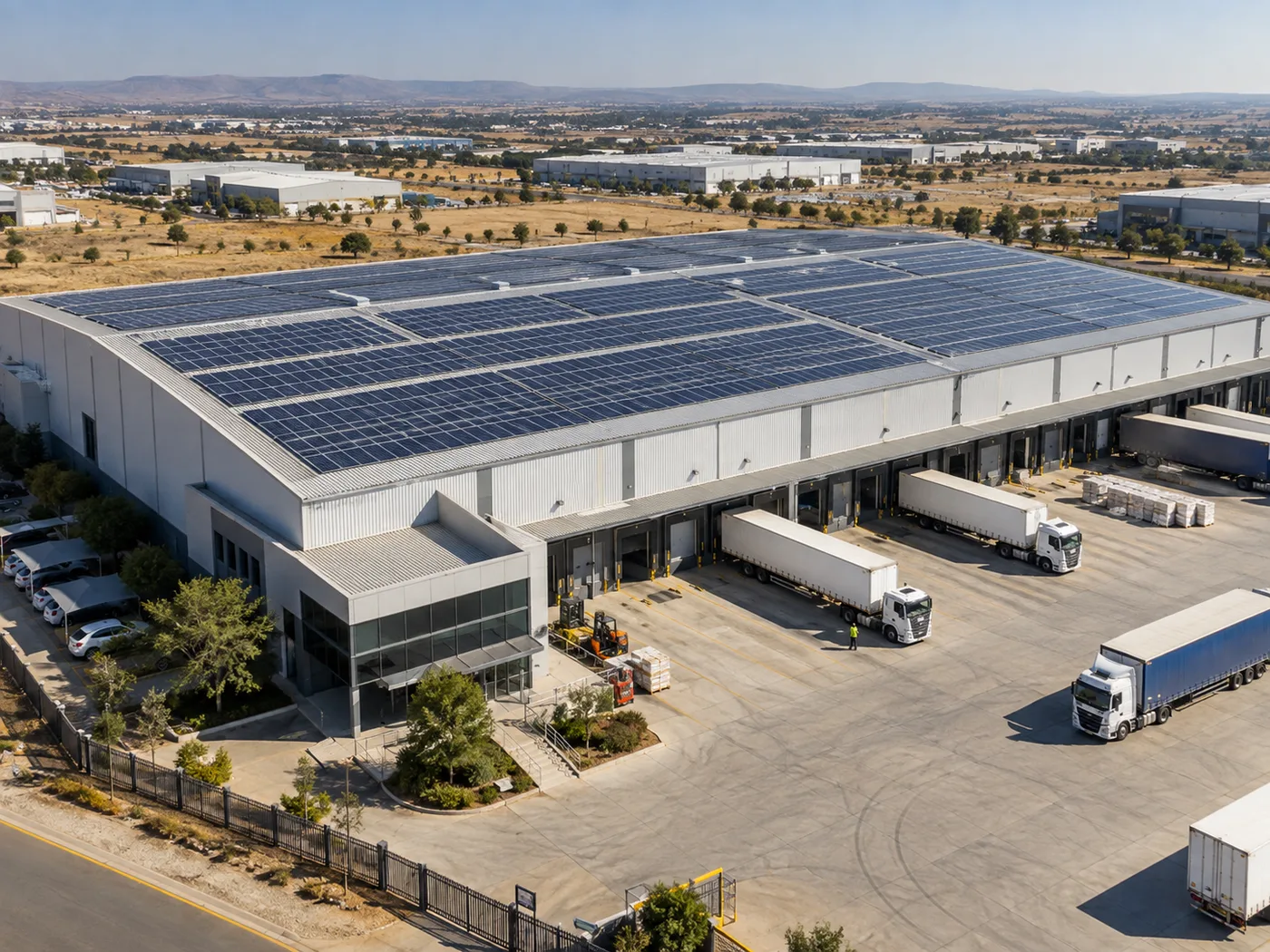
The commercial project screening calculator turns the first six project facts into an assessment route before this technical pack is complete. The warehouse solar guide applies these questions to large roofs, refrigeration, logistics and three-phase equipment. The business solar overview explains how the technical pack feeds into the commercial assessment route.
What finance, technical and legal reviewers need
Finance
Finance needs the load and tariff baseline, installed and operating cost, funding schedule, sensitivity cases and a clear split between energy saving, demand reduction and avoided interruption cost.
Technical and facilities
The technical team needs raw interval data, load schedules, site and electrical records, drawings, equipment models, protection assumptions, monitoring, commissioning and maintenance scope.
Legal, procurement and property
These reviewers need property rights, application duties, access, insurance, warranties, performance measurement, liability, change control, early exit and reinstatement terms. If the project will be financed, pair this pack with the business solar finance comparison.
SolarGuide is an independent referral partner, not the engineer or electricity distributor. Alumo provides its own assessment, design, finance terms, installation and warranties. Final capacity, approval, performance and pricing depend on the measured load, site, distributor and signed scope.
Sources and review note
This guide was checked on 22 September 2026 against the NERSA clarification, the SSEG Municipal Resource Portal, the South African PV procurement guide, the technical specification linked above and Standard Bank's commercial PV feasibility checklist. Rules and application documents vary by distributor. A qualified engineer, registered electrical professional, structural professional and the electricity distributor must confirm the parts that fall within their scope.
Frequently asked questions
How much electricity data is needed for a commercial solar assessment?
Provide 12 months of bills and interval data for a representative period. A South African technical specification recommends at least four weeks of load measurement when interval data is unavailable, using the lowest daytime-consumption season where the load varies. Larger or seasonal projects usually need a broader dataset and explicit data-quality checks.
Can commercial solar be sized from a monthly bill?
Not responsibly. The bill helps establish energy use and tariff cost, but it does not show the timing of load, short peaks, phase imbalance, critical circuits or generator interaction. Interval data and a site assessment are needed for a credible design.
What is the difference between kWp, kW, kWh and kVA?
kWp is the rated peak capacity of the panel array. kW measures real power at a point in time. kWh measures energy over time. kVA measures apparent power and can matter for transformers, supplies and loads with reactive power. A proposal should state each relevant quantity separately.
Does every commercial solar project need a battery?
No. A business with a strong daytime load may obtain good energy savings from grid-tied solar without storage. A battery needs a defined use case such as backup, peak shaving, time shifting, import limiting or increased self-consumption.
What happens after the assessment pack is ready?
Use it to brief providers on the same scope, then compare their data assumptions, design, connection path, exclusions and financial model. Start a commercial site and load assessment with the bills, interval data, operating schedule and property details ready.
SolarGuide is an independent referral partner. We help you compare options and arrange a free quote — Alumo supplies, installs, finances and warrants the systems. Pricing is indicative, sourced from Alumo’s published catalogue, and subject to a site assessment and credit approval.