Why warehouses are a strong solar use case
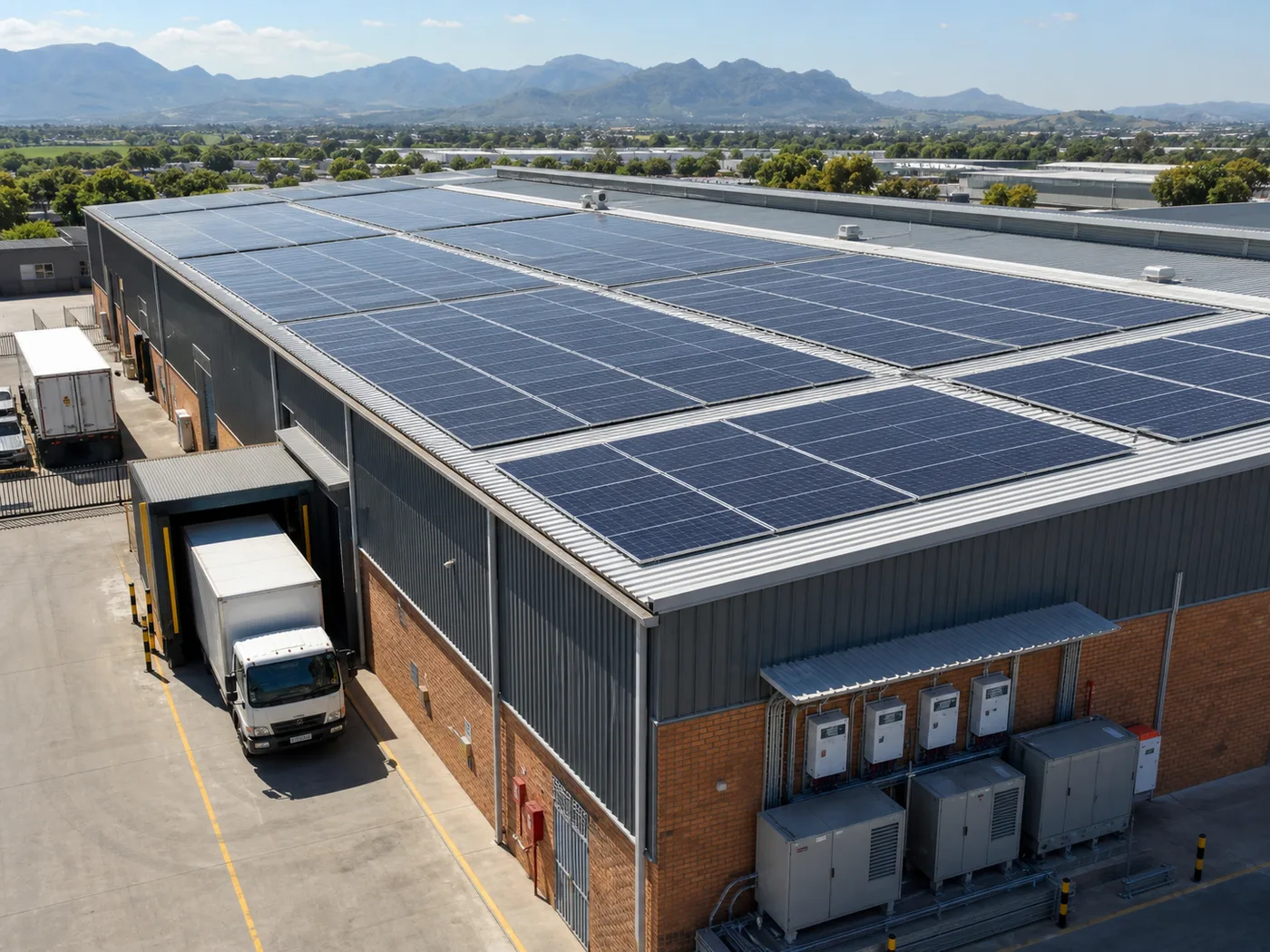
Warehouses frequently have broad roof areas with few obstructions. Their demand may include lighting, conveyor systems, refrigeration, pumps, ventilation, charging equipment and office loads. If those loads run during daylight, PV can feed them directly instead of first charging a battery.
That direct use matters. Every unit of solar electricity consumed on site avoids buying that unit from the grid, subject to the tariff, connection rules and the site's actual generation profile. A battery is not automatically required for savings. It becomes more useful when the site needs backup, has a sharp demand charge, has expensive evening consumption, or cannot use enough of the midday generation.
The right question is not “how many panels fit on the roof?” It is “how much of the solar output can the site use, at what value, and what constraint limits the design?”
Step one: build the warehouse load profile
Two warehouses can use the same annual energy and have completely different solar economics. One may run forklifts and refrigeration during the day. The other may operate a night shift and have a low daytime base load.
Ask for at least 12 months of bills, then collect interval data if it is available. The commercial site and load assessment guide provides the complete desktop pack and site-readiness checklist. The assessment should show:
- weekday and weekend demand;
- operating and shift hours;
- the highest simultaneous demand;
- seasonal refrigeration or HVAC changes;
- start-up surges from motors and compressors;
- power factor and any penalties;
- demand charges or time-of-use rates;
- existing generator runtime; and
- the amount of energy that can be used directly behind the meter.
The monthly bill tells you how much energy was used. The interval profile tells you when the site needs power. Commercial solar design needs both.
What a warehouse solar system contains
Rooftop PV
The panel array creates the daytime generation. Roof orientation, shading, waterproofing, age, access paths and structural loading all matter. A roof survey should identify areas that are unavailable because of skylights, smoke vents, HVAC plant, maintenance walkways or future expansion.
Inverters and protection
Commercial inverters convert the panel output and manage the connection to the warehouse distribution system. The design must match the site's phase arrangement, protection, voltage, export limit and monitoring requirements. Large motors, compressors and chargers can create starting or harmonic conditions that should be measured rather than guessed.
Battery energy storage
A battery energy storage system, or BESS, stores electricity for use later. In a warehouse it may be used for:
- backup during an outage;
- reducing a short peak in demand;
- shifting solar energy into a late-afternoon or night shift;
- limiting grid import when the connection is constrained; or
- improving the use of PV when export is restricted.
Battery capacity is measured in kWh. The power rating, measured in kW, determines how much load it can support at once. A large kWh figure with too little kW may not start the equipment you care about. A high kW rating with too little kWh may run out quickly. Both numbers belong in the brief.
Solar for a cold store, distribution centre or factory
The sector changes the design.
A cold store may have a high, consistent daytime load and valuable backup requirements. The system should account for compressor start-up, refrigeration control, temperature risk and the cost of an interruption. A distribution centre may have excellent daytime PV use but also need to plan around forklift charging, dock operations and tenant meters. A factory may need three-phase power, motor starting capacity, power-quality analysis and careful shutdown planning.
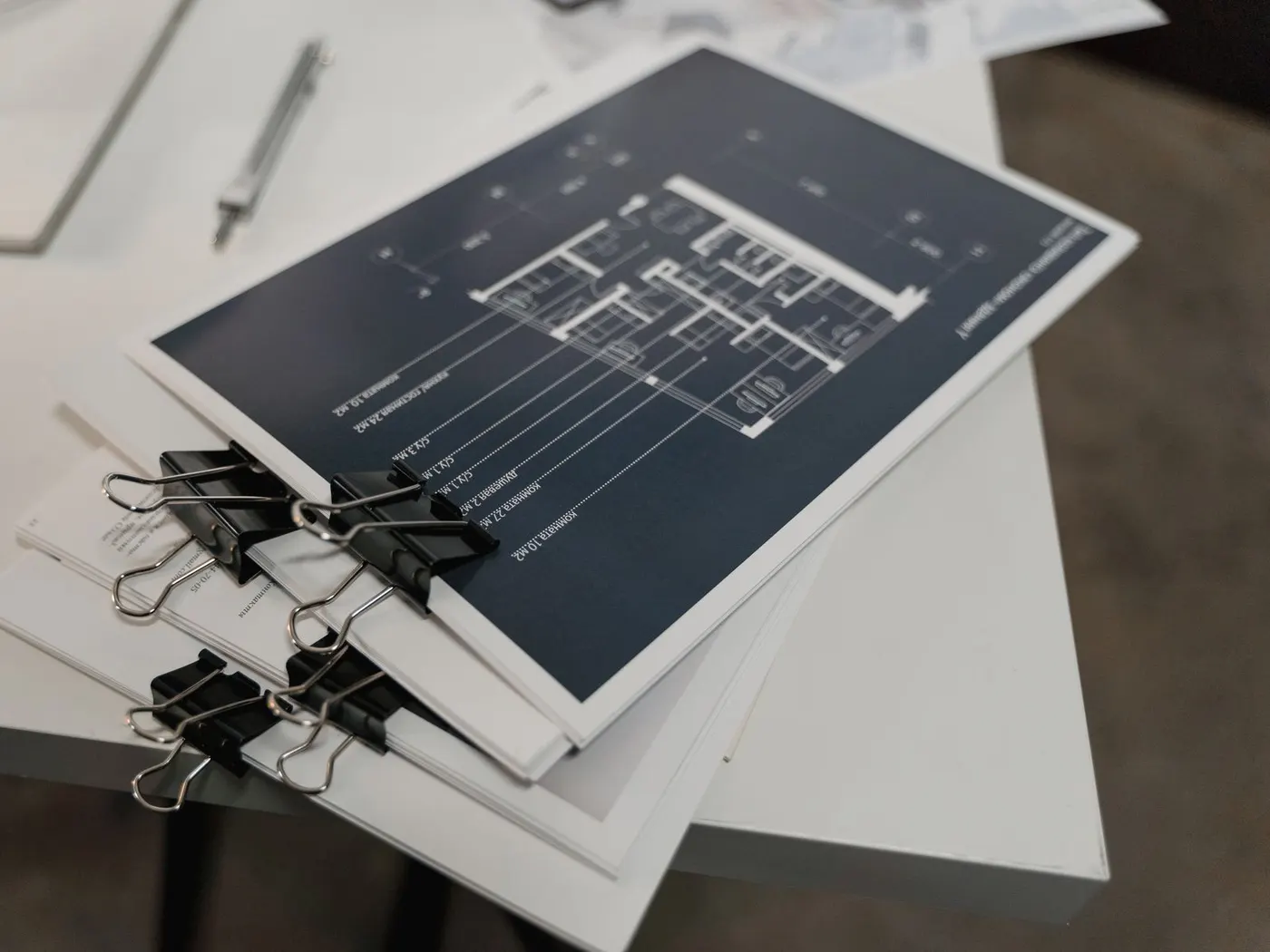
An installer should explain which loads will be backed up, which will remain grid-only, and what happens when the battery reaches its reserve. “The warehouse is on solar” is too vague to sign off. The single-line diagram and backed-up load schedule should make it concrete.
Roof, fire and compliance checks
A commercial roof is an asset and a risk surface. Before anyone promises a panel count, request:
- a structural assessment for the added dead load and wind forces;
- a waterproofing method and responsibility for future leaks;
- safe maintenance routes and access points;
- separation around skylights, vents and fire equipment;
- cable routes and isolation points;
- earthing, lightning and surge protection design;
- the required electrical Certificate of Compliance; and
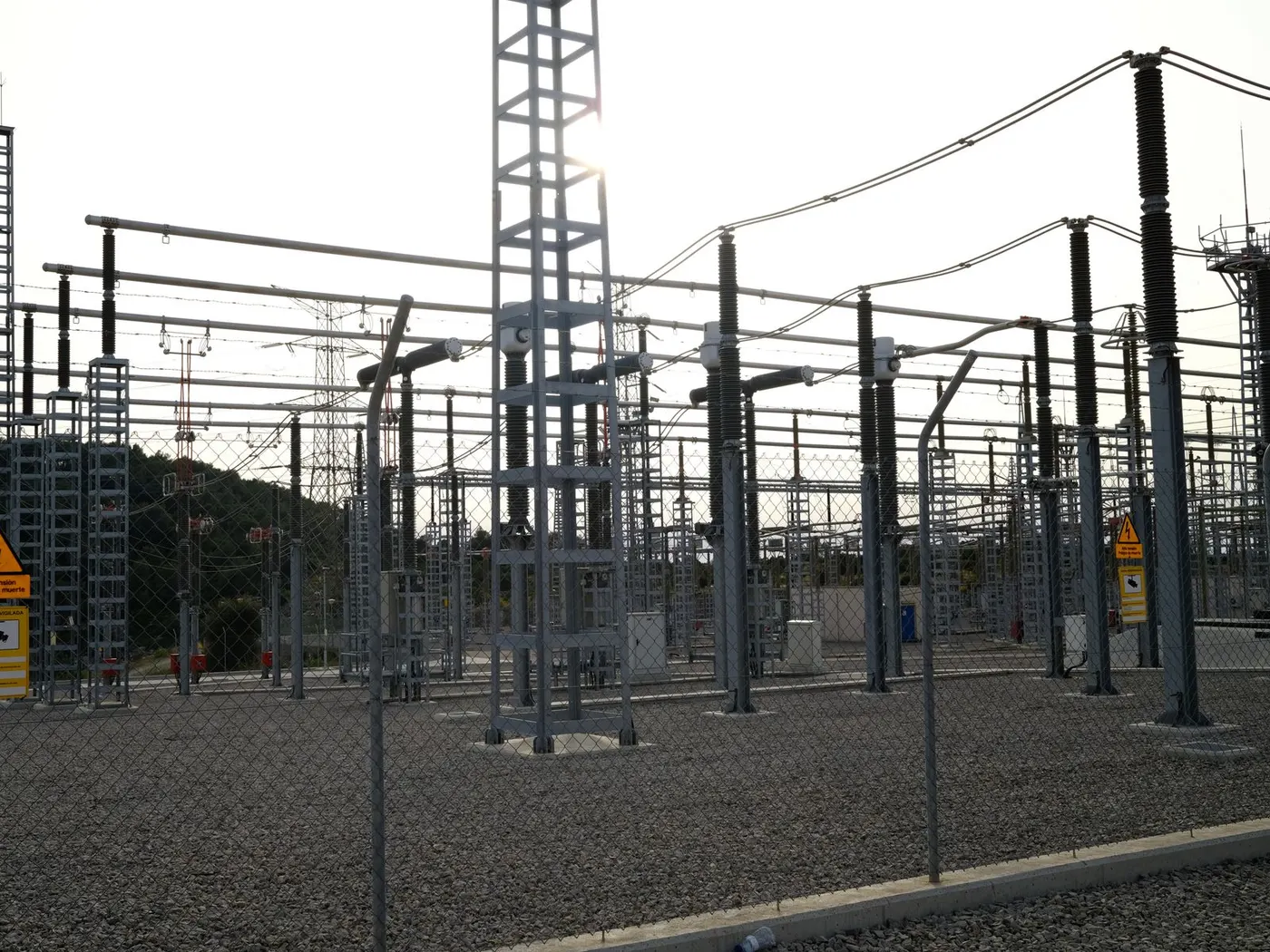
- the municipality, Eskom or connection authority approval path.
If the warehouse is leased, the solar contract also needs landlord consent, roof-access rights, insurance responsibilities, removal terms and a clear answer on what happens when the tenant moves. The commercial solar approvals checklist maps those property decisions alongside distributor, professional and commissioning work.
The commercial payment routes
Buy the system
The business owns the plant, pays the capital cost and keeps the future operating savings. This can suit an owner-occupier with available capital and a long holding period. The business must still budget for maintenance, monitoring, insurance and eventual component replacement.
Finance the system
Monthly finance spreads the capital cost over a term. Compare the finance payment with the expected avoided grid cost, but do not treat them as identical: tariffs change, production varies and finance has its own interest and fees. The business solar finance guide compares bank finance, asset finance, rent-to-own, leases and PPAs using the same total-cost and ownership questions. If the warehouse pays a measured-demand charge, use the peak-shaving guide to test whether solar, storage or load control can reduce the billed maximum.
Power purchase agreement
Under a PPA, a provider generally funds and owns the system, while the customer buys the energy it produces under an agreed contract. The headline energy rate is only one part of the deal. The South African solar PPA guide explains escalation, minimum offtake, roof access, maintenance, insurance, performance guarantees, early termination and end-of-term ownership.
Wheeling or third-party generation
Larger businesses may explore wheeling or off-site generation where the regulatory and network arrangements support it. That is a different project from a rooftop system. The economics depend on network charges, the municipality or Eskom structure, the offtake agreement and the generation asset.
How to compare commercial solar companies
Ask every bidder to answer the same questions:
- What portion of the warehouse load will PV serve directly?
- What production model and tariff assumptions support the savings estimate?
- Which loads are backed up, for how long and at what power level?
- What roof survey and structural evidence supports the design?
- Who owns the equipment under each payment option?
- What happens to warranties if the installer or financier changes?
- Who manages municipal or Eskom approvals and the electrical compliance file?
- What monitoring data will the business receive?
- What are the exclusions for roof repairs, battery replacement and downtime?
- How are underperformance, curtailment and grid outages treated in the contract?
Avoid a proposal that gives one impressive annual saving and no sensitivity analysis. Request a base case, a conservative case and the assumptions behind both. A credible model should let you see what happens if tariffs, production, operating hours or battery use differ from plan.
What the next step should be
The first useful deliverable is not a panel count. It is a site-specific feasibility assessment built from bills, interval data, roof information, connection details and the business's continuity priorities. That assessment can then compare rooftop PV alone, PV plus BESS, finance and PPA options on the same assumptions.
SolarGuide can help you understand the terminology and prepare the questions for a commercial assessment. The commercial solar cost guide shows how grid-tied and battery-backed budgets differ. Our small-business solar guide explains the SME case, while the business solutions page covers the information a provider will need. For a project-sized enquiry, contact SolarGuide with the site's location, annual usage, operating hours and whether backup is essential.
Frequently asked questions
Is warehouse solar worth it?
It can be, particularly when the warehouse uses substantial electricity during daylight and can consume the PV output behind the meter. The result depends on the tariff, load profile, roof, connection limits, capital or finance cost and how much downtime costs the business.
Does a warehouse solar system need batteries?
No. A daytime-heavy warehouse may get strong value from rooftop PV alone. A battery is justified when the site needs backup, peak reduction, evening energy, import limiting or better use of solar that cannot be consumed immediately.
How big should a warehouse solar system be?
There is no responsible answer from floor area alone. The system should be sized from interval demand, roof constraints, connection limits, operating hours and the target for self-consumption or backup. A large roof does not mean the largest possible array is the best investment.
Can a PPA pay for warehouse solar?
A PPA can reduce upfront capital requirements, but the contract determines the outcome. Compare the energy rate, escalation, minimum term, maintenance, roof obligations, termination terms, performance treatment and end-of-term ownership before signing.
Can SolarGuide install a warehouse solar system?
SolarGuide is a comparison and referral service, not the installer. We can help you prepare an enquiry and understand a commercial proposal. The appointed provider must confirm the design, supply, installation, approvals, warranties and final economics.
SolarGuide is an independent referral partner. We help you compare options and arrange a free quote — Alumo supplies, installs, finances and warrants the systems. Pricing is indicative, sourced from Alumo’s published catalogue, and subject to a site assessment and credit approval.