Solar battery prices in South Africa vary mainly with usable capacity, battery chemistry, inverter compatibility, warranty, installation and the amount of backup you want. A battery that looks cheap on a price-per-kWh comparison can be poor value if you cannot use its full capacity, it cannot communicate with your inverter or it does not cover the loads you care about.
The first decision is not “which battery is cheapest?” It is “what must the battery keep running, and for how long?” That answer determines the useful capacity. The solar panels then need to generate enough energy to recharge it.
The practical answer
Compare usable kWh, not only the battery's headline capacity.
A battery for Wi-Fi, security, lights and refrigeration is a different purchase from a battery for the whole home.
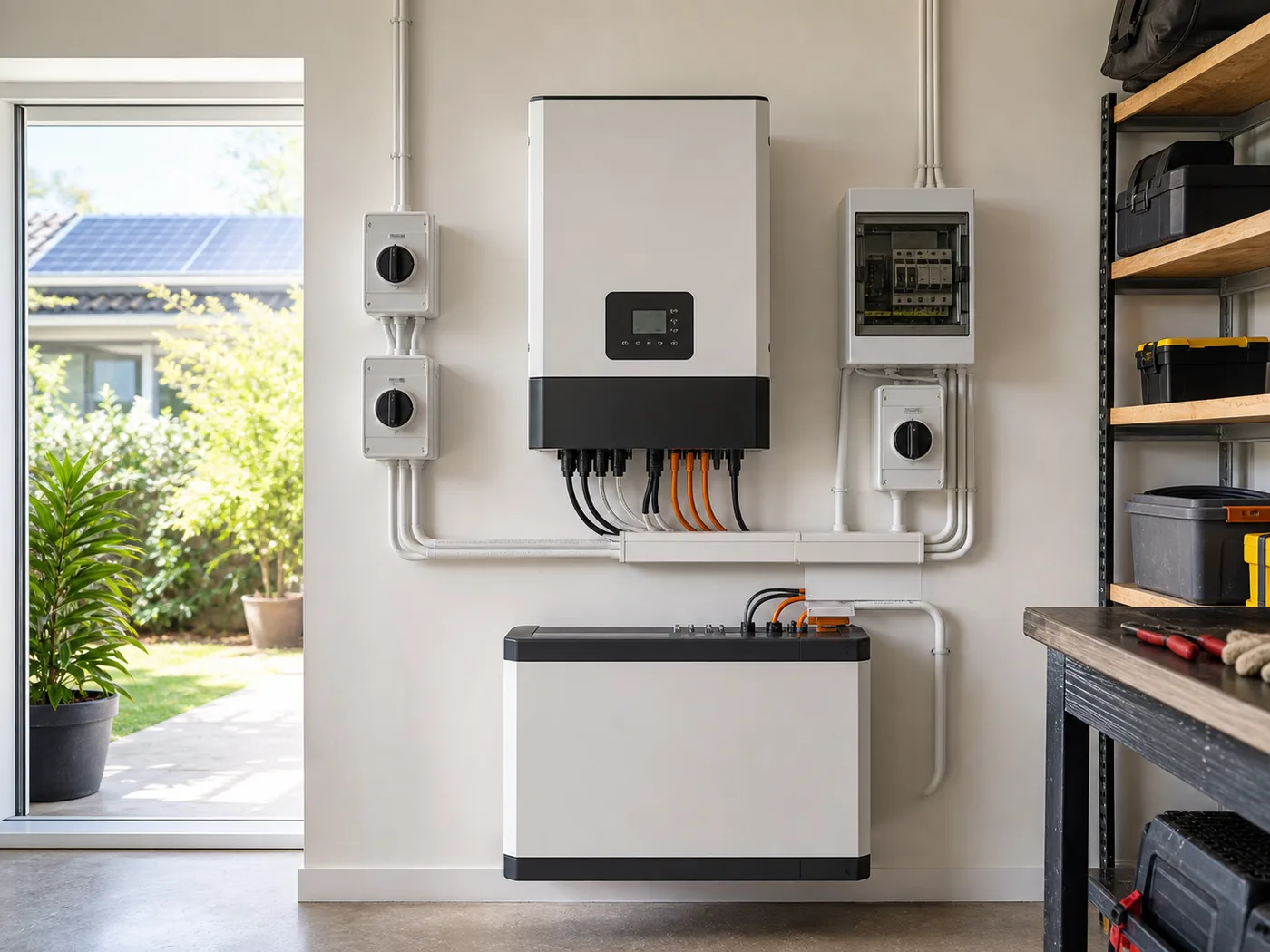
Battery, inverter and backup circuits must be designed as one system.
A professional quote should show the battery model, usable capacity, warranty, installation scope and what is actually backed up.
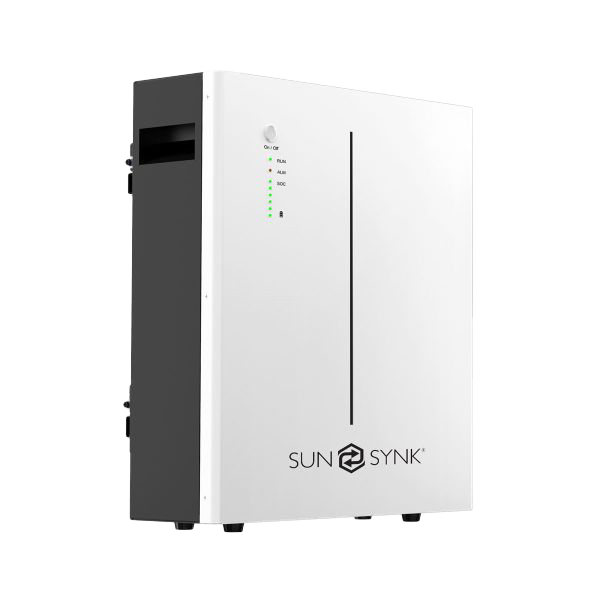
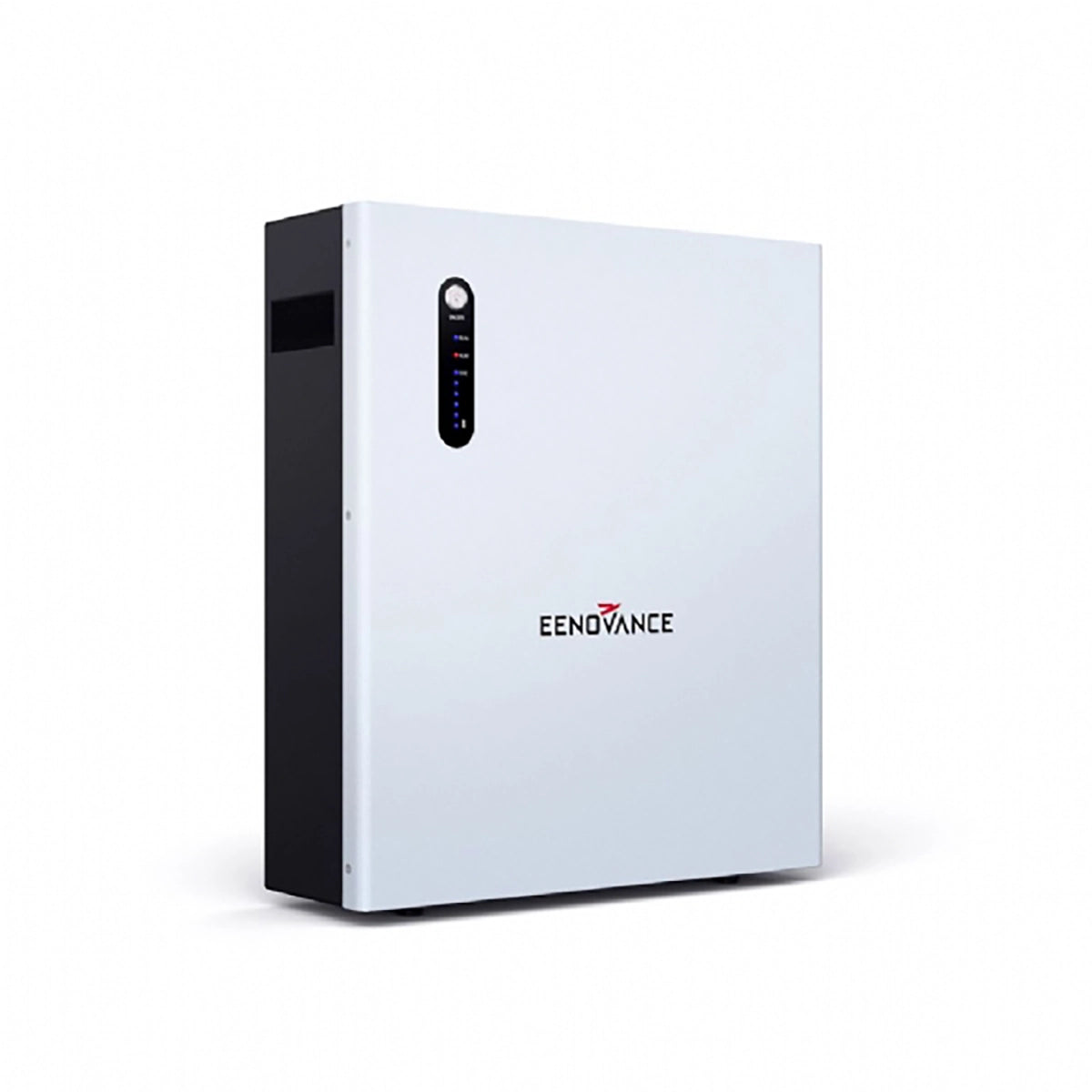
Most current home enquiries use the terms lithium solar battery, lithium-ion solar battery and LiFePO4 battery interchangeably, although the exact chemistry and model still matter. Compare usable kWh, continuous kW output, depth-of-discharge limits, cycle or throughput warranty, temperature limits, communications compatibility and the local warranty process. A battery is not a bargain if the inverter cannot communicate with it or the installation cannot safely use its advertised output.
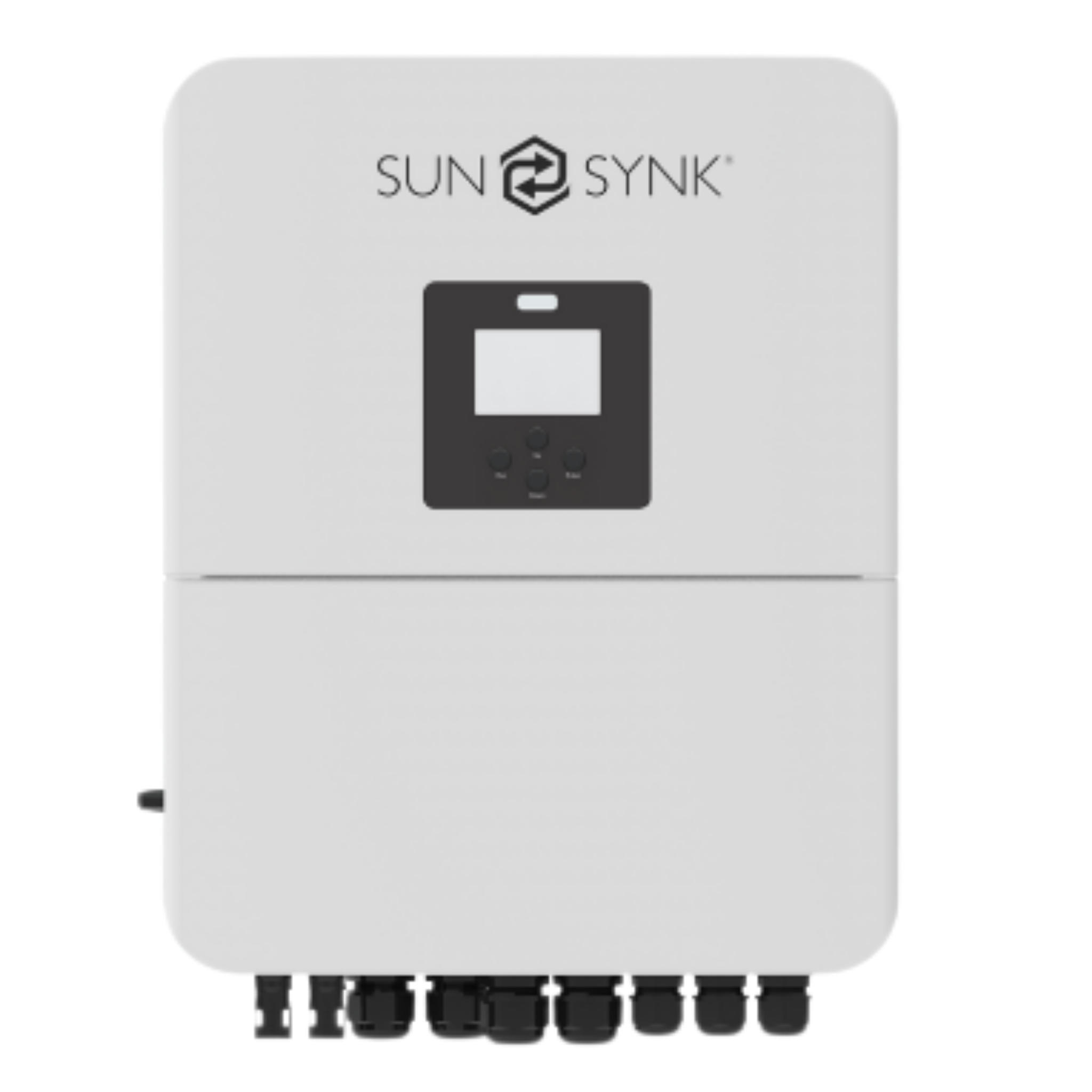
The right inverter and battery pairing matters more than a headline kW or kWh figure. See the models currently listed by SolarGuide, then ask for a quote based on your home and usage.
There is no responsible single price for a home battery without knowing its capacity and installation context. A small battery for essential loads and a larger battery intended to carry evening cooking, heating or multiple circuits are not interchangeable.
The quoted price may include some or all of the following:
the battery and its battery-management system;
an inverter that is compatible with the battery;
wall or floor mounting and electrical protection;
cabling, isolators and commissioning;
monitoring setup and handover; and
changes to the distribution board or backup circuits.
Ask whether the price is for the battery alone or for a working, commissioned backup system. That distinction is just as important as it is when comparing solar panels. Our solar system cost guide explains how the battery fits into the wider installation price.
Usable capacity is the number that matters
A battery may be advertised with a nominal capacity, such as 5kWh. You should also find out how much of that capacity the system is designed to make available without shortening its life or breaching the warranty. That available amount is the usable capacity.
If your backed-up appliances average 500W and the battery can provide 3.6kWh of usable energy, the rough runtime is 7.2 hours before allowing for inverter losses, starting surges, changing appliance use and reserve settings. If the household averages 1.5kW instead, the same battery lasts much less time.
This is why a battery advertised as “all night backup” may not perform that way in every home. Runtime is a relationship between storage and the loads connected to it.
Free tool
How long will your battery last?
Pick a battery size and what you want to keep running.
5.0 kWh
Estimated backup time
12.9 hours
Running about 350 W
Rough estimate at ~90% usable depth. Real runtime depends on the exact appliances and battery. A quote sizes it properly.
Battery price by capacity is only a starting point
Larger batteries generally cost more, but capacity is not the only price driver. Two units with similar kWh ratings may differ in power output, cycle rating, thermal management, communication, warranty and expansion options.
When you compare battery quotes, record:
nominal capacity in kWh;
usable capacity in kWh;
continuous and peak output in kW;
compatible inverter models;
recommended depth of discharge;
cycle or throughput warranty;
whether installation hardware is included; and
how additional batteries can be added later.
The power rating matters. A battery can have enough stored energy but still be unable to run a kettle, pump or several appliances simultaneously if its discharge output is too low. Storage capacity and instantaneous power solve different problems.
Lithium batteries and home backup
Most modern residential solar systems use lithium batteries, commonly LiFePO4. They suit daily cycling and can provide a high usable share of their rated capacity when correctly installed and managed. The important comparison is not simply “lithium versus everything else”. It is whether the specific battery is appropriate for the inverter, location, temperature, installation and usage pattern.
The battery stores energy. The inverter converts and controls it. The inverter's rated output determines how much power can run at once, while the battery's usable kWh determines how long the stored energy lasts.
You therefore need to check both:
energy capacity: how long the battery can run the chosen loads; and
power capacity: how much those loads can draw at the same time.
A home might need a larger inverter because several appliances start together, but need only a modest battery because the outage loads are carefully limited. Another home might need substantial storage because it wants to use the battery every evening, even if its peak load is moderate.
Practical package examples
SolarGuide's indicative home packages illustrate the difference between system levels. The Bronze option is built around a 3.6kW inverter and a 3.8kWh battery. The Gold option uses a 5kW inverter and 5.32kWh of storage. Those figures are useful for orientation, but they are not a guarantee of runtime for a particular household.
Your actual battery recommendation should be based on your bill, essential circuits and the duration you want to cover. An installer may recommend a smaller battery with a disciplined backup plan, or more storage if the home needs evening energy as well as outage protection.
Battery-only backup versus panels and battery
A battery can be installed as part of a backup system, but panels usually improve the value of that storage because they can recharge it during the day. The right design depends on whether your main goal is:
backup during outages;
lower electricity purchases;
storing daytime solar for evening use; or
greater independence from the grid.
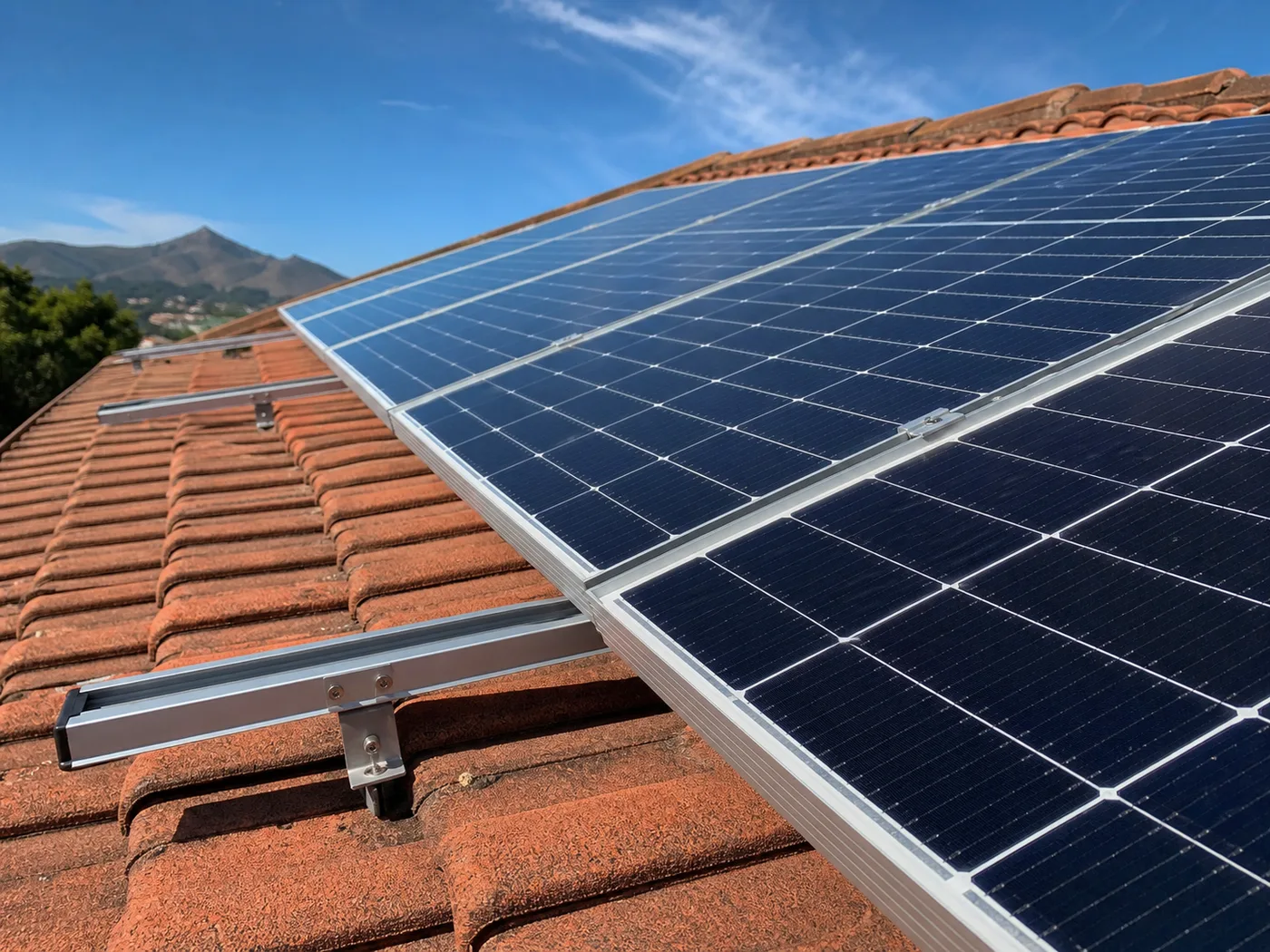
If you buy storage before deciding how it will be charged, you may end up with an expensive battery that is not regularly replenished. The system should be designed as a loop: panels generate, the inverter routes energy, the battery stores surplus and the home uses the cheapest suitable source at each moment.
Questions that expose a weak battery quote
“How many hours will it last?”
Ask the installer to state the appliances and assumed wattage behind the estimate. Runtime without a load list is marketing, not sizing.
“Can I add another battery later?”
Ask about the maximum supported capacity, battery age matching, communication requirements and whether the inverter needs a firmware or hardware change.
“What does the warranty cover?”
Check the warranty period, throughput or cycle conditions, minimum retained capacity and the process for a claim. Confirm whether the installer covers the workmanship separately.
“Will it run the whole house?”
Find out which circuits are on the backup output. A system can be excellent at essential backup without being designed to run every high-power appliance during an outage.
How to get a useful battery price
Before requesting a quote, write down the appliances you want to keep on and the times they matter. Include the fridge, Wi-Fi, alarm, gate motor, lights, television, work equipment, pumps and any medical equipment. If you want to cook or heat water during an outage, say so. Those choices change the inverter and battery specification.
SolarGuide is an independent referral partner. We help you compare the decision and request a quote; the installation partner confirms the final equipment, price, warranty and backup design after assessing your home. Package figures on this site are indicative.
It depends on the appliances you want to run, their combined power and the time you need to cover. A home protecting essentials may need much less storage than a home trying to run most of its evening consumption.
Is a 5kWh battery enough for load-shedding?
It can be enough for selected essentials, depending on their combined demand and the outage duration. It may not be enough to run high-power appliances or a whole home for an extended period.
Is it better to buy a bigger battery?
Only if the home can use and recharge it. Oversizing adds cost, while undersizing creates short runtimes. The best battery is the one matched to the essential loads and the solar array.
Can I add a battery to an existing solar system?
Sometimes. The inverter, wiring, firmware, protections and battery communication must all be checked first. An installer should confirm compatibility rather than assuming any battery can be added.
What is the difference between kW and kWh?
kW describes power, or how much can run at once. kWh describes energy, or how much can be stored and used over time. The inverter is primarily sized by kW, while the battery's runtime is primarily described by usable kWh.
SolarGuide is an independent referral partner. We help you compare options and arrange a free quote — Alumo supplies, installs, finances and warrants the systems. Pricing is indicative, sourced from Alumo’s published catalogue, and subject to a site assessment and credit approval.