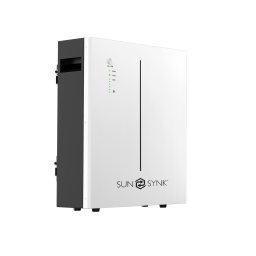
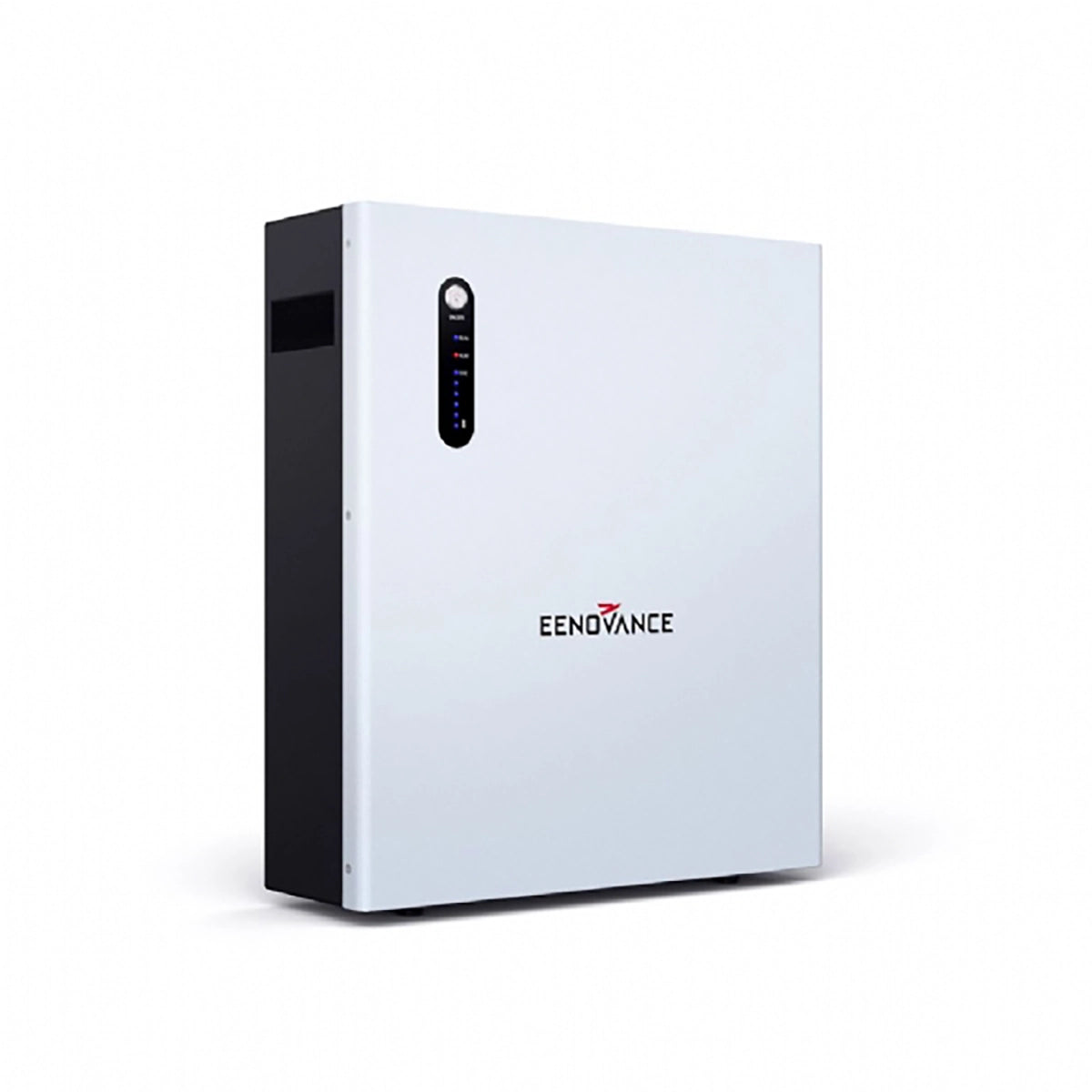
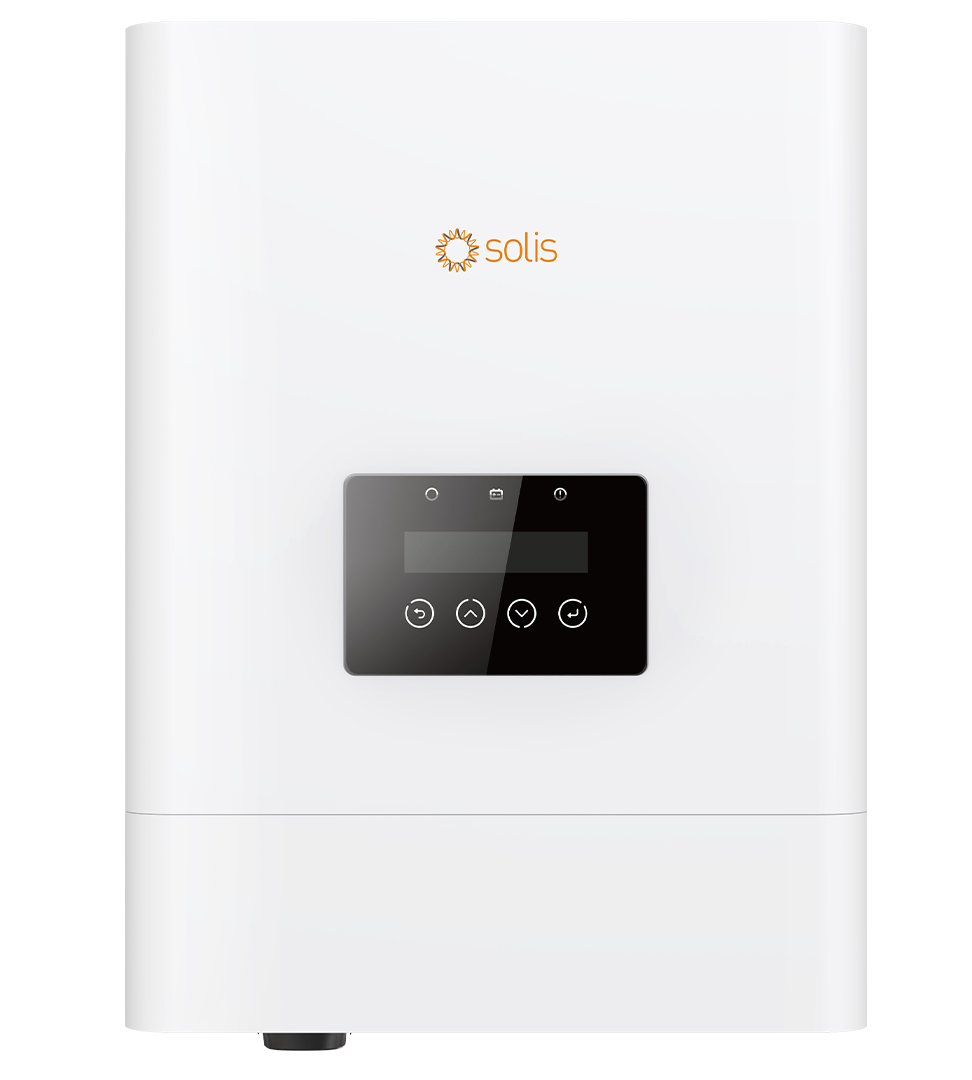
The right inverter and battery pairing matters more than a headline kW or kWh figure. See the models currently listed by SolarGuide, then ask for a quote based on your home and usage.
If you have lived through a South African winter of Stage 4 and 6, you already know the real problem isn't the darkness. It's the timing. Eskom takes the lights at exactly the wrong moment: dinner, the school run, the last hour of a work deadline. A good battery is the one component that decides whether you notice or not. Panels are lovely on a sunny Highveld afternoon, but at 6pm in July it's your battery, not the sun, keeping the Wi-Fi alive and the evening intact.
So the chemistry inside the box matters more than almost anything else you'll decide. Nearly every serious home battery sold in South Africa today is LiFePO4, lithium iron phosphate, and there are good reasons it has pushed older lithium and lead-acid options aside. This guide covers what LiFePO4 actually is, why it suits load-shedding so well, how to size it for your home, and how to avoid paying for capacity you'll never use.
Key takeaways
LiFePO4 (lithium iron phosphate) is the safest, longest-lasting battery chemistry for home backup and now dominates the SA market.
It handles daily deep cycling, the exact pattern load-shedding creates, far better than lead-acid.
Size your battery around the appliances you actually need during an outage, not your whole house.
Expect thousands of cycles and roughly a decade of useful life from a quality unit, backed by an installer warranty.
6,000 cycles
typical LiFePO4 lifespan
90%+
usable capacity
~10 years
of daily service
What LiFePO4 actually is
LiFePO4 is a specific type of lithium-ion battery. The "iron phosphate" part refers to the cathode material, and that small chemical difference changes everything that matters for a home. Compared with the lithium chemistries used in laptops and some electric cars (NMC, for example), LiFePO4 is more thermally stable, far less prone to the runaway overheating that makes headlines, and much more tolerant of being charged and discharged over and over.
For a house that gets emptied and refilled every single day by load-shedding, that last point is what counts. A battery's life is measured in cycles, one full discharge and recharge, and LiFePO4 units are typically rated for several thousand cycles while still holding a healthy chunk of their original capacity. In plain terms, a well-installed LiFePO4 battery cycled daily can serve a South African household for the better part of a decade.
Depth of discharge, and why it matters
You'll see a spec called depth of discharge (DoD). It describes how much of the battery you can safely use. LiFePO4 units commonly allow 90% or more, so a 5kWh battery gives you close to 4.5kWh of genuinely usable energy. Lead-acid hates being drained. Pull it below about half and you dramatically shorten its life, so a lead-acid battery has to be far larger on paper to deliver the same real backup. That erases most of its apparent price advantage.
Why LiFePO4 suits load-shedding
Load-shedding is a demanding pattern. It isn't one big annual outage; it's short, frequent, predictable drains, sometimes twice a day for weeks. That rhythm punishes the wrong battery quickly.
LiFePO4 shrugs it off. It charges quickly from both solar and, when needed, the grid, so it can top up in the gap between an afternoon slot and an evening one. It holds voltage steadily as it discharges, so your lights don't dim and sensitive electronics stay happy. And because it runs cooler, it can live in a scullery, garage or plant room without the ventilation headaches older chemistries demanded.
Battery safety questions come up a lot, and fairly. The reassuring answer is that LiFePO4 is the reason the industry moved this way. Its chemistry simply doesn't want to combust the way some other lithium types can under abuse. Paired with a proper battery management system (BMS), which every quality unit includes, it monitors temperature, voltage and current and shuts things down long before they become a problem. That's why installers are comfortable putting these units inside family homes.
How to size a battery for your home
Here's where most people either overspend or under-buy. The trick is to forget your total monthly consumption and think instead about what you need to keep running during an outage.
Start with the essentials most households want covered: lights, Wi-Fi and network gear, TV, phone and laptop charging, the fridge and freezer, maybe a few plug points. That "essential load" is surprisingly modest. Now add the timing: how many hours of backup do you want, and how often does solar get a chance to recharge before the next slot?
A small battery of around 3.6kWh will comfortably carry lights, connectivity and electronics through a typical two-and-a-half hour slot. That's ideal for a flat, a townhouse or a first step into backup. A mid-sized 5kWh-plus battery starts to bring the fridge and freezer along for longer stretches, which suits a family home riding out back-to-back Stage 6 slots.
33.6kWh battery
5 | caption=Approximate hours of essential backup5.32kWh battery
Not sure which system you need?
Get a free, no-obligation quote sized to your home, usage and budget. It only takes a minute.
Alumo currently describes outright systems as bespoke and confirms the cash purchase price after assessing the property and energy use. Rental buyout and cash-equivalent figures should not be treated as a current outright quote.
Alumo's current solar-plus-battery rent-to-own range uses a Solis 5kW inverter and Eenovance 5.32kWh battery: Watt-a-Deal has three 615W panels from R1,418/month, The Big Watt has four from R1,487/month, and The Power Bae has six from R1,626/month on a seven-year term. Three- and five-year prices, solar-only configurations and battery-only pricing are available on our current package comparison.
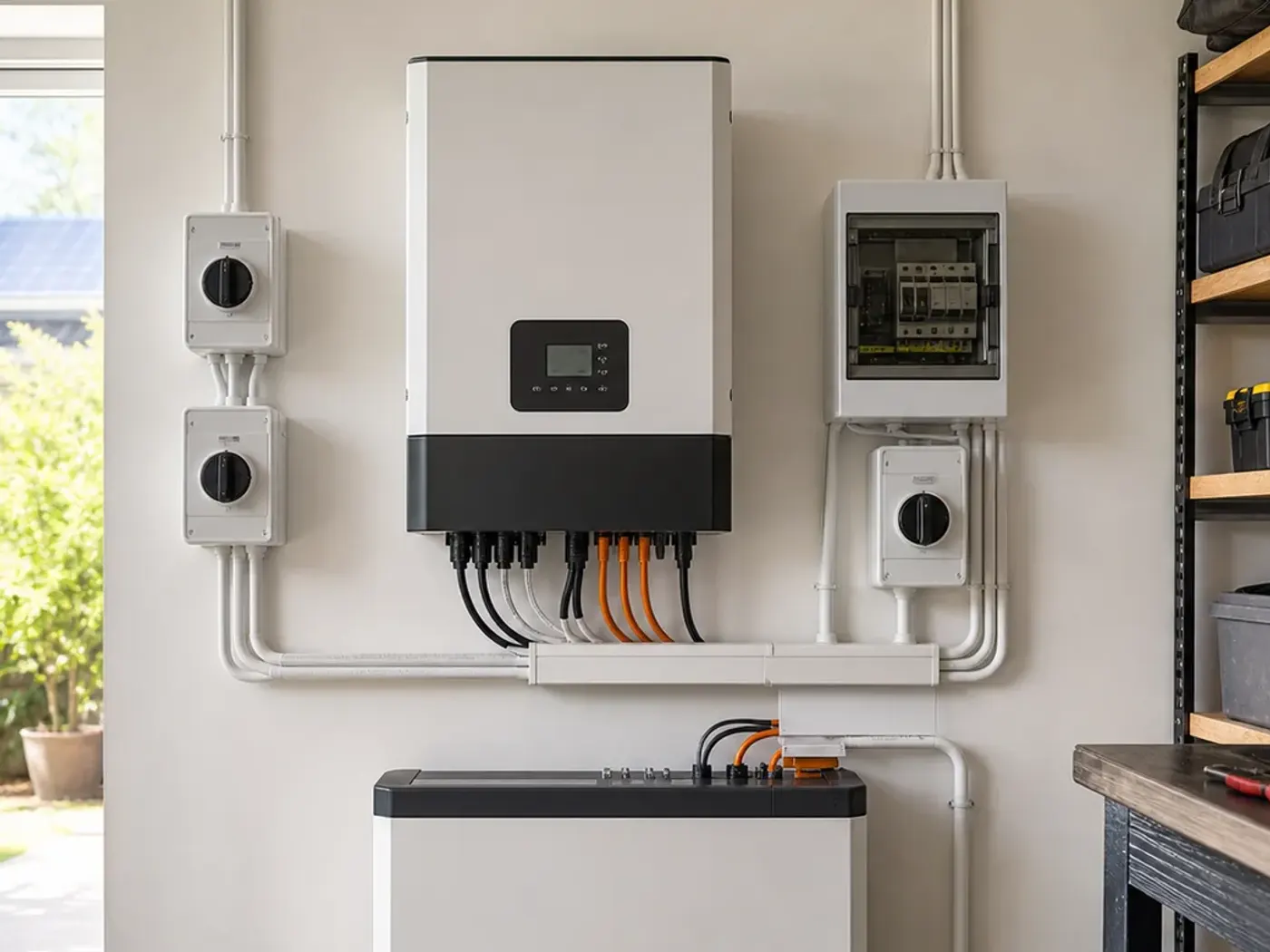
A battery never works alone. The inverter sets how much power you can draw at once. Run the kettle, microwave and geyser element together and a small inverter will trip, no matter how full the battery is. Panels are what turn the battery from a glorified UPS into a system that recharges itself for free. Getting the three balanced is exactly the kind of thing a proper site assessment sorts out, so you're not paying for a big battery starved by too few panels.
What to look for when you buy
Beyond chemistry, a few practical things separate a good purchase from a regret. Look for a usable capacity figure, not just the nominal kWh, so you know what you actually get. Check the cycle rating and warranty; a decade-long or several-thousand-cycle warranty signals the manufacturer's confidence. Make sure the battery is properly matched to the inverter brand for clean communication between them. And insist on professional installation with the right protections and, where relevant, registration with your municipality as a small-scale embedded generator (SSEG).
Reputable brands available locally include Sunsynk, AlphaESS, Eenovance, Sigenergy and IES. The specific model matters less than the fit: the right size for your home, matched to your inverter, installed and warranted properly. That's the difference between a battery that quietly disappears into your life and one that becomes a running frustration.
Free tool
How long will your battery last?
Pick a battery size and what you want to keep running.
5.0 kWh
Estimated backup time
12.9 hours
Running about 350 W
Rough estimate at ~90% usable depth. Real runtime depends on the exact appliances and battery. A quote sizes it properly.
A quality LiFePO4 battery is typically rated for several thousand charge cycles. Cycled daily through load-shedding, that generally translates to roughly a decade of useful service, after which it still holds a meaningful portion of its original capacity rather than simply failing.
Is a LiFePO4 battery safe to install inside my home?
Yes. LiFePO4 is the most thermally stable common lithium chemistry and, combined with a built-in battery management system, is designed to shut down safely under fault conditions. This is precisely why installers are comfortable placing these units in garages, sculleries and plant rooms in family homes.
What size battery do I need for load-shedding?
Size it around your essential load (lights, Wi-Fi, electronics, and usually the fridge and freezer) and how many hours you want covered. A 3.6kWh unit suits a smaller home wanting to stay lit and online; a 5kWh-plus battery keeps more running for longer. A site assessment confirms the right fit.
Can I add more battery capacity later?
Often yes, provided your inverter has the headroom and the batteries are compatible. This is worth flagging up front so your installer specs an inverter that leaves room to expand, rather than one you'd have to replace to grow.
Who actually supplies and installs the system?
SolarGuide is an independent referral partner. Alumo supplies, installs, finances and warrants the systems we help you compare, and all pricing here is indicative and subject to a site assessment and credit approval. Our job is simply to help you get a clear, free quote. Get a free quote →
SolarGuide is an independent referral partner. We help you compare options and arrange a free quote — Alumo supplies, installs, finances and warrants the systems. Pricing is indicative, sourced from Alumo’s published catalogue, and subject to a site assessment and credit approval.