The three architectures in plain language
Every solar system has to turn panel DC into household AC. The difference is where that happens and what else the box does.
String inverters
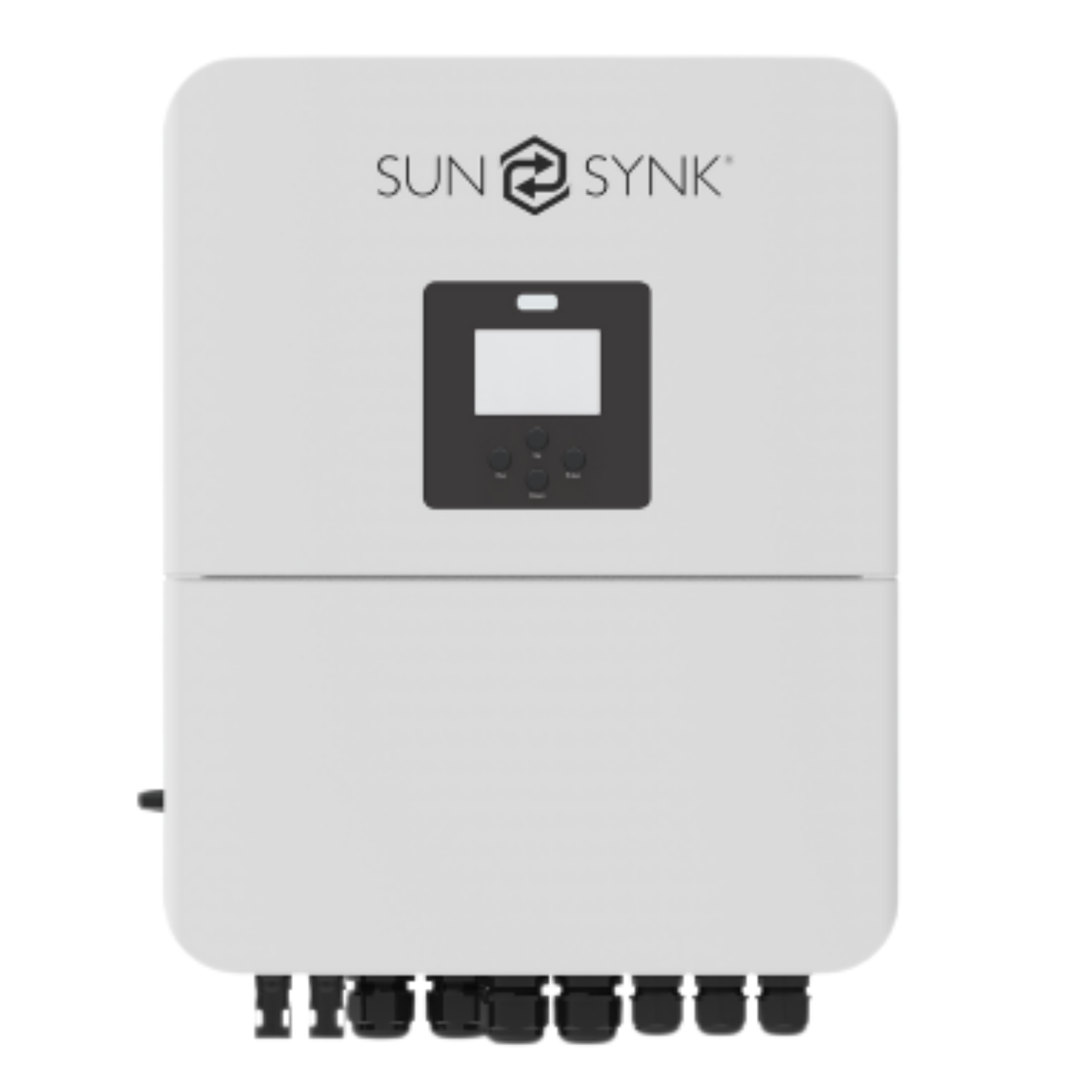
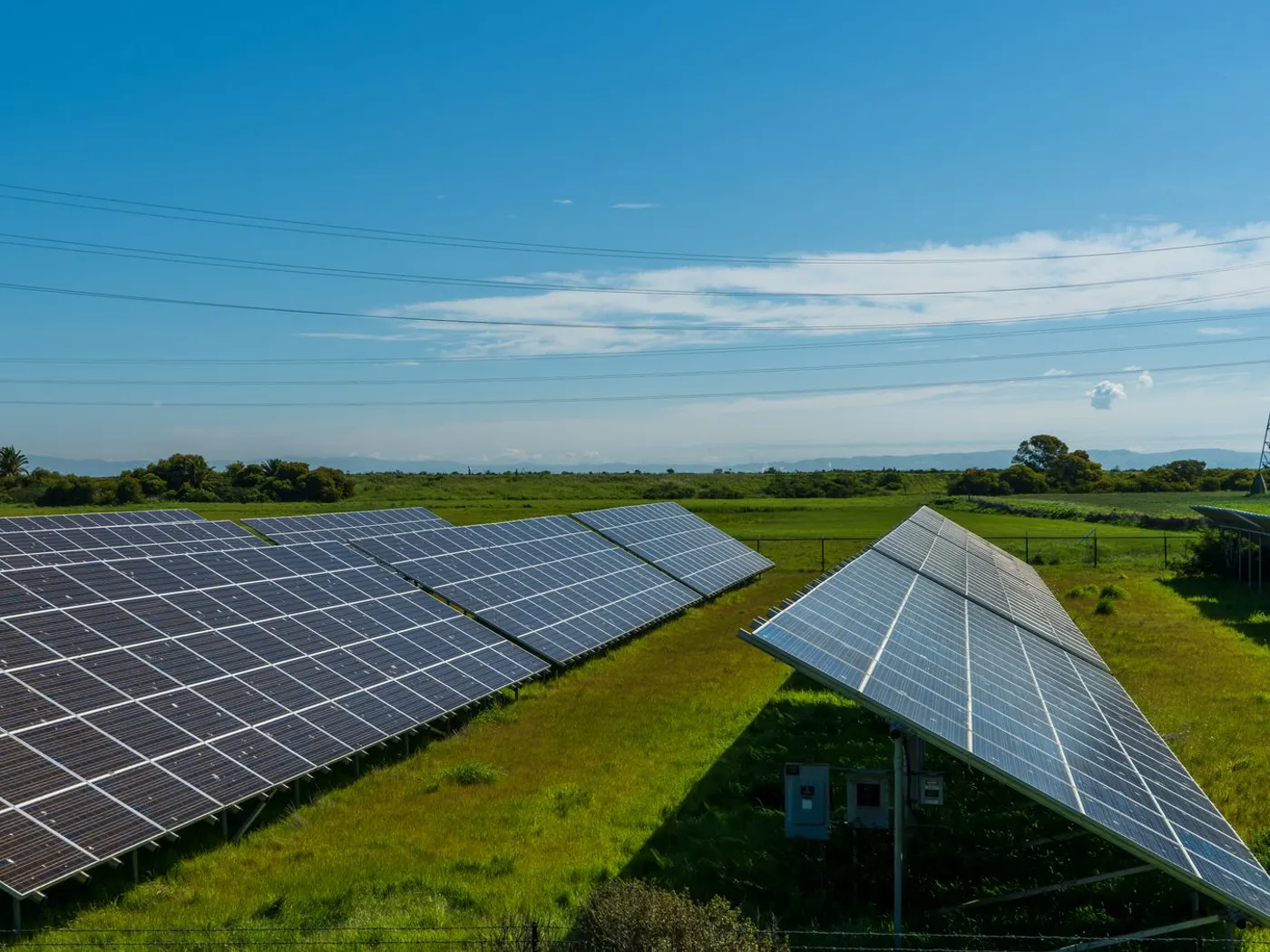
Panels are wired in series into one or more strings, and each string feeds a single inverter on a wall. Series wiring adds the panels' voltages together, so the DC cable from the roof carries hundreds of volts. Sunsynk's 12kW single-phase hybrid datasheet (v5), for example, accepts up to 500V of PV input. Each string is managed by an MPPT tracker (maximum power point tracker, the solar charger that finds the best operating point). Most residential inverters have two or three.
A plain grid-tie string inverter only converts solar to AC for your home and the grid. It has no battery connection.
Micro-inverters
A micro-inverter is a small inverter mounted on the racking behind one or two panels. Each panel, or pair, has its own MPPT, and AC leaves the roof instead of high-voltage DC. APsystems' DS3 micro-inverter, for instance, connects two modules, each on its own input channel with independent MPPT. A roof of 12 panels might carry six such units, all feeding a common AC circuit to the distribution board.
Strings with power optimisers
Optimisers sit between the two. A small DC-to-DC device is fitted to each panel (or only to some), which tracks that panel's best operating point, but the panels are still wired in strings to a central inverter. Tigo describes its TS4-A-O as an add-on unit that provides module-level optimisation and monitoring, meets US NEC rapid shutdown requirements, and can be deployed selectively on only the panels that need it. Check optimiser compatibility with the specific inverter before you buy.
Hybrid inverters
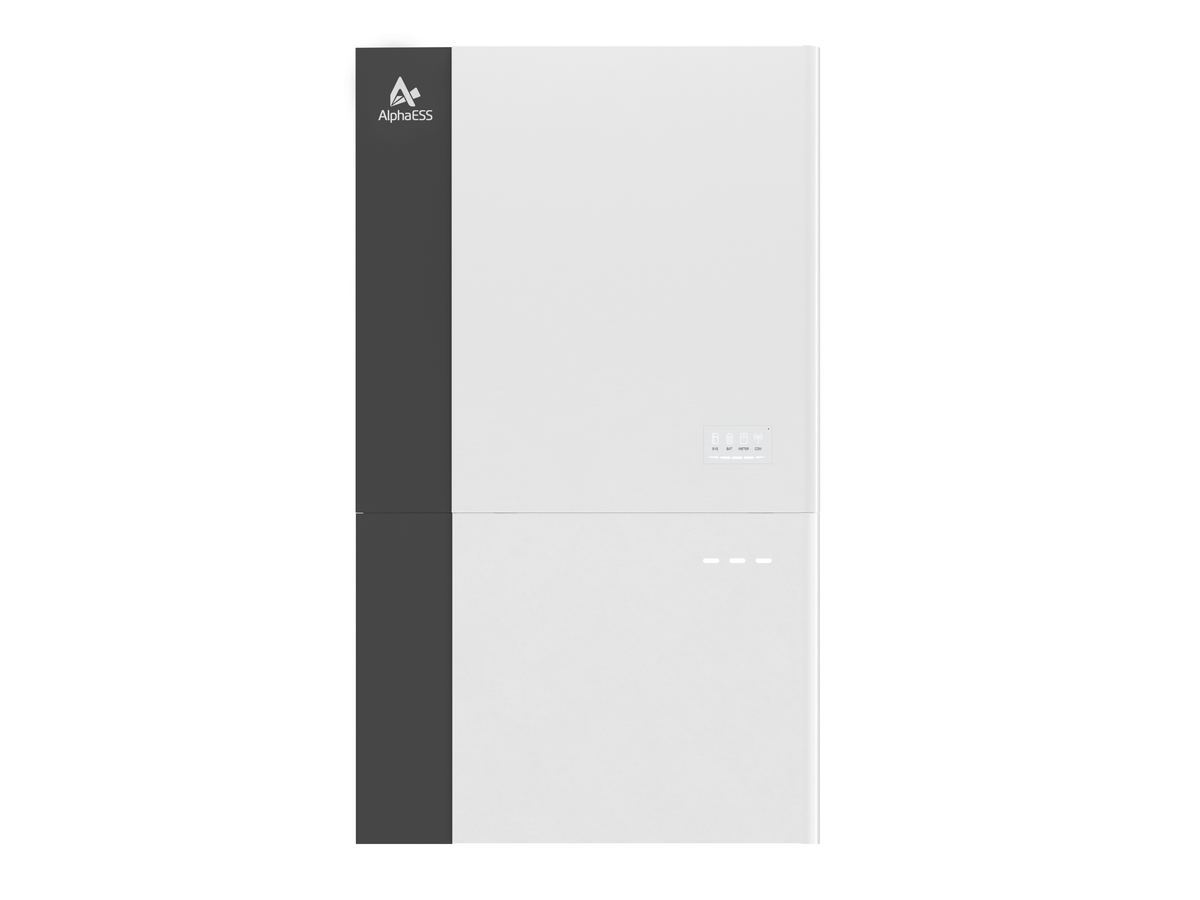
A hybrid inverter is a string-type inverter with a battery port and the ability to keep part of your home running when the grid fails. It manages panels, battery and grid together. That is why it dominates South African homes: it is the only one of the three that provides backup on its own. Our explainer on what a hybrid inverter is covers how it decides between sources, and Hybrid vs grid-tie inverter covers the goal-level choice between saving money and keeping the lights on. This guide focuses on the hardware layout underneath that choice.
Comparison at a glance
| Micro-inverters | String (grid-tie) | String + optimisers | Hybrid |
|---|
| Where DC becomes AC | At each panel or pair | One inverter on the wall | One inverter on the wall | One inverter on the wall |
| MPPT | Per panel or pair | Per string | Per panel (optimiser) | Per string |
| Shade and mixed roof faces | Strong | Weakest | Strong | Per string, like string |
| Monitoring | Per panel | Per string or inverter | Per panel | Per string, plus battery and loads |
| DC voltage on the roof | Low (one or two panels) | High (whole string) | High in normal operation | High (whole string) |
| Backup in an outage | None on its own | None | None unless the inverter is a hybrid | Yes, with a battery |
| Battery | Only via AC coupling | Only via AC coupling | Depends on inverter | Built in |
This table is SolarGuide's summary of how the architectures work in general; specific products vary, so check the datasheet for the model you are quoted.
Shading and roof orientation
Why strings suffer from shade
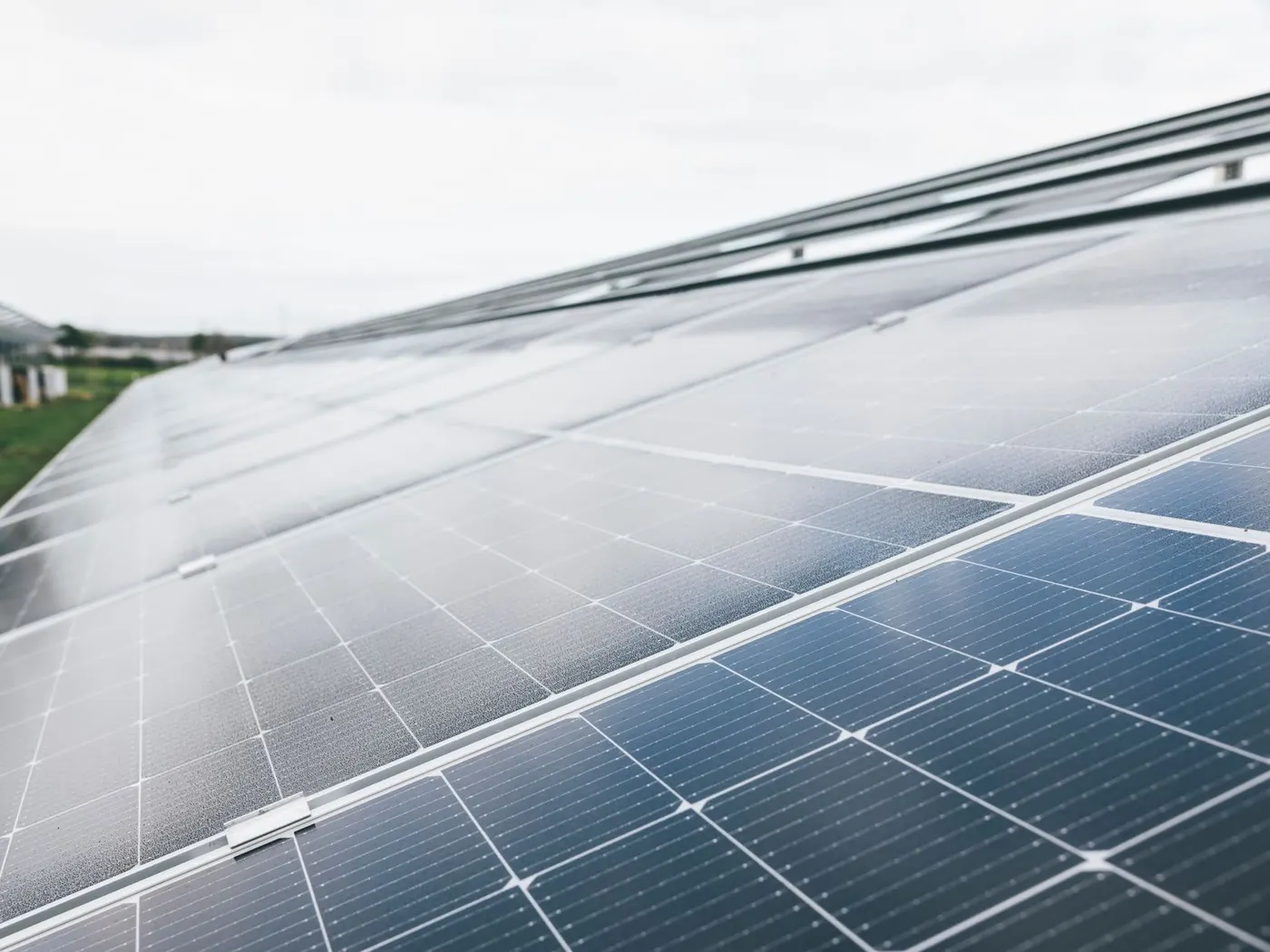
In a series string, the same current flows through every panel. When one panel is shaded by a chimney, a tree or a neighbour's double storey, its current drops, and the whole string is pulled towards it. Panels have bypass diodes that let current skip a badly shaded section, which limits the damage, but the string still loses output. Panels facing different directions cause a similar mismatch, because an east-facing panel peaks in the morning and a west-facing one in the afternoon.
The standard fix on a string inverter is design: put panels with the same orientation and shading on the same string, and use separate MPPT trackers for different roof faces. With two or three trackers, most simple roofs work well on a string or hybrid inverter.
Where micro-inverters and optimisers pull ahead
If every panel has its own tracker, a shaded panel only loses its own output. That matters most on roofs with:
- shade that moves across part of the array during the day
- more roof faces than the inverter has trackers
- small, scattered roof sections that cannot form even strings
- panels you want to add later in a different spot
On an unshaded, single-direction roof, the advantage shrinks to very little, and you pay for the extra electronics without much return.
Monitoring panel by panel
Micro-inverters and optimisers report each panel's output, so you can see when one panel is dirty, shaded, damaged or not producing. A string or hybrid inverter reports per string or per tracker, along with battery, load and grid data in a hybrid's case. You can usually spot a fault on a string system by comparing strings and watching for a drop over time, but finding the exact panel takes a site visit. Our guide to solar monitoring apps explains what to watch either way.
Backup: the South African deciding factor
Grid-tie systems go dark in an outage
A grid-tie inverter, whether a string unit or a set of micro-inverters, must stop exporting when the grid fails. This anti-islanding behaviour protects technicians working on the lines. Victron's AC coupling guide puts it plainly: systems with only a grid-tied PV inverter will fail when there is a grid black-out. Bright sunshine makes no difference.
Why outage timing makes batteries matter
Outages are not only about national load-shedding. Eskom says it uses load reduction in parts of Gauteng and KwaZulu-Natal when local networks are overloaded, in two windows: 05:00 to 09:00 and 17:00 to 22:00. Those are the hours when panels produce little or nothing. Even a system that could run directly off the panels in daylight would not help much then. What keeps the lights on through morning and evening outages is stored energy and an inverter that can form its own supply, which means a hybrid or a battery inverter.
Our guide to grid-tied, off-grid and hybrid solar sets out the full system-level comparison.
Not sure which system you need?
Get a free, no-obligation quote sized to your home, usage and budget. It only takes a minute.
Get your free quote →AC coupling: adding a battery to micro or string systems
If you already own a grid-tie string inverter or micro-inverters, you do not necessarily have to throw them away to get backup. AC coupling adds a battery inverter (or a hybrid) on the AC side, and the existing solar inverter connects to its backed-up output.
Here is how it works, using Victron's documentation as the reference:
- During an outage, the battery inverter creates a local grid. The PV inverter sees that local grid and keeps producing, so your existing panels still contribute.
- When the battery is full or loads drop, the battery inverter raises its AC frequency, and a compatible PV inverter reduces its output in response. This is called frequency shifting, and the PV inverter has to support it and be set up for it.
- Victron's factor 1.0 rule says the PV inverter's maximum power must be equal to or less than the battery inverter's continuous output at 25°C. Victron also sets a minimum battery size for each kWp of AC-coupled PV.
Some hybrids are built for this too. Deye's 12kW single-phase product page lists "AC couple to retrofit existing solar system" among its features.
AC coupling is a design job, not a plug-in. The installer must confirm that your existing inverter or micro-inverters can be controlled by the battery inverter, that the sizes follow the manufacturer's rules, and that the new installation is registered with your distributor.
Cost structure, without the guesswork
We have not quoted prices in this guide because the architectures are rarely sold on comparable terms. What changes is the shape of the cost:
- Micro-inverters scale with panel count. Every extra panel or pair adds another unit, and the electronics sit on the roof, so a later replacement may mean lifting panels.
- String inverters are one box on a wall, so the inverter cost is largely fixed for a given size, and replacement is a wall-level job.
- Optimisers add a per-panel cost on top of a string inverter, but can be limited to the shaded panels.
- Hybrids cost more than grid-tie inverters, and the battery is usually the largest single item in the system.
Ask for an itemised, installed quote for any option, and compare like with like: same panel count, same backup capacity, same warranties. Our electrical CoC guide explains the certification that every quote should include.
Safety: DC voltage and rapid shutdown
A string of modern panels can carry several hundred volts of DC from the roof to the inverter, and panels keep producing as long as light falls on them. Switching off the inverter or the main breaker does not de-energise that roof cable. That is the safety argument for micro-inverters, whose DC side is limited to one or two panels, and for optimisers that can drop their output when the system shuts down.
In the United States, the National Electrical Code requires "rapid shutdown" of rooftop PV conductors, which is why products such as Tigo's optimisers are marketed as meeting it. The City of Cape Town's SSEG requirements do not mention rapid shutdown. In South Africa, ask your installer:
- where the DC isolators are and what they isolate
- how the roof cabling is protected and routed
- whether the design includes any module-level shutdown, and whether it suits your roof and fire-access concerns
The installation still needs a Certificate of Compliance under SANS 10142-1. Cape Town's 2023 requirements also called for professional sign-off of grid-tied systems by an ECSA-registered person.
Grid approval: NRS 097-2-1 applies to every inverter
Any inverter that runs in parallel with the grid needs to prove it meets South Africa's grid-connection standard.
- Eskom says all systems below 100kVA must be registered, even if they do not export, and asks for an NRS 097-2-1 type-test certificate for the inverter.
- The City of Cape Town's Requirements for Small-Scale Embedded Generation (version 51, September 2023) say only NRS 097-2-1 approved inverters on the City's list will be considered, that manufacturer declarations are not accepted, and that inverters must also meet IEC/SANS 62109-1 and -2.
For micro-inverters, that means the specific micro-inverter model must carry the certificate and, in Cape Town, appear on the list. Check this before you buy imported micro-inverters online. It applies equally to a string or hybrid inverter.
Which architecture suits which home?
| Your situation | Usual best fit |
|---|
| Backup through outages is the main goal | Hybrid inverter with a battery |
| Simple unshaded roof, one or two faces, backup wanted | Hybrid; optimisers rarely add much |
| Heavily shaded or many small roof faces, backup wanted | Hybrid with optimisers on the affected panels, or micro-inverters AC-coupled to a battery inverter |
| Existing grid-tie or micro-inverter system, now want backup | AC coupling to a compatible battery inverter or hybrid |
| Bill savings only, grid outages not a concern | Grid-tie string or micro-inverters can work, but leave room to add backup |
This is SolarGuide's editorial guidance, not a rule. The right answer depends on your roof, your loads and the exact equipment.
Alumo's current home rent-to-own packages, for example, are built around a hybrid set-up: a Solis 5kW inverter with an Eenovance 5.32kWh battery and three to six 615W panels, from R1,449/month on a seven-year term for Watt-a-Deal (as advertised on alumo.co.za on 20 October 2026).
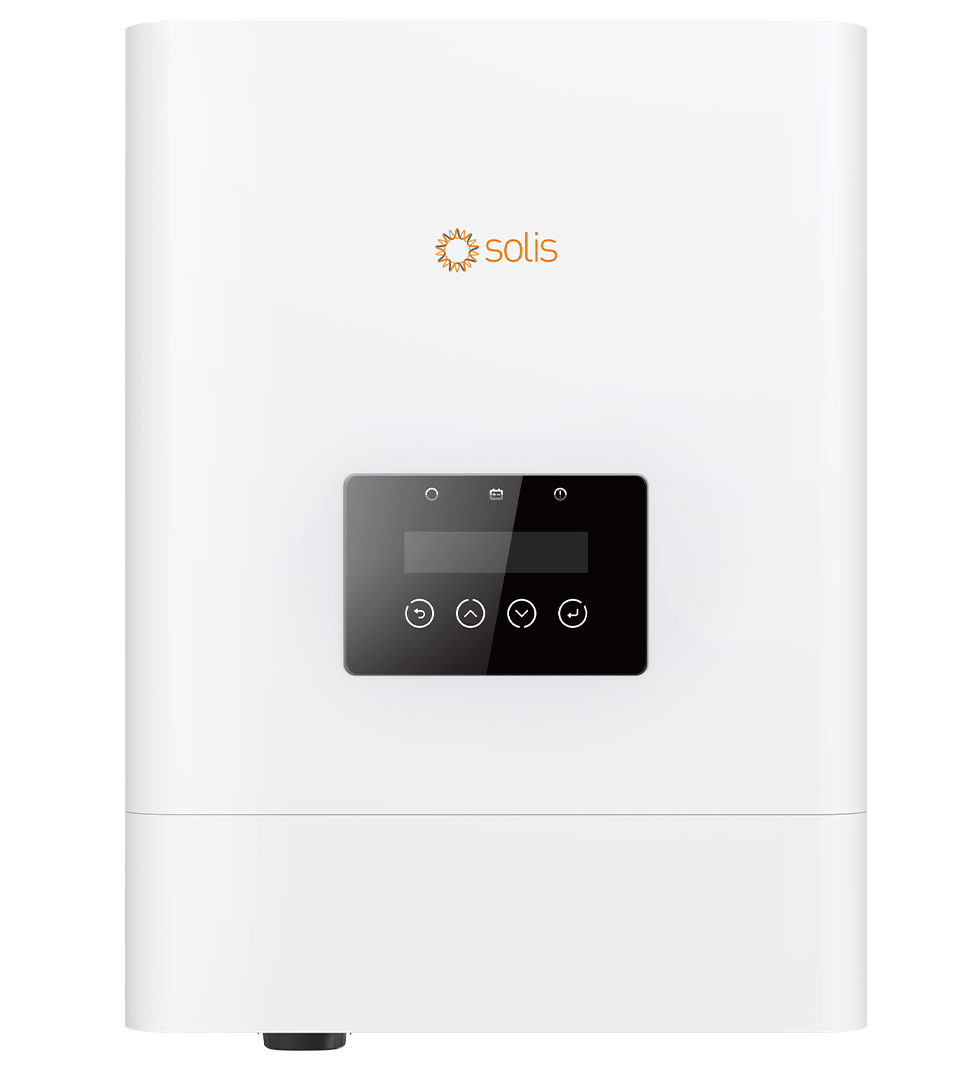
R1,449/mo · 3, 5 or 7 years
- • Solis 5kW inverter
- • Eenovance 5.32kWh battery · Runtime depends on connected appliances
- • 3 × 615W panels
Get a free quote →Rent-to-own carries a 6.5% annual escalation and an option to own; Alumo confirms the final system after a site assessment, and pricing is subject to credit approval. If you have a shaded roof, an existing grid-tie system, or a quote you want checked, request an itemised quote that shows the inverter type, battery and approvals.
Frequently asked questions
Are micro-inverters better than a string inverter?
They are better on shaded roofs and roofs with several small faces, because each panel works independently, and they show output panel by panel. On a simple, unshaded roof the gain is small. In South Africa the bigger question is backup: neither micro-inverters nor a grid-tie string inverter keep power on in an outage without a battery inverter.
Do micro-inverters work during load-shedding?
Not on their own. Like any grid-tie inverter, they shut down when the grid fails. They can keep working in an outage if they are AC-coupled to a compatible battery inverter or hybrid that forms a local grid, which needs the right equipment and set-up.
Can I add a battery to my existing grid-tie system?
Often, through AC coupling. A battery inverter or hybrid is added on the AC side, and your existing inverter connects to its backed-up output. The existing inverter must support frequency-shift control, and the sizes must follow the battery inverter maker's rules, such as Victron's factor 1.0 rule.
What is the difference between a hybrid inverter and a grid-tie inverter?
A grid-tie inverter converts solar to AC for your home and the grid but has no battery and shuts down in an outage. A hybrid inverter adds a battery and keeps chosen circuits running when the grid fails. Both need NRS 097-2-1 certification to connect to the grid.
Is SolarGuide the installer?
No. SolarGuide is an independent referral partner. Alumo supplies, installs, finances and warrants the systems we refer. We help you compare options and get a free quote. All pricing is indicative and subject to a site assessment and credit approval.
Sources and review note
Checked on 22 October 2026. String and hybrid inverter specifications come from Sunsynk's 10/12kW single-phase hybrid datasheet (v5) and Deye's SUN-12K-SG02LP1 product page. Micro-inverter details come from APsystems' DS3 product page, and optimiser details from Tigo's TS4-A-O product page. AC coupling, frequency shifting and the factor 1.0 rule come from Victron Energy's AC coupling documentation. Load reduction areas and times come from Eskom's load reduction page. Grid approval requirements come from Eskom's SSEG page and the City of Cape Town's Requirements for Small-Scale Embedded Generation (version 51, September 2023). Alumo's rent-to-own configuration and starting price are as advertised on alumo.co.za on 20 October 2026. The comparison tables and suitability guidance are SolarGuide's editorial summaries. SolarGuide has not tested these products; the brands named here are described editorially and are not SolarGuide partners. If you spot a factual error, tell us and we'll correct it.
SolarGuide is an independent referral partner. We help you compare options and arrange a free quote — Alumo supplies, installs, finances and warrants the systems. Pricing is indicative, sourced from Alumo’s published catalogue, and subject to a site assessment and credit approval.