Most solar disappointments in South Africa have nothing to do with faulty panels or a run of cloudy weather. They come from avoidable mistakes made before and during installation: decisions about sizing, equipment, compliance and who you hire that only show themselves months later, usually halfway through a long stretch of load-shedding. By then the fix is expensive and annoying.
The upside is that these mistakes are well known, so you can dodge every one of them if you know what to watch for. This guide runs through the ones we see South African homeowners make most often, why they happen, and how to avoid each. Get these right and the system does what you paid for instead of teaching you a costly lesson.
Key takeaways
Most solar regret comes from avoidable installation and planning mistakes, not equipment failure.
The big ones: undersizing, skipping compliance, choosing on price alone, poor panel placement, and mismatched components.
Skipped SSEG registration or a missing Certificate of Compliance can cost you legally and with insurers.
The cheapest quote is often the most expensive over the system's life.
Choosing an established installer who sizes properly and handles compliance avoids nearly all of these.
Mistake 1: Undersizing the system
The most common regret by far is a system that turns out too small. It happens when the design is built around a summer afternoon rather than a winter evening during load-shedding, or when a homeowner chases a low upfront price and accepts fewer panels and a smaller battery than the home actually needs.
You end up with a system that copes fine in ideal conditions and leaves you in the dark exactly when you need it. Winter days are shorter and cloudier, batteries drain faster under heavy load, and higher stages mean longer gaps to bridge.
How to avoid it
Size for your real needs, including the worst realistic winter-and-load-shedding scenario, not the best case. Insist that the installer reviews your actual consumption and asks which appliances must keep running. It is far cheaper to specify the right size once than to expand an undersized system later, though a good installer will also make sure the system can grow if your needs do.
Mistake 2: Skipping compliance and registration
This one is invisible until it bites, and then it bites hard. Grid-tied and hybrid systems must be registered with your municipality as a Small-Scale Embedded Generator (SSEG) and signed off with an electrical Certificate of Compliance (CoC). Some installers skip these to save time or money, and some homeowners do not know to ask.
The consequences are real: municipal fines, forced compliance at your own cost, rejected insurance claims, and complications when you sell your home, since a valid CoC is expected during transfer. An unregistered grid-tied system is a legal breach, not a grey area.
How to avoid it
Confirm before signing who will handle SSEG registration, who will issue the CoC, and whether the exact inverter is accepted by your electricity distributor. If compliance never comes up in the conversation, that silence is your warning.
Not sure which system you need?
Get a free, no-obligation quote sized to your home, usage and budget. It only takes a minute.
A quote that is dramatically cheaper than the rest isn't a bargain. It's a signal that something has been left out. Usually it's undersized components, unknown-brand equipment, skipped compliance, or no real warranty support. Solar is a 20-year investment, and the lowest upfront price often becomes the highest lifetime cost.
How to avoid it
Compare quotes on what they actually include, not just the headline number. A complete quote covers quality equipment, correct sizing, compliance paperwork and a real workmanship warranty. If one quote is far lower, ask precisely what is different. The answer usually explains the gap.
Mistake 4: Poor panel placement and orientation
Panels sit on your roof for two decades, so their position matters. The usual errors: mounting them where trees, a wall or a neighbour's structure throws afternoon shade, or picking the roof face that looks neatest over the one that actually catches the most sun. Even partial shade on a single panel can drag the whole string down.
How to avoid it
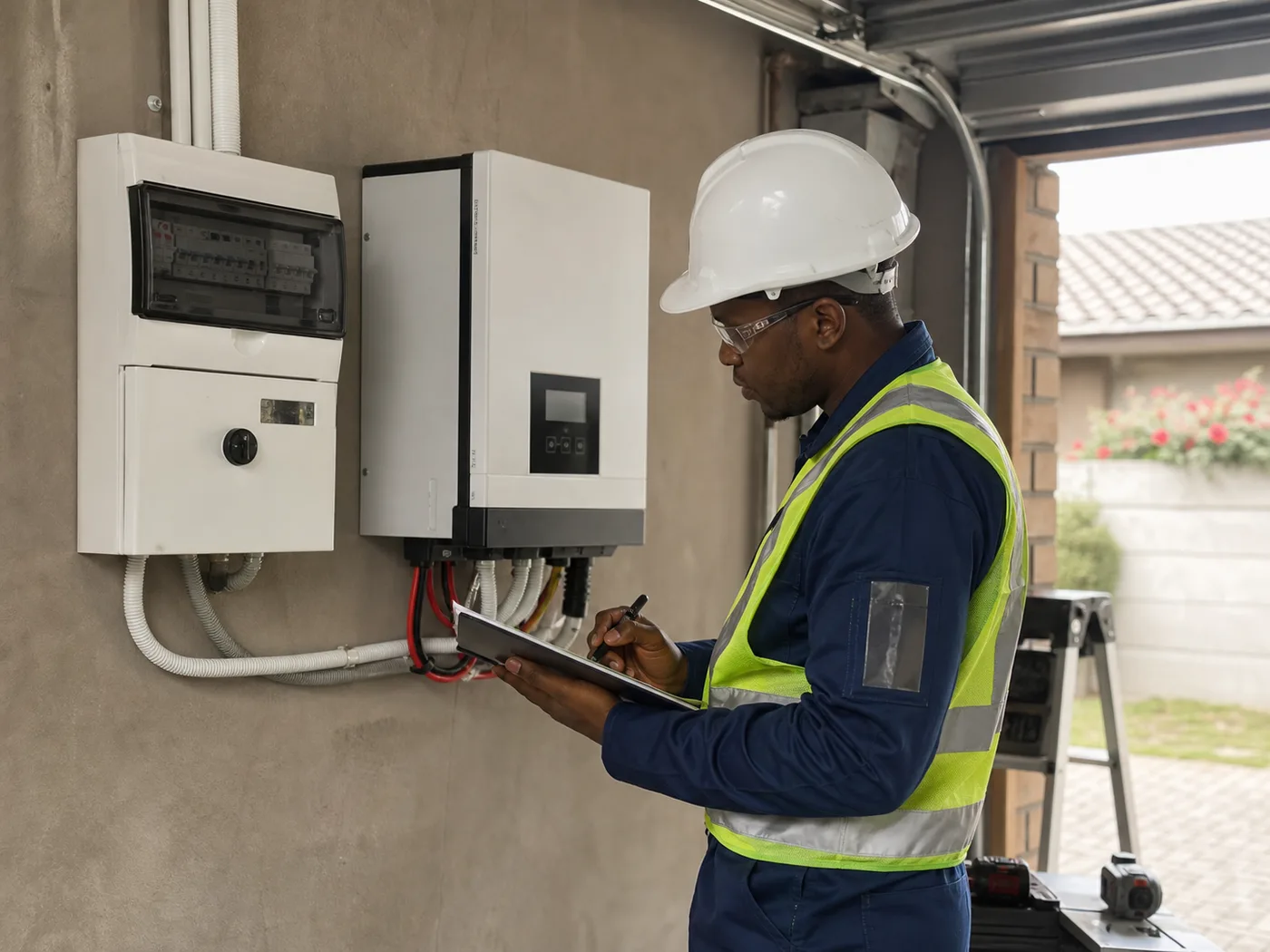
A proper site assessment before installation is the safeguard. A good installer studies your roof's orientation, pitch and shading across the day and places panels to maximise generation, not just wherever is quickest to mount. If nobody inspected your roof before quoting, that is a gap.
Mistake 5: Mismatched components
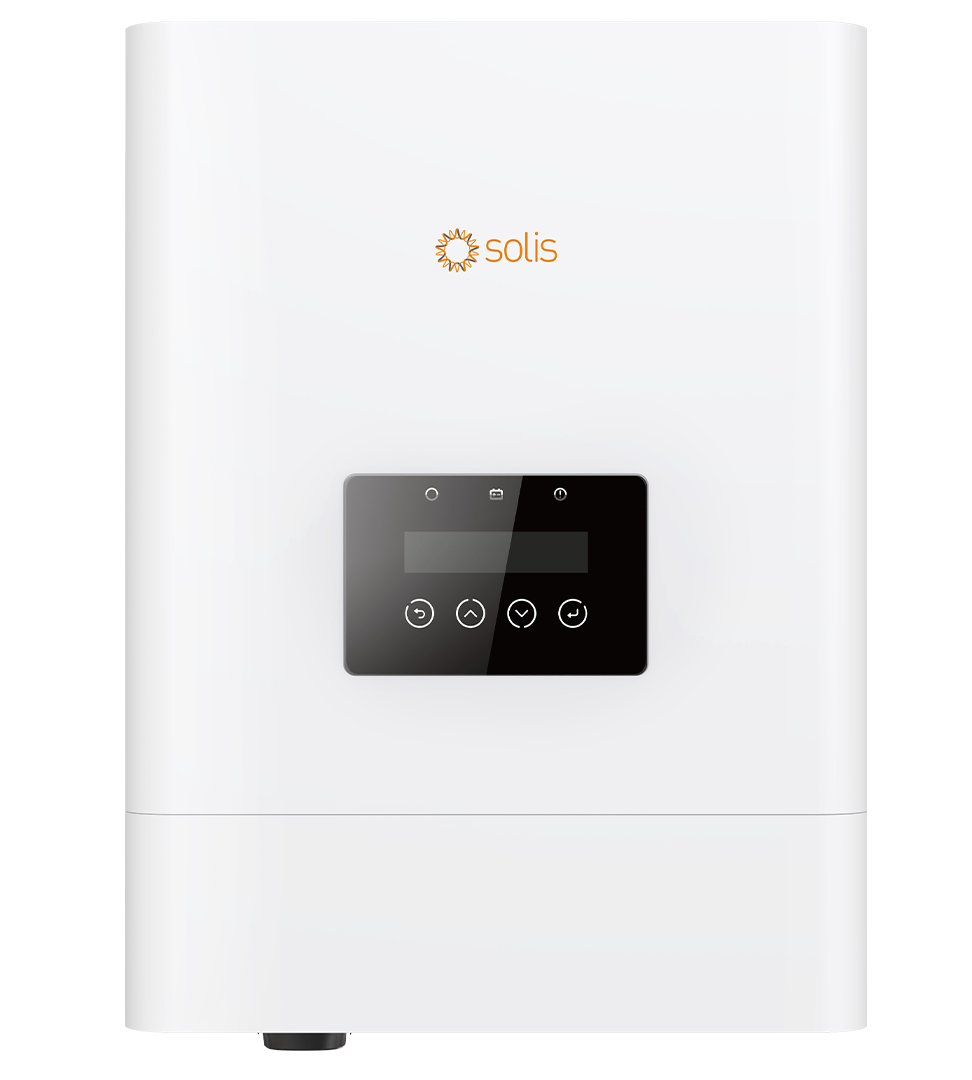
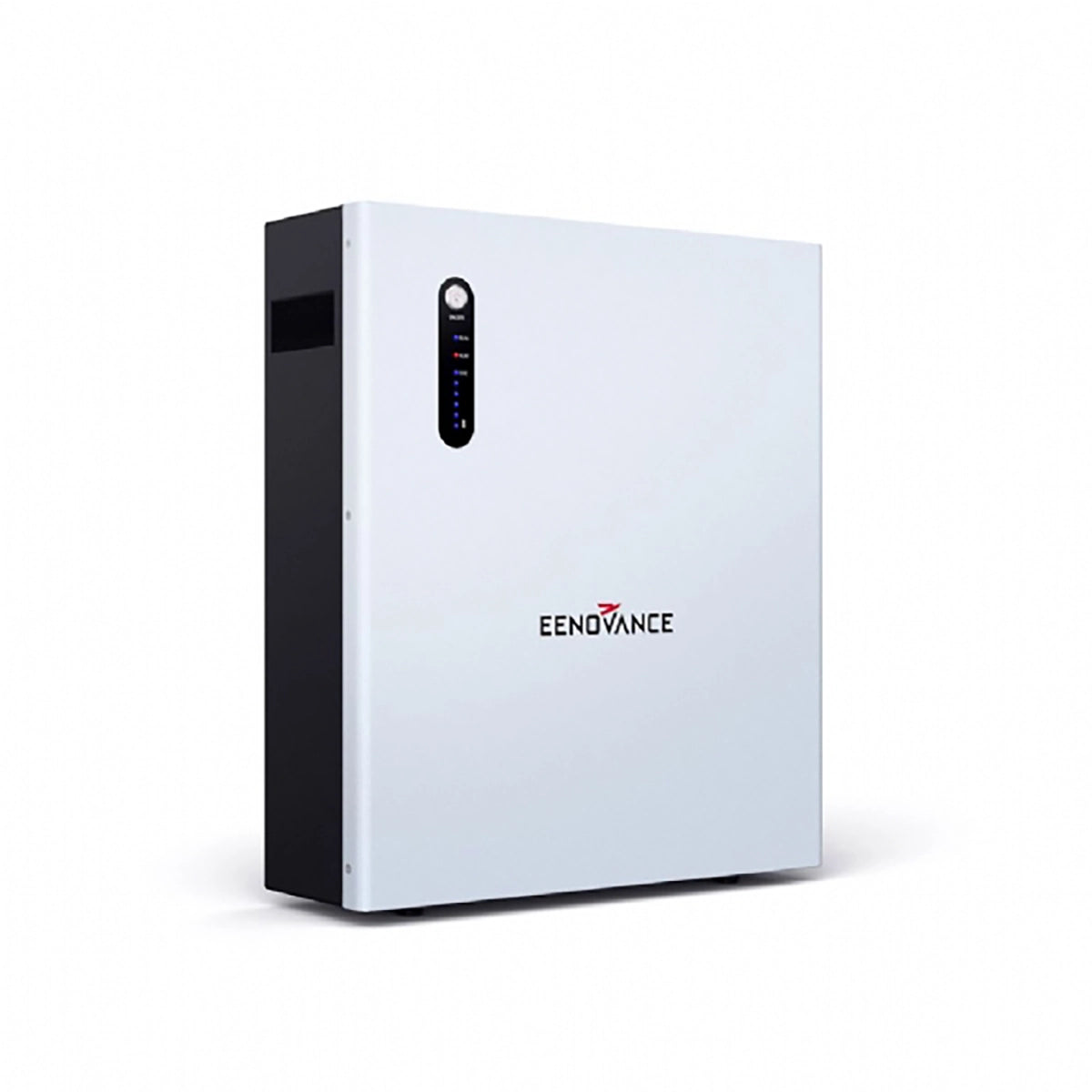
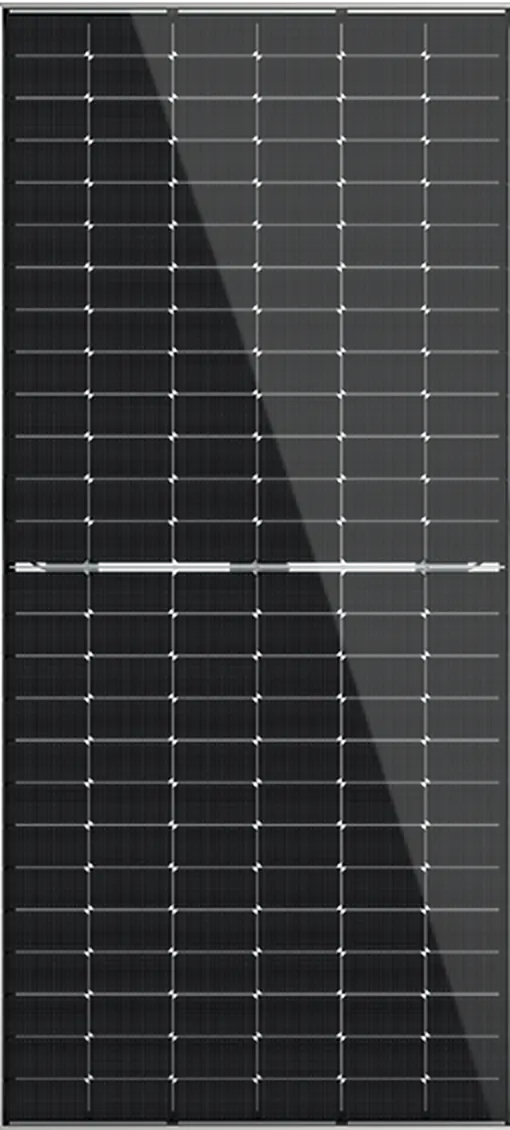
An inverter, battery and panels that aren't properly matched will underperform, and can shorten each other's lifespan. A battery too small for the inverter, or panels that overload or underfeed it, is the classic sign of a system assembled from whatever was cheapest rather than designed as a whole.
How to avoid it
Use an installer who designs the system as one whole with reputable, compatible equipment: established inverter brands such as Sunsynk, Solis, AlphaESS or Huawei, matched batteries, and quality panels like Trina or Jinko. This is the kind of detail that separates a professional install from a patchwork one.
Mistake 6: Using an installer who won't be around
The one that hurts most is choosing an installer purely on the sale and ignoring whether they'll still exist when you need support. Warranties, faults, expansions and advice all depend on the company being around years later. A fly-by-night that vanishes leaves you stranded with a roof full of equipment and nobody to call.
How to avoid it
Favour an established installer that supplies, installs, finances and warrants the system as one package, so there's a single point of responsibility for the life of the system. That's why SolarGuide refers customers to Alumo, which handles supply, installation, finance and warranty together and does the compliance paperwork as part of the job.
Nearly every mistake above traces back to two things: a system sized properly for your home, and an installer who does compliance and quality by default. Get those right and solar becomes what you hoped for.
For most South African families who want dependable load-shedding backup and a lower bill, a balanced mid-tier system dodges the undersizing trap while staying sensible on budget.
If your home runs heavier loads, or you want more comfortable margins through long winter outages, step up to a larger system with more panels and battery. Better to have headroom than to find a shortfall in the middle of Stage 6.
The systems that disappoint are almost always the ones where a corner got cut. Ask the right questions, insist on compliance, size for reality, and choose an installer who'll still be there in a decade. Do that and you avoid the whole list.
Free tool
Estimate your system & savings
Move the slider to your monthly bill for an instant, indicative suggestion.
This is an indicative starting point. The site assessment and signed quote confirm the system, current price, equipment, savings and backup time. Rent-to-own payments increase by 6.5% each year.
What is the most common solar installation mistake?
Undersizing. Systems are often specified for ideal summer conditions rather than the reality of short winter days and long load-shedding stages, leaving homeowners short of power exactly when they need it most. Sizing for the worst realistic scenario, based on your actual consumption, is the fix.
Can skipping SSEG registration really cause problems?
Yes. A grid-connected system must follow the applicable registration rules, and a distributor can require corrective work or take enforcement action against a non-compliant connection. Missing approval documents can also complicate an insurance claim or property sale. Confirm the registration scope and CoC before installation.
Why shouldn't I just take the cheapest quote?
Because a quote far below the others usually means something is missing: undersized components, unknown equipment, skipped compliance or no real warranty. Over a 20-year lifespan, the cheapest upfront price often becomes the most expensive. Compare what each quote actually includes.
How do I avoid problems with panel placement?
Insist on a proper site assessment before installation. A good installer evaluates your roof's orientation, pitch and shading throughout the day and positions panels to maximise generation. If no one inspected your roof before providing a quote, that is a red flag worth acting on.
Does SolarGuide install the system and fix these mistakes?
No. SolarGuide is an independent referral partner that helps you compare options and get a free quote. Alumo supplies, installs, finances and warrants the systems and handles sizing and compliance. Pricing is indicative and subject to a site assessment and credit approval.
SolarGuide is an independent referral partner. We help you compare options and arrange a free quote — Alumo supplies, installs, finances and warrants the systems. Pricing is indicative, sourced from Alumo’s published catalogue, and subject to a site assessment and credit approval.