Why cleaning matters more than you'd think
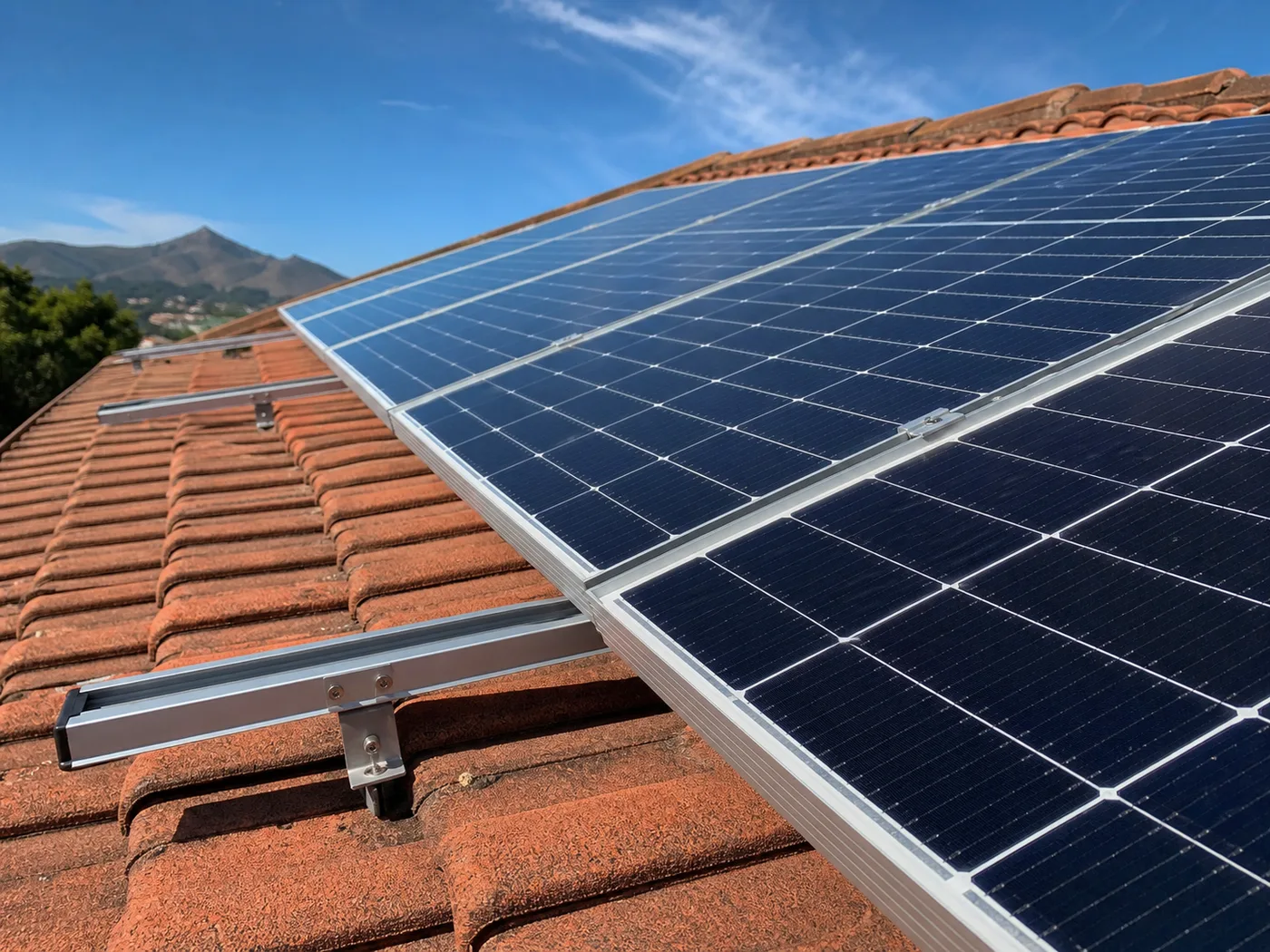
A solar panel generates power from the light hitting its surface, so anything blocking that surface directly cuts output. A film of dust reduces production a little; a splatter of bird droppings or a drift of pollen can block a patch entirely. Because panels are often wired in series, a heavily soiled section can drag down the performance of others linked to it, so localised mess matters more than its size suggests.
None of this is dramatic day to day, which is exactly why it gets ignored. The losses creep up slowly as grime accumulates, and you may not notice until you glance at your generation figures and wonder why they've drifted down. In dusty parts of the country, much of the interior from Gauteng through the Free State to the Northern Cape, this build-up is faster and the cleaning payoff greater. Coastal homes deal with salt spray and, in some spots, more bird activity.
How often should you clean?
There's no single answer, because it depends on where you live and what lands on your roof. The honest guidance is to let conditions and your generation data set the schedule rather than cleaning to a rigid calendar.
In much of South Africa, rain is your free cleaning service. A good downpour rinses off a lot of accumulated dust, which is why panels often look after themselves for long stretches during the wetter months. The times to pay attention are the dry, dusty spells, a rainless Highveld winter stretch for instance, when grime builds with nothing to wash it away. That's when a manual clean earns its keep.
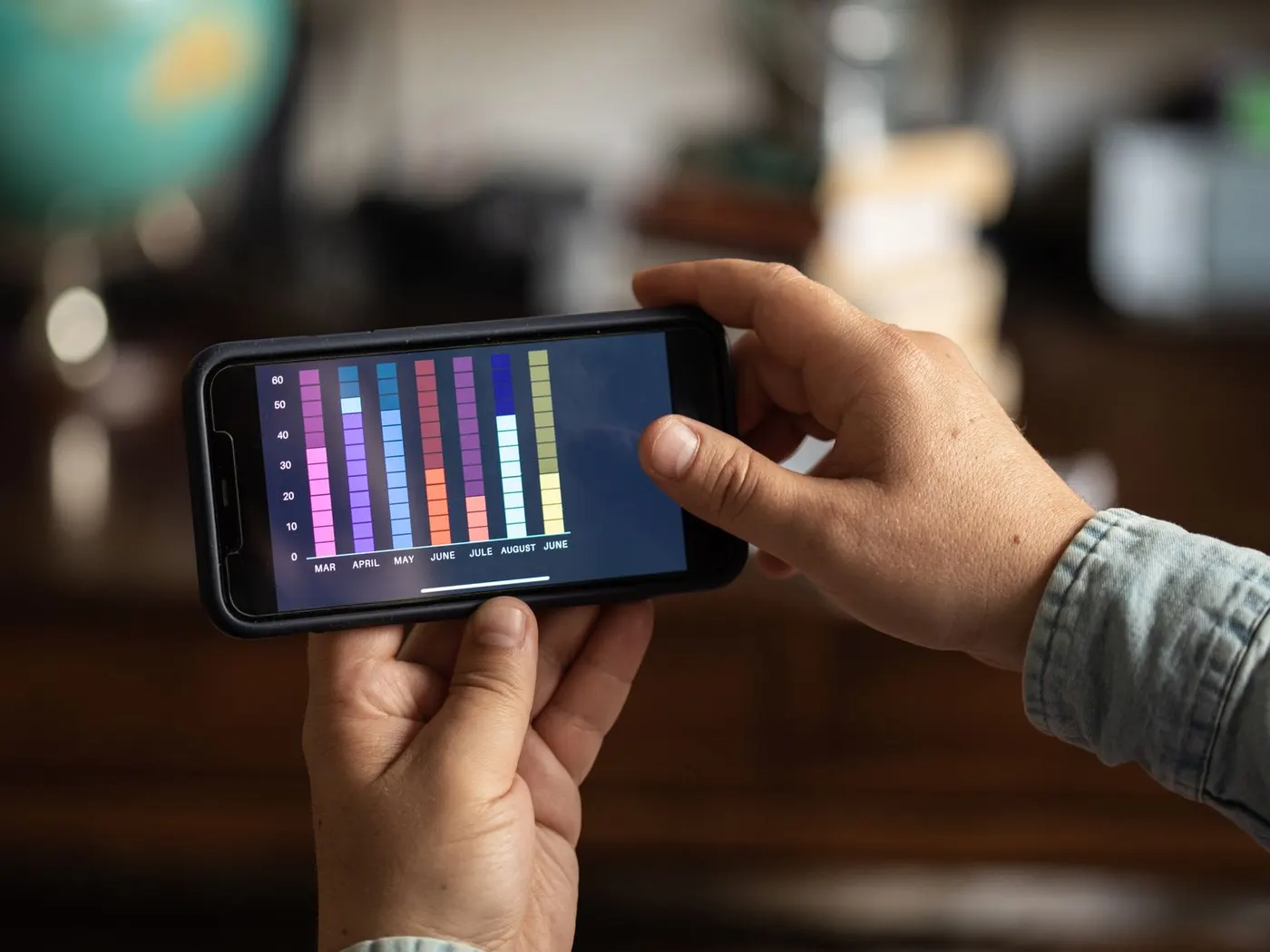
A few practical triggers to watch for: a visible layer of dust or pollen, obvious bird droppings, or a noticeable, unexplained dip in your generation figures on the app. Any of these is a cue to clean. Many households find a couple of cleans a year is plenty, with the odd extra during particularly dusty or high-pollen periods.
How to clean panels safely
If you can reach your panels safely from the ground or a stable, secure vantage point, basic cleaning is straightforward. The golden rules are gentle and simple.
Use plain water and a soft brush or squeegee on a soft, non-abrasive pole. Cool water is enough to lift most dust and pollen. For stubborn spots, a little mild soapy water helps, but keep it gentle.
Clean in the early morning or late afternoon, when the panels are cool. Splashing cold water onto glass that's been baking in midday sun risks thermal stress, and you'll lose less water to evaporation.
Then the list of things never to do, because these cause real damage:
- Never use a high-pressure washer. The force can breach the panel's seals and let moisture in, which is far more expensive than the dirt you were removing.
- Never use harsh or abrasive chemicals or scourers. They can scratch or degrade the panel's protective surface. Water and mild soap are all you need.
- Never walk on the panels. The glass is tough but not made to bear your weight, and microcracks from standing on a panel can permanently cut its output.
- Never clean from an unsafe position. No clean is worth a fall from a roof.
Not sure which system you need?
Get a free, no-obligation quote sized to your home, usage and budget. It only takes a minute.
Get your free quote →Know when to call a professional
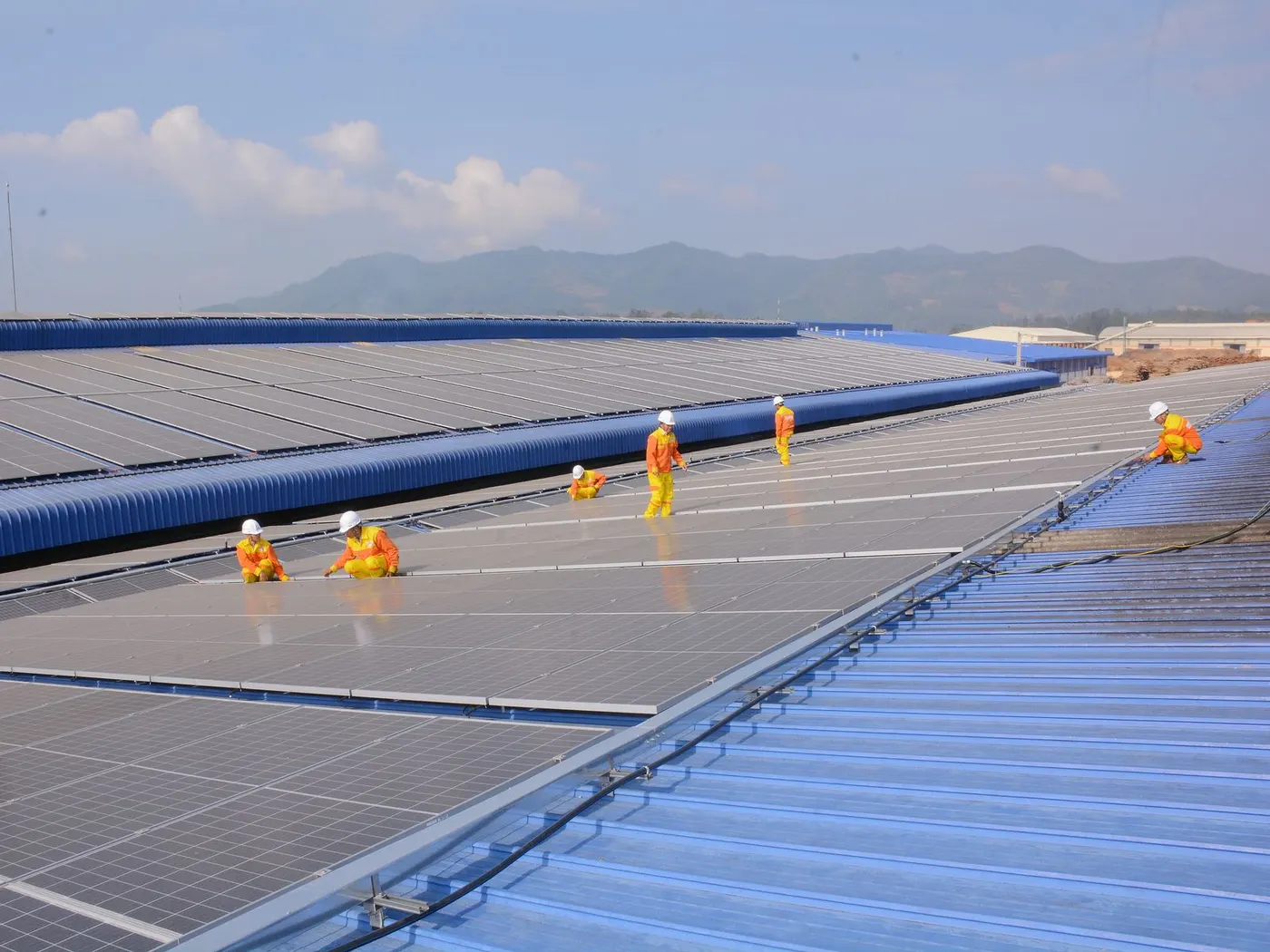
This is the most important safety message in this guide: if your panels are on a steep, high or awkward roof, don't risk it. Working at height is genuinely dangerous, and a professional clean costs far less than a hospital visit. Reputable installers and specialist cleaners have the equipment and training to do it safely.
Cleaning is only the visible part of maintenance, anyway. The parts you can't see from the garden matter just as much, and they need a trained eye:
- Wiring and connections should be checked periodically for wear, corrosion or looseness. A loose connection is both a performance drain and a safety risk.
- Mounting and racking should be inspected to confirm panels are still secure and no water is pooling, especially after severe weather like a big Highveld hailstorm or gale.
- The inverter should be monitored and checked, since it works hardest and any fault codes or performance drops want catching early.
- Overall system performance should be reviewed against expectations, so a gradual decline gets diagnosed rather than quietly tolerated.
This is where buying from an established, accountable installer pays off well beyond installation day. When your system comes from a company like Alumo, it's professionally installed and warranted, and you have a proper point of contact for servicing and any faults, rather than being left to troubleshoot a bargain system alone. A system that's monitored and maintained keeps delivering the savings and load-shedding resilience you bought it for. Get a free quote → to see what that support looks like.
R1,418/mo · 3, 5 or 7 years
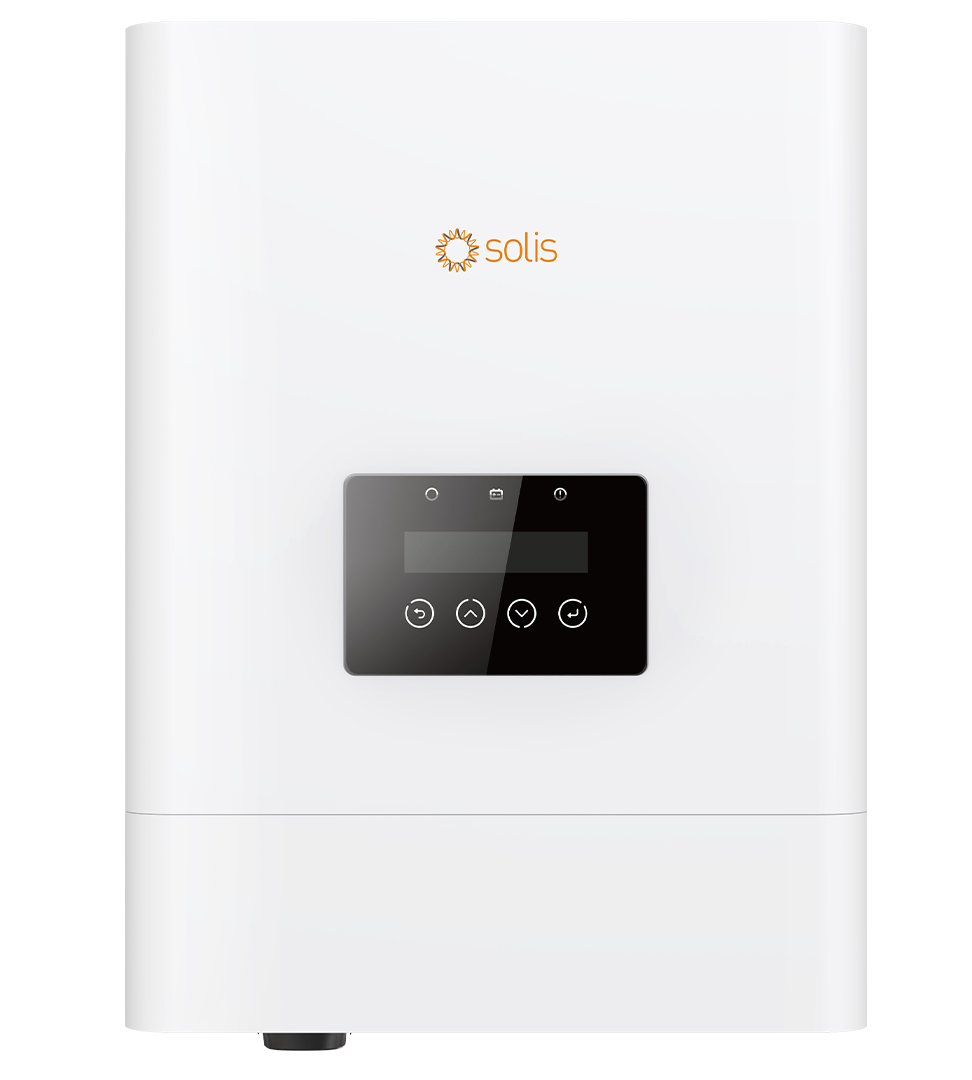
- • Solis 5kW inverter
- • Eenovance 5.32kWh battery · Runtime depends on connected appliances
- • 3 × 615W panels
Get a free quote →If you're still weighing up going solar and want a system that's easy to live with and properly supported after installation, that after-sales relationship should weigh as heavily as the hardware. Get a free quote → to see a package that includes professional installation and ongoing accountability, not just a box of parts.
A simple routine to keep in mind
Pulling it together, sensible solar care in South Africa looks like this. Keep half an eye on your generation figures so a dip flags itself early. Let the rain handle routine cleaning, and step in with water and a soft brush during dry, dusty or high-pollen spells, safely, or via a professional if the roof is risky. And have the system properly checked periodically by a qualified technician so wiring, mounting and the inverter stay in good shape. It's a light routine for a system that will quietly pay you back for decades.
Frequently asked questions
How often should I clean my solar panels?
It depends on your location and conditions rather than a fixed schedule. In much of South Africa, rain does most of the cleaning, so you mainly intervene during dry, dusty or high-pollen spells. Watch for visible grime, bird droppings, or an unexplained dip in your generation figures.
Can I clean solar panels myself?
If you can reach them safely, yes. Use plain water and a soft brush, ideally in the cool of early morning or late afternoon. Never use high-pressure washers or harsh chemicals, never walk on the panels, and never clean from an unsafe position on a steep or high roof.
Does rain clean solar panels?
Largely, yes. A good downpour rinses off much of the accumulated dust, which is why panels often need little manual cleaning during wetter months. The dry season is when build-up matters and hands-on cleaning pays off.
Will dirty panels really reduce my power?
Yes. Dust, pollen and bird droppings block light from reaching the cells, and because panels are often wired together, a soiled section can drag down others. The losses build gradually, so periodic cleaning protects your generation.
What maintenance beyond cleaning does a solar system need?
Periodic professional checks of the wiring, connections, mounting and inverter, plus a review of overall performance. These catch faults and wear early and keep the system safe and efficient. An accountable installer gives you a proper point of contact for this servicing.
SolarGuide is an independent referral partner. Alumo supplies, installs, finances and warrants the systems; SolarGuide helps you compare and get a free quote. Pricing is indicative and subject to a site assessment and credit approval.
SolarGuide is an independent referral partner. We help you compare options and arrange a free quote — Alumo supplies, installs, finances and warrants the systems. Pricing is indicative, sourced from Alumo’s published catalogue, and subject to a site assessment and credit approval.