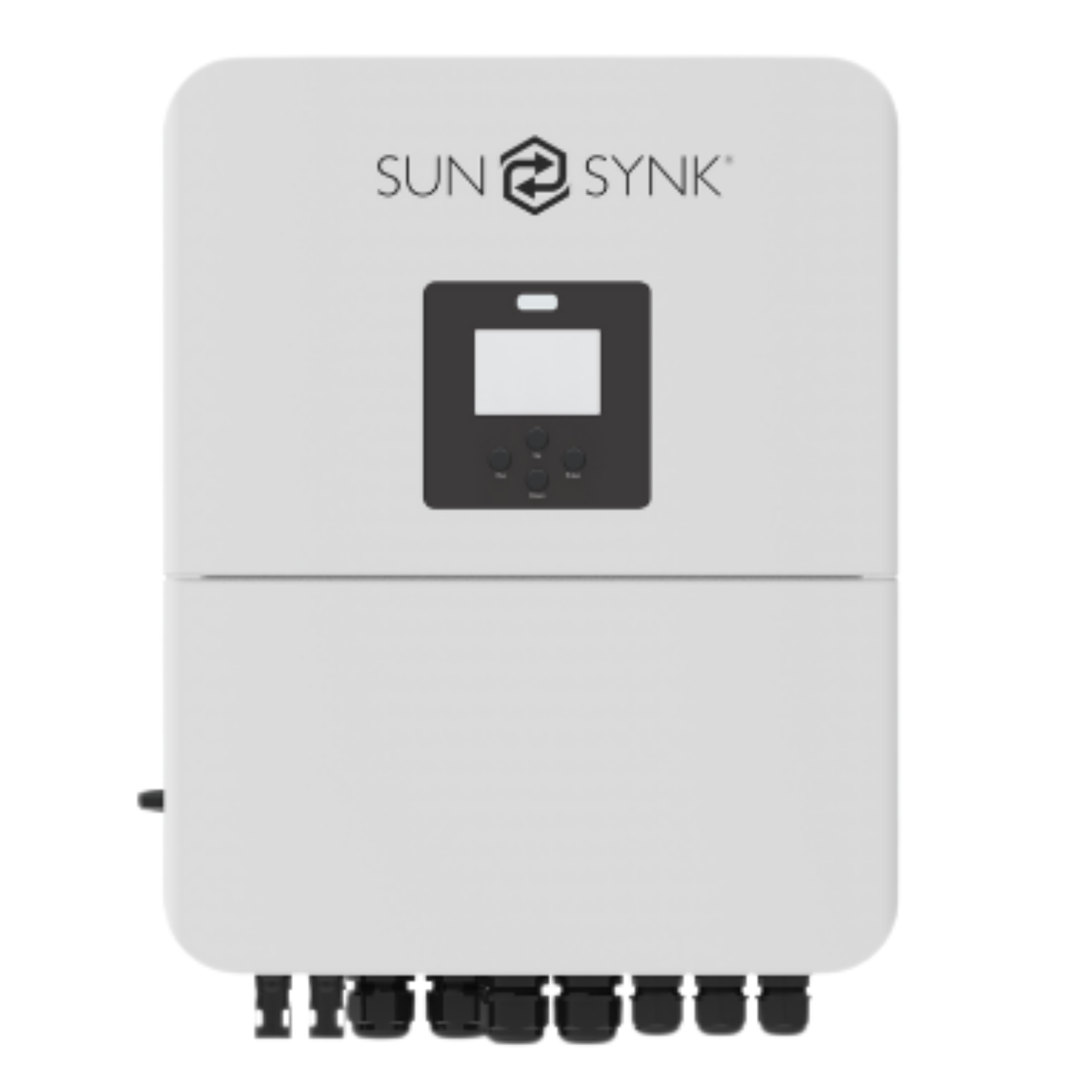
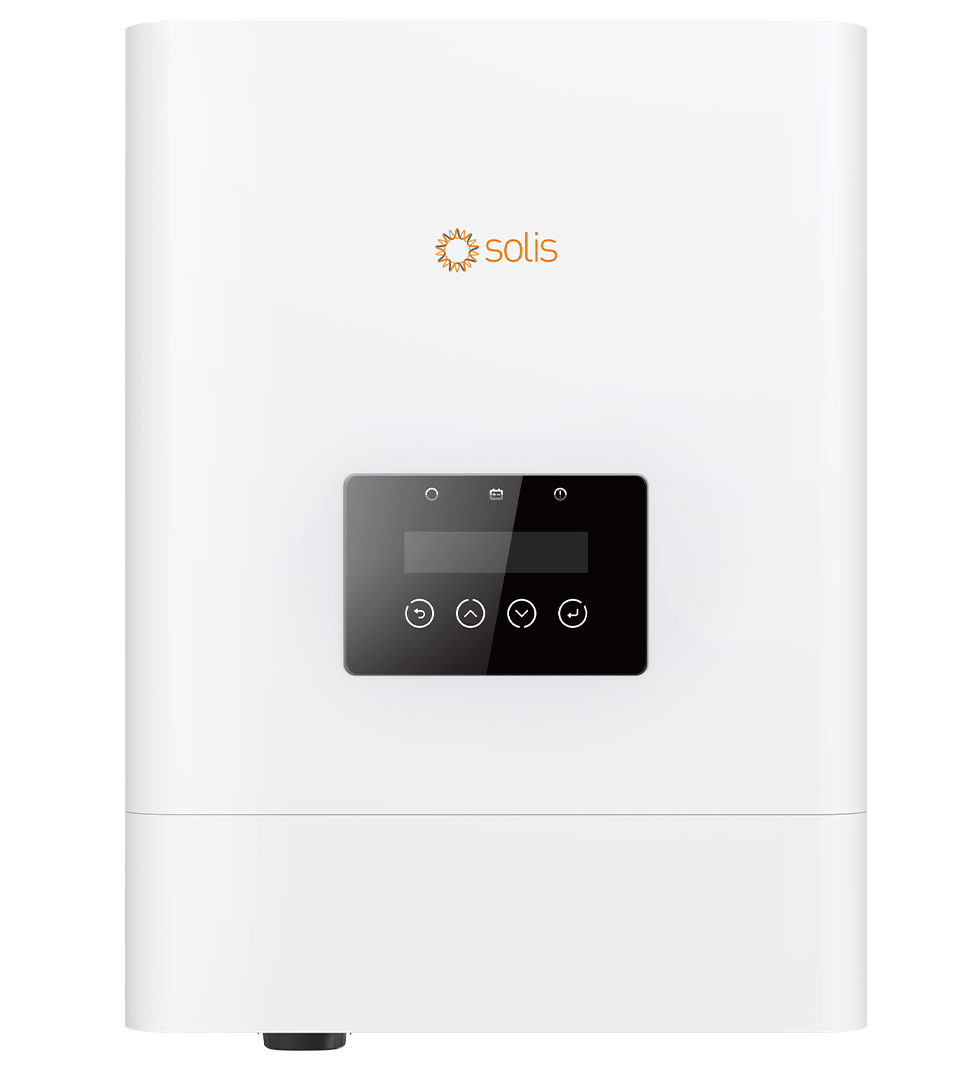
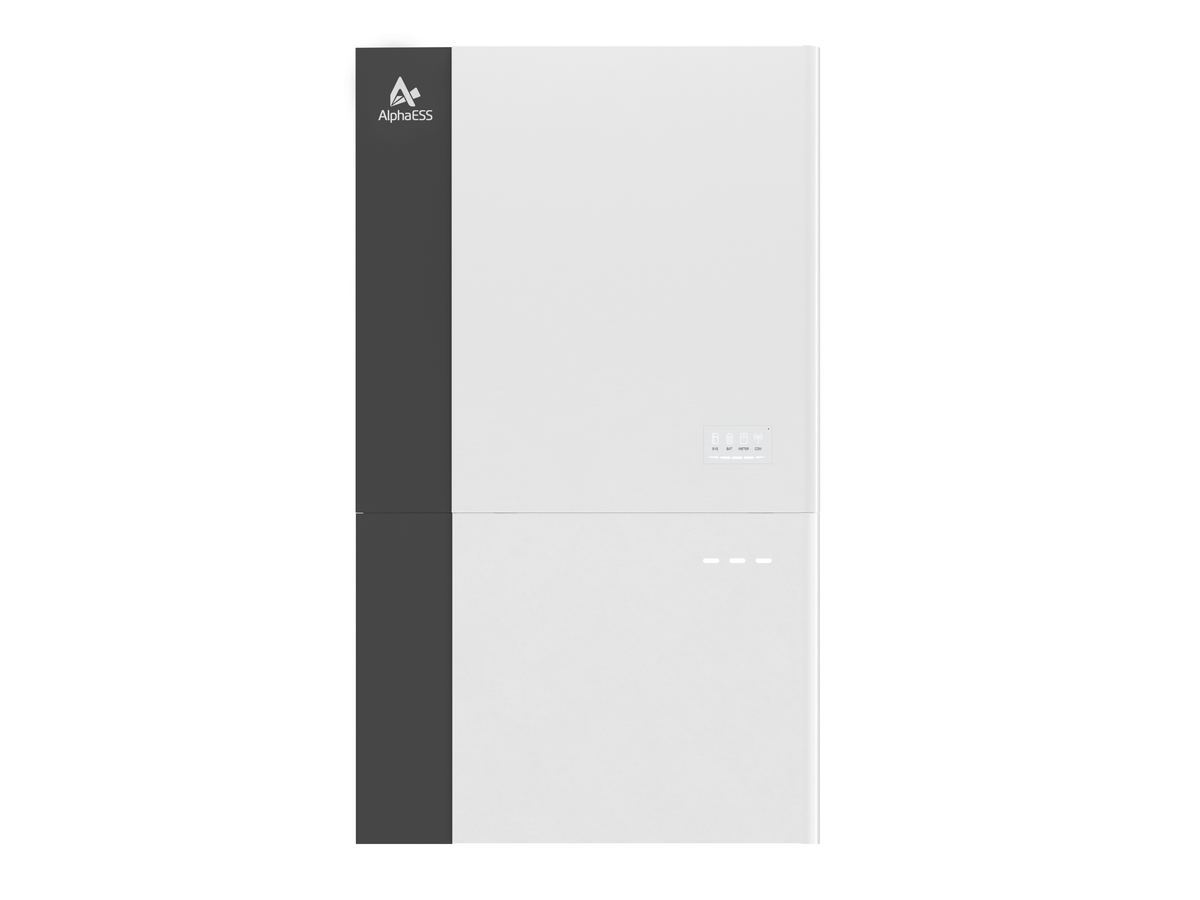
The right inverter and battery pairing matters more than a headline kW or kWh figure. See the models currently listed by SolarGuide, then ask for a quote based on your home and usage.
Look at almost any home battery sold in South Africa and you'll see either "48V" or "51.2V" on the label. Shoppers often assume these are two different standards and worry about buying the wrong one. They aren't. Both describe the same class of low-voltage lithium battery, built to work with the 48V inverters used in most homes. The real compatibility questions are elsewhere: whether the battery's management system can talk to your inverter, whether your inverter wants a low-voltage or a high-voltage battery, and how many units you can add later.
This guide explains the numbers on a 48V lithium battery datasheet in plain terms, with worked examples taken from manufacturers' own documents. It won't tell you which brand is best. For that, see our home battery comparison. It will help you read a quote or a datasheet and spot a mismatch before it costs you.
Key takeaways
Home systems use 48V because the same power needs a quarter of the current that a 12V system would, so cables, fuses and losses stay manageable.
A "51.2V" lithium iron phosphate (LiFePO4) battery is 16 cells of 3.2V in series. It is a 48V-class battery and suits 48V inverters.
Energy in kWh is volts × amp-hours ÷ 1,000. A 51.2V, 100Ah battery holds 5.12kWh, but you can only use part of it.
Low-voltage (48V) and high-voltage batteries, which run at hundreds of volts, are not interchangeable. The inverter decides which you need.
The battery should be on your inverter maker's or battery maker's compatibility list and communicate with it over CAN or RS485.
Why home systems use 48V, not 12V or 24V
The reason is current. Power equals voltage multiplied by current, so for the same power, a lower battery voltage means a higher current. High current needs thicker cables, bigger fuses and connectors, and loses more energy as heat.
Here is the battery current needed to deliver 5,000W, a typical home inverter's output, at three battery voltages. This is a SolarGuide calculation that ignores inverter losses, so real currents are a little higher.
12V battery417A
24V battery208A
48V battery104A
Battery current needed for 5,000W before inverter losses (SolarGuide calculation)
At 48V the current is already about 104A. That matches what manufacturers design for: Solis's 5kW low-voltage hybrid inverter, the S6-EH1P5K-L-PLUS, lists a maximum battery charge and discharge current of 112A on its datasheet. At 12V the same power would need around 417A, which is impractical in a house. That is why 12V and 24V batteries are mostly found in small inverter trolleys, caravans and boats, while installed home systems standardised on 48V.
48V vs 51.2V: the same battery class
A lithium iron phosphate cell has a nominal voltage of 3.2V. Victron Energy's lithium battery datasheet uses this to explain its own range: four cells in series make a 12.8V battery and eight make 25.6V. Carry on to 16 cells and you get 51.2V.
So "51.2V" is simply the precise nominal voltage of a 16-cell LiFePO4 battery, and "48V" is the system class it belongs to. Manufacturers label it either way:
Freedom Won's ENVA 5 spec sheet gives its nominal voltage as "51.2V, to suit 48V Inverters".
Pylontech's US5000 datasheet lists 48V nominal, with a discharge range of 44.5V to 53.5V.
What matters is that the battery's operating range sits inside the inverter's battery window. The Solis 5kW datasheet gives a battery voltage range of 40V to 60V. The ENVA 5 operates between 46V and 56V, and the SUN-BATT-5.32 discharges between 45.6V and 56.16V. Both fit. Nominal voltage alone doesn't prove compatibility, though. Communication does, which we come to below.
A 48V lead-acid bank, by contrast, is usually four 12V batteries wired in series.
How to work out kWh from volts and amp-hours
Amp-hours (Ah) on their own don't tell you how much energy a battery stores, because they ignore voltage. To compare batteries, convert to kilowatt-hours:
kWh = nominal volts × amp-hours ÷ 1,000
Battery (manufacturer data)
Nominal voltage
Capacity
Calculated energy
Maker's stated energy
Freedom Won ENVA 5
51.2V
100Ah
51.2 × 100 = 5,120Wh
5.12kWh
Sunsynk SUN-BATT-5.32
51.2V
104Ah
51.2 × 104 = 5,325Wh
5,320Wh
Victron LFP Smart 12.8/100
12.8V
100Ah
12.8 × 100 = 1,280Wh
1,280Wh
The last row shows why Ah misleads. A "100Ah" 12.8V battery holds a quarter of the energy of a "100Ah" 51.2V battery. Always compare kWh, and compare it at the same depth of discharge.
Two worked examples
Adding a second battery in parallel. Two 51.2V, 100Ah batteries in parallel stay at 51.2V and give 200Ah, so 51.2 × 200 = 10,240Wh, or 10.24kWh nominal.
A 48V lead-acid bank. Four 12V, 200Ah batteries in series give 48V and 200Ah, so 48 × 200 = 9,600Wh nominal. Lead-acid is normally run at a shallower depth of discharge than lithium to protect its life, so less of that is usable. Our lithium vs lead-acid comparison explains why.
Nominal vs usable capacity
The kWh on the label is the nominal capacity. The battery management system (BMS) and inverter settings keep some of it in reserve to protect the cells, so the usable figure is lower. Manufacturers state it in different ways:
Pylontech gives the US5000 a 4,800Wh nominal capacity and 4,560Wh usable at a 95% depth of discharge.
Freedom Won gives the ENVA 5 4.1kWh at 80% depth of discharge and 4.6kWh at 90%.
Runtime is roughly usable kWh divided by the load in kW. Our guide to what a 5kWh battery can run works through real appliance loads, or try your own below.
Free tool
How long will your battery last?
Pick a battery size and what you want to keep running.
5.0 kWh
Estimated backup time
12.9 hours
Running about 350 W
Rough estimate at ~90% usable depth. Real runtime depends on the exact appliances and battery. A quote sizes it properly.
Not every home battery is a 48V battery. High-voltage (HV) batteries stack modules in series to reach hundreds of volts. BYD's Battery-Box Premium HVS datasheet shows how: each module is 2.56kWh at 102.4V, and a tower of two to five modules runs at 204.8V to 512V nominal.
The higher voltage means lower current for the same power. The catch is that an HV battery only works with an inverter built for HV batteries, and a 48V battery only works with a low-voltage inverter. You can't connect a 512V stack to an inverter whose battery window is 40V to 60V. BYD's datasheet also notes that the number of modules required depends on the inverter, and points buyers to its compatibility list.
In practice, the inverter decides. If you already own an inverter, its datasheet tells you whether it is a low-voltage or high-voltage model. If you are choosing a new system, choose the inverter and battery together.
Not sure which system you need?
Get a free, no-obligation quote sized to your home, usage and budget. It only takes a minute.
Every lithium battery has a BMS that monitors cell voltages, temperature and current, and protects the cells. In a home system the BMS should also talk to the inverter, telling it how much charge and discharge current the battery can accept and how full it is. The two common links are CAN and RS485.
Both sides need to support the same link and the same protocol:
The Solis 5kW hybrid lists CAN and RS485 for battery communication.
Pylontech lists RS485 and CAN for the US5000, and Sunsynk lists RS232, RS485 and CAN for the SUN-BATT-5.32.
Freedom Won's ENVA 5 has a CAN port for compatible inverters and an RS485 port specifically for Voltronic Axpert-range inverters with the right firmware.
Having the same port isn't enough. Manufacturers publish compatibility lists that name the inverter models, firmware and settings they have tested. Freedom Won's inverter compatibility guide is a good example of what one looks like. Before you accept a quote, ask the installer to confirm that your exact battery and inverter pairing is on one of these lists, and that the battery warranty holds for that pairing.
Can you add a second battery to an existing bank?
Often you can, but buy the additional module only after the installer confirms the exact combination. A matching voltage or logo does not establish that two batteries can share a bank. The battery model, hardware generation, battery management system (BMS), firmware and condition of the existing modules all belong in the check.
Adding approved low-voltage modules in parallel keeps the voltage in the same class and adds storage capacity. It does not increase your inverter's rated output. If the system trips while several appliances run together, ask whether the limit is inverter power, battery discharge current or a fault before buying more kWh.
Choose the upgrade route from the evidence
What you have
Useful next step
What the assessment or quote must establish
A healthy bank and an available module explicitly approved to join it
Compare adding that approved module with your runtime target
Supported model combination, age/cycle allowance, firmware, current limits, protection and commissioning; written warranty responsibility for both old and new units
A proposed different brand, model or generation that is also labelled 48V
Obtain manufacturer confirmation before committing
Approval for that precise combination. If it cannot be supported, compare a replacement bank or a professionally designed alternative
An ageing, faulty or unsupported bank
Diagnose its condition and compare replacement with expansion
Remaining usable capacity, fault history, support availability and the installed cost of each option
Batteries that rarely recharge fully before the next period of use
Review charging and consumption before adding capacity
Whether spare solar generation or permitted grid charging can fill the larger bank in the available time
Unknown model, firmware, commissioning date or battery history
Request an assessment before choosing a module
An equipment inventory and monitoring/commissioning records sufficient for the manufacturer to assess compatibility
These are buying choices, not permission to connect batteries yourself. Have the installer check the DC protection, cables, cabinet or mounting, commissioning and any electrical compliance work required for the changed installation. Use the itemised solar quote checklist to compare the complete work rather than an equipment-only battery price.
What exact product documents tell you
Checked on 25 October 2026. Each example has a narrower scope than the brand name:
Existing equipment
What the primary source establishes
What still needs confirmation for your bank
Freedom Won ENVA 5
Its 26 May 2026 spec sheet specifies up to 15 ENVA 5 units, a custom combiner box and separate communication connections for parallel batteries
Whether the proposed module can join your existing units at their present age, condition and firmware. That ENVA 5 specification does not approve a mixed ENVA/LiTE bank
Pylontech US5000 with a Victron VE.Bus inverter/charger and GX controller
Victron's Pylontech integration guide requires a GX device and CAN-bus communication. For new installations it specifies Venus OS v3.50 and VE.Bus firmware 469 as minimums
Approved battery combinations and applicable firmware for the actual hardware. The guide permits stable legacy installations on older firmware; the installer must decide how an expansion affects that existing setup
Freedom Won LiTE Home or LiTE 2 Home
Identify which range you actually own and obtain its applicable installation manual and guarantee from Freedom Won
The exact range's expansion, age/cycle and firmware conditions. Do not transfer an old LiTE rule to LiTE 2, ENVA or another market's manual
The maximum bank size is a ceiling, not approval for any combination below it. The Freedom Won inverter integration guide, for example, gives different integration instructions for LiTE and eTower. It is not an ENVA-specific compatibility certificate. Ask the supplier for written confirmation where the exact battery range is absent.
Age matters, but there is no single age limit for all lithium batteries. For LiTE owners, the 15 August 2025 guarantee also makes manufacture and commissioning dates relevant to a new unit's starting capacity. That is a separate issue from whether a new and an older battery may be paralleled. A warranty headline alone cannot answer the expansion question.
Gather this before requesting a battery assessment
The inverter's full model number and firmware version, plus the model and number of existing batteries.
Each battery's serial number, manufacture and commissioning dates, and cycle or health information already available in its monitoring records. Keep the original invoice and warranty documents.
Your target: which appliances need longer backup, their approximate combined load and the extra hours you want.
Monitoring that shows when the bank becomes full or empty, and whether available charging time is already a constraint.
A request for the dated compatibility evidence, any manufacturer approval for the combination, and a quote naming who handles battery, inverter and workmanship warranty claims.
You can use the battery backup runtime calculator to describe your objective. Treat its result as an estimate: an older module's remaining capacity, reserved charge, inverter losses and changing loads affect the delivered runtime. Start with our home solar planning checklist if the upgrade also changes your wider system requirements.
Cycle life: read the test conditions
Cycle life tells you how many full charge and discharge cycles a battery is rated for before its capacity falls to a stated level. The headline numbers look similar, but the conditions behind them aren't:
Battery
Rated cycle life
Conditions stated by the maker
Sunsynk SUN-BATT-5.32
6,000 cycles
80% depth of discharge, 25°C, 0.5C, to 60% end-of-life capacity
Freedom Won ENVA 5
Warranty: 5 years or 6,000 cycles
Expected service life over 15 years
Pylontech US5000
Over 6,000 cycles
At 25°C; design life 15+ years
A battery rated to 60% remaining capacity and one rated to 70% or 80% are making different promises, even with the same cycle count. Temperature matters as well, since most ratings are at 25°C. Our guide to lithium battery lifespan and cycles explains how to read a battery warranty properly.
Rack-mount vs wall-mount
The form factor affects where the battery can go:
Rack modules, such as the Pylontech US5000 (442 × 420 × 161mm, 38kg), slide into a cabinet and stack neatly when you add more.
Wall-mount units, such as the Freedom Won ENVA 5 (53kg) or the Sunsynk SUN-BATT-5.32 (46.5kg, wall or floor), save floor space but need a wall that can carry the weight.
HV towers, such as the BYD HVS, stand on the floor. BYD rates them IP55 for indoor or outdoor use. The 48V units above are rated IP20, which means indoors, out of dust and water.
Check the operating temperature range too. Pylontech and Freedom Won both specify charging only from 0°C, and a battery in a hot, unventilated garage will age faster.
Lithium vs lead-acid at 48V
A 48V lead-acid bank of four 12V batteries is cheaper to buy, but it is heavier, and you can use less of its rated capacity. Victron, which sells both, states on its datasheet that an average lead-acid battery has a round-trip energy efficiency of about 80%, against 92% for its LFP batteries. That is a manufacturer's claim, but it matches the general direction of the comparison: more of the solar energy you put into a lithium battery comes back out.
Most hybrid inverters can be set up for either chemistry. The Solis 5kW lists both lithium-ion and lead-acid. Don't mix the two in one bank, because each needs different charge settings.
Requesting an existing-system assessment
Alumo describes a system check before recommending battery or panel additions. That supports an assessment request; it does not establish that Alumo supports every battery brand, can supply a matching module or sells batteries separately for you to fit. Confirm your location, equipment, scope and warranty responsibility before accepting a proposal.
SolarGuide is an independent referral publisher and may earn a fee from eligible Alumo referrals. Alumo must confirm whether it can fulfil your particular upgrade. If replacement with a complete system is the better option, compare the final installed scope and terms with any addition to your existing bank.
Yes, for practical purposes. A 51.2V LiFePO4 battery is 16 cells of 3.2V in series, and it is designed for 48V inverters. Freedom Won, for example, describes its ENVA 5 as "51.2V, to suit 48V Inverters". Check that the battery's operating range fits inside your inverter's battery voltage window and that the pair is on a compatibility list.
How many kWh is a 48V 100Ah lithium battery?
Multiply volts by amp-hours. A 51.2V, 100Ah battery is 5.12kWh nominal, and a battery labelled 48V and 100Ah is about 4.8kWh. Usable energy is lower: 80% to 95% of nominal in the datasheets quoted above, depending on the maker's settings.
Can I use a high-voltage battery with my 48V inverter?
No. A low-voltage inverter accepts batteries within a narrow window around 48V, for example 40V to 60V on the Solis 5kW hybrid. High-voltage batteries run at hundreds of volts and need an inverter designed for them.
Can I add another 48V battery later?
Only when the manufacturer supports the proposed combination and the installer confirms the existing bank's condition, firmware and expansion limits. A matching nominal voltage is insufficient. Use the decision table above to compare an approved addition, an assessment or a replacement bank before buying.
Is SolarGuide the installer?
No. SolarGuide is an independent referral publisher and may earn a fee from eligible Alumo referrals. Alumo assesses, quotes and installs the work it agrees to undertake; the quotation should identify product and workmanship warranty responsibility. We have no commercial relationship with the battery brands named here. Final scope and price depend on assessment, with credit approval where finance is requested.
Sources and review note
Expansion and assessment guidance source-checked on 25 October 2026 using the linked manufacturer documents, Victron integration guide and Alumo upgrade explanation. This is an editorial buying checklist, not an electrical design. Obtain written approval for your exact bank and have a qualified installer assess and carry out the work. Original battery-datasheet explanations checked on 20 October 2026. LiFePO4 cell voltage and the Victron battery figures come from Victron Energy's 12.8V and 25.6V lithium iron phosphate battery datasheet. Battery specifications are from the Freedom Won ENVA 5 spec sheet (updated 26 May 2026), the Sunsynk SUN-BATT-5.32 datasheet (v3, 6 June 2024), the Pylontech US5000 datasheet (PY21US05-1) and the BYD Battery-Box Premium HVS datasheet (V1.4). Inverter figures are from the Solis S6-EH1P(3-8)K-L-PLUS datasheet. The compatibility list example is Freedom Won's inverter compatibility guide. Currents, kWh conversions and usable-energy figures are SolarGuide calculations from the published numbers, not product tests. We have not quoted battery prices, because retail prices change often and differ between resellers.
SolarGuide is an independent referral partner. We help you compare options and arrange a free quote — Alumo supplies, installs, finances and warrants the systems. Pricing is indicative, sourced from Alumo’s published catalogue, and subject to a site assessment and credit approval.