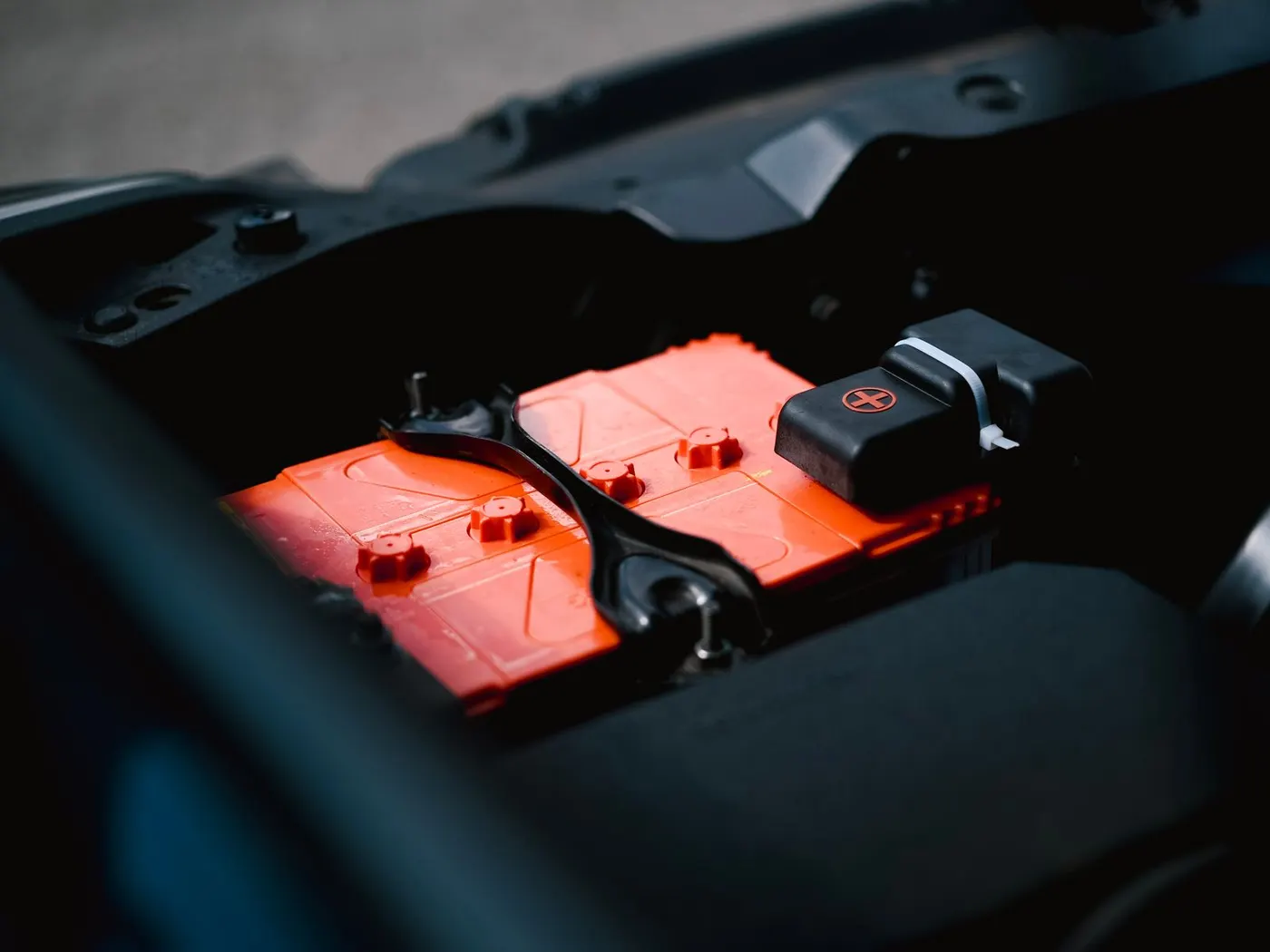
Sodium-ion batteries keep making headlines: CATL says its sodium-ion car cells are ready for mass production, residential sodium-ion batteries launched in Europe this year, and the pitch is attractive. Sodium is abundant and cheap, the cells are said to cope with cold better, and some makers claim very long cycle lives. If you're about to spend money on a home battery, it's fair to ask whether you should wait.
For a South African household buying in late 2026, the short answer is no. Sodium-ion is real and improving, but the home products are new, heavier for the energy they store, mostly aimed at Europe and the US, and not part of the mainstream installed systems sold here. Lithium iron phosphate (LiFePO4 or LFP) is the mature choice, and waiting costs you savings every month. This guide explains why, with the evidence on both sides.
Key takeaways
Sodium-ion works like lithium-ion but moves sodium ions instead of lithium ions. Its selling points are cheap, abundant raw materials and, by manufacturers' accounts, good performance in extreme temperatures.
At pack level, the residential sodium-ion batteries announced so far store less energy per kilogram than common 48V LFP home batteries, so they are bigger and heavier for the same kWh.
Sodium-ion cells work across a wider voltage range than LFP cells. Whether a sodium battery suits your inverter depends on how the maker manages that range and whether the pair is on a compatibility list.
We found no sodium-ion home battery among the battery brands Alumo installs, and the residential launches we found were aimed at Europe and the US.
With NERSA approving average Eskom increases of 8.76% for direct customers and 9.01% for municipal customers in 2026/27, delaying a battery means delaying the savings that come with it.
What a sodium-ion battery is
A rechargeable lithium battery stores energy by moving lithium ions between two electrodes. A sodium-ion battery does the same with sodium ions. The cells look similar, are made on similar equipment, and are packaged into the same kinds of modules with a battery management system (BMS).
The difference is in the materials. The International Renewable Energy Agency (IRENA), in its November 2025 technology brief, notes that sodium is about 1,000 times more abundant than lithium in the Earth's crust. As reported by pv magazine, the brief puts sodium carbonate at between $100 and $500 a tonne from 2020 to 2024, against $6,000 to $83,000 a tonne for lithium carbonate over the same period.
How sodium-ion differs from LiFePO4
LiFePO4 (LFP)
Sodium-ion
Nominal cell voltage
3.2V
About 3.0V for the NFPP cell tested by the CSIR
Cell voltage range
Narrow and flat
Wide: 1.5V to 3.4V on the same NFPP cell's specification
Energy per kg, pack level
About 97 to 126 Wh/kg for the 48V home batteries below
About 69 to 105 Wh/kg for the residential sodium products below
Raw materials
Lithium, iron, phosphate
Sodium, with cathodes such as sodium iron pyrophosphate (NFPP) or sodium chromium oxide in the products below
Cold performance
The Pylontech and Freedom Won LFP batteries in our 48V guide charge only from 0°C
Manufacturers claim strong cold performance; independent tests show charging still needs care below zero
Market maturity
Mature, widely supported by home inverters
New for home storage
Energy density: bulkier for the same kWh
Energy density is how much energy a battery holds per kilogram. CATL announced its Naxtra sodium-ion cell in April 2025 at 175Wh/kg, which it describes as the highest among sodium-ion batteries worldwide and comparable to LFP. That is a manufacturer claim for a car cell.
What matters for a home is the finished battery. Here is the energy each product stores per kilogram, calculated by SolarGuide from the makers' published capacity and weight. The LFP batteries are the 48V units in our 48V lithium battery guide.
Pylontech US5000 (LFP)126 Wh/kg
Sunsynk SUN-BATT-5.32 (LFP)114 Wh/kg
Revolta (sodium-ion)105 Wh/kg
Freedom Won ENVA 5 (LFP)97 Wh/kg
Unigrid Na+Casa (sodium-ion)85 Wh/kg
Biwatt PowerNest R5 (sodium-ion)69 Wh/kg
Energy per kg of battery: SolarGuide calculation from makers' capacity and weight figures. Unigrid uses usable capacity, the others nominal.
The comparison isn't perfect, since enclosures, wheels and built-in electronics add weight. The direction is consistent, though, and Bluetti said the same of its sodium-ion portable power station: pv magazine reported that it weighs 16kg, around 20% to 25% more than comparable LFP units. On a garage wall, weight is a nuisance rather than a deal-breaker, but it rules out some walls and adds to shipping cost.
Cold performance: a real advantage, but less useful here
Cold is where sodium-ion makers make their strongest claims. CATL says Naxtra retains 90% of its usable power at −40°C. Unigrid's Na+Casa is rated to discharge from −40°C and charge from −20°C, according to pv magazine.
The CSIR's tests add a caution. Its researchers found that the NFPP cells needed careful handling when charged below zero, and measured a 7% capacity loss after two cycles when the maker's charging limits were exceeded at sub-zero temperatures. Charging at sub-zero temperatures caused no degradation when the cell was first warmed to 20°C. They concluded that low-temperature operation still requires careful thermal management, despite general claims of cold-weather resilience.
For most South African homes, cold is a minor issue anyway. A battery installed indoors or in a garage rarely sits below freezing, and heat is the bigger risk to battery life. The CSIR found the NFPP cells kept their capacity well at 45°C to 60°C, which is encouraging, but that is one cell type in a laboratory, not a home battery in service.
Cost: cheap materials, unproven savings
The case for sodium-ion is mostly about cost. IRENA reports that some manufacturers expect sodium-ion cell costs to fall to $40/kWh once production scales up. The same brief points out that sodium-ion first gained attention when lithium carbonate prices spiked in 2021, and that lithium prices have since fallen, so whether sodium-ion becomes the cheaper option in the long term remains uncertain.
We have not found published South African retail prices for a sodium-ion home battery, so we can't tell you whether one would cost less than an LFP battery here today.
Cycle life: impressive claims, different test conditions
Battery
Chemistry
Cycle claim
Conditions stated
Unigrid Na+Casa
Sodium-ion (sodium chromium oxide)
10,000 cycles
100% depth of discharge
Biwatt PowerNest R5
Sodium-ion (NFPP)
Up to 8,000 cycles
80% depth of discharge, 25°C, 0.5C
Freen 10kWh
Sodium-ion
More than 4,000 cycles
Not stated in the report
Sunsynk SUN-BATT-5.32
LFP
6,000 cycles
80% depth of discharge, 25°C, 0.5C, to 60% end-of-life capacity
These are all manufacturer claims, reported or published under different conditions, and none of the sodium products has years of field data behind it. A 2026 review co-authored by University of South Africa researchers, summarised by pv magazine, lists shorter cycle life than lithium-ion as one of sodium-ion's limitations. Our guide to lithium battery lifespan and cycles explains how to read a cycle rating against a warranty.
What is actually on sale for home storage
In the wider market
Sodium-ion is moving from laboratory to factory. CATL says Naxtra is mass-producible, and in April 2026 it signed what it called the world's largest sodium-ion energy storage agreement, a three-year deal with HyperStrong covering 60GWh of supply for energy storage systems. That is grid and commercial storage, not batteries for houses.
Residential products have started to appear, mostly in Europe:
2kWh modules up to 20kWh, 450V high-voltage, 19kg per module
Germany from September 2026, then Europe
None of these reports gave a price.
In South Africa
We did not find a sodium-ion home battery among the battery brands Alumo installs (Sunsynk, AlphaESS, Eenovance, Sigenergy and IES), and the residential launches above were announced for Europe and the US. South African research is active: the CSIR has tested commercially available sodium cells and is working with UK partners on a sodium-ion demonstrator system. That is promising, but it is research, not a product you can have installed with a local warranty.
If you are offered a sodium-ion home battery here, ask who imports it, who honours the warranty locally, and whether your inverter maker lists it as compatible.
Not sure which system you need?
Get a free, no-obligation quote sized to your home, usage and budget. It only takes a minute.
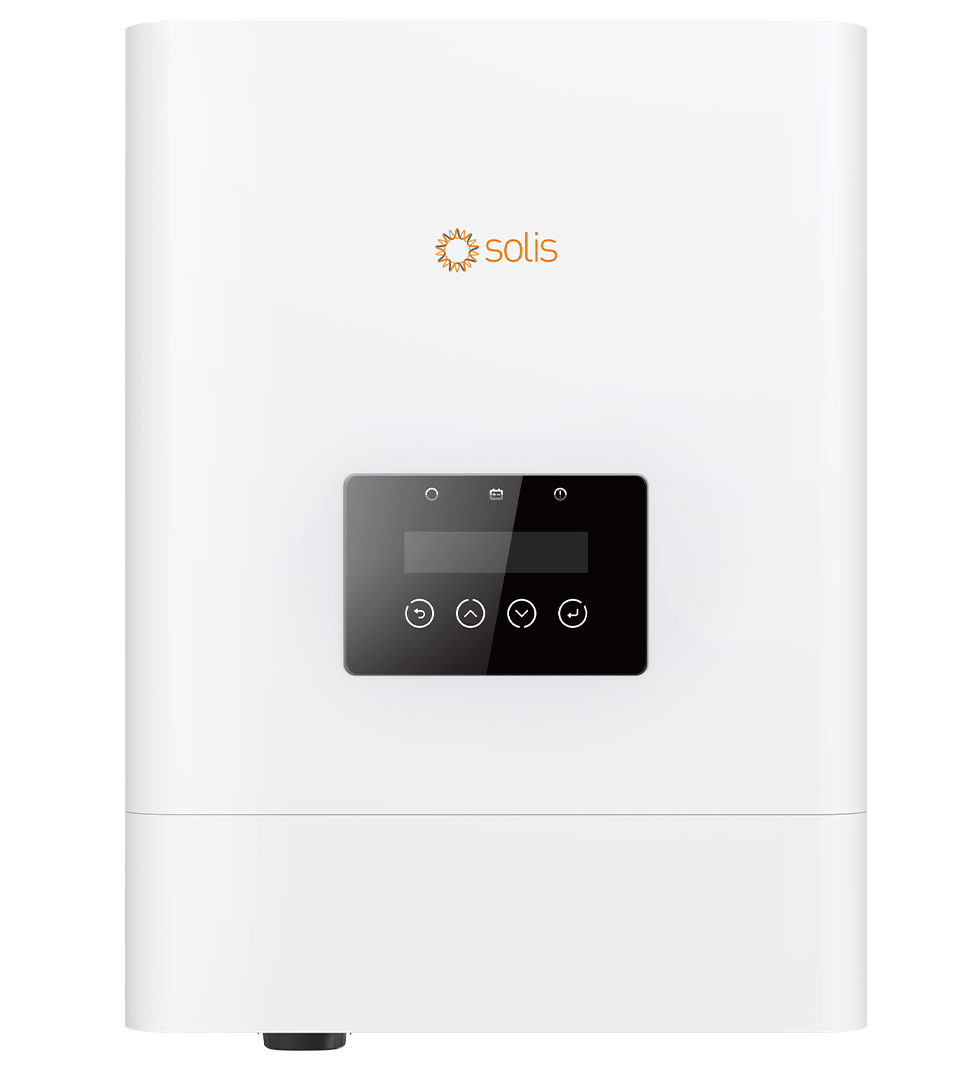
Most South African home systems use a 48V low-voltage inverter with a battery voltage window. The Solis 5kW hybrid in our 48V battery guide accepts 40V to 60V, and a 16-cell LFP battery such as the Sunsynk SUN-BATT-5.32 discharges between 45.6V and 56.16V, comfortably inside it.
Sodium-ion cells use a wider range. The NFPP cell in the CSIR study is specified at 3.0V nominal, charging to 3.4V and discharging to 1.5V. As a SolarGuide calculation, 16 of those cells in series would give 48V nominal, but would swing from 54.4V when full to 24V when empty, far below a 40V inverter limit.
Makers solve this in different ways. Some set the BMS to stop discharging before the cells reach the bottom of their range, so the battery stays inside the inverter's window but gives up some capacity. Some choose a different cell count. Biwatt fits a DC-DC optimiser to each module to present a steady 58V. Freen publishes a 40V to 60V operating range that matches a typical 48V inverter. High-voltage sodium products such as Revolta's need a high-voltage inverter, just like high-voltage lithium batteries.
Matching voltage is only half of it. As with any lithium battery, the BMS must communicate with the inverter, and the pair should appear on the inverter maker's or battery maker's compatibility list. A sodium battery can be electrically safe and still not supported by your inverter's firmware.
The honest verdict for a South African buying now
Why waiting costs money
A home battery earns its keep by storing solar energy for the evening and by covering outages. Every month without one is a month of that value forgone, and electricity keeps getting dearer. NERSA approved an average 8.76% increase for Eskom direct customers from 1 April 2026 and 9.01% for municipal customers from 1 July 2026.
There is also no date to wait for. Sodium-ion home batteries would need to arrive in South Africa, be listed by the inverter brands used here, gather a service record and come with a local warranty. None of that has a published timeline.
Why LFP is the safer buy today
LiFePO4 batteries are mature: published datasheets, compatibility lists across the common inverter brands, local stock and local warranty support. Our lithium vs lead-acid comparison explains why LFP replaced lead-acid in most installed systems, and our home battery comparison sets out how to choose between LFP models.
When it makes sense to watch sodium-ion
Sodium-ion is worth following if you are planning a large stationary system years from now, if your battery would sit somewhere very cold, or if you simply want to keep up with the technology. For a household deciding this year, it is a technology to watch, not a reason to delay.
Alumo's battery packages
Alumo's rent-to-own solar and battery packages use a Solis 5kW inverter and an Eenovance 5.32kWh lithium battery, which Alumo lists with 6,000 cycles, 80% usable capacity and a 10-year warranty. As advertised on 20 October 2026, rent-to-own starts at R1,449 a month for the Watt-a-Deal package over seven years, with a 6.5% annual escalation and the option to own. Alumo matches the inverter and battery, installs them and handles the warranty.
If you already own an inverter and want to add a battery, ask for a technical assessment so the installer can check the inverter model, firmware and supported batteries first. Compare an itemised, compatible battery system →
Frequently asked questions
Is sodium-ion better than lithium for a home battery?
Not yet, for most South African homes. Sodium-ion uses cheaper, more abundant materials and makers claim strong cold performance, but the residential products announced so far store less energy per kilogram than common LFP home batteries, have little field history and aren't part of mainstream installed systems here. LFP is the mature, widely supported choice.
Can I buy a sodium-ion home battery in South Africa?
We did not find one among the battery brands Alumo installs, and the residential sodium-ion launches we found in 2025 and 2026 were aimed at Europe and the US. If someone offers you one, check the local importer, the warranty and your inverter's compatibility list before you buy.
Will a sodium-ion battery work with my 48V inverter?
Only if the battery's operating voltage sits inside your inverter's battery window and the two communicate properly. Sodium cells swing across a wider voltage range than LFP cells, so makers limit or convert it. Freen, for example, publishes a 40V to 60V operating range. Ask for the pair to be confirmed on a compatibility list.
Should I wait for sodium-ion before getting solar?
For most households, no. Waiting means paying full grid tariffs for longer, with average 2026/27 increases of 8.76% for Eskom direct customers and 9.01% for municipal customers, and there is no published date for sodium-ion home batteries to be supported here.
Is SolarGuide the installer?
No. SolarGuide is an independent referral partner. Alumo supplies, installs, finances and warrants the systems. We help you compare options and get a free quote. We have no commercial relationship with the battery makers named here. All pricing is indicative and subject to a site assessment and credit approval.
Sources and review note
Checked on 21 October 2026. Naxtra figures are CATL's own claims from its April 2025 announcement, and the HyperStrong agreement is from the 27 April 2026 press release. Sodium cell specifications and test results are from the CSIR's paper Performance Evaluation of NFPP-Type Sodium-Ion Batteries (Engineering Proceedings, 15 May 2026). Raw-material prices, abundance and cost expectations are from IRENA's Sodium-ion batteries: A technology brief (November 2025), as reported by pv magazine. Residential product specifications are manufacturer figures as reported by pv magazine for Freen, Unigrid, Biwatt, Revolta and Bluetti. LFP battery and inverter figures are from the manufacturer datasheets cited in our 48V lithium battery guide. Tariff increases are from NERSA's 10 March 2026 media statement. CSIR research context is from the CSIR's announcement. Alumo's package equipment, pricing and battery brands are as advertised on alumo.co.za on 20 October 2026. Energy-per-kilogram figures and the 16-cell voltage range are SolarGuide calculations from published numbers, not product tests. We have not quoted sodium-ion battery prices because none of the sources gave one.
SolarGuide is an independent referral partner. We help you compare options and arrange a free quote — Alumo supplies, installs, finances and warrants the systems. Pricing is indicative, sourced from Alumo’s published catalogue, and subject to a site assessment and credit approval.