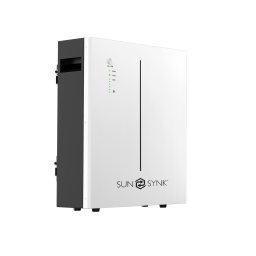
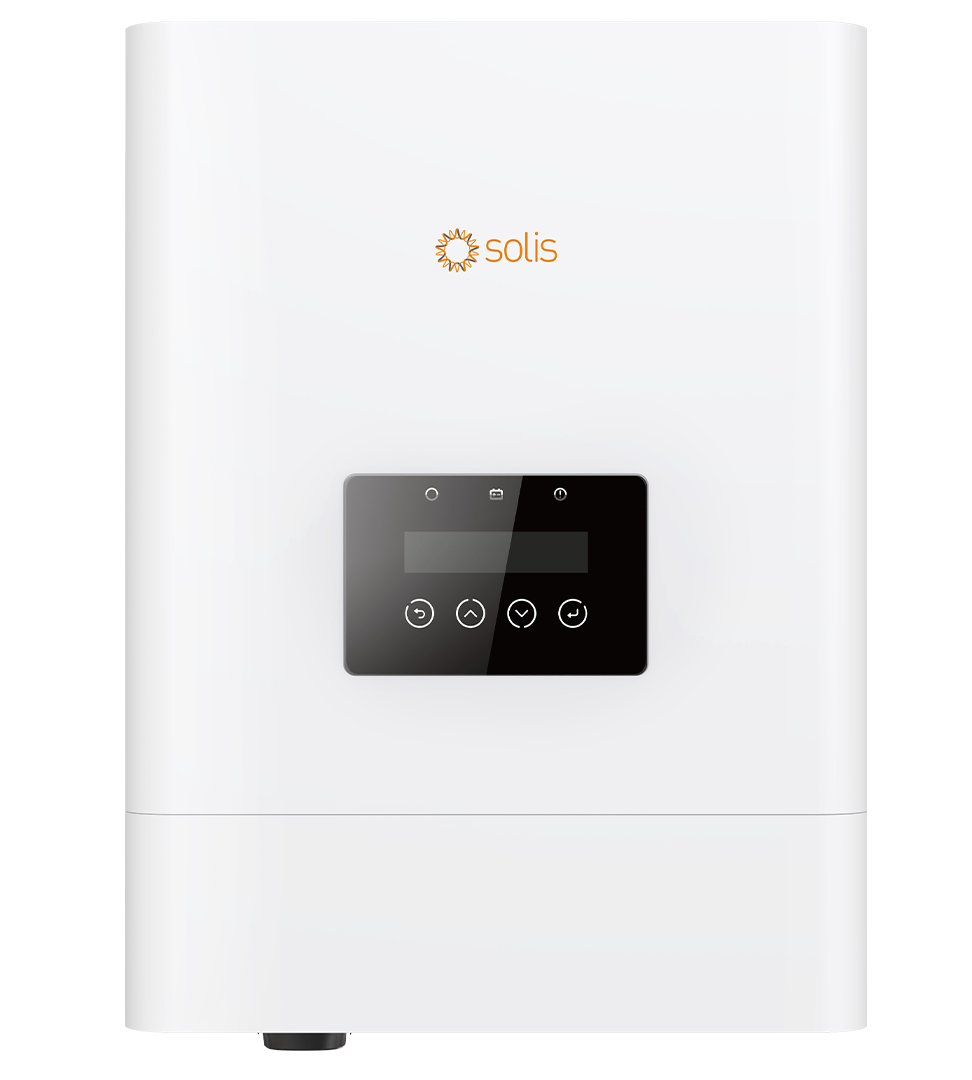
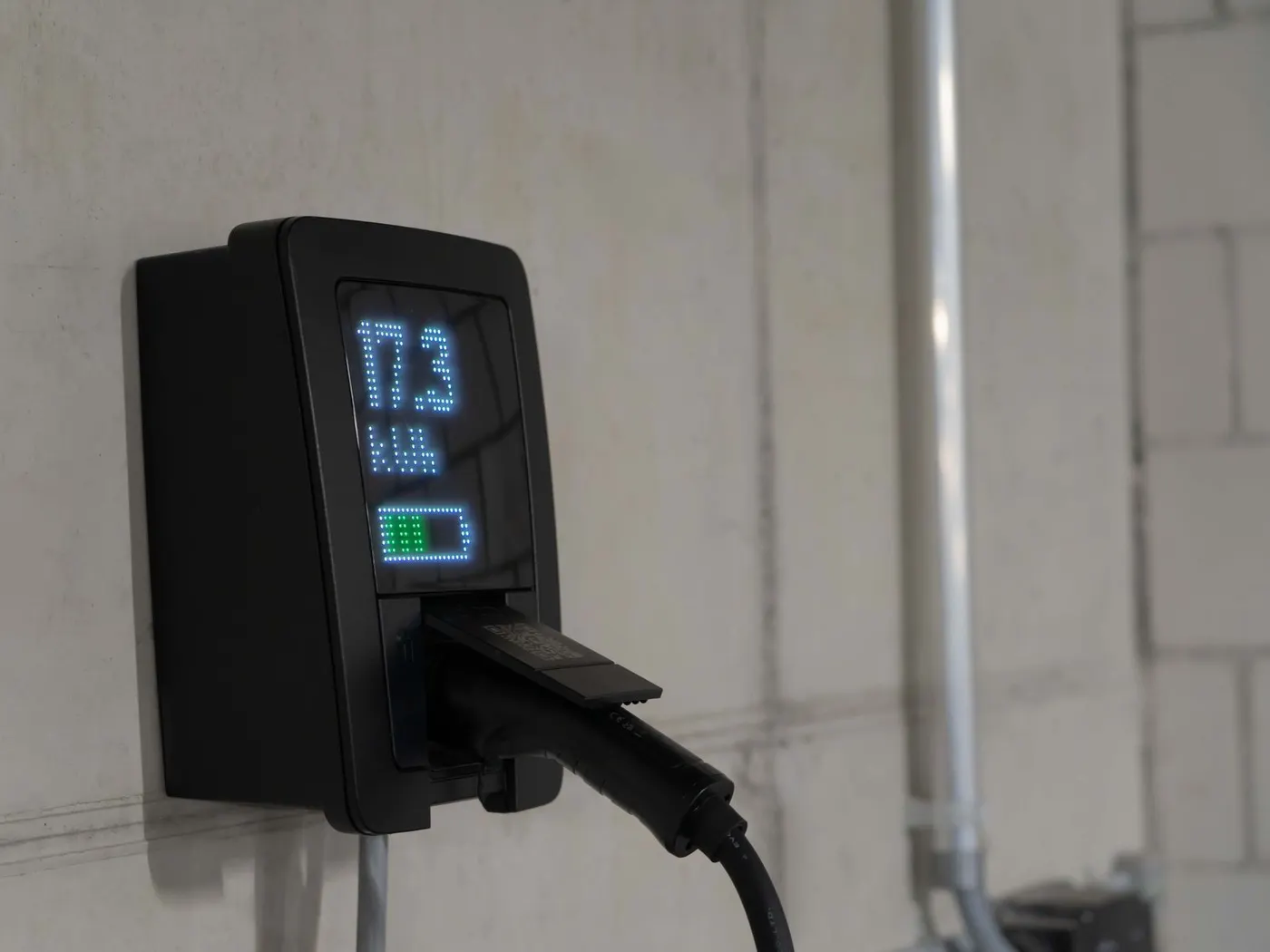
The right inverter and battery pairing matters more than a headline kW or kWh figure. See the models currently listed by SolarGuide, then ask for a quote based on your home and usage.
Walk into any conversation about home solar in South Africa and the battery debate surfaces within minutes. Someone always mentions that lead-acid is cheaper, someone else swears by lithium, and the truth gets lost in sticker prices. It is an understandable muddle, because on the shelf a lead-acid battery genuinely does cost less than a lithium one of the same headline capacity. The problem is that headline capacity is close to meaningless once you factor in how much of the battery you can actually use and how long it will last.
This guide cuts through it. We will compare the two chemistries the way you should, on cost per usable kilowatt-hour over the battery's life rather than on the price tag, and be honest about the narrow cases where lead-acid still makes sense. For most homeowners riding out load-shedding the answer has become clear, but it is worth understanding why, so you can spend your money with confidence.
Key takeaways
Lead-acid looks cheaper up front but delivers far less usable energy per rand over its life.
Lithium (specifically LiFePO4) lasts several times longer and handles daily load-shedding cycles with ease.
Lead-acid can only be safely drained about halfway; lithium gives you 90%+ of its capacity.
For almost every SA home, lithium is the better long-term value; lead-acid survives only in niche, budget or off-grid corners.
The two chemistries, briefly
Lead-acid is the old workhorse, the same basic technology as your car battery, refined over a century. In solar it usually appears as deep-cycle or gel/AGM variants designed to be discharged more deeply than a starter battery. It is proven, widely available and cheap to buy.
Lithium in home solar almost always means LiFePO4 (lithium iron phosphate), a chemistry chosen for safety and long cycle life. It is what sits inside nearly every modern residential battery sold in South Africa today. It costs more to manufacture, and that shows on the price tag, but that is only the first number in the story.
Usable capacity: the number nobody puts on the box
Here is the single most important difference, and the one that quietly undoes the lead-acid price advantage.
A battery's rated capacity is not the same as what you can safely use. Drain a lead-acid battery too far and you damage it, so as a rule of thumb you should only use around half of its rated capacity if you want it to last. A "10kWh" lead-acid bank therefore gives you roughly 5kWh of genuinely usable energy.
LiFePO4 is built to be emptied. Most units allow a depth of discharge of 90% or more, so a 5kWh lithium battery delivers close to 4.5kWh in real life. Put differently: a 5kWh lithium battery and a 10kWh lead-acid bank offer roughly the same usable energy, but the lithium one is smaller, lighter, and about to last several times longer.
90%+
lithium usable capacity
~50%
lead-acid usable
several thousand
lithium cycles
Cycle life, where the gap becomes a chasm
Every battery has a limited number of cycles in it. Lead-acid deep-cycle batteries typically manage a few hundred to perhaps a couple of thousand shallow cycles, and load-shedding's deep daily draining sits at the harsh end of that range. LiFePO4 units are commonly rated for several thousand cycles.
That difference compounds brutally. A lead-acid bank cycled hard through Stage 4 and 6 might need replacing in a handful of years, while a lithium battery cycled the same way can serve for the better part of a decade. Buy lead-acid twice or three times over the life of one lithium battery and the "cheap" option stops looking cheap.
Not sure which system you need?
Get a free, no-obligation quote sized to your home, usage and budget. It only takes a minute.
Let us be fair to lead-acid: if you compare two batteries by the number printed on the box, lead-acid wins on price. If your budget is genuinely fixed at the lowest possible figure today and you accept replacing the bank sooner, it can get you started.
But the meaningful measure is cost per usable kWh over the battery's lifetime. Once you account for lead-acid's halved usable capacity and its far shorter cycle life, lithium typically comes out ahead, sometimes dramatically, despite the higher upfront cost. You are paying more once instead of less several times, and you are getting a smaller, safer, lower-maintenance unit in the bargain.
There is also a financing angle that changes the maths entirely. Because modern solar is usually bought on a monthly plan rather than a lump sum, the "expensive" lithium system often lands as an affordable monthly figure that sits comfortably against what you were spending on fuel for a generator or simply losing to spoiled food and downtime.
Beyond the spreadsheet, the two chemistries live differently in your home.
Maintenance. Some lead-acid types need ventilation and occasional attention; lithium is essentially fit-and-forget. Weight and space. Lead-acid banks are bulky and heavy for the usable energy they provide; lithium is compact enough to wall-mount. Charge speed. Lithium accepts a faster charge, so it refills between load-shedding slots more readily, a real advantage when solar only gets a short window. Behaviour under load. Lithium holds its voltage steadily as it discharges, so performance stays consistent right down to empty, while lead-acid sags.
Where lead-acid still earns its place
It would be dishonest to say lead-acid is never right. It can still make sense for very tight budgets where the lowest possible entry cost outranks everything else, for certain remote or off-grid setups where robustness and easy replacement matter, or as backup for undemanding, occasional use. But for the mainstream job, powering a family home through frequent, predictable load-shedding for years, those cases are the exception, not the rule.
What this means for your system
Alumo's current subscriptions are the Hot Deal from R1,299/month, Peachy Deal from R1,699/month, and Big Deal from R2,599/month. Maintenance and insurance are included, and the advertised terms include an option to cancel after 24 months; subscription is not ownership.
The right move is not to shop for a battery in isolation but to have your home assessed and let the installer match the battery, inverter and panels to how you actually live. That is where the lithium-versus-lead-acid question resolves itself into a concrete, warranted system rather than an abstract debate.
Free tool
How long will your battery last?
Pick a battery size and what you want to keep running.
5.0 kWh
Estimated backup time
12.9 hours
Running about 350 W
Rough estimate at ~90% usable depth. Real runtime depends on the exact appliances and battery. A quote sizes it properly.
Is lithium really worth the extra cost over lead-acid?
For most homes, yes. Once you account for lithium's far greater usable capacity and its several-times-longer cycle life, its cost per usable kWh over its lifetime typically beats lead-acid, even though the upfront price is higher. You generally pay more once rather than less repeatedly.
Why can't I use all of a lead-acid battery's capacity?
Discharging lead-acid too deeply damages it and shortens its life, so as a rule you only use around half its rated capacity. Lithium (LiFePO4) is designed to be drained to 90% or more, which is why a smaller lithium battery can match a much larger lead-acid bank in real usable energy.
Does lead-acid need more maintenance?
Often yes. Some lead-acid types require ventilation and periodic attention, whereas LiFePO4 lithium batteries are essentially maintenance-free and can be safely wall-mounted indoors. That lower hassle is part of lithium's overall value.
Can I mix lithium and lead-acid in one system?
It is generally not advisable. The two chemistries charge and discharge differently, and mixing them causes one to be mistreated by settings tuned for the other. A properly designed system uses a single chemistry matched to a compatible inverter.
Who supplies and warrants the battery?
SolarGuide is an independent referral partner. Alumo supplies, installs, finances and warrants the systems, and all pricing here is indicative and subject to a site assessment and credit approval. We simply help you compare and get a free quote. Get a free quote →
SolarGuide is an independent referral partner. We help you compare options and arrange a free quote — Alumo supplies, installs, finances and warrants the systems. Pricing is indicative, sourced from Alumo’s published catalogue, and subject to a site assessment and credit approval.