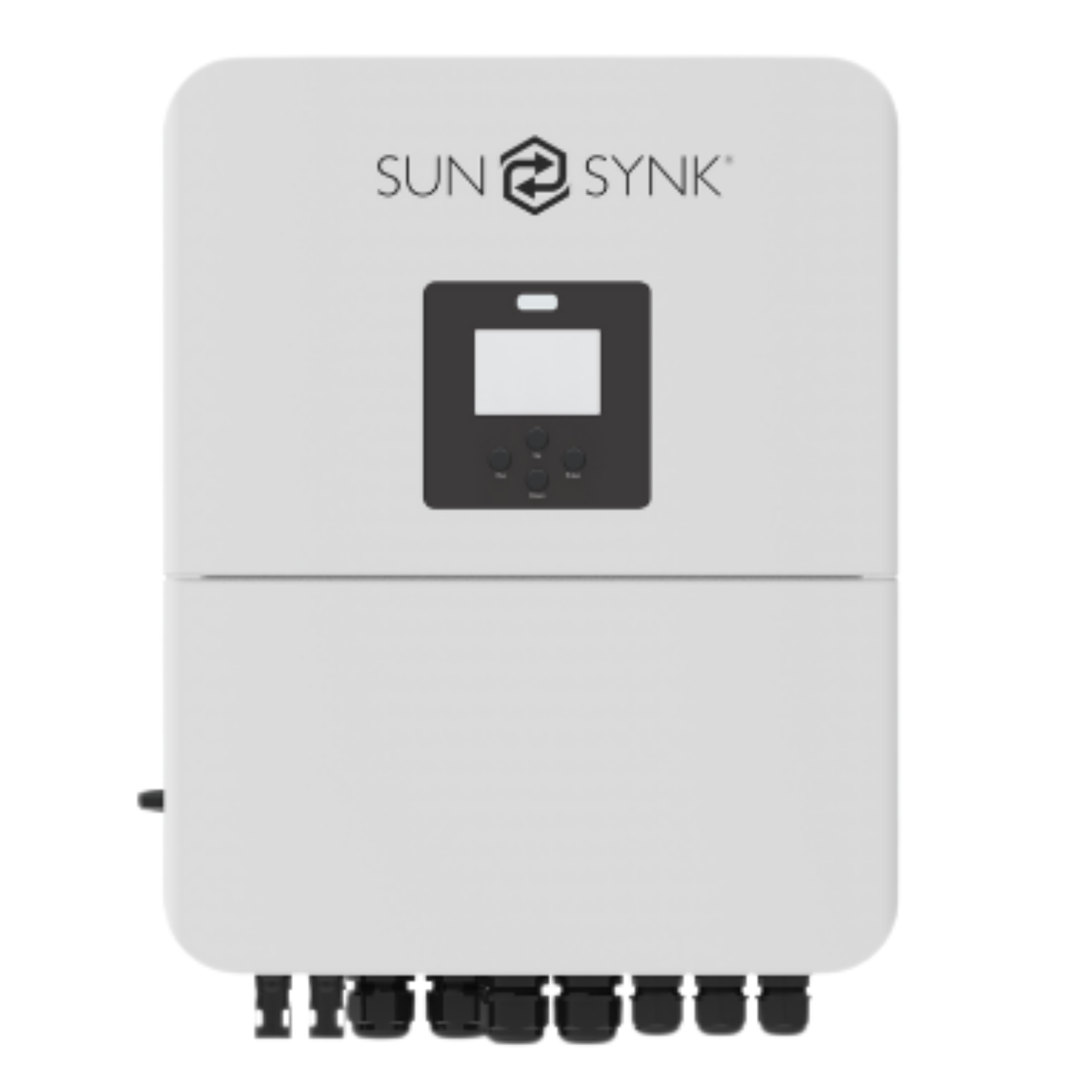
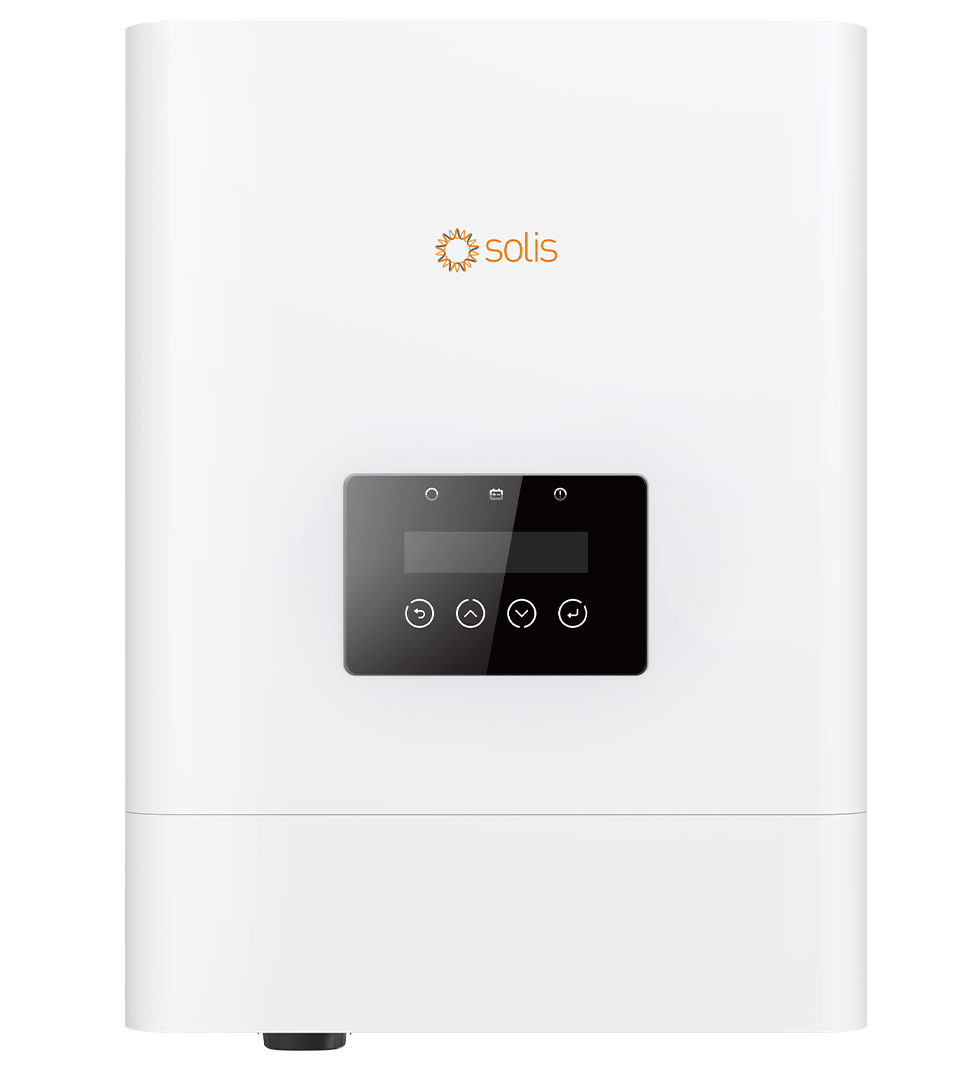
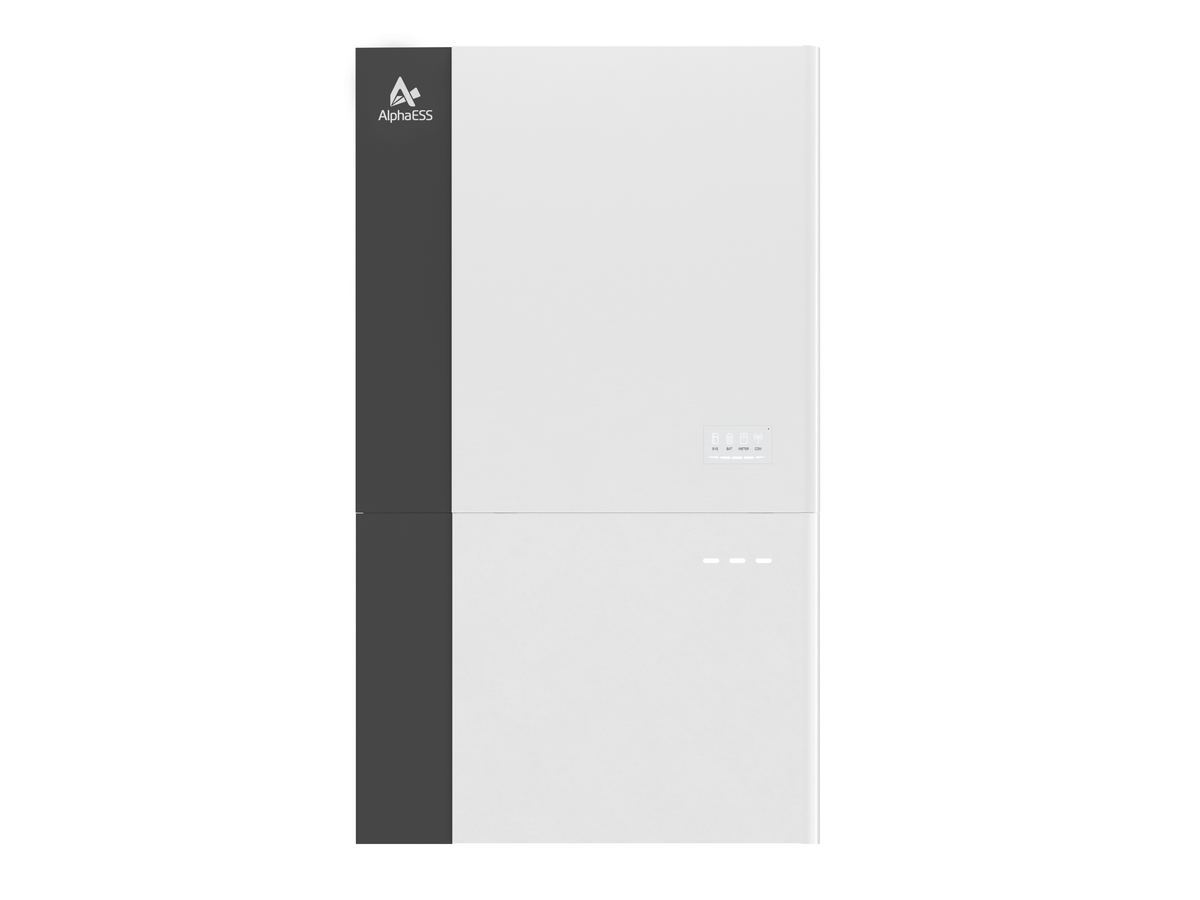
The right inverter and battery pairing matters more than a headline kW or kWh figure. See the models currently listed by SolarGuide, then ask for a quote based on your home and usage.
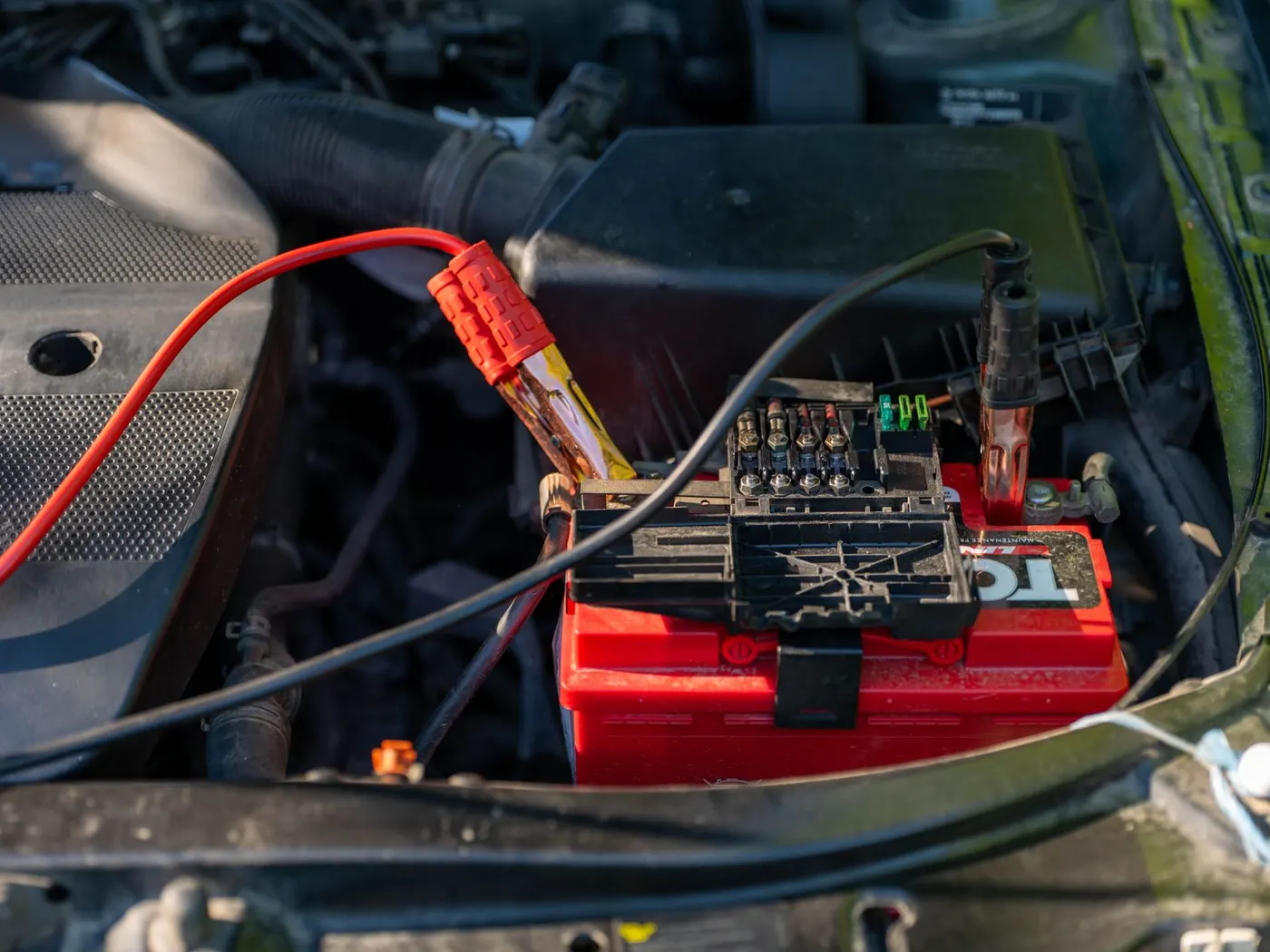
A 12V battery runs your car, your caravan fridge and the inverter trolley next to the TV. A 48V battery sits on the wall behind almost every installed home solar system. In between, 24V batteries power many small off-grid cabins and mid-sized budget inverters. All three can deliver the same 230V from a wall socket, so it is fair to ask why the battery voltage matters at all.
It matters because of current. The lower the battery voltage, the more amps flow for the same appliance, and amps decide how thick the cables must be, how big the fuse is and how much energy turns into heat before it reaches your kettle. This guide explains the trade-off with worked examples from manufacturers' own tables, shows where each voltage makes sense, and explains why a small 12V setup is usually the wrong base for whole-home backup.
Key takeaways
Power is volts × amps, so the same load draws four times the current from a 12V battery as from a 48V battery.
More current means thicker cables, bigger fuses and more energy lost as heat. Victron's own manual specifies 90mm² cable and a 400A fuse for its 12V 3,000VA inverter, against 35mm² and 125A for the 48V version.
12V suits vehicles, caravans, camping and small router or TV backup. 24V suits small cabins and mid-sized off-grid units. 48V is the standard for home hybrid systems.
A small 12V inverter trolley can keep Wi-Fi and lights on, but kettles, heaters and some fridges overwhelm it.
A 12V or 24V battery normally can't be reused in a 48V hybrid. Plan the upgrade as a matched inverter and battery.
Volts, amps and watts: the one formula you need
Every comparison in this guide comes from one relationship:
Power (watts) = voltage (volts) × current (amps)
Turn it around and current = power ÷ voltage. An appliance needs a fixed number of watts, so if you halve the battery voltage, the battery has to supply twice the current. Go from 48V down to 12V and the current is four times higher.
Here is a 2,200W kettle, a common size, running from an inverter on three battery voltages. This is a SolarGuide calculation that ignores inverter losses, so the real battery current is a little higher.
18312 A
9224 A
4648 A
Battery current for a 2,200W kettle before inverter losses (SolarGuide calculation)
The same arithmetic for a 1,000W load gives about 83A at 12V, 42A at 24V and 21A at 48V. For a 5,000W home inverter, the current at 12V would be over 400A. Our 48V lithium battery guide shows that calculation and explains why 48V and 51.2V batteries belong to the same class, so we won't repeat it here.
What higher current costs you
Thicker, shorter cables
Cable has resistance. Push more current through it and it heats up and wastes more energy, so high-current systems need thick copper. You can see this in the battery cable table in Victron Energy's Inverter Smart manual. Victron makes the same 3,000VA inverter in 12V, 24V and 48V versions, which makes a fair comparison:
Victron Inverter Smart model
Recommended cable, 0 to 5m
Recommended cable, 5 to 10m
Recommended fuse
12/3000 (12V)
1 × 90mm²
2 × 70mm²
400A
24/3000 (24V)
1 × 50mm²
2 × 50mm²
250A
48/3000 (48V)
1 × 35mm²
2 × 35mm²
125A
The 12V version needs well over twice the copper of the 48V version for the same inverter, and its fuse is more than three times larger. For the smaller 12V models, Victron marks the longer cable run as "Not recommended" altogether. The 12V and 24V versions also need far more battery: Victron recommends 400 to 1,200Ah of battery for the 12/3000, against 100 to 400Ah for the 48/3000.
Victron's free wiring handbook, Wiring Unlimited, gives a rule of thumb for cable runs up to 5m: divide the current by three to get a rough cable size in mm². For 200A, that is about 66mm². It is a rough guide, not a design method, and your installer must follow the manufacturer's manual and the South African wiring code.
Losses and voltage drop
Thin or long cables also lose voltage on the way to the inverter. Wiring Unlimited works through an example: a 2,400W inverter connected with two 1.5m lengths of 16mm² cable. At 12V the current is 200A, the cables drop 0.64V and about 5% of the energy is lost as heat. Run the same load and cable at a higher voltage and the loss falls sharply.
5.312 %
1.324 %
0.348 %
Voltage drop in Victron's worked example: 2,400W load, two 1.5m lengths of 16mm² cable
Victron advises keeping voltage drop below 2.5%, which is only 0.3V on a 12V system but 1.2V on a 48V system. A 12V system has far less room for error before the inverter starts shutting down on low voltage.
Fuses and protection
Every battery cable needs a fuse or DC breaker close to the battery, rated for the cable and the inverter. At 12V, that fuse is large, expensive and hard to source in a breaker format. Voltage brings its own catch: Wiring Unlimited notes that most DC fuses are suitable for 12V and 24V but not necessarily for 48V and above, so a 48V system needs protection rated for 48V DC. This is one reason home systems should be installed and certified by a registered electrician, not assembled from parts.
Where each voltage fits
Victron suggests these upper inverter sizes in Wiring Unlimited: 12V up to 3,000VA, 24V up to 5,000VA, and 48V for 5,000VA and up. Its own datasheet follows the same logic. The Phoenix Inverter Smart range stops at 3,000VA for 12V, and the 5,000VA model is only offered in 24V and 48V.
System voltage
Typical uses
Strengths
Limits
12V
Cars, caravans, camper vans, boats, camping, small inverter trolleys for Wi-Fi, lights and TV
Matches vehicle electrics; small batteries are easy to buy and carry
Very high current above about 1,000W; thick cables; short runs
24V
Small cabins, trucks, older off-grid setups, many 2kVA to 3kVA budget inverters
Half the current of 12V; still simple to build
Not the standard for home hybrids; battery choice narrower
48V
Installed home hybrid inverters, home lithium batteries, larger off-grid systems
A quarter of the current of 12V; manageable cables; wide choice of inverters and batteries
Needs proper installation, protection and a CoC; not portable
12V: vehicles, caravans and small backup
12V is the natural choice wherever the electrics already run at 12V, such as cars, caravans, boats and camping setups that charge from a vehicle or a small solar panel. It also suits small plug-in backup: a 12V battery and a small inverter can keep a router, fibre box, a few LED lights and a TV going through an outage. Lithium has made 12V much better. A 12.8V, 100Ah lithium iron phosphate battery stores 1,280Wh according to Victron's lithium battery datasheet, and you can use most of it.
24V: cabins and mid-sized off-grid units
24V halves the current of 12V, so a 2kVA to 3kVA inverter becomes practical without very heavy cables. Many budget inverter-chargers in South Africa run on 24V. Mecer's IVR-2400MPPT, for example, is a 2,400VA/1,800W unit on a 24V battery. Our budget inverters guide covers what these units can and can't do. 24V is a sensible middle ground for a cabin or workshop, but it is rarely the starting point for a new home system.
48V: home hybrid systems
Installed home systems standardised on 48V because a 5kW inverter then draws about 100A, which ordinary installation cable and protection can handle. Almost every home hybrid inverter and wall-mounted lithium battery sold in South Africa is built for 48V. If you are planning backup for a whole house or a set of essential circuits wired into your distribution board, this is the voltage you will end up with.
Why a 12V inverter trolley struggles with a kettle or fridge
Small inverter trolleys are popular because they plug in and need no electrician. Many are built around a 12V battery and an inverter of about 1kVA. Mecer's IVR-1200MPPT, for example, is rated 1,200VA/1,000W on a 12V battery, with a simulated sine wave output. Three things limit a setup like this.
Power. A 1,000W inverter can't run a 2,200W kettle, a heater or a hair dryer at all, however big the battery is. Even at its full 1,000W, it draws about 83A from a 12V battery before losses, which is a heavy current for the short leads and clamps found on many trolleys.
Surge and waveform. A fridge compressor draws several times its running power for a moment when it starts. The inverter has to supply that surge, and the battery and cables have to deliver the current behind it. On top of that, fridges and other motors run hotter and noisier on a simulated or modified sine wave. Our budget inverters guide explains waveform and surge ratings in detail.
Energy. A 12V, 100Ah lead-acid battery holds 1.2kWh on paper, and lead-acid batteries are normally run at a shallow depth of discharge to protect their life, so much less is usable. That is enough for Wi-Fi and lights through a two-hour outage, but it runs down quickly once a fridge, TV and laptops share it. Our UPS vs inverter vs portable power station guide works through runtimes for typical loads.
None of this makes a trolley a bad buy. For keeping the internet and a few lights on, it is cheap and simple. It just isn't a small version of a home system, and adding more 12V batteries doesn't fix the power, surge or current limits.
There is a legal point too. The City of Cape Town's SSEG FAQs (January 2025 revision) say a plug-in trolley inverter that runs as an appliance from a plug circuit doesn't need SSEG authorisation. Once a trolley inverter is wired into the distribution board, the City requires a battery-only SSEG application. Other municipalities have their own rules, so check with yours.
Can you reuse a 12V or 24V battery when you upgrade?
Usually not in a home hybrid. A 48V inverter needs a 48V battery bank, and lead-acid banks are built by wiring four 12V batteries in series. You could, in principle, wire existing 12V batteries together that way, but there are good reasons not to:
Matching. Batteries in series must be the same model, capacity and age. An older 12V battery mixed with new ones drags the whole bank down.
Balancing. Victron's datasheet notes that a 48V lithium bank is best built from two 24V batteries in series. Four 12V batteries in series work but need more balancing time.
Communication. Home hybrid inverters expect a 48V lithium battery whose management system talks to the inverter over CAN or RS485. A string of 12V blocks can't do that.
Chemistry. Lead-acid and lithium need different charge settings, so they should never share a bank.
The practical path is to keep the trolley for where it is useful, such as a home office or a second room, and to treat the home system as a new, matched 48V inverter and battery. Size the inverter around the loads you want to run at the same time. Our kVA vs kW guide shows how to read the real watt rating and surge figure on an inverter datasheet.
Not sure which system you need?
Get a free, no-obligation quote sized to your home, usage and budget. It only takes a minute.
A proper 48V hybrid system is wired into your distribution board, switches over automatically when the grid fails, and can take solar panels now or later. It runs the kettle, the fridge and the lights together, within the inverter's rating, and recharges from the grid or the sun.
Alumo's rent-to-own packages use a Solis 5kW hybrid inverter and an Eenovance 5.32kWh lithium battery, which Alumo lists with 80% usable capacity. The solar and battery packages start at R1,449 a month over seven years for Watt-a-Deal, with a R700 initiation fee and 6.5% annual escalation, according to alumo.co.za, checked on 22 October 2026. Battery-only rent-to-own is advertised from R1,049 a month. Alumo's online configurator currently quotes only solar and battery for rent, so the battery-only price and terms are confirmed in the quote. Final systems and prices are confirmed after a site assessment and credit approval.
If you already own a trolley or a 24V inverter and want to know what to keep and what to replace, ask for an essential-load assessment. Get a matched 48V backup quote →
Frequently asked questions
Is a 12V or 24V inverter better?
For the same inverter power, 24V is better because it draws half the current, so cables, fuses and losses are smaller. 12V makes sense when the rest of the system already runs at 12V, such as a vehicle or caravan, or for very small backup of about 1,000W or less. For anything wired into a house, 48V is the usual choice.
How many amps does a 12V inverter draw?
Divide the load in watts by 12, then allow extra for inverter losses. A 1,000W load draws about 83A, and a 2,400W load draws 200A, which is the figure Victron uses in its own wiring example. That is why 12V systems need very thick, short cables and large fuses.
Can I run a kettle on a 12V inverter?
Only on a large 12V inverter of about 3,000VA with very heavy cabling and a big battery bank. A typical 1kVA trolley inverter can't, because a 2,200W kettle needs more than double its rated output and about 183A from a 12V battery.
Can I connect four 12V batteries to make 48V?
Electrically, yes: four identical 12V batteries in series make a 48V bank, and that is how 48V lead-acid banks are built. Mixing old and new batteries is a bad idea, and most home hybrid inverters work best with a 48V lithium battery that communicates with them. Victron recommends building 48V lithium banks from two 24V batteries rather than four 12V ones.
Is SolarGuide the installer?
No. SolarGuide is an independent referral partner. Alumo supplies, installs, finances and warrants the systems. We help you compare options and get a free quote. We have no commercial relationship with Victron, Mecer or the other brands named here. All pricing is indicative and subject to a site assessment and credit approval.
Sources and review note
Checked on 22 October 2026. Cable sizes, fuse ratings and battery capacity recommendations come from the battery connection table in Victron Energy's Inverter Smart manual (rev 02, March 2024). The voltage drop example, the 2.5% voltage drop guideline, the cable rule of thumb, the preferred inverter sizes per system voltage and the note on DC fuse voltage ratings come from Victron's Wiring Unlimited handbook. Model voltages are from the Phoenix Inverter Smart datasheet. The 12.8V battery energy and Victron's advice on building 48V banks are from its 12.8V and 25.6V lithium iron phosphate battery datasheet. Mecer specifications are from Mecer's IVR-MPPT range page. Trolley inverter rules are from the City of Cape Town's SSEG FAQs (revision January 2025). Alumo rent-to-own prices and equipment are from alumo.co.za, checked on 22 October 2026; the battery-only starting price is as Alumo advertised it on 20 October 2026. Battery currents for the kettle and 1,000W examples are SolarGuide calculations that ignore inverter losses. Cable figures are manufacturer recommendations for specific products, not a design method: cable sizing for a real installation depends on the product manual, cable type, run length and SANS 10142-1, and must be done by a registered electrician. We have not quoted battery or inverter prices, because retail prices change often and differ between resellers.
SolarGuide is an independent referral partner. We help you compare options and arrange a free quote — Alumo supplies, installs, finances and warrants the systems. Pricing is indicative, sourced from Alumo’s published catalogue, and subject to a site assessment and credit approval.