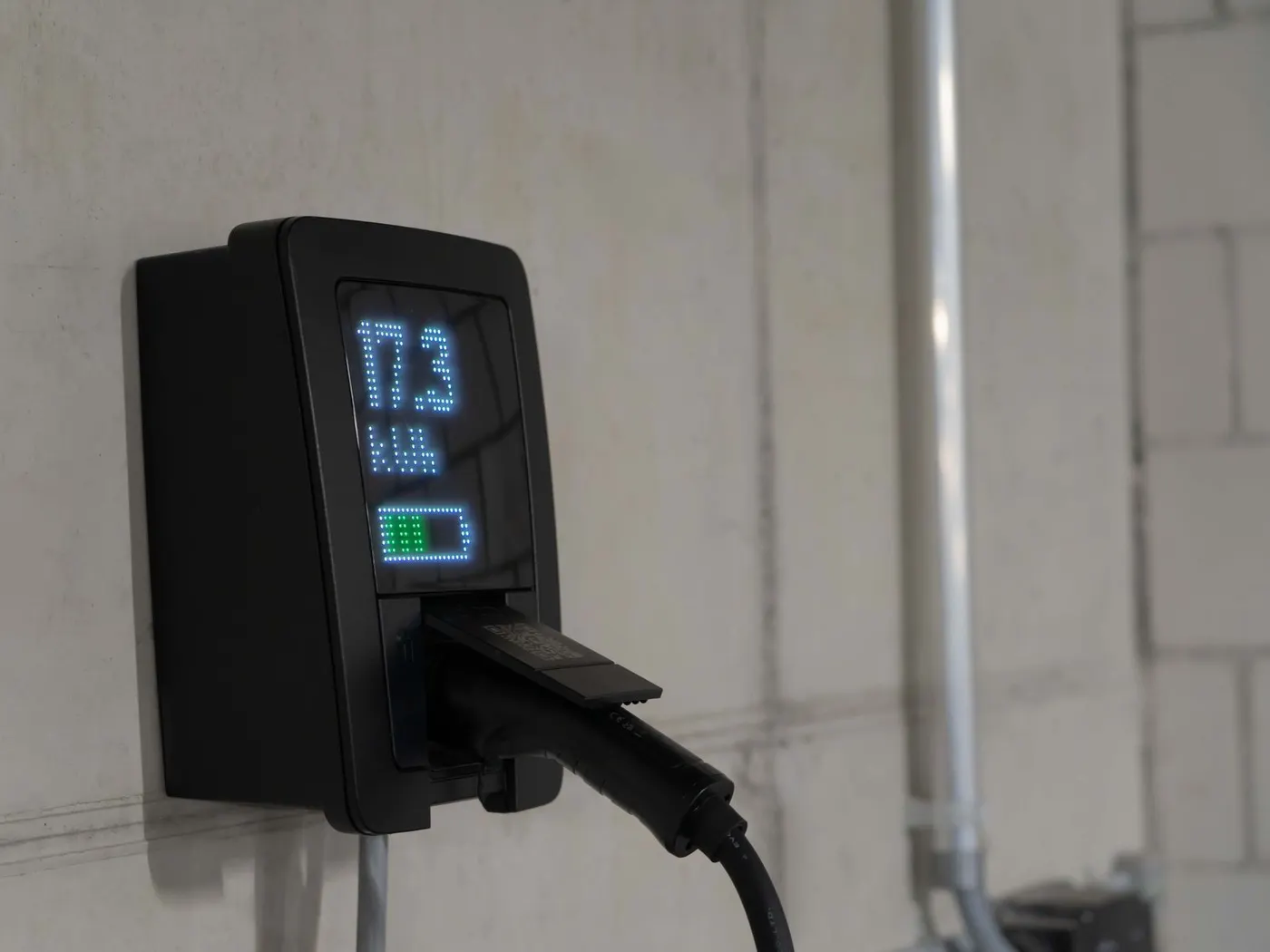
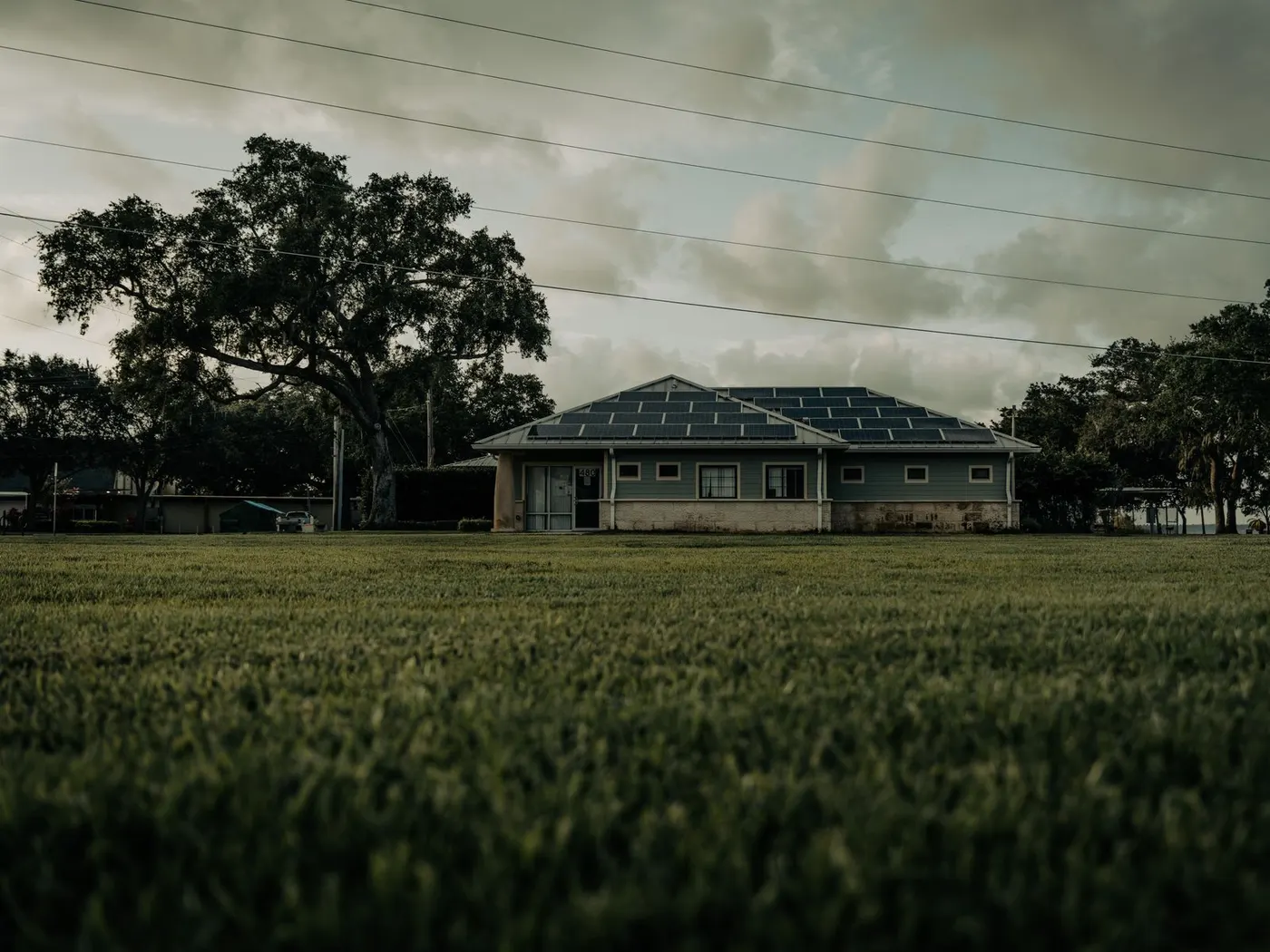
The right inverter and battery pairing matters more than a headline kW or kWh figure. See the models currently listed by SolarGuide, then ask for a quote based on your home and usage.
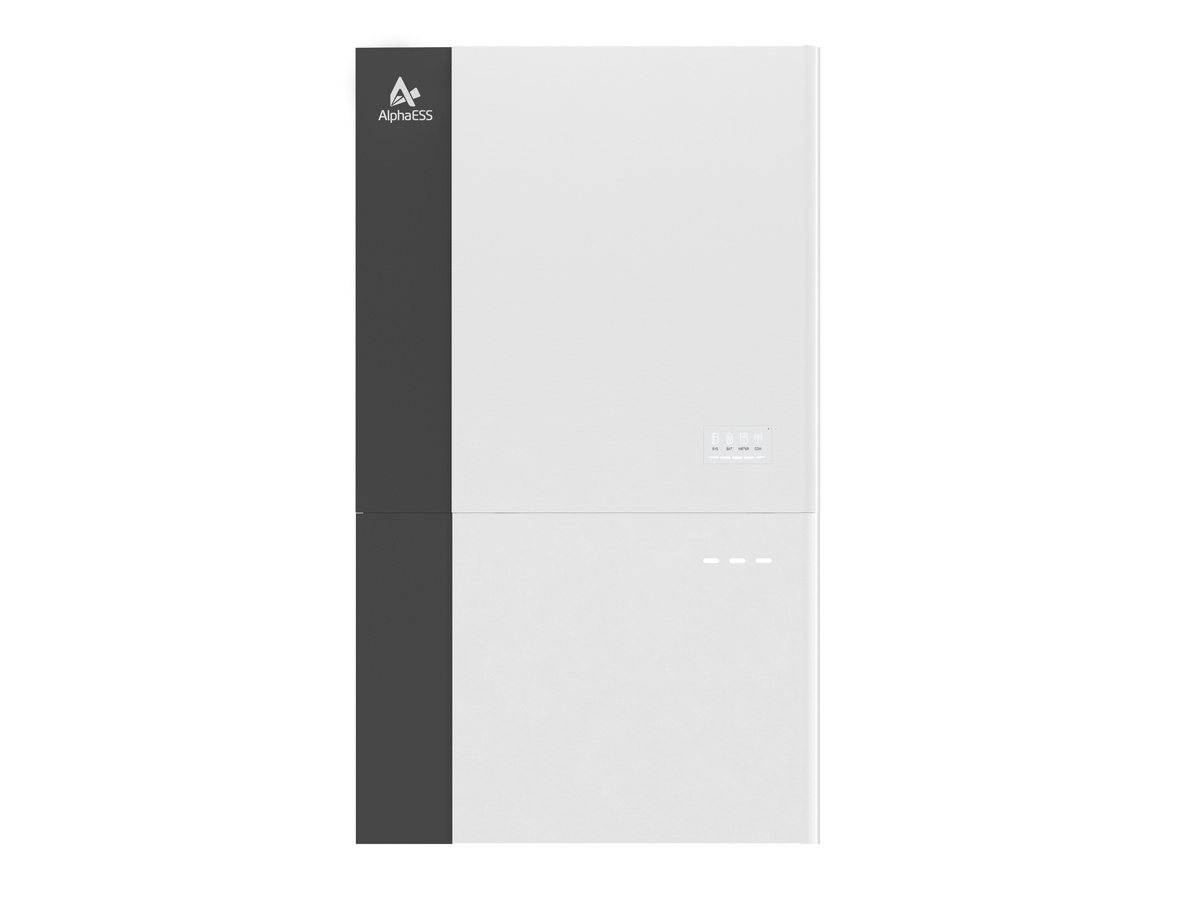
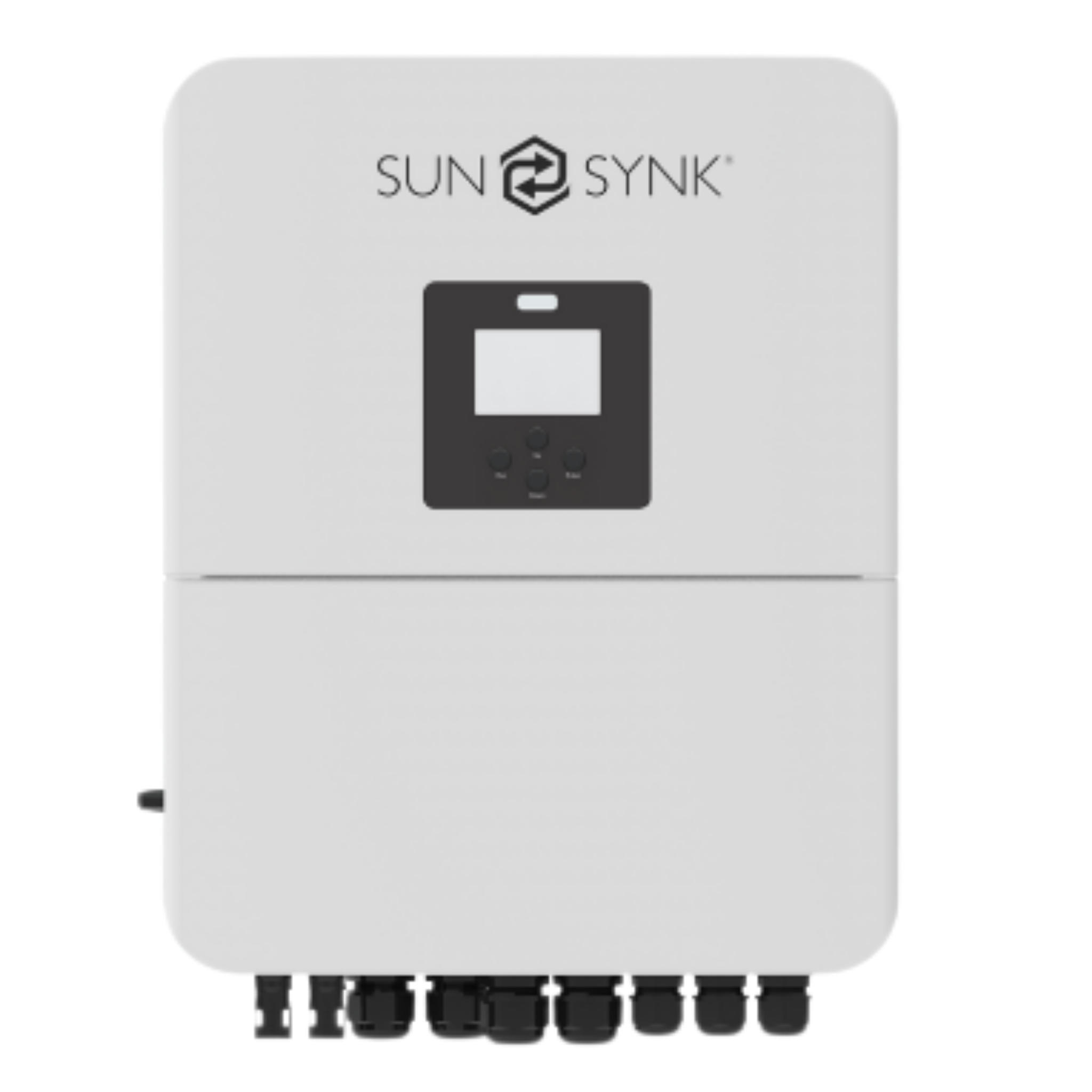
There are two philosophies for putting solar on a South African home, and AlphaESS and Sunsynk are neat stand-ins for each. Sunsynk represents the modular approach: a separate inverter, a separate battery and separate panels, each chosen and sized independently, then wired together into a system. AlphaESS is best known for the all-in-one approach: inverter and battery bundled into a single, integrated unit designed to be dropped in and switched on. Both keep your fridge cold and your Wi-Fi up when Eskom does not. They just get there differently.
That difference is worth understanding. It shapes how your system looks on the wall and how easily it grows with you. This guide compares the two approaches honestly, so you pick the shape of system that suits your home instead of the one a salesperson defaults to.
Key takeaways
AlphaESS is known for integrated all-in-one units (inverter plus battery in one), simple to deploy and tidy on the wall.
Sunsynk is the modular standard: separate inverter, battery and panels sized independently and easy to expand.
All-in-one suits straightforward homes and low-fuss, low-monthly deals. Modular suits people who want flexibility and room to grow.
Both are well-supported LiFePO4 systems in South Africa. The right choice depends on your home and how you like to buy.
Two philosophies, plainly
The modular approach — the one most South African installs use — treats each component as its own decision. You size the inverter to the load you want to run, size the battery to how long you want to ride out load-shedding, and size the panel array to how much you want to generate. Sunsynk is the poster child here: a hugely popular hybrid inverter with strong local support that pairs with a range of batteries and panel counts. The upside is precision and flexibility; you build exactly the system your home needs and can add to it later.
The all-in-one approach bundles the inverter and battery into a single integrated product. AlphaESS is well known for this style of unit, engineered so the two halves are matched at the factory and communicate cleanly out of the box. The upside is simplicity: fewer components to specify, a tidy single enclosure, and a fast, predictable install.
It's a spectrum, not a war
One thing to say plainly: this isn't a rivalry where one side is right. AlphaESS also makes modular gear, and a Sunsynk system can be neatly packaged. The labels here are just shorthand for two ends of a spectrum. Both brands sit alongside Eenovance, Sigenergy and IES on our brands overview, and both use the safe, long-cycle LiFePO4 chemistry that has become standard for home storage.
Where all-in-one wins
For a lot of homes, integration is exactly what you want. If your needs are straightforward, keeping the essentials running through load-shedding without a complicated setup, an all-in-one unit makes sense. There's less to go wrong where components meet, the install is quicker, and the wall looks tidier. Because the inverter and battery are matched at the factory, you also skip any worry about whether the two will talk to each other properly.
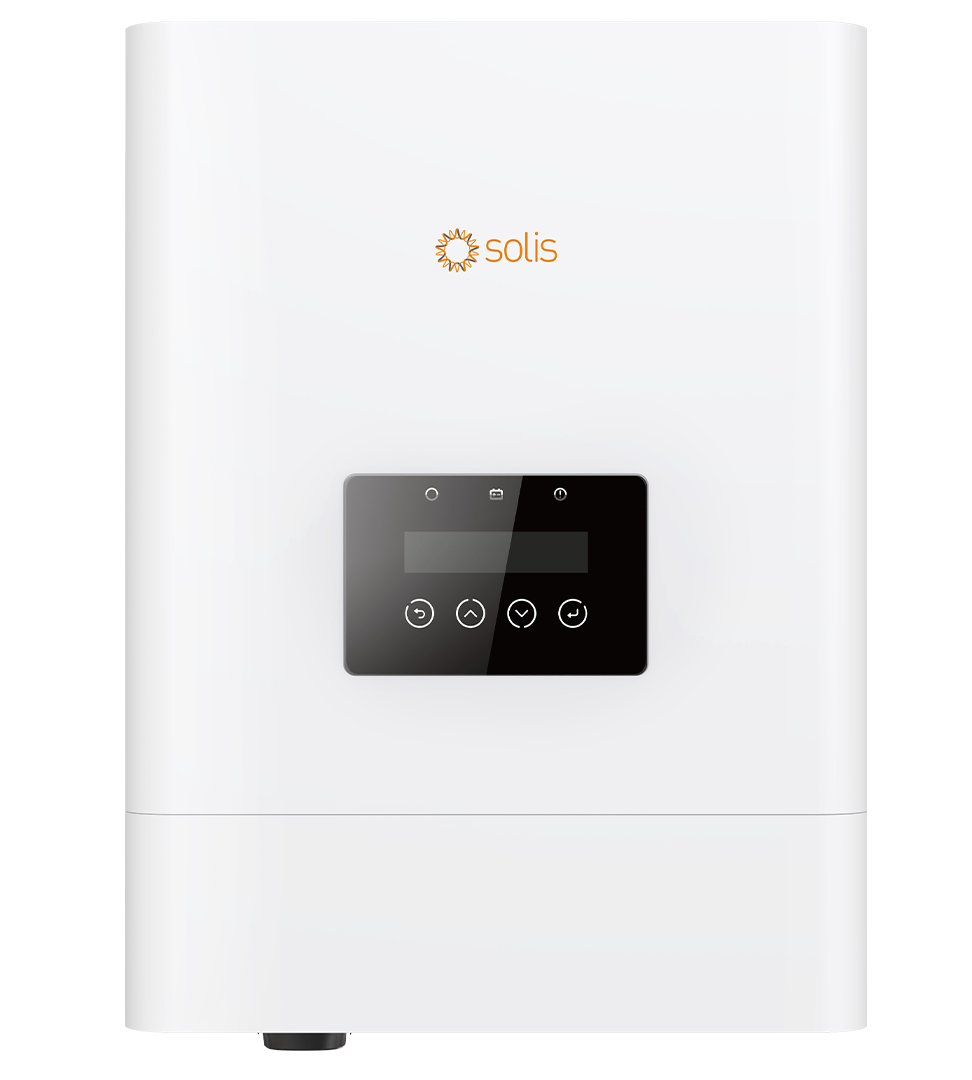
There is a commercial angle too. Integrated units can suit lower-commitment monthly plans, but do not infer the supplied hardware from the payment model. Alumo currently presents its Hot Deal subscription with a Solis 5kW inverter and Eenovance 5.32kWh battery from R1,299/month; the final panel count and equipment must be confirmed in the quote. Its advertised agreement includes an option to cancel after 24 months.
The modular approach earns its keep when your needs are less tidy or likely to change. Because each component is chosen separately, an installer can size the battery for a longer backup window, spec a bigger inverter for a home that runs more at once, or add panels to a roof with the space for them — all independently. That precision means you are less likely to over- or under-buy any single part.
Alumo's current solar-plus-battery rent-to-own range uses a Solis 5kW inverter and Eenovance 5.32kWh battery: Watt-a-Deal has three 615W panels from R1,418/month, The Big Watt has four from R1,487/month, and The Power Bae has six from R1,626/month on a seven-year term. Three- and five-year prices, solar-only configurations and battery-only pricing are available on our current package comparison.
Start with two questions. How simple do you want the buying decision to be, and how likely are your needs to grow? If you want the lowest-fuss route with a keen monthly figure and no long commitment, an all-in-one unit is a strong pick. If you want a system tuned precisely to your home with clear room to expand, a modular Sunsynk build is the better long-term fit. Our equipment guide explains how inverter, battery and panel sizing interact, which helps you picture what "tuned to your home" actually means.
You don't have to make this call in the abstract, either. A site assessment sizes the load, checks your roof and matches the right shape of system to how you live. Get a free Alumo quote → and you can compare an all-in-one option against a modular one on real numbers for your house, rather than guessing from a spec sheet.
Whichever way you lean, remember what actually protects you: a correctly sized system, professionally installed and warranted. All-in-one versus modular changes the shape and the flexibility of that system, not whether it keeps your lights on. Both do that job well.
Free tool
How long will your battery last?
Pick a battery size and what you want to keep running.
5.0 kWh
Estimated backup time
12.9 hours
Running about 350 W
Rough estimate at ~90% usable depth. Real runtime depends on the exact appliances and battery. A quote sizes it properly.
Is an all-in-one AlphaESS system as good as a modular Sunsynk one?
For a straightforward home, yes — an integrated unit keeps the essentials running through load-shedding with less to specify and a tidier install. The modular Sunsynk approach gives more precise sizing and easier future expansion. Neither is universally "better"; the right one depends on how simple you want the purchase and how much you expect your needs to grow.
Can I expand an all-in-one system later?
It depends on the specific unit, and expansion is generally more limited than with a modular setup. If you expect your needs to grow significantly — a bigger family, an EV, more backup hours — a modular Sunsynk system is usually the easier one to extend. Discuss your likely future load during the site assessment so the design leaves room where you need it.
Why is the subscription cheaper per month?
Alumo's "Hot Deal" subscription is a lower-commitment product priced from R1,299/month with the option to cancel after 24 months. Its simplicity and flexible term keep the monthly figure low, which suits households wanting solar backup without a long lock-in or a big upfront design exercise.
Are both AlphaESS and Sunsynk batteries lithium?
Yes. Both brands' home storage is built on LiFePO4 (lithium iron phosphate), the safe, long-cycle chemistry that has become standard for South African home systems. That is why both handle daily load-shedding cycles well and are supported locally.
Who supplies and warrants these systems?
SolarGuide is an independent referral partner. Alumo supplies, installs, finances and warrants the systems, and all pricing here is indicative and subject to a site assessment and credit approval. We simply help you compare and get a free quote. Get a free Alumo quote →
SolarGuide is an independent referral partner. We help you compare options and arrange a free quote — Alumo supplies, installs, finances and warrants the systems. Pricing is indicative, sourced from Alumo’s published catalogue, and subject to a site assessment and credit approval.