Can hail actually break solar panels?
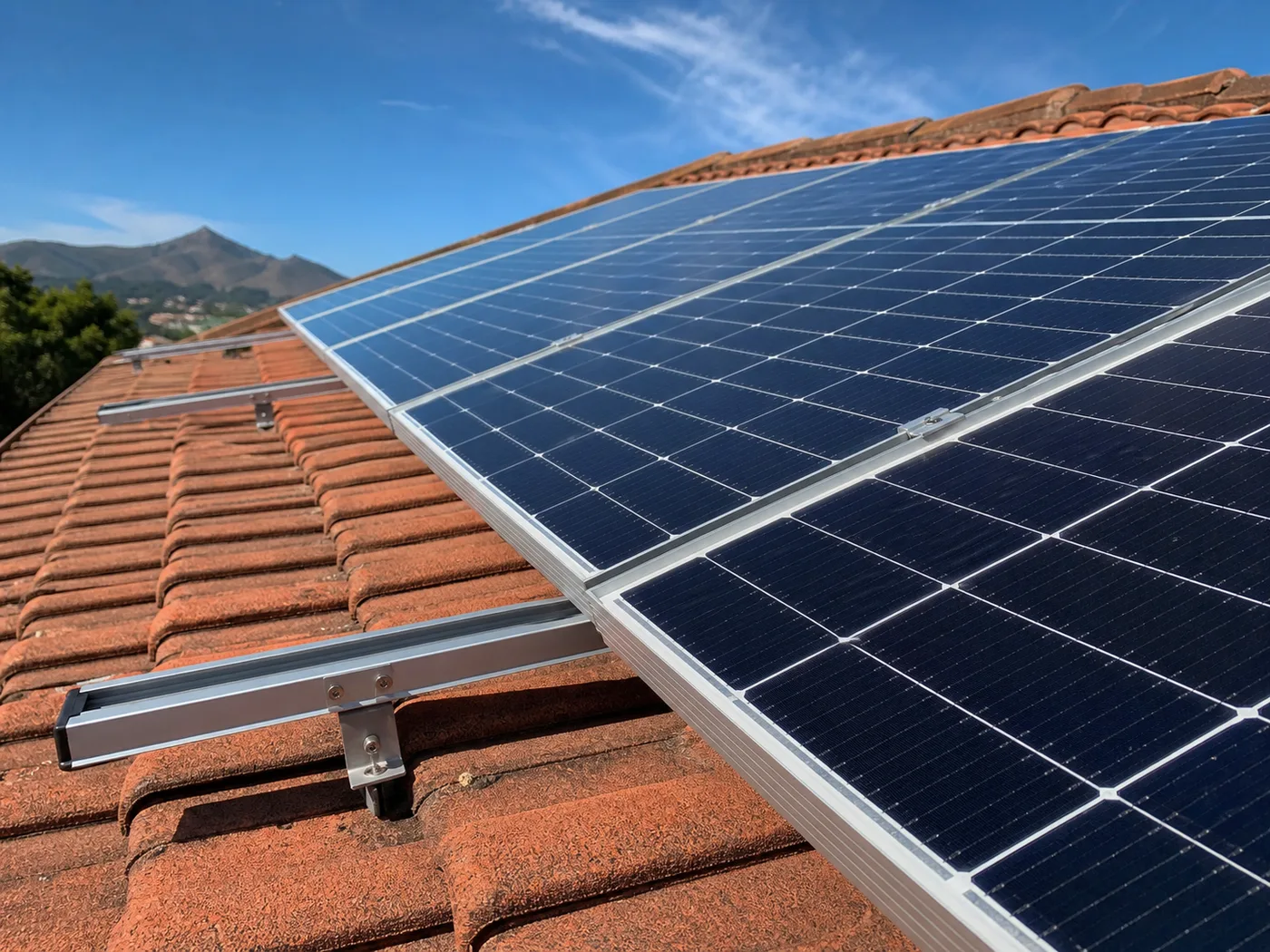
This is the fear that comes up most, and the answer is reassuring: quality solar panels are remarkably hail-resistant. Reputable panels, the Trina and Jinko modules used in good installations, are built with toughened, tempered glass and independently certified to withstand hailstones of significant size striking at high speed. In the vast majority of South African hailstorms, well-made panels come through untouched while softer things around them take the beating.
That resilience isn't unlimited. A freak, once-in-a-decade storm with unusually large stones can crack a panel, and no glass is truly invincible. But the everyday summer hail that dents a bakkie's bonnet is well within what a certified panel is designed to shrug off. The angle they're mounted at helps too, since stones tend to glance off a tilted surface rather than hit it square.
The real lesson hides in the word quality. Cheap, uncertified panels bought to shave a few rand off the price are exactly the ones that shatter when a proper storm arrives. This is one of many reasons the equipment brand and the installer's standards matter far more than the sticker price.
Lightning: the danger isn't what you think
Everyone pictures a bolt of lightning spearing a panel and exploding it. In reality, a direct strike on a home's solar array is rare. The far more common and insidious threat is the surge, the massive spike in voltage that lightning induces in nearby wiring when it strikes the ground, a pole or a line anywhere in the area.
That surge doesn't need to hit your panels at all. It races through the electrical system, the grid connection, the DC cabling from the roof, the data lines, and slams into the most sensitive, most expensive component you own: the inverter. A single unprotected surge event can destroy an inverter and any electronics connected to it in an instant. This, not shattered glass, is how most storms actually damage solar systems.
The defence: surge protection and earthing
The counter to this is not exotic. It's proper electrical design, and it's why installation quality is everything. Two elements do the real work:
- Surge protection devices (SPDs). These are sacrificial components installed at key points that intercept a voltage spike and divert it safely to earth before it reaches your inverter. A correctly specced installation includes SPDs on both the AC and DC sides. Skimping here is where cut-price installers cut.
- Correct earthing and bonding. A properly earthed system gives that surge a safe path to ground instead of forcing it through your equipment. Done right, it's the foundation the whole protection scheme rests on.
Get these right and your system rides out the thunderstorm season that a poorly earthed, unprotected setup wouldn't survive.
Not sure which system you need?
Get a free, no-obligation quote sized to your home, usage and budget. It only takes a minute.
Get your free quote →Wind, salt and the coastal factor
Away from the Highveld's hail, the coast brings its own tests. Strong frontal winds put real load on the mounting system, which is why proper racking and roof anchoring, engineered and installed correctly, matter as much as the panels themselves. A panel that survives the hail but tears loose in a gale is no better off.
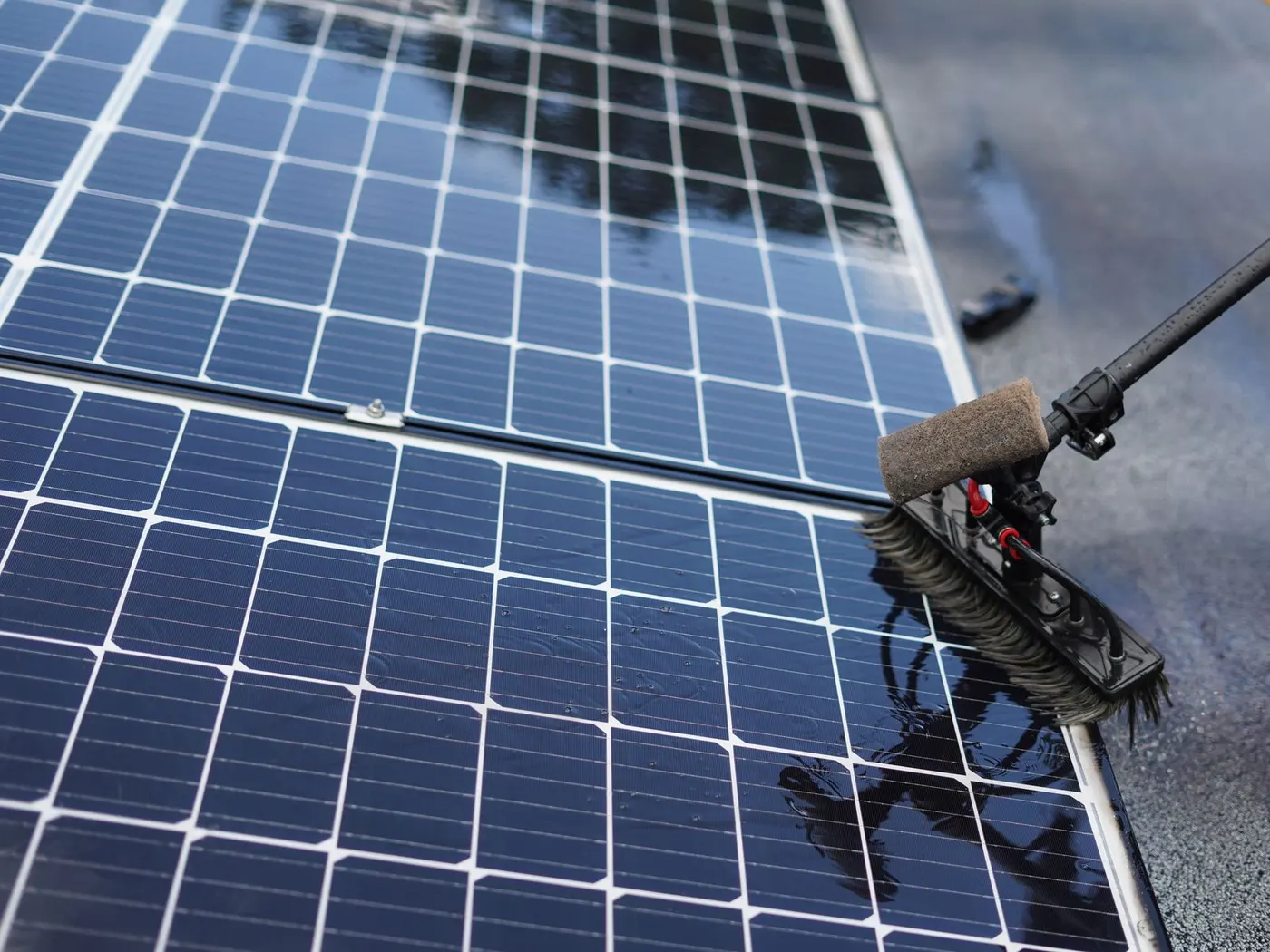
Salt air is the slower, quieter threat. Along the coast it corrodes cheap mounting hardware and poorly sealed connections over the years. Quality corrosion-resistant components and a competent installation are what keep a coastal system sound for its full lifespan rather than degrading early.
The safety net: warranties and insurance
Here's a distinction that trips a lot of people up, and getting it wrong can be costly.
A warranty covers defects, not disasters. Panel and inverter warranties protect you against manufacturing faults and premature performance loss: a panel that degrades faster than promised, an inverter that fails through no fault of yours. That's valuable, and quality kit comes with strong, long warranties. But a warranty will not pay out for a hailstone that cracks a panel or a surge that fries an inverter, because that's storm damage, not a defect.
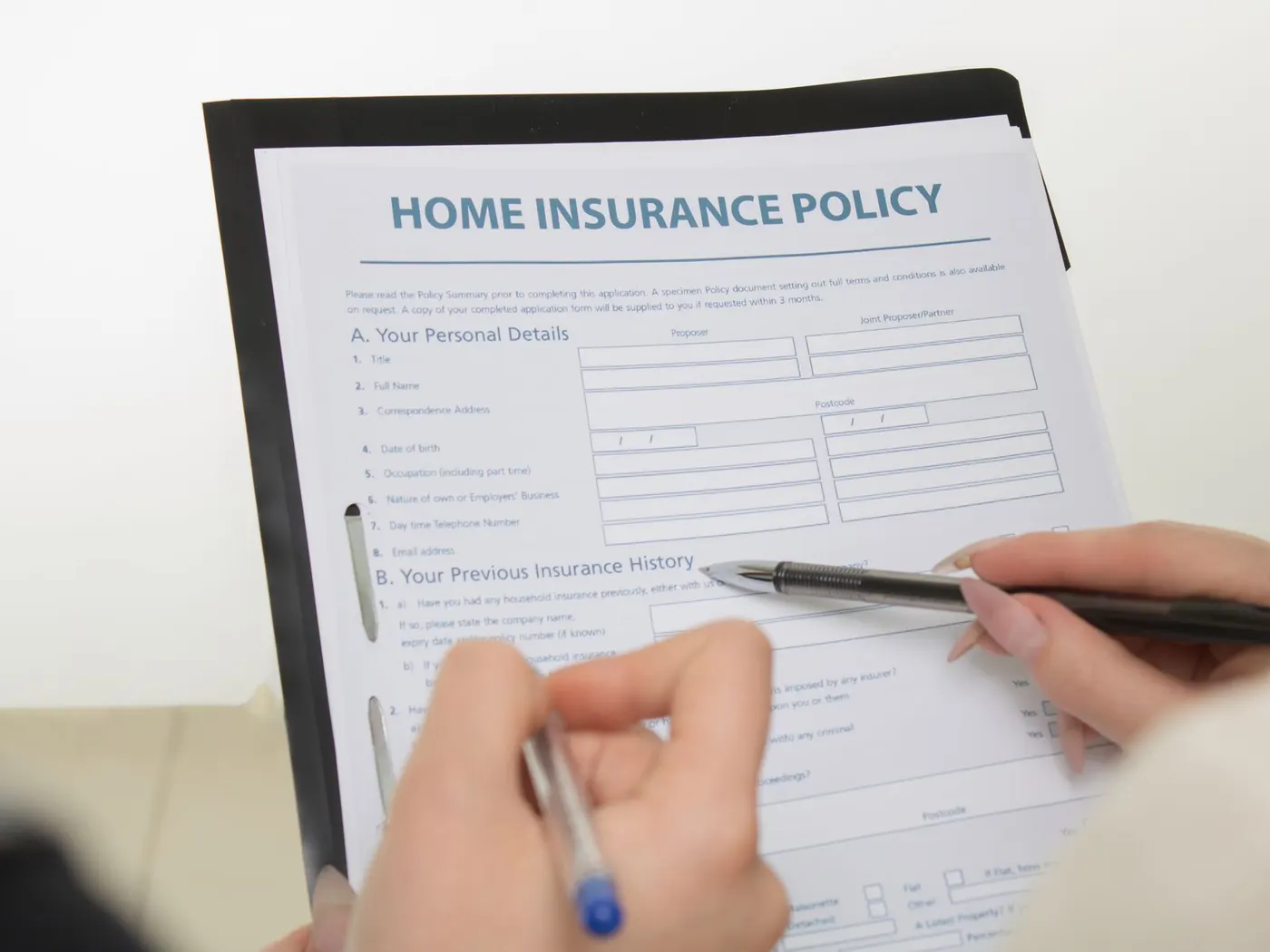
Storm damage is the job of your home insurance. A fixed solar system is generally covered under your buildings policy the same way your roof is, but only if the insurer knows it's there. The single most important thing you can do is formally declare your solar installation to your insurer, confirm it's covered for events like hail, lightning and storm damage, and check whether your sum insured needs adjusting to reflect the added value on your roof. Systems installed by a reputable company, with proper certification and a compliance certificate, are also far easier to insure and to claim on. We cover this in depth in our guide to solar and home insurance.
Why installation quality is the real protection
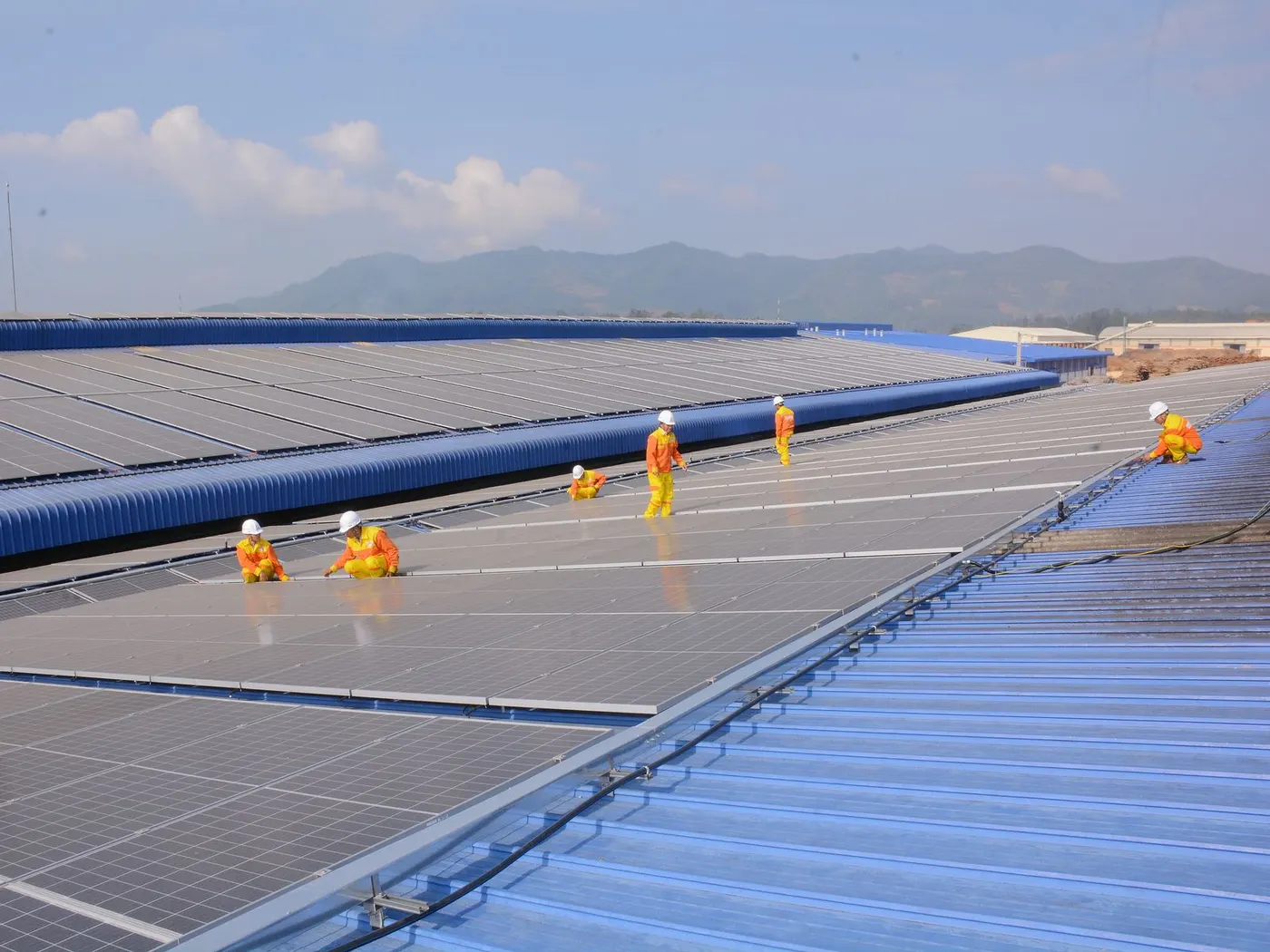
Notice the thread running through all of this: hail resistance comes from quality panels, surge protection from correct electrical design, wind resistance from proper mounting, and insurability from certified, compliant workmanship. Every layer of protection traces back to the equipment used and the standard of the installation. That's the strongest argument there is for going with a reputable installer rather than the cheapest quote.
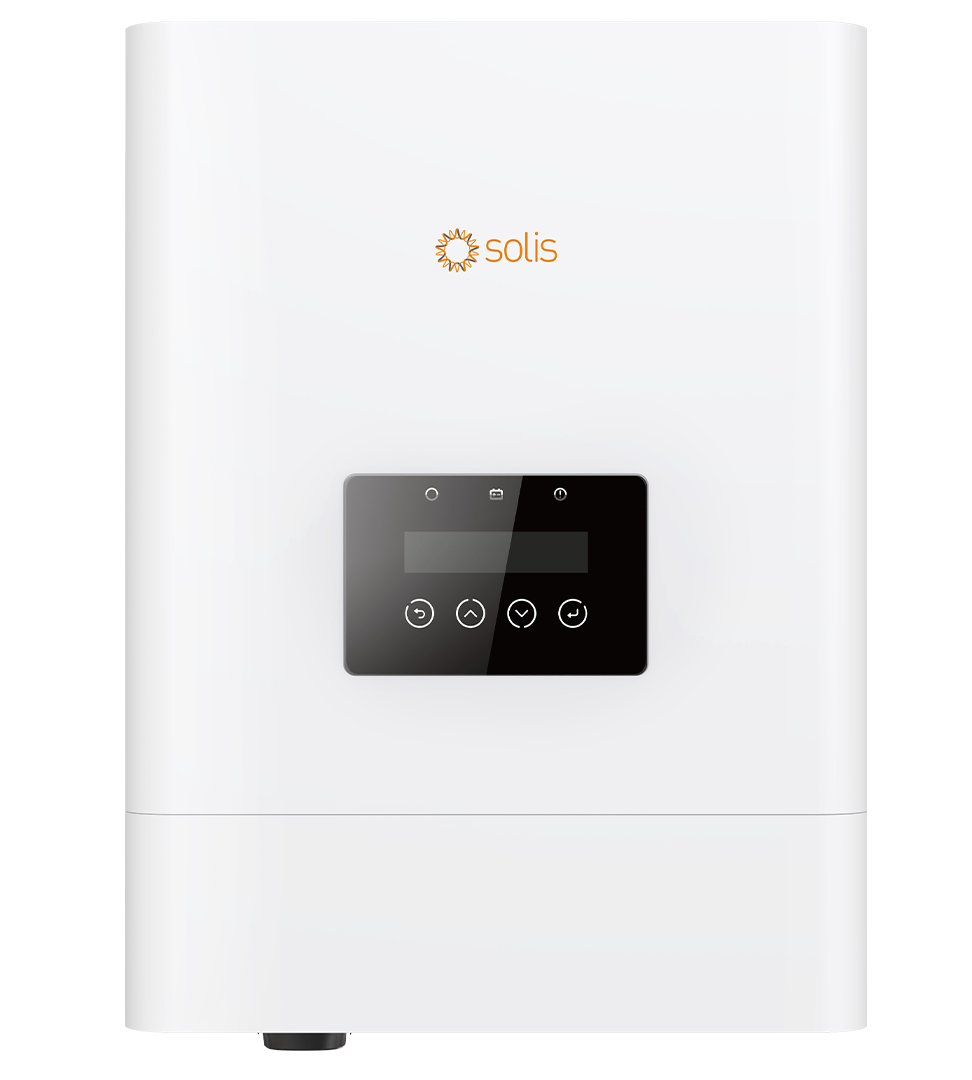
Alumo's current home packages use Solis inverters, Eenovance batteries and 615W panels. Whoever you use, ask the quote to show the surge protection and earthing, and check what the installation warranty covers. That's the foundation your insurance then sits on top of.
R1,418/mo · 3, 5 or 7 years
- • Solis 5kW inverter
- • Eenovance 5.32kWh battery · Runtime depends on connected appliances
- • 3 × 615W panels
Get a free quote →The bottom line
A quality solar system is built to live outdoors in South African weather, and protected properly, it will. Good panels survive the hail. Proper SPDs and earthing stop lightning surges from reaching your inverter. Solid mounting handles the wind. Certified, compliant installation makes the whole thing insurable, and declaring it to your insurer closes the loop on the risks no equipment can rule out. The systems that come to grief in storms are almost always the ones where one of those layers was skipped to save money.
To get a system installed to a standard that stands up to our weather, and is easy to insure, get a free Alumo quote → and a specialist will spec it with the right protection built in from the start.
Frequently asked questions
Will hail break my solar panels?
Usually not. Quality panels use toughened, tempered glass and are certified to withstand significant hail striking at speed, so ordinary South African hailstorms rarely damage them. Extremely large, freak hail can crack a panel, and cheap uncertified panels are far more vulnerable — another reason equipment quality matters.
Can lightning destroy my solar system?
A direct strike is rare, but the voltage surge lightning induces in nearby wiring is a real danger — it can travel through your cabling and destroy the inverter even if nothing is struck directly. Proper surge protection devices and correct earthing intercept that spike and divert it safely, which is why they're essential in a good installation.
Does my solar warranty cover storm damage?
No. Warranties cover manufacturing defects and premature performance loss, not damage from hail, lightning or storms. Storm damage falls under your home insurance. A fixed system is generally covered by your buildings policy, but only if you've declared it to your insurer and confirmed it's included at the right sum insured.
Do I need to tell my insurer about my solar system?
Yes, and it's important. A solar installation adds value to your property and needs to be declared so it's properly covered for events like hail and lightning. Systems installed by a reputable, certified company with a compliance certificate are easier to insure and to claim on. Check your cover and sum insured after installation.
Is SolarGuide the installer?
No. SolarGuide is an independent referral partner. Alumo supplies, installs, finances and warrants the systems, while we help you compare options and get a free quote. All pricing is indicative and subject to a site assessment and credit approval.
SolarGuide is an independent referral partner. We help you compare options and arrange a free quote — Alumo supplies, installs, finances and warrants the systems. Pricing is indicative, sourced from Alumo’s published catalogue, and subject to a site assessment and credit approval.