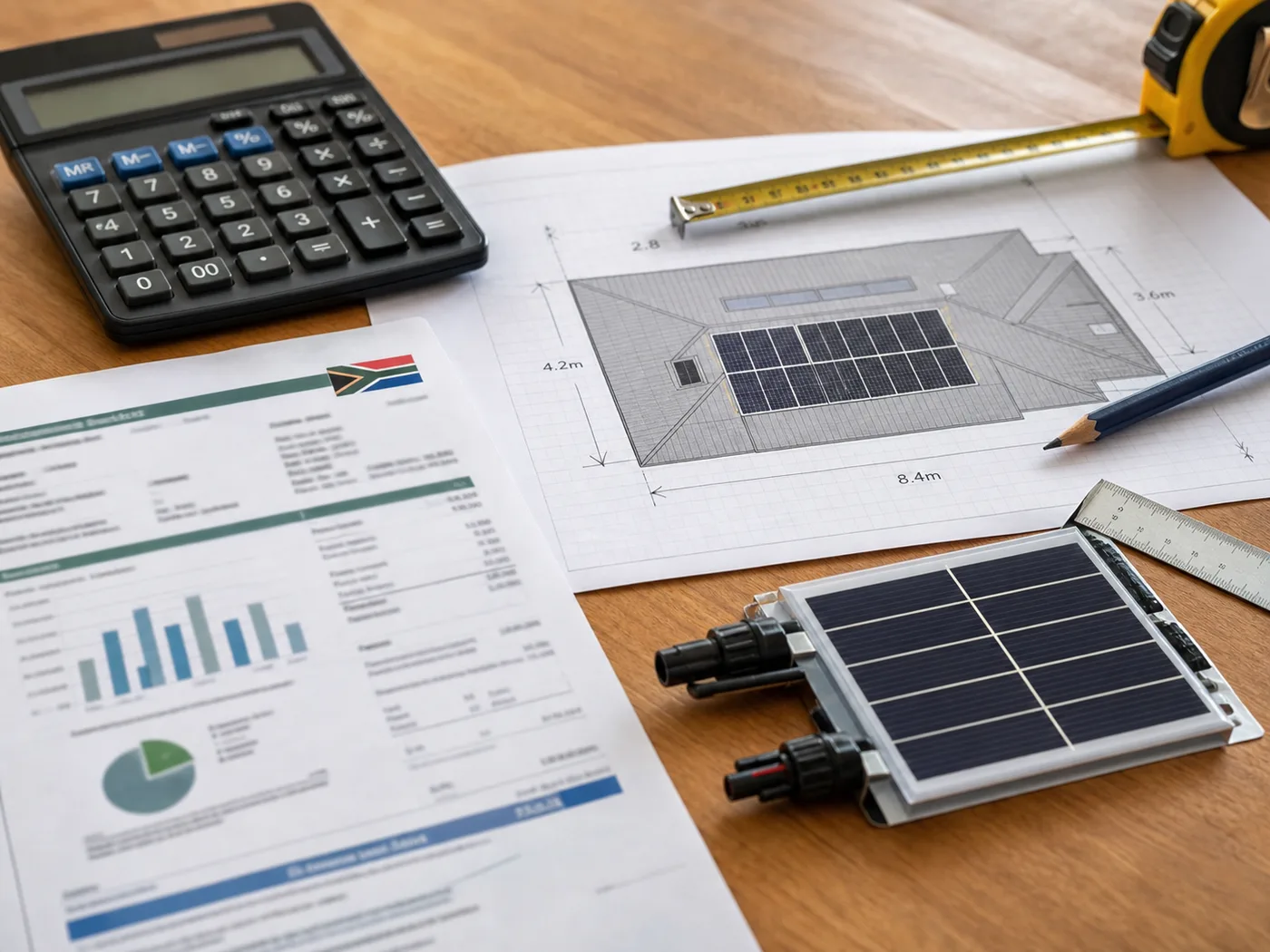
Use the calculator for an indicative starting point, then confirm the system against your roof, phase type, appliance loads and preferred backup level.
Every autumn the same worry surfaces: as the days shorten and the first cold front rolls in, people start wondering whether the solar system they're planning — or already have — will let them down over winter. It's a fair question, and the honest answer is nuanced. Solar absolutely works in a South African winter, and in some ways it works better. But your production does drop, and understanding exactly why and by how much is the difference between a system that carries you comfortably and one that leaves you short in July.
The reassuring part is that South Africa is one of the best-placed countries on earth for winter solar. Even in the depths of a Highveld June, we get more usable sunshine than much of Europe manages at the height of summer. The trick isn't hoping winter won't happen. It's sizing and setting up your system so the shorter, cooler days are already accounted for.
Key takeaways
Winter production drops mainly because the days are shorter, not because panels dislike the cold — panels actually work more efficiently in cool air.
The Highveld's clear, crisp winter days are excellent for solar; the Cape's wet winter is the harder season on the coast.
Shorter daylight plus higher evening demand (heating, lights on earlier) is the real winter squeeze, not panel performance.
A system sized for winter needs, not summer surplus, is what keeps you comfortable all year — so plan around the leaner months.
Why winter production actually drops
There's a common myth that solar panels struggle in the cold. The opposite is true: solar panels are electronics, and like most electronics they run more efficiently at lower temperatures. A cold, bright winter morning can see a panel producing at its absolute best. Heat, not cold, is what quietly robs summer output.
So if it's not the temperature, what changes? Three things, and they're all about the sun itself:
Shorter days. This is the big one. In midsummer you might get 13–14 hours of daylight; in midwinter closer to 10. Fewer hours of sun means fewer hours of generation, plain and simple.
A lower sun angle. In winter the sun tracks lower across the northern sky, so its light passes through more atmosphere and strikes fixed panels at a less-than-ideal angle. Both trim output.
Weather, regionally. This is where South Africa splits in two, which we'll come to next.
Add these up and a typical system produces meaningfully less in June and July than in December, often around a third less on a clear day, and more on an overcast one. That's normal and expected. What matters is that your system was sized with those leaner months in mind.
13–14 hrs
midsummer daylight
~10 hrs
midwinter daylight
~⅓ less
clear-day winter output
It depends where you live
South Africa doesn't have one winter — it has two very different ones, and they matter enormously for solar.
The interior: a winter solar sweet spot
Across the Highveld, Gauteng, the Free State and much of the interior, winter is the dry season. Day after day of crisp, cloudless blue sky. Cold mornings, yes, but brilliant sun — and remember, cold plus bright is close to ideal for a panel. If you're in Johannesburg, Pretoria or Bloemfontein, your winter days are often superb for generation. The shorter daylight still trims your daily total, but the sky itself is working in your favour.
The Cape and coast: the wetter challenge
The Western Cape flips the script. Its rain comes in winter, so June and July bring the grey, wet, wind-driven fronts that keep the sky overcast for days at a time. This is the harder season for solar in Cape Town and along the southern coast. Cloud, not cold, is the culprit. A well-sized system still performs, but the run of dull days means battery reserve and honest sizing matter more here than almost anywhere else.
Not sure which system you need?
Get a free, no-obligation quote sized to your home, usage and budget. It only takes a minute.
The real winter squeeze: production down, demand up
Here's the part people miss. Winter doesn't just cut your supply — it lifts your demand at the same time, and the two collide in the evening.
In winter it's dark by six, so the lights come on earlier and stay on longer. Heaters run. Everyone's inside, screens on, kettle going. Your household draws more, precisely during the long evening when your panels have already clocked off for the day. That's the winter pinch: less generation stored during a shorter day, feeding a bigger evening load. A system that sailed through summer on autopilot can feel tight in July if it was sized for the easy season.
This is exactly why the honest approach is to size for winter, not summer. A system built to cover your leaner June needs will have effortless surplus in December. One built around your summer figures may leave you topping up from the grid on cold evenings.
Setting your system up for the cold months
You can't extend the daylight, but you can make sure your system is ready for it:
Size for the lean season. Plan panel and battery capacity around winter production and winter demand, so the tightest month is still comfortable. Everything else in the year becomes surplus.
Get the panel angle right. A steeper tilt captures the low winter sun better. A good installer sets the angle to balance year-round yield with your winter needs — it's part of designing the system properly, not an afterthought.
Lean on gas for heat. Winter's heaters, kettles and geysers are the loads most likely to overrun a battery on a short-generation day. Shifting heat to gas keeps your stored solar for the electronics that actually depend on it.
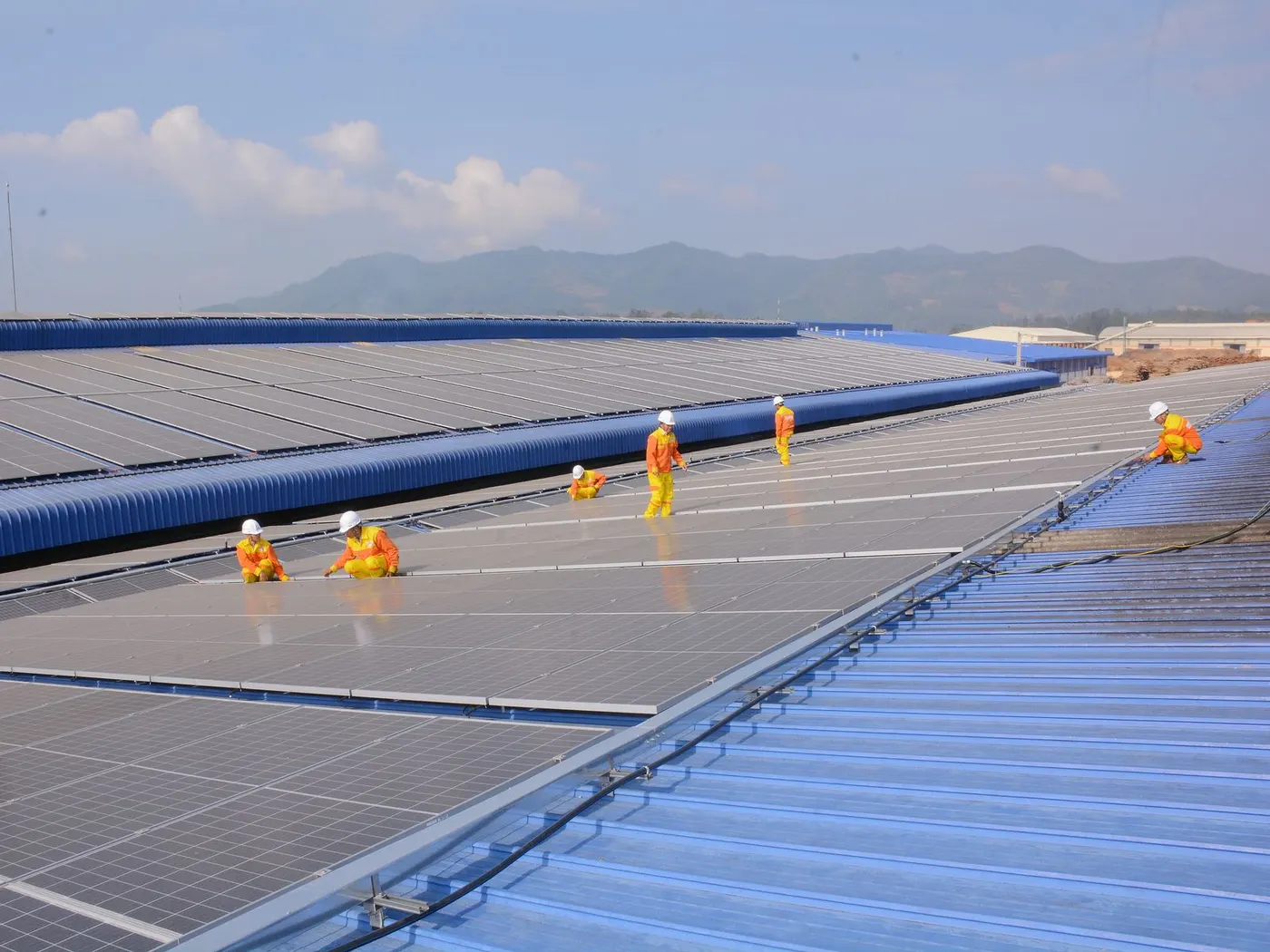
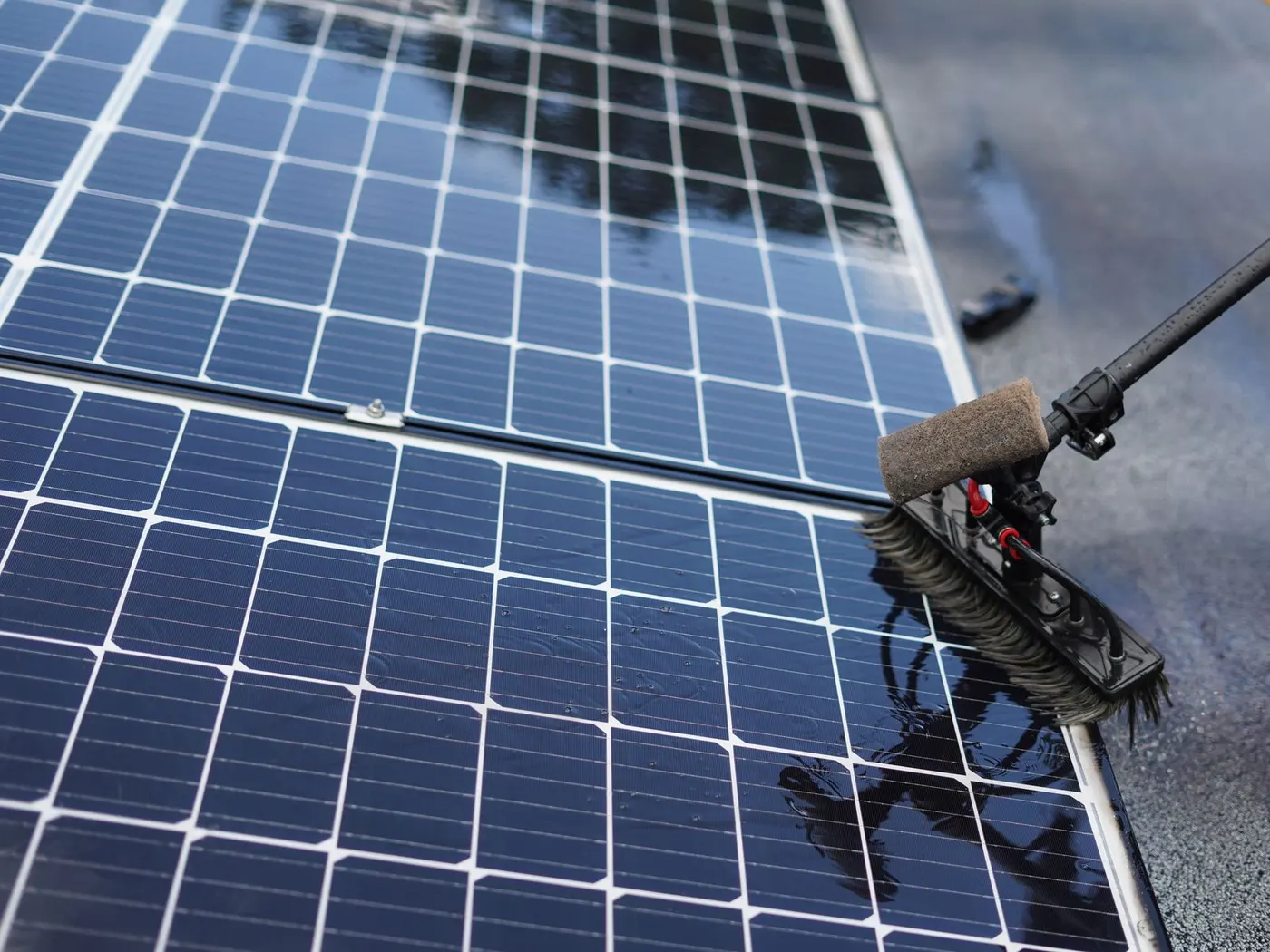
Keep panels clear. Winter brings dust in the dry interior and grime after coastal storms. A clean panel captures every bit of the limited winter light — a small maintenance habit with real payoff.
Do these and winter stops being a worry and becomes just another season your system handles.
Sizing it honestly
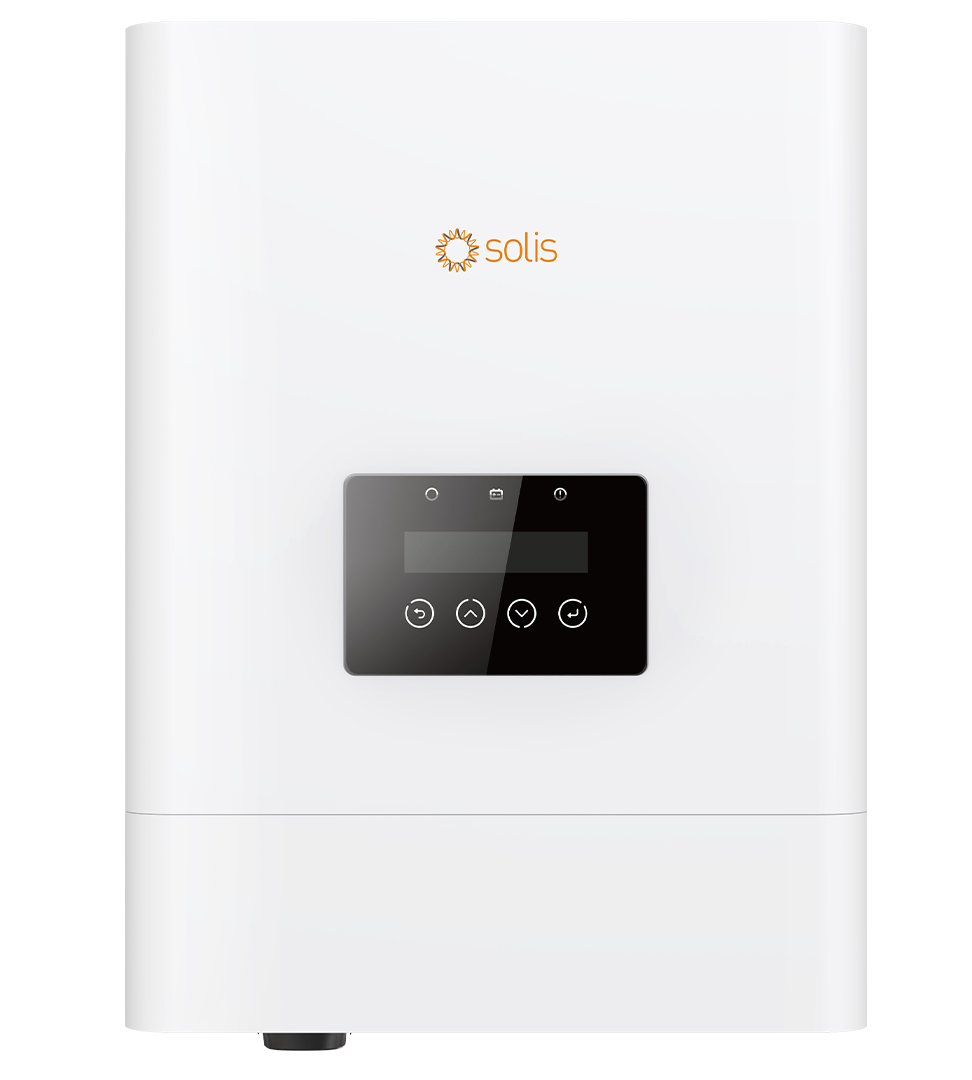
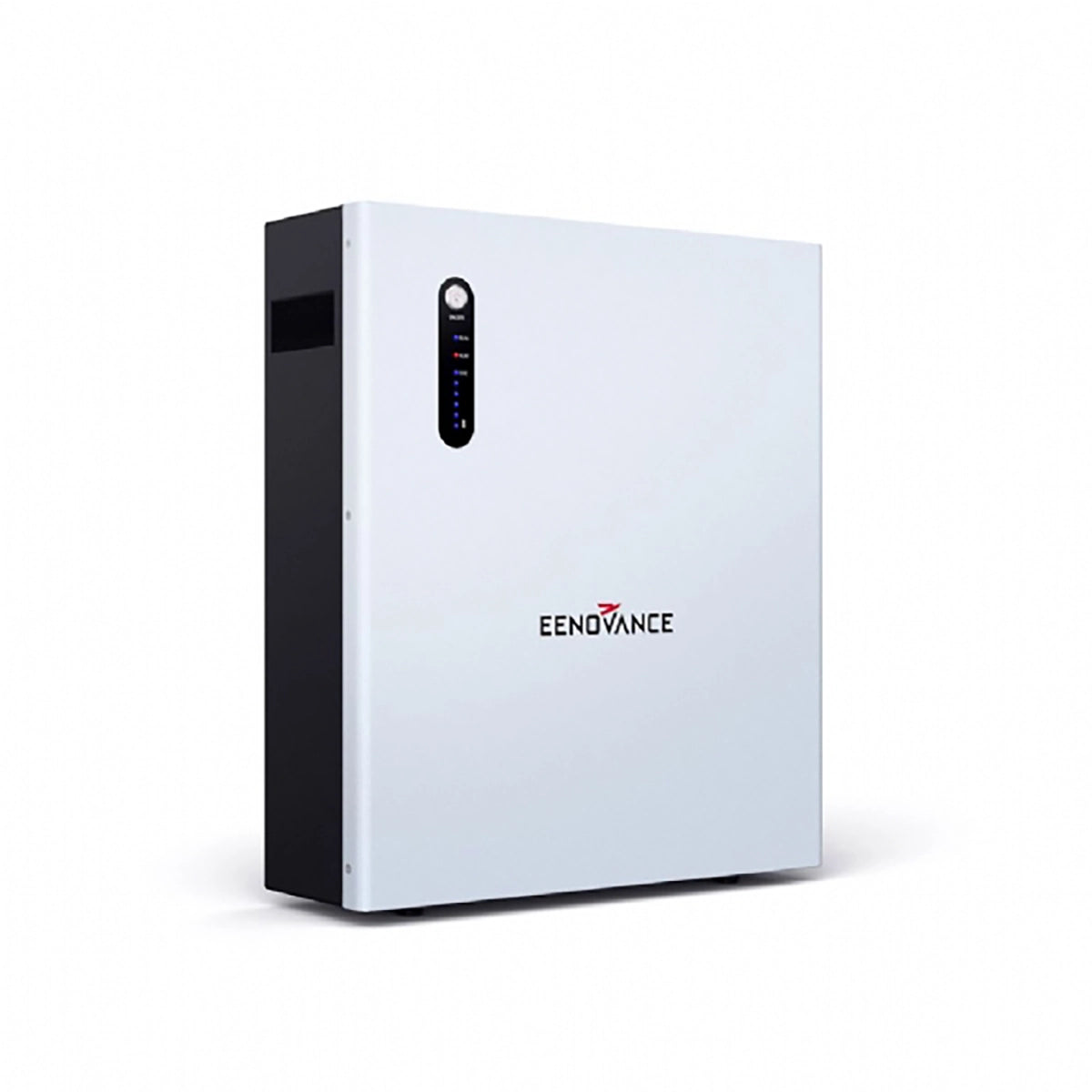
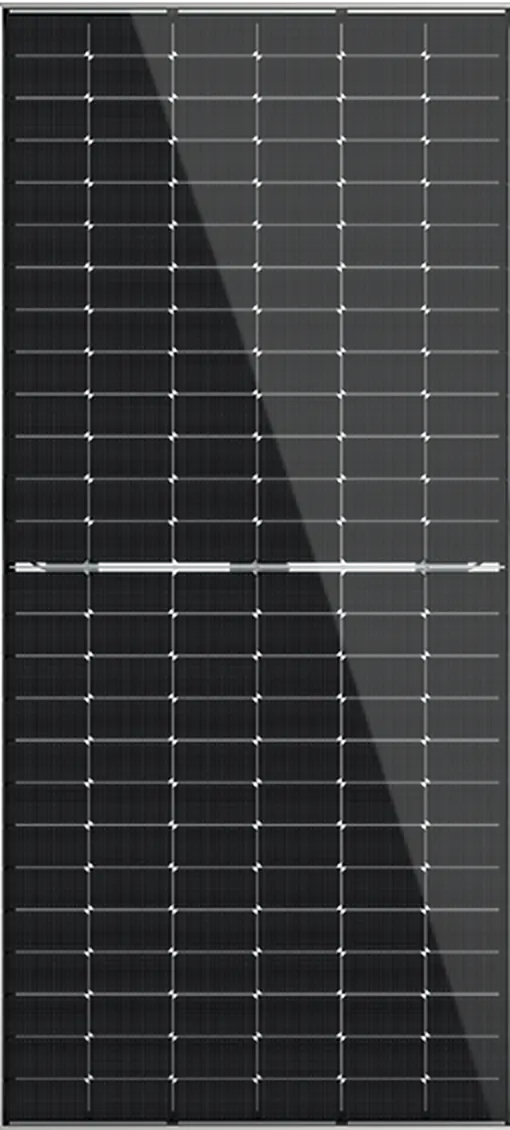
Alumo's current solar-plus-battery rent-to-own range uses a Solis 5kW inverter and Eenovance 5.32kWh battery: Watt-a-Deal has three 615W panels from R1,418/month, The Big Watt has four from R1,487/month, and The Power Bae has six from R1,626/month on a seven-year term. Three- and five-year prices, solar-only configurations and battery-only pricing are available on our current package comparison.
The right size for your home depends on where you live, how big your evening load is, and how much winter margin you want. A proper assessment settles it. Get a free quote → and a specialist will build the design around your leanest month.
Free tool
Estimate your system & savings
Move the slider to your monthly bill for an instant, indicative suggestion.
This is an indicative starting point. The site assessment and signed quote confirm the system, current price, equipment, savings and backup time. Rent-to-own payments increase by 6.5% each year.
The bottom line
Solar works in a South African winter — often brilliantly, especially inland. What changes is the quantity of sun, not the panels' willingness to use it. The households that never think twice about winter are simply the ones whose systems were sized around the leaner months from the start. Do that, and June and July become non-events.
To get a system designed around your region and your winter needs, get a free Alumo quote → and a specialist will size it so you're covered when the days are shortest, and swimming in surplus when they're long.
Frequently asked questions
Do solar panels work in winter in South Africa?
Yes. Panels actually run more efficiently in cool air, so cold isn't the problem. Production drops in winter mainly because the days are shorter and the sun sits lower in the sky, giving fewer hours of generation. South Africa still gets excellent winter sun, especially across the interior.
Why does my solar produce less in winter if panels like the cold?
Because it's about daylight, not temperature. Winter days are several hours shorter and the sun tracks lower, so there's simply less sunlight to harvest even though each cool, bright hour is efficient. On a clear winter day production is often around a third lower than in midsummer.
Is winter worse for solar in Cape Town than in Johannesburg?
Generally yes. The interior — Johannesburg, Pretoria, Bloemfontein — has a dry, sunny winter that's excellent for solar. The Western Cape gets its rain in winter, so overcast, wet fronts make June and July the harder season for generation on the coast. Honest sizing and battery reserve matter more there.
How do I make sure my system copes with winter?
Size it around winter production and winter evening demand rather than summer, set the panel tilt to capture the low winter sun, use gas for heavy heating loads, and keep panels clean. A system planned for the leanest month stays comfortable all year and runs in surplus through summer.
Is SolarGuide the installer?
No. SolarGuide is an independent referral partner. Alumo supplies, installs, finances and warrants the systems, while we help you compare options and get a free quote. All pricing is indicative and subject to a site assessment and credit approval.
SolarGuide is an independent referral partner. We help you compare options and arrange a free quote — Alumo supplies, installs, finances and warrants the systems. Pricing is indicative, sourced from Alumo’s published catalogue, and subject to a site assessment and credit approval.