What a solar geyser actually includes
When someone says “solar geyser”, they may mean the tank only, the roof collector only, or a complete system. Ask which one before treating a price as useful.
A complete installation normally has:
- an insulated hot-water cylinder;
- flat-plate collectors or evacuated tubes;
- a circulation method, which may be direct or use a heat-transfer fluid;
- mounting hardware and roof penetrations;
- hot- and cold-water plumbing between the roof and cylinder;
- insulation, valves and safety components;
- an electric backup element or another backup arrangement; and
- labour, commissioning and a warranty path.
That list is why two pages advertising a “solar geyser for sale” can sit far apart on price. One may be a supply-only cylinder. The other may include a complete installed system with roof access, new plumbing and a backup element. Read the inclusions before deciding that one supplier is cheaper.
100L, 150L or 200L: which size makes sense?
The litre rating is the amount of hot water the cylinder stores. It is a useful starting point, but it is not a simple “one person equals X litres” equation. The right choice depends on the number of people, shower habits, bath use, water temperature, collector size, recovery time and whether the electric backup is available during cloudy weather.
100-litre geysers
A 100L system can suit a small household, a flat or a property with modest hot-water demand. It has less stored energy, so consecutive showers and large baths use a bigger share of its capacity. It can be a sensible compact option where roof space and demand are limited, but a low purchase price is not a saving if the tank is too small for the people using it.
150-litre geysers
A 150L system sits in the middle and may suit a couple or a smaller family, depending on usage. It is often a practical compromise where the household wants more resilience than a compact cylinder provides without moving to the space and cost of a larger tank.
200-litre geysers
A 200L system provides more stored hot water for a family, guest accommodation or a home with heavier morning and evening demand. It also weighs more when full, so the roof structure, mounting method and installation position matter. The larger tank is not automatically better if the collector array, plumbing or household demand is not designed around it.
The useful question is not “what is the cheapest 200L geyser?” It is “what complete system produces enough hot water for this household, with a sensible backup plan, on this roof?”
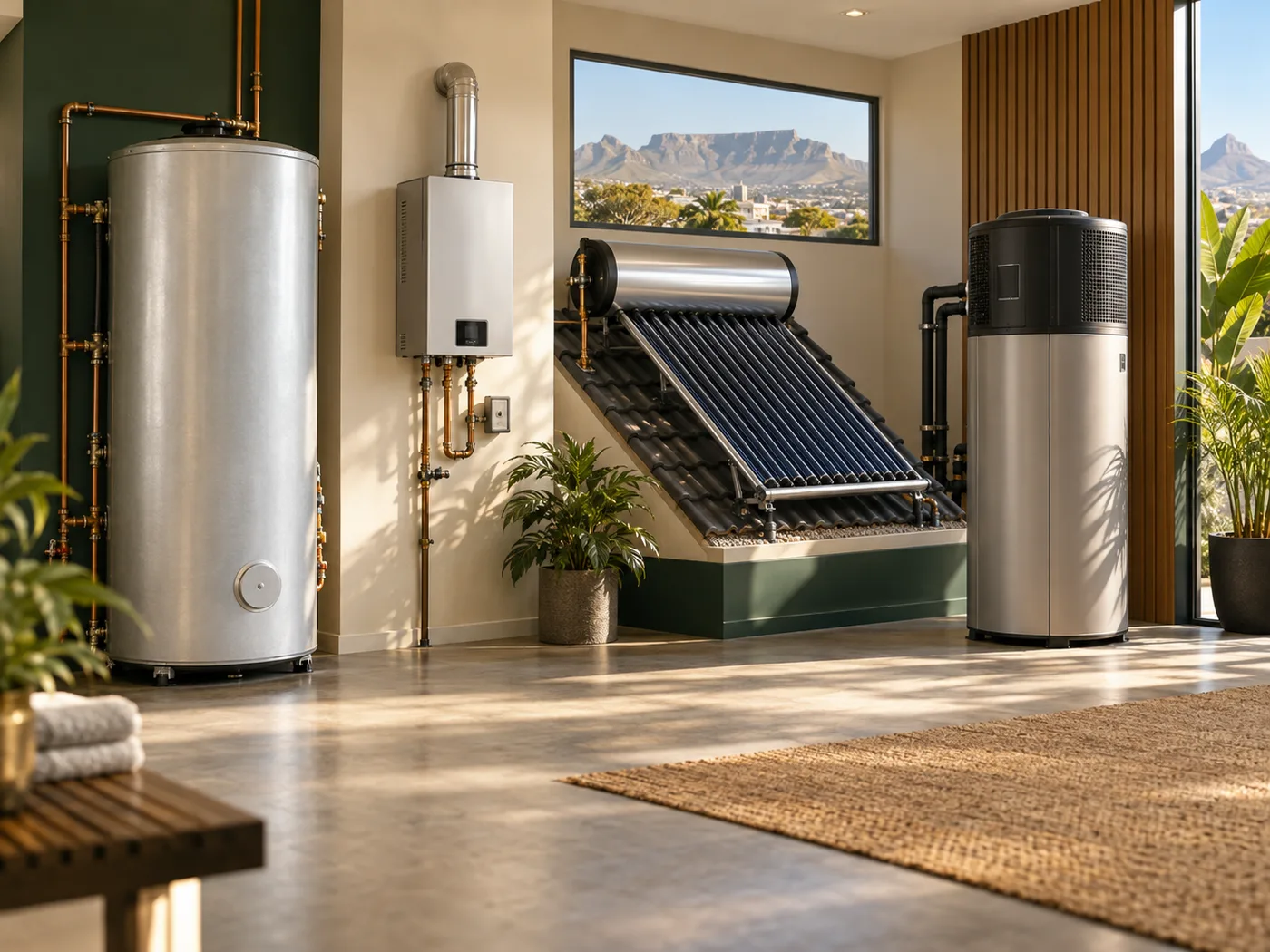
Solar geyser versus heat pump
These technologies are often grouped together because they both reduce the cost of heating water. They do it in different ways.
A solar geyser collects heat from sunlight and transfers it to water stored in the cylinder. Its running cost can be very low when the system is correctly specified and the weather is favourable. The trade-offs are roof orientation, collector area, hot-water plumbing, shading and the need for electrical backup during cold or cloudy periods.
A heat pump uses electricity to move heat from the surrounding air into the water. It is not a solar geyser, but it can use substantially less electricity than a conventional element for the same hot-water job. It can also be easier to integrate where the home already has a suitable geyser and limited roof space. The unit has its own installation, controls, noise and maintenance considerations.
The better option depends on the property. A sunny roof with suitable structure may favour solar water heating. A shaded roof, an existing cylinder or a home already planning solar PV may make a heat pump more practical. Ask for the annual energy assumption behind the recommendation, not just the equipment name.
Solar geyser versus solar PV
Solar PV makes electricity. A solar geyser heats water. They should not be treated as interchangeable.
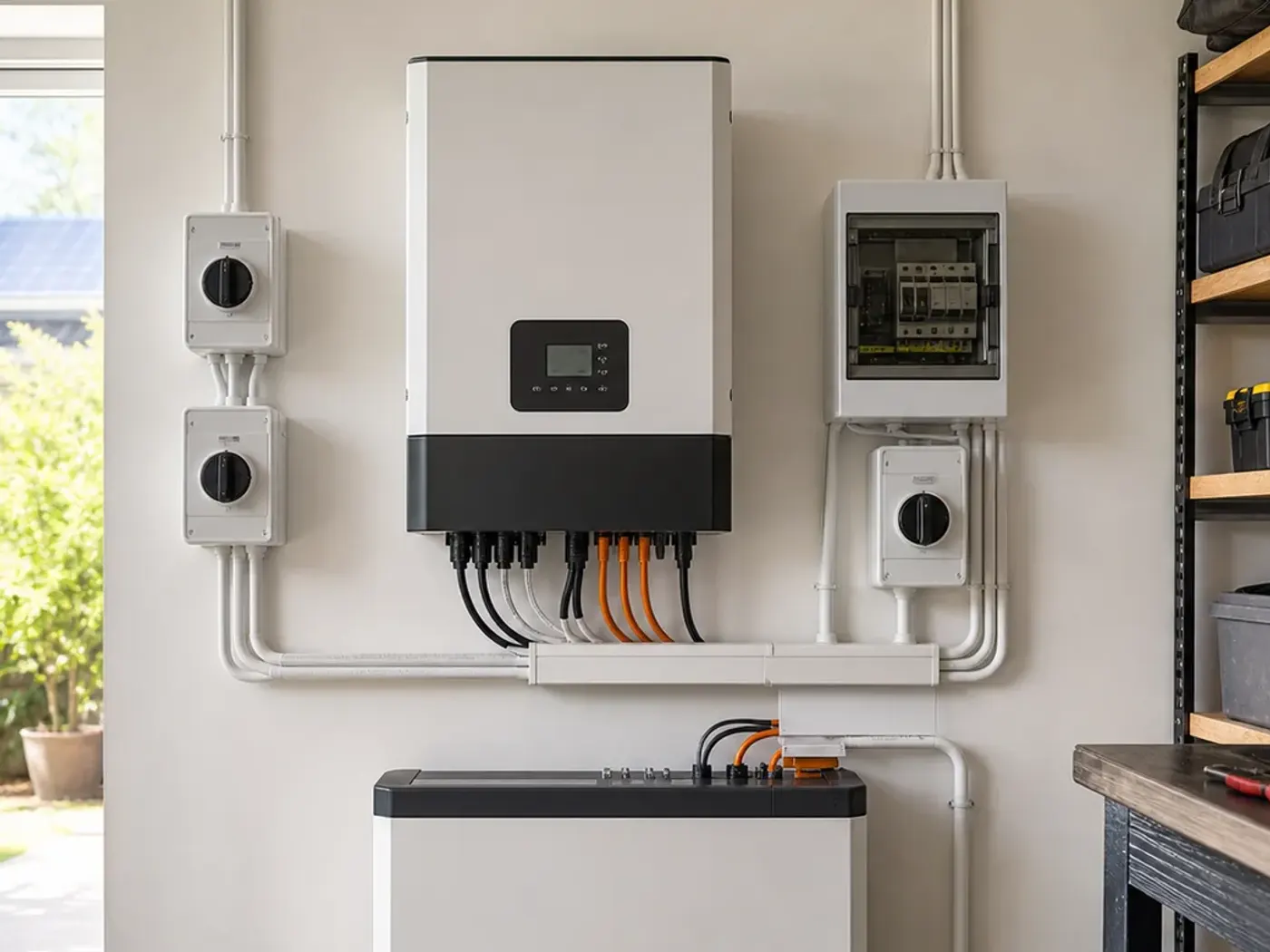
If your main problem is an electricity bill and your biggest controllable load is the geyser, solar water heating can be a focused intervention. If your main problem is load-shedding, a solar geyser will not keep the lights, Wi-Fi, fridge or security system running. You need an electrical backup system, normally an inverter and battery, for that job.
Some homes benefit from both. A dedicated hot-water system can reduce the demand placed on the PV battery, while PV can cover the rest of the home. Other homes are better served by PV plus an efficient heat pump, especially where the hot-water system can be scheduled to operate during solar production.
For the full technology comparison, see our guide to solar geysers versus solar PV and our explanation of how solar power works in South Africa.
What should be on a solar geyser quote?
Before you compare the price, ask for these details in writing:
- Cylinder size and make. Confirm whether it is 100L, 150L or 200L, and whether the quoted product is new.
- Collector type and area. Flat plates and evacuated tubes behave differently in different installations. The quote should identify the model or at least the collector specification.
- Backup element. Ask how the water is heated when the weather is poor and whether the element is controlled by a timer or thermostat.
- Roof and plumbing work. Confirm the number of roof penetrations, pipe runs, insulation, access equipment and making-good work.
- Electrical and safety work. The installation should identify isolators, protection, pressure control and any electrical compliance documents that apply.
- Warranty split. There may be separate warranties for the cylinder, collector, controls, workmanship and installation. Ask who handles each claim.
- Maintenance. Clarify what should be checked, how often sacrificial anodes or valves need attention, and whether servicing is included.
- Backup and winter assumptions. A responsible quote explains expected performance rather than promising the same hot-water output every day of the year.
The cheapest quote is often the one with the most omissions. A fair comparison puts the equipment, labour, controls, backup and warranty beside one another.
Can a solar geyser help during load-shedding?
It can leave you with hot water if the system has heated the cylinder, but it does not generate electricity. You will not be able to run lights or appliances from a solar geyser.
If hot water during an outage matters, ask whether the electric backup element is connected to a backed-up circuit. That arrangement has a cost: heating a geyser is a heavy electrical load, and running it from a battery may require a larger inverter and more storage. In many homes it is more economical to heat water in the daytime and keep the battery for essential loads.
The buying decision in plain English
Choose solar water heating first when your priority is reducing hot-water energy use, the roof and plumbing suit it, and you already have a plan for outages. Choose a heat pump when you want efficient electric water heating and the property is a better fit for that equipment. Choose solar PV with a battery when load-shedding and whole-home electricity use are the main problem.
There is no honest national price for “a solar geyser” without knowing what is being installed. Request a written, itemised quote and compare the system that will actually be commissioned, not the lowest number in a search result.
When you contact a supplier, mention the cylinder size, roof type, household size and hot-water pattern so the quote starts from the right information. Ask for the product model, installation scope and warranty in writing.
Frequently asked questions
How much does a solar geyser cost in South Africa?
There is no single reliable price because the total depends on cylinder size, collector type, roof access, plumbing, controls, backup and installation. Supply-only prices are not comparable with a complete installed system. Ask for an itemised quote with equipment, labour, warranty and backup listed separately.
Is a 200-litre solar geyser better than a 150-litre system?
Not automatically. A 200L cylinder stores more hot water, but it also needs suitable collector capacity, mounting and roof structure. A correctly sized 150L system can be a better fit for a smaller household than an oversized 200L installation.
Is a heat pump better than a solar geyser?
It depends on the property and the goal. A solar geyser uses sunlight directly, while a heat pump uses electricity efficiently to move heat from the air. Roof space, shading, existing equipment, noise, maintenance and the price of electricity all influence the decision.
Will a solar geyser run my home during load-shedding?
No. It heats water but does not generate household electricity. For lighting, refrigeration, Wi-Fi and other appliances during an outage, you need a suitable inverter and battery system.
Can SolarGuide arrange a solar geyser installation?
Solar geyser availability and installation requirements vary by property and supplier. Confirm the product, installation scope and warranties directly with a qualified provider.
Product availability, pricing, installation requirements and warranty terms should be confirmed with a qualified supplier before you buy.