It's one of the most common questions from South Africans dipping a toe into solar: should I put in a solar geyser or a solar PV system? They sound like the same thing, and both have "solar" in the name, but they solve completely different problems. Confuse them and you can end up disappointed. A solar geyser won't keep your wifi on during load-shedding, and a PV system that heats your water off a battery is a wasteful way to make a cup of tea.
The good news is that once you understand what each one does, the decision gets clear fast. It usually comes down to a single question: is your biggest frustration the electricity bill, or is it the load-shedding? This guide lays out the difference plainly, so you can pick the right first step for your home and your budget.
Key takeaways
A solar geyser heats water using the sun's heat. It does nothing for load-shedding.
Solar PV makes electricity to run your whole home and, with a battery, keeps you on through blackouts.
Water heating is the single biggest electricity load in most SA homes, so tackling it saves a lot.
If your pain is load-shedding, PV with a battery is the answer; if it's purely the bill, a geyser is a cheap win.
Many homes end up doing both, and a good PV design accounts for how you heat water.
Get a free solar quote
Share your average electricity bill and we will arrange a free, no-obligation quote sized to your home and budget. Compare rent-to-own, subscription and outright options.
Mon–Fri 8am–5pm · Sat 8am–1pm · Free quote across South Africa
Two different technologies, two different jobs
What a solar geyser does
A solar geyser (solar water heating) uses the sun's heat directly. Panels or evacuated tubes on the roof warm water, or a fluid that transfers heat to your water, which is then stored in an insulated tank. No electricity is generated anywhere in the process. It's a heat machine, pure and simple, and it does one job: hot water from free sunshine instead of your geyser's electric element.
Because it targets water heating specifically, a solar geyser attacks what is, for most South African households, the hungriest appliance in the house. Your electric geyser quietly accounts for a big slice of your monthly bill. Displace most of that with sunshine and the saving on your water-heating costs is substantial.
What solar PV does
Solar PV (photovoltaic) panels make electricity. That power runs everything in your home, from lights and plugs to the fridge, the TV and the wifi, and when paired with a battery and a hybrid inverter, it keeps those things running when Eskom drops. PV is the general-purpose solution. It handles your whole electricity supply and your load-shedding problem at once, rather than one appliance.
The trade-off is that PV is a bigger, more expensive system, because it's doing a much bigger job.
The key difference: load-shedding
This is the fork in the road, and it's worth being blunt about it. A solar geyser does absolutely nothing for load-shedding. When the grid goes down, a solar geyser home still loses its lights, wifi, fridge and everything else. You'll have hot water, but you'll be enjoying it in the dark.
Only solar PV with a battery keeps your home powered through a blackout. If the thing that makes you grind your teeth is the grid going off during dinner, the kids' homework and your work-from-home calls, no amount of solar water heating will fix that. You need PV. That one fact settles most people's decision on its own.
Not sure which system you need?
Get a free, no-obligation quote sized to your home, usage and budget. It only takes a minute.
A solar geyser is far cheaper than a full PV system because it's a smaller, simpler, single-purpose install. It also targets your biggest electrical load, so the saving relative to its cost is excellent. For a household whose only real goal is to cut the bill, and who can live with load-shedding, a solar geyser is one of the highest-return solar purchases available. It's often the sensible first move for a tight budget. Our geyser cost calculator works out what yours uses and costs each month.
PV: bigger spend, bigger job
Solar PV costs more because it's replacing far more of your grid dependence and adding backup power. But it also does far more: whole-home savings and load-shedding immunity together. You're not comparing like with like on price. You're comparing a focused tool with a complete solution. The right lens isn't "which is cheaper" but "which problem am I actually trying to solve".
Don't forget the heat pump
There's a third option worth knowing about: a heat pump, which heats water using electricity but far more efficiently than a standard element, using a fraction of the energy for the same hot water. Heat pumps pair well with a PV system, because they let you heat water electrically without hammering your panels and battery. For many homes going the PV route, a heat pump is a smarter partner than heating water with an old-fashioned element off the battery.
How to decide your first step
Ask yourself what's really driving you:
"My bill is too high, but I can cope with load-shedding." Start with a solar geyser (or a heat pump). It's the cheapest way to knock down your biggest single load, and you can always add PV later.
"Load-shedding is ruining my life." Go straight to solar PV with a battery. A geyser won't touch this problem; you need electricity and backup.
"I want the bill down and the lights to stay on." You want PV, and you should decide how to handle hot water as part of that design, often a heat pump or a dedicated solar geyser alongside the PV, so you're not wasting battery energy heating water.
Where to start with PV
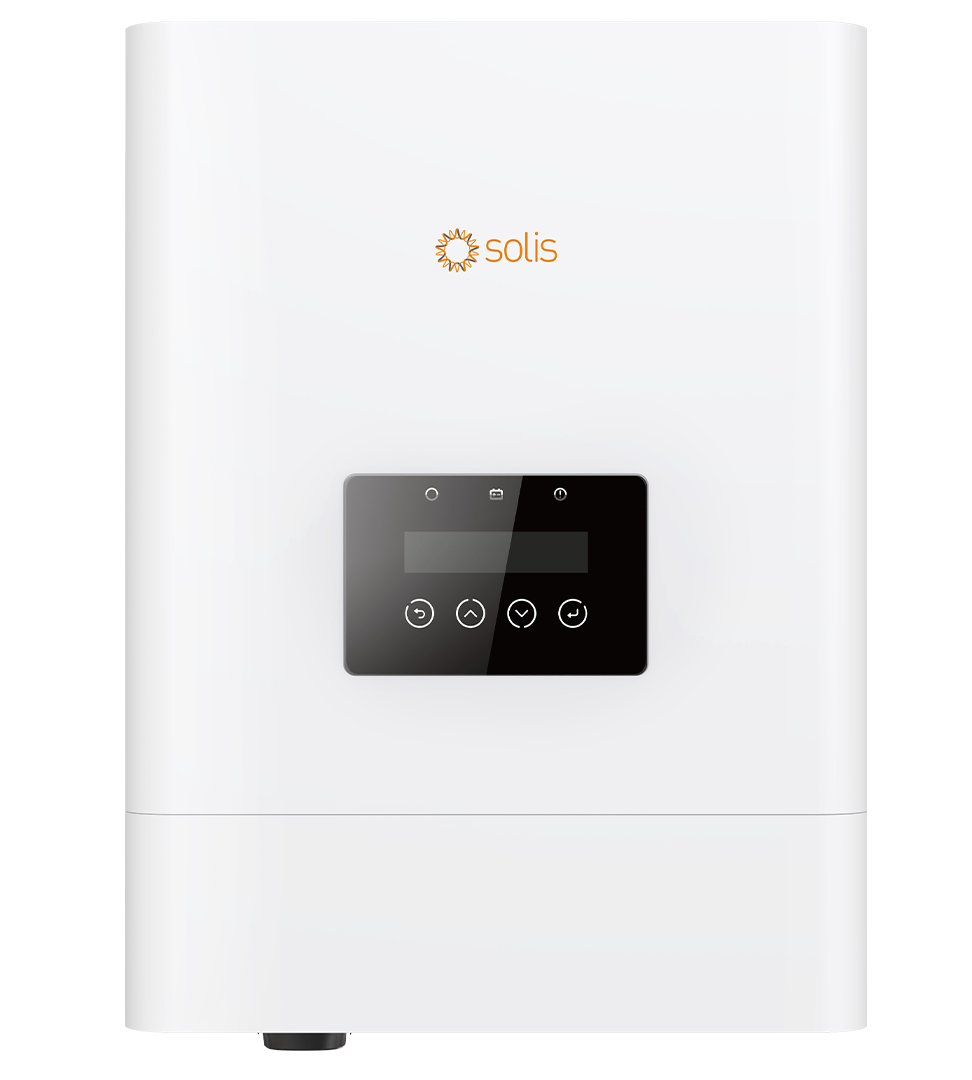
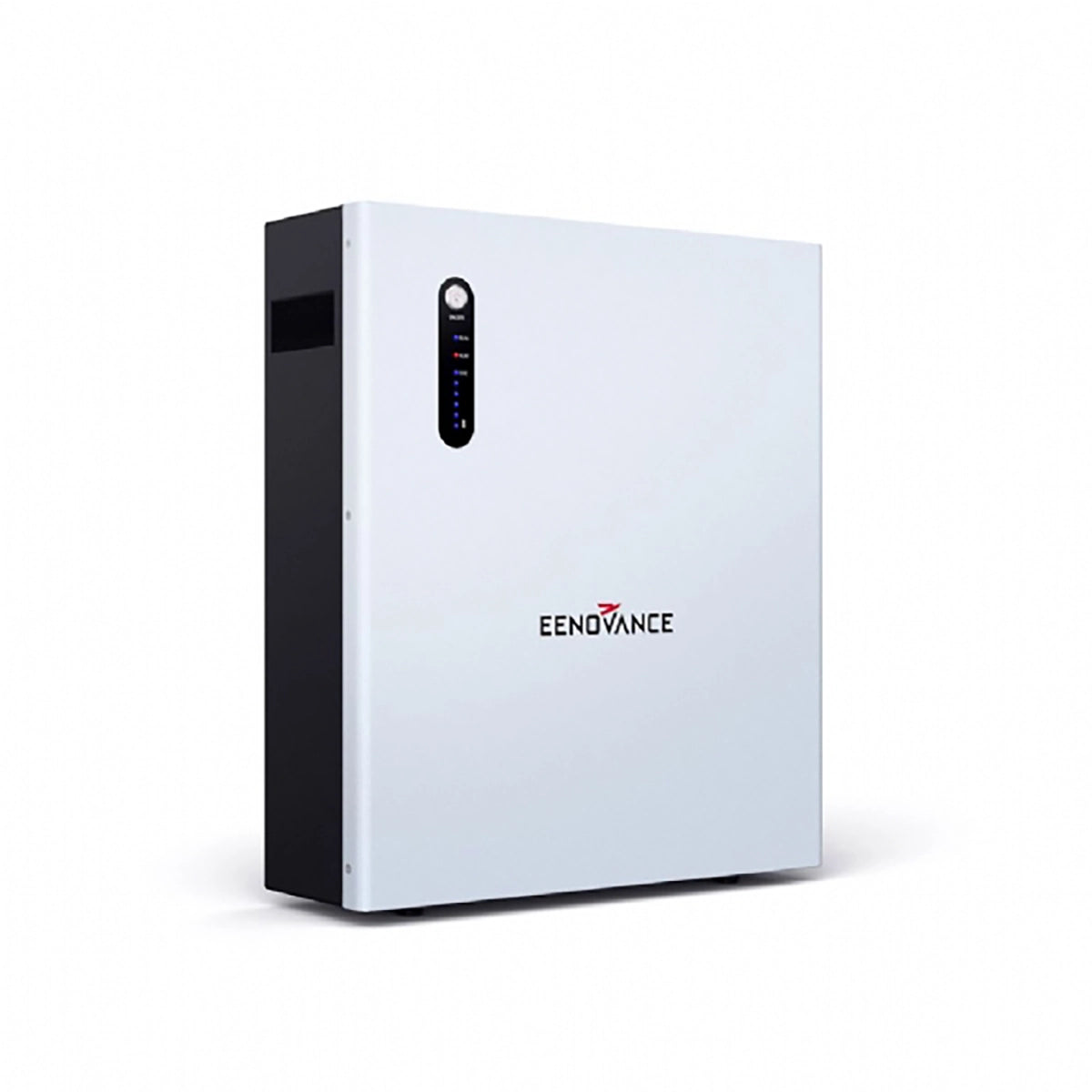
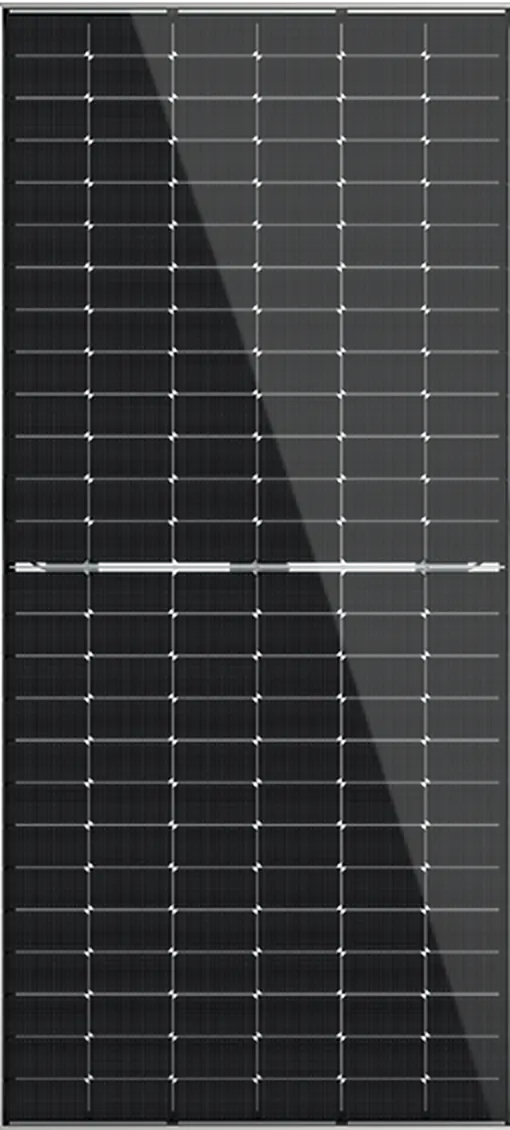
Alumo's current solar-plus-battery rent-to-own range uses a Solis 5kW inverter and Eenovance 5.32kWh battery: Watt-a-Deal has three 615W panels from R1,418/month, The Big Watt has four from R1,487/month, and The Power Bae has six from R1,626/month on a seven-year term. Three- and five-year prices, solar-only configurations and battery-only pricing are available on our current package comparison.
A larger home, or one that wants more backup runtime and headroom to add loads later, might step up to The Power Bae and its six panels. The right size depends on your usage and how much of the house you want to keep alive during an outage. Get a free quote → and let a proper assessment match the system to your home.
The honest bottom line
Neither technology is "better." They answer different questions. A solar geyser is a cheap, brilliant way to slash your hot-water bill if load-shedding isn't your main gripe. Solar PV is the complete answer if you want whole-home savings and to stay powered through blackouts. Plenty of households end up with both, and the smartest PV designs think about water heating from the start. Figure out which pain is louder for you, and your first step becomes obvious. Get a free quote → if you'd like help weighing it up for your home.
Free tool
Estimate your system & savings
Move the slider to your monthly bill for an instant, indicative suggestion.
This is an indicative starting point. The site assessment and signed quote confirm the system, current price, equipment, savings and backup time. Rent-to-own payments increase by 6.5% each year.
Frequently asked questions
Will a solar geyser help during load-shedding?
No. A solar geyser only heats water using the sun's heat — it generates no electricity, so it can't keep your lights, wifi or fridge on when the grid goes down. If load-shedding is your main concern, you need solar PV with a battery, not a solar geyser.
Which saves more money, a solar geyser or solar PV?
It depends what you're measuring. A solar geyser is cheaper and targets your biggest single electrical load (water heating), so its saving relative to cost is excellent. Solar PV costs more but cuts your whole-home electricity use and adds load-shedding backup, so it saves across everything. They're really solving different problems, so compare them by the problem you want fixed, not by price alone.
Can solar PV heat my water too?
Yes, but heating water with battery-stored PV can be wasteful. A far more efficient approach is to pair PV with a heat pump, which heats water electrically using a fraction of the energy of a standard element, or to add a dedicated solar geyser alongside the PV. That keeps your battery free for lights, electronics and other essentials.
What's the difference between a solar geyser and a heat pump?
A solar geyser uses the sun's heat directly to warm water, with no electricity involved. A heat pump uses electricity but very efficiently — extracting heat from the surrounding air — to heat water for a fraction of what a standard geyser element uses. Heat pumps work day or night and pair well with a PV system; solar geysers rely on sunshine but have no running cost at all.
Who supplies and installs these systems?
Alumo supplies, installs, finances and warrants the systems, and can advise on the best combination of PV, battery and water heating for your home. SolarGuide is an independent referral partner — we help you compare options and get a free quote. All pricing is indicative and subject to a site assessment and credit approval.
SolarGuide is an independent referral partner. We help you compare options and arrange a free quote — Alumo supplies, installs, finances and warrants the systems. Pricing is indicative, sourced from Alumo’s published catalogue, and subject to a site assessment and credit approval.