How a lithium battery fire starts
A lithium battery fire is different from an ordinary electrical fire. The UK government's 2020 research paper on domestic battery energy storage systems explains the process. Each cell must be kept within the manufacturer's limits for voltage, current and temperature. Outside those limits, the materials inside the cell can start to break down and release heat. Once that heat speeds up the breakdown, the result is thermal runaway: a rapid rise in temperature and pressure that can vent flammable, toxic gas, cause flames and spread to neighbouring cells.
The usual triggers are well known: overcharging, a short circuit, physical damage, a manufacturing defect inside a cell, or sustained high temperature. That is why the battery management system (BMS) matters so much. The same report describes the BMS as having "a central role in keeping cells within their operating window", and notes that the safety standards include specific tests for it.
How often does it happen in homes? The UK report found "few recorded fires involving domestic lithium-ion battery storage systems", so its authors had to draw on failures in other products. We found no South African fire statistics that separate home solar batteries from other battery fires, so we don't quote a number.
Fire and Rescue NSW, an Australian fire service, lists the warning signs of a failing battery: discolouration, blistering, bulging or swelling of the casing; heating up and feeling extremely hot to touch; and abnormal popping, hissing or crackling sounds, smoke or fumes. On a home battery, add inverter or app alarms for cell temperature or voltage imbalance. Any of these is a reason to call your installer.
Is LiFePO4 safe? LFP vs NMC
Lithium-ion is a family of chemistries, not one. The UK report names the common cathode types: NMC (nickel manganese cobalt), NCA (nickel cobalt aluminium), LCO (lithium cobalt oxide, common in phones and laptops) and LFP (lithium iron phosphate). LFP has a lower voltage and a lower energy density than the others.
That lower energy density is part of its safety advantage. The report cites a DNV GL study that found cells with LiFePO4 and titanate chemistries "had a lower HRR and lower flammability" than other chemistries, where HRR is the heat release rate of a fire. It adds an important qualifier: in the context of a whole battery pack fire, the chemistry "did not have a significant impact". It also states plainly that "all Li chemistries are susceptible to catastrophic failures and need active safety precautions".
So the fair summary is this. LFP is the more forgiving chemistry and the right one for a battery that lives in your home, but pack design, the BMS, certification and installation decide most of the real-world risk.
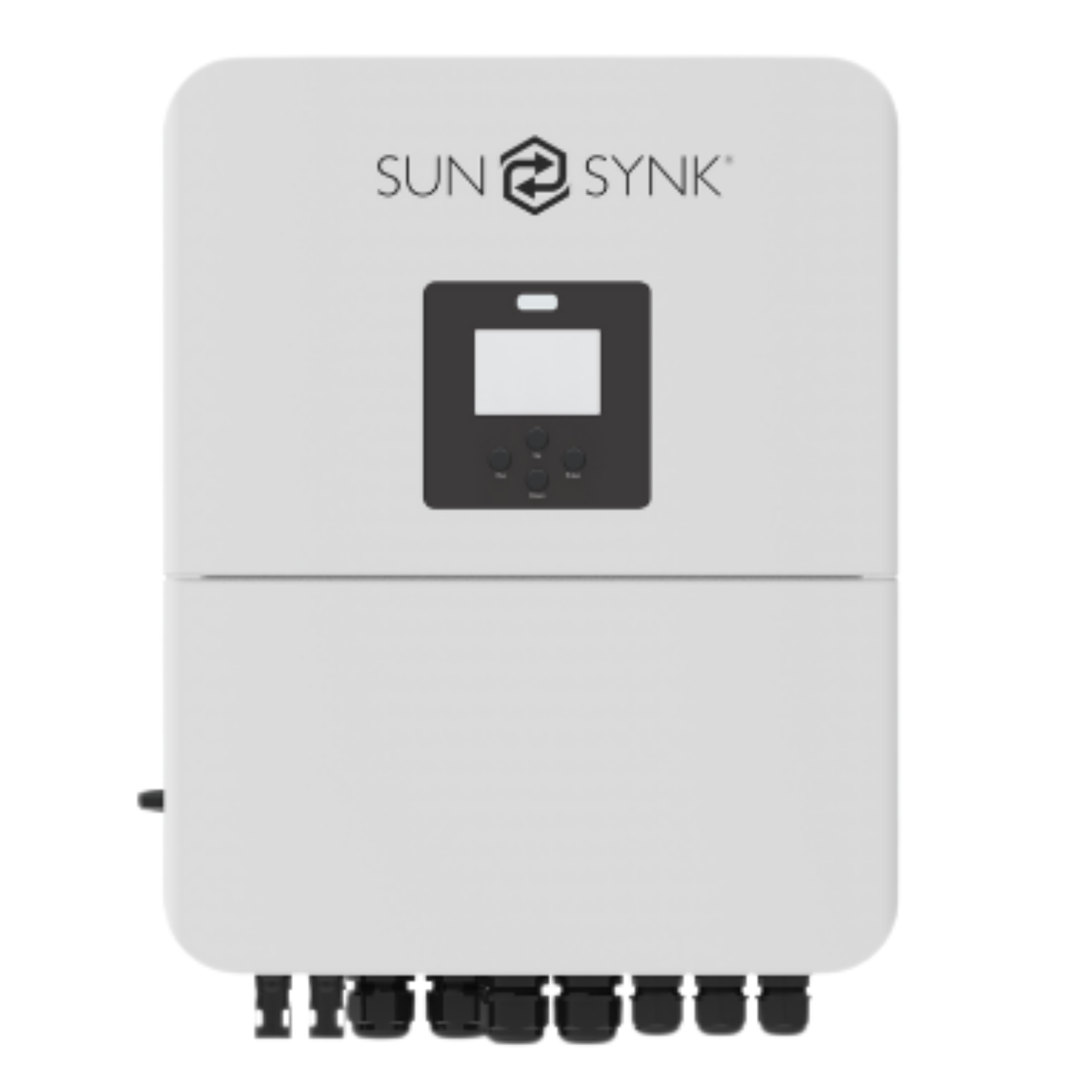
Most home batteries sold in South Africa already use LFP. The datasheets for the Sunsynk SUN-BATT-5.32, the Freedom Won ENVA 5 and the Pylontech US5000 all list lithium iron phosphate cells. Where you need to check is with cheaper, unbranded packs and portable power stations, where the chemistry may not be stated. If a seller can't tell you the cell chemistry, that tells you something. Our lithium vs lead-acid comparison covers the other trade-offs between battery types.
Heat also ages lithium batteries, which is another reason placement matters. Our guide to lithium battery lifespan and cycles explains how temperature affects a battery's warranty and life.
Certificates to ask for
Battery datasheets list a string of standards. Three matter most to a home buyer.
IEC 62619 is the main safety standard for stationary lithium batteries. The IEC's own summary of the current edition (2.0, published May 2022) says it specifies requirements and tests for the safe operation of lithium cells and batteries in industrial applications, including stationary uses such as uninterruptible power supplies (UPS) and electrical energy storage systems. The UK report notes that IEC 62619 includes an assessment of whether a single cell failure spreads through the pack.
UN 38.3 is a transport test, not a home installation standard. The International Air Transport Association's lithium battery guidance explains that to be permitted in transport, all lithium cell and battery types must have passed the tests in subsection 38.3 of the UN Manual of Tests and Criteria. Any battery that reached South Africa legally should have it. It is a minimum, not proof that the battery is suitable for your wall.
IEC 62040 is the safety standard series for UPS equipment. The City of Cape Town's SSEG FAQs refer to the "IEC/SANS 62040 suite" for commercial UPS installations. It applies to UPS units as a whole, so expect to see it on a UPS rather than on a wall-mounted home battery.
Here is what three LFP home batteries list on their datasheets:
| Battery | Certifications listed by the maker |
|---|
| Sunsynk SUN-BATT-5.32 | Pack: UN38.3, IEC 62619, IEC 61000. Cell: UN38.3, IEC 62619, UL 1642 |
| Pylontech US5000 | IEC 62619, IEC 63056, CE, UN38.3, UL 1973, UKCA |
| Freedom Won ENVA 5 | UN38.3, with IEC 62619 marked "in progress" on the 26 May 2026 spec sheet |
The Freedom Won entry shows why you should read the footnotes. A standard printed on a datasheet may be completed, applied for, or apply only to the cells rather than the whole pack. Freedom Won also lists a thermally activated fire suppression aerosol canister inside the ENVA 5, which is a design feature some makers add.
Before you accept a quote, ask for the certificate or test report that names the exact battery model, and check who issued it. Some manufacturers publish these documents. Victron Energy, for example, posts an IEC 62619 certificate of compliance and a UN 38.3 transport certificate on its lithium battery product page.
Where a home battery should go
The manufacturer's installation manual is the first rule. It sets the allowed locations, mounting surfaces, temperature range and clearances, and an installation that ignores it can void the warranty.
As an example, the Sunsynk 3.6/5kW hybrid inverter manual, for the inverter that usually sits beside the battery, asks for:
- a load-bearing wall of concrete or another non-flammable surface;
- a clearance of about 500mm to the sides, 500mm above and below, and 1,000mm in front;
- no direct sunlight or rain;
- no installation where flammable gas, dust or vapours such as paint thinner or petrol may collect, or where air circulation is too low.
Battery datasheets add their own limits. The 48V batteries named above are rated IP20, which means indoors, out of dust and water, and both Pylontech and Freedom Won specify charging only from 0°C.
Fire services add a layer of common sense. Fire and Rescue NSW's advice on home battery systems is to install them "in a cool, ventilated, low-traffic area, away from entries and exits", use accredited installers, schedule checks, and keep the installer and manufacturer contacts near the meter box. In Australia, the installation rules sit in a dedicated standard, AS/NZS 5139. In the United States, the UK report notes that the version of the NFPA 855 standard it reviewed limits home battery systems to garages, utility closets and storage spaces, or outdoors at least 914mm from doors and windows, and keeps them out of living areas and bedrooms.
Those foreign rules don't apply in South Africa, but they point the same way. A sensible home location is:
- a garage, utility room or outside wall with weather protection, as the manual allows;
- not in a bedroom, and not in a passage or doorway you would need to escape through;
- away from stored petrol, paint, gas bottles and other flammables;
- out of direct sun and with the stated clearances for air flow;
- covered by a working smoke alarm nearby.
Ask your installer to show you the emergency shutdown procedure and to label the battery isolator.
The South African rules
Here is what we could verify:
- The wiring code. Electrical installations must comply with SANS 10142-1, the wiring code for low-voltage installations. Eskom's SSEG application form refers to it for the main switch and the point of isolation for an embedded generator.
- The Certificate of Compliance. The Department of Employment and Labour's statement of 22 October 2025 says "a registered contractor may only issue a CoC after conducting proper inspections and tests to ensure the installation is both compliant and safe". A battery and inverter wired into your distribution board is electrical installation work, so it needs a CoC. Our electrical CoC guide explains what the certificate covers and who may issue it.
- Municipal authorisation. Cape Town's SSEG FAQs say all solar PV and battery systems in its supply area, including battery-only systems, must be authorised before switching on, with a CoC from a suitably qualified electrician and commissioning sign-off by an ECSA-registered professional. A plug-in trolley inverter used as an appliance is exempt. Other municipalities set their own rules.
What we could not find is a published South African standard dedicated to where a home battery may be placed, comparable to Australia's AS/NZS 5139. Cape Town's FAQs say ECSA sign-off is required until the relevant parts of SANS 10142 are updated and accredited installers exist. Until then, the manufacturer's manual, the wiring code and the installer's judgement carry the weight, which is one more reason to use a registered, experienced installer.
Not sure which system you need?
Get a free, no-obligation quote sized to your home, usage and budget. It only takes a minute.
Get your free quote →If a battery overheats or catches fire
For an installed home battery, the advice from Fire and Rescue NSW is simple: don't fight it.
- Get everyone out and close doors behind you if it is safe to do so. The service warns that vented battery gases, vapour and smoke "are highly toxic and flammable and must not be inhaled".
- Call the fire brigade on your local emergency number and tell them a lithium battery system is involved.
- Don't go back in until the fire service gives the all-clear, even if the smoke or flames seem to have stopped.
- Use the shutdown procedure only if you can do it safely on your way out, for example at an isolator by the meter box. Don't restart a damaged system. Have it inspected by the installer or manufacturer.
Reignition is a real risk. The UK report describes tests in which a suppressed laptop battery fire reignited about 20 minutes after the flames were put out, as further cells went into thermal runaway, and notes that heat can build up deep inside a pack where extinguishing media can't reach.
Which fire extinguisher works on a lithium battery?
This is one of the most searched questions about battery safety, and the answer is less comforting than most product listings suggest. Fire and Rescue NSW says a dry chemical powder or carbon dioxide (CO2) extinguisher, used from a safe distance by someone trained, "may be used to prevent the spread of fire to the surroundings but are not likely to fully extinguish a lithium-ion battery fire".
For small devices, the same service says a phone or tablet that is overheating can be dropped into a bucket of clean water if it is safe to do so, and small flames can be doused with water, once the device is unplugged and away from mains power.
So a dry powder or CO2 extinguisher is worth having at home for ordinary fires and to slow the spread of a battery fire while you leave. It is not a reason to stay and fight a burning wall-mounted battery. Some extinguishers are marketed specifically for lithium battery fires. We found no South African fire service guidance that recommends one for an installed home battery, so treat those claims with caution and keep your escape route clear.
Insurance: what insurers say and what you should do
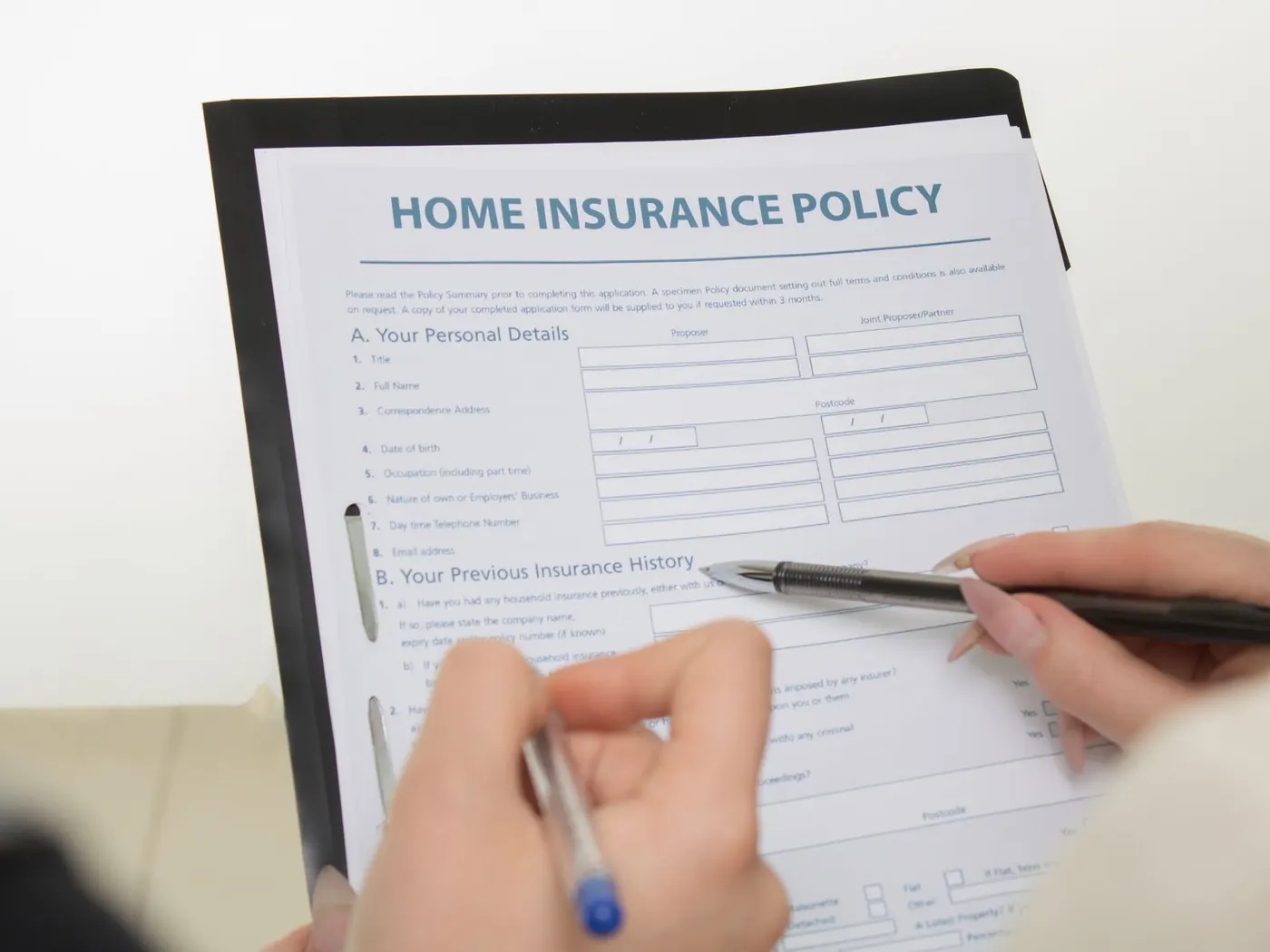
Our general guide to solar insurance covers sums insured, subscriptions and finance. For a battery specifically, three points from insurers' own pages and an official source matter.
Disclose the system. Santam's article on the impact of solar installations (22 April 2024) says backup equipment adds "to the sum of the insured amount of the building and/or contents as well as change one's risk profile". Dialdirect's December 2023 article on insuring solar panels says panels "do not need to be specified separately, but homeowners do need to inform us and adjust their total sum insured accordingly". Insurers treat this differently, so ask yours how it wants the inverter and battery declared, and get the answer in writing.
Keep the CoC. Santam encourages clients to follow regulatory requirements, "including being in possession of a Certificate of Compliance for the installation", and warns that "fire is a real risk property owners face when a solar power solution is not installed in line with regulations and South African National Standards (SANS)".
Get authorised where required. The City of Cape Town's SSEG FAQs warn that poorly installed systems "can also cause household fires and insurers may not cover damages if the installation is not authorised".
A practical file to keep, ideally as copies in the cloud as well as on paper:
- the electrical CoC for the battery and inverter installation;
- municipal SSEG authorisation, where your municipality requires it;
- the battery's datasheet and certificates for the exact model;
- the installer's invoice and equipment list with serial numbers;
- your insurer's written confirmation that the system is covered.
If you add batteries later or change the system, the work needs a new CoC and you should update your insurer again.
How Alumo handles this
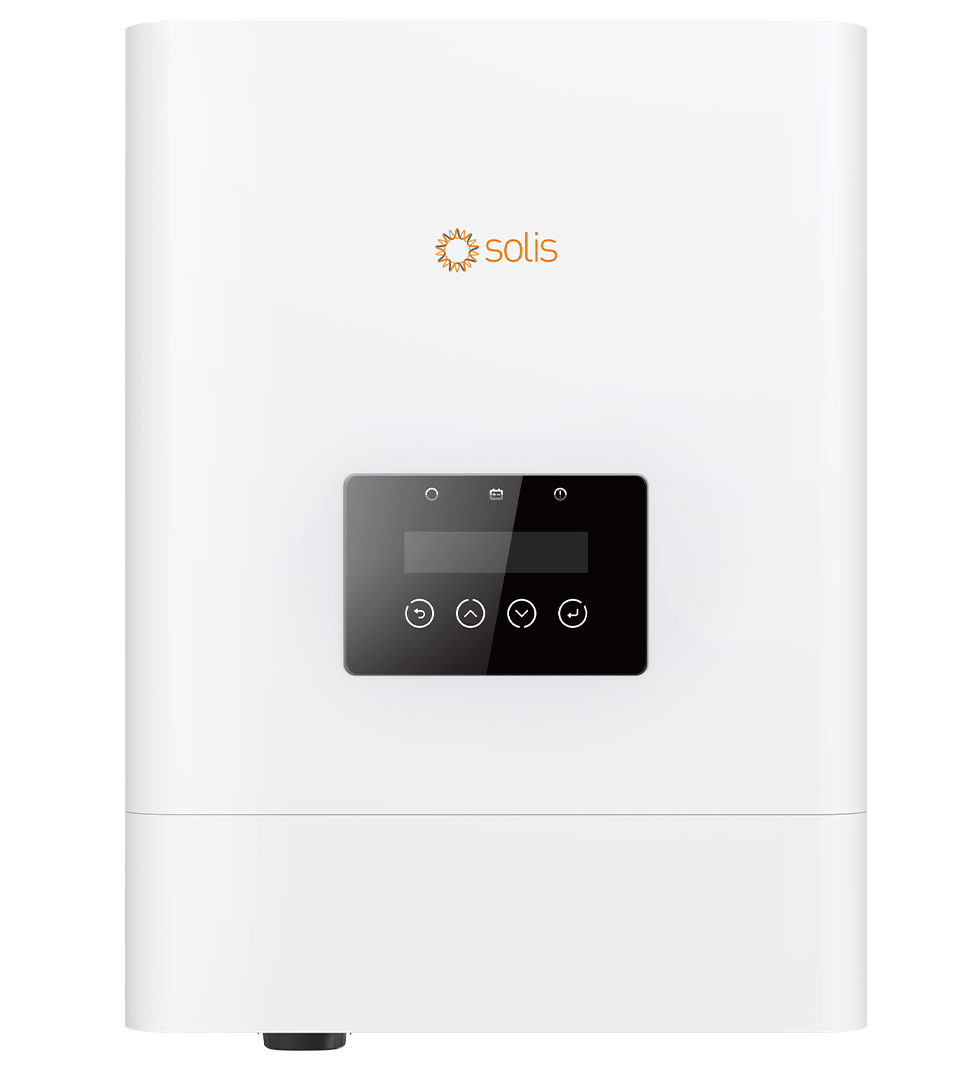
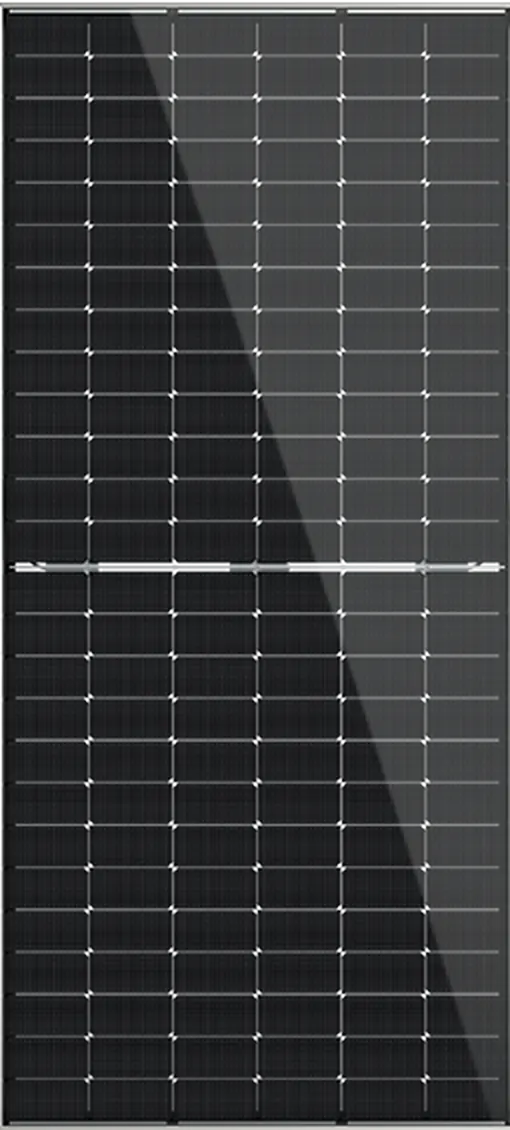
Alumo supplies, installs and warrants its systems, and its packages pair a Solis 5kW hybrid inverter with an Eenovance 5.32kWh lithium battery. Alumo's subscriptions, from R1,499 a month, include annual maintenance and insurance according to alumo.co.za, checked on 22 October 2026. On rent-to-own or an outright purchase, ask in the quote who insures the system during the term and what documents you will receive at handover.
R1,499/mo · Cancel option after 24 months
- • 5kW inverter
- • 5.32kWh battery · Runtime depends on connected appliances
- • 7 × 655W panels
Get a free quote →If you want a battery installed with the certificates and paperwork in order from day one, request a documented battery quote →
Frequently asked questions
Is a LiFePO4 battery safe to keep indoors?
LiFePO4 is the most forgiving lithium chemistry for home use. A UK government review cites testing that found it burns less fiercely than other chemistries. It is still a lithium battery, so it should be certified to IEC 62619, installed where its manual allows, kept out of bedrooms and escape routes, and have the stated clearances for air flow.
What fire extinguisher should I use on a lithium battery fire?
Fire and Rescue NSW says dry chemical powder or CO2 extinguishers can help stop the fire spreading but are not likely to fully extinguish a lithium-ion battery fire. For an installed home battery, leave the building, close doors if it is safe to do so, and call the fire brigade. For a small device, water can be used once it is unplugged and away from mains power.
Will my insurance pay if my solar battery causes a fire?
That depends on your policy, whether you declared the system and whether the installation was compliant. Santam names the Certificate of Compliance as a regulatory requirement for solar installations, and the City of Cape Town warns that insurers may not cover damage from an unauthorised installation. Declare the system and keep the CoC and authorisation on file.
Do I need a CoC for a battery-only backup system?
Yes, if the inverter and battery are wired into your distribution board, because that is electrical installation work. In Cape Town, a battery-only system wired to the board also needs municipal authorisation. A plug-in trolley inverter used as an appliance from a wall socket is treated differently.
Is SolarGuide the installer?
No. SolarGuide is an independent referral partner. Alumo supplies, installs, finances and warrants the systems. We help you compare options and get a free quote. We have no commercial relationship with the battery brands or insurers named here. All pricing is indicative and subject to a site assessment and credit approval.
Sources and review note
Checked on 22 October 2026. Thermal runaway, chemistry comparisons, the DNV GL heat release finding, reignition tests, the role of IEC 62619 and the summary of NFPA 855 location rules come from the UK government's research paper Domestic battery energy storage systems (BEIS Research Paper 2020/037, 2 October 2020). Fire response, warning signs and extinguisher advice are from Fire and Rescue NSW's pages What should I do if my battery is smoking or on fire? and Residential Battery Energy Storage Systems; this is Australian guidance, and South African emergency numbers differ. The IEC 62619 scope is from the IEC webstore, and the UN 38.3 transport requirement from IATA's lithium battery guidance document (2026 edition). Battery chemistry and certifications are from the Sunsynk SUN-BATT-5.32 datasheet (v3), the Pylontech US5000 datasheet and the Freedom Won ENVA 5 spec sheet (26 May 2026). Installation clearances are from the Sunsynk 3.6/5kW single-phase hybrid user manual v41 (distributor-hosted copy). South African requirements are from the Department of Employment and Labour's statement of 22 October 2025, Eskom's Application Form for SSEG (version 2025V2) and the City of Cape Town's SSEG FAQs (revision January 2025). Insurer statements are from Santam (22 April 2024) and Dialdirect (December 2023). Alumo's equipment and subscription inclusions are from alumo.co.za. We have not published South African battery fire statistics or claim figures, because we found no primary source that separates home solar batteries from other battery fires. This guide explains what to check and ask. It does not replace the manufacturer's manual, the advice of a registered electrician who has seen your installation, or your insurer's policy wording.
SolarGuide is an independent referral partner. We help you compare options and arrange a free quote — Alumo supplies, installs, finances and warrants the systems. Pricing is indicative, sourced from Alumo’s published catalogue, and subject to a site assessment and credit approval.