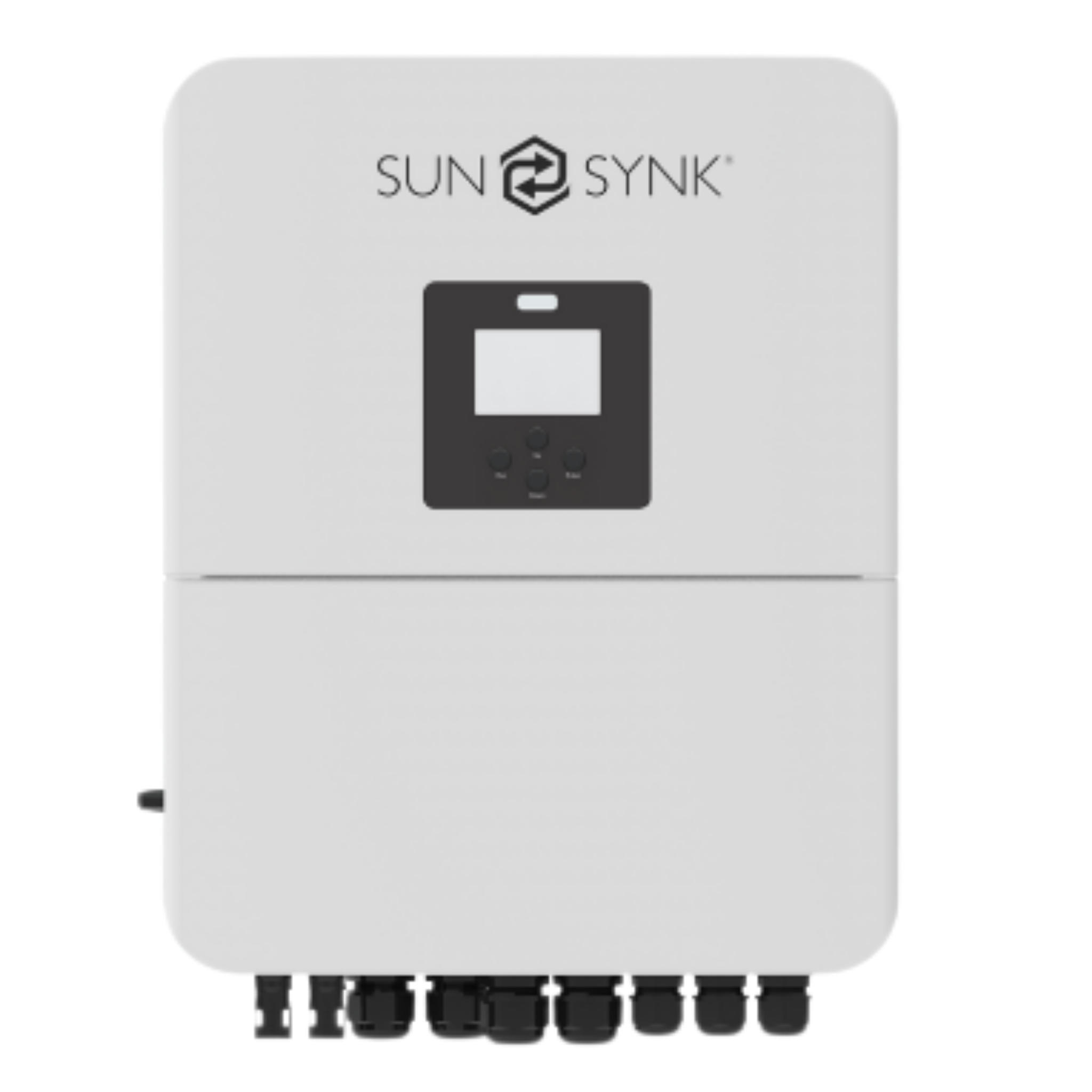
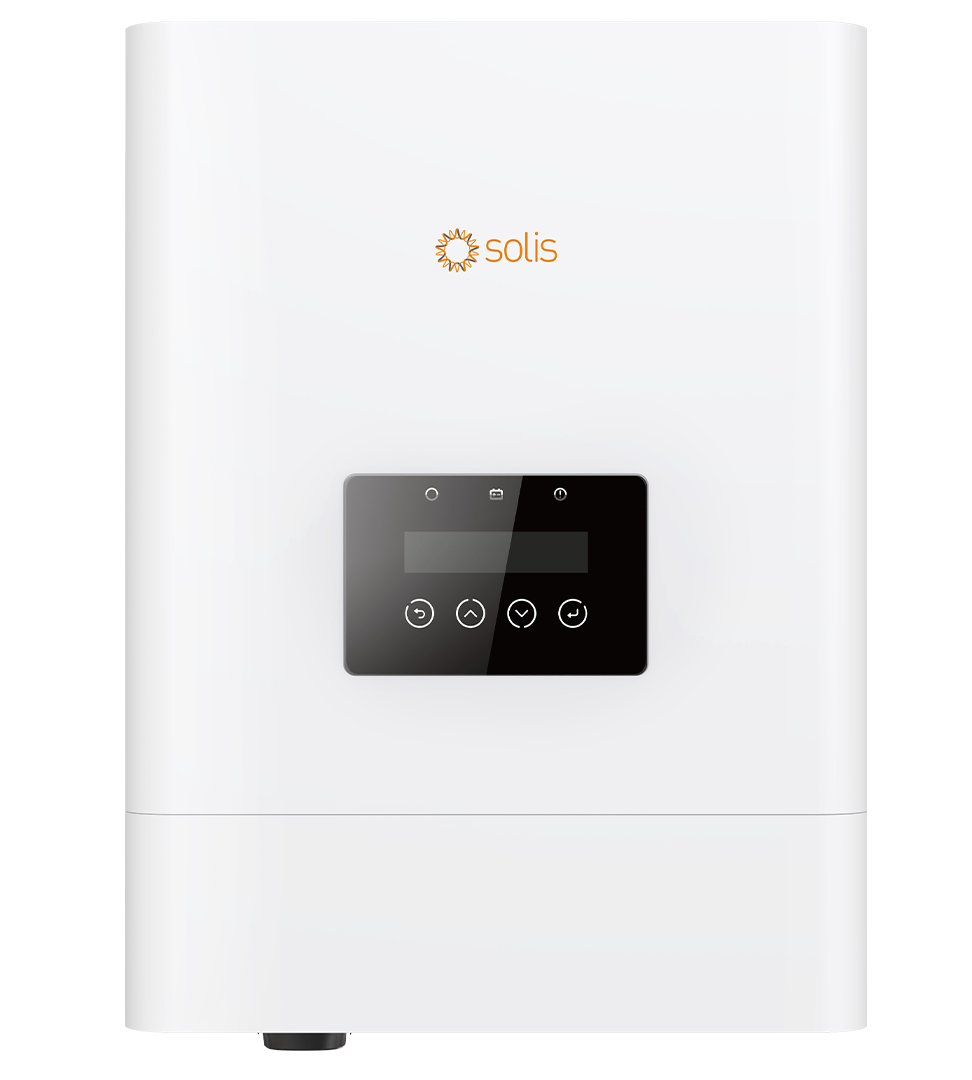
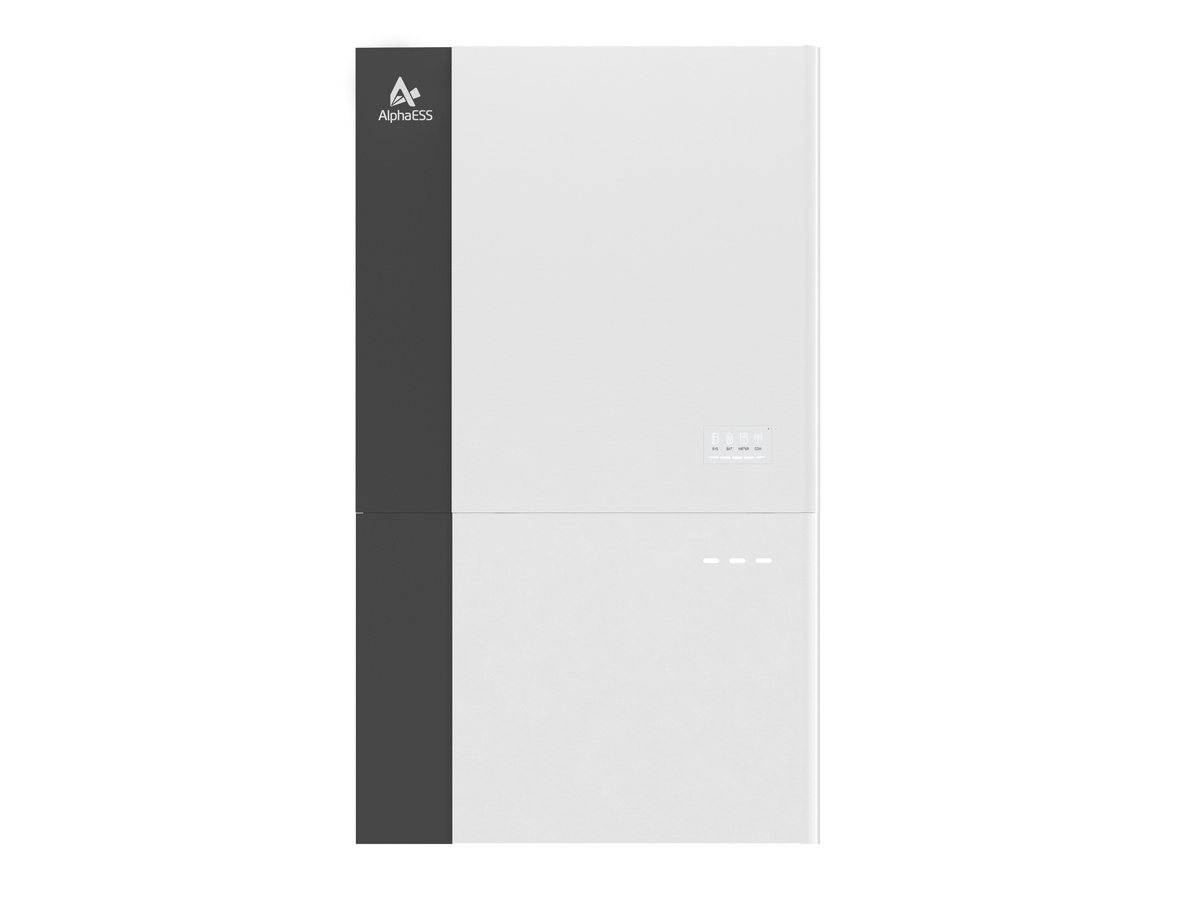
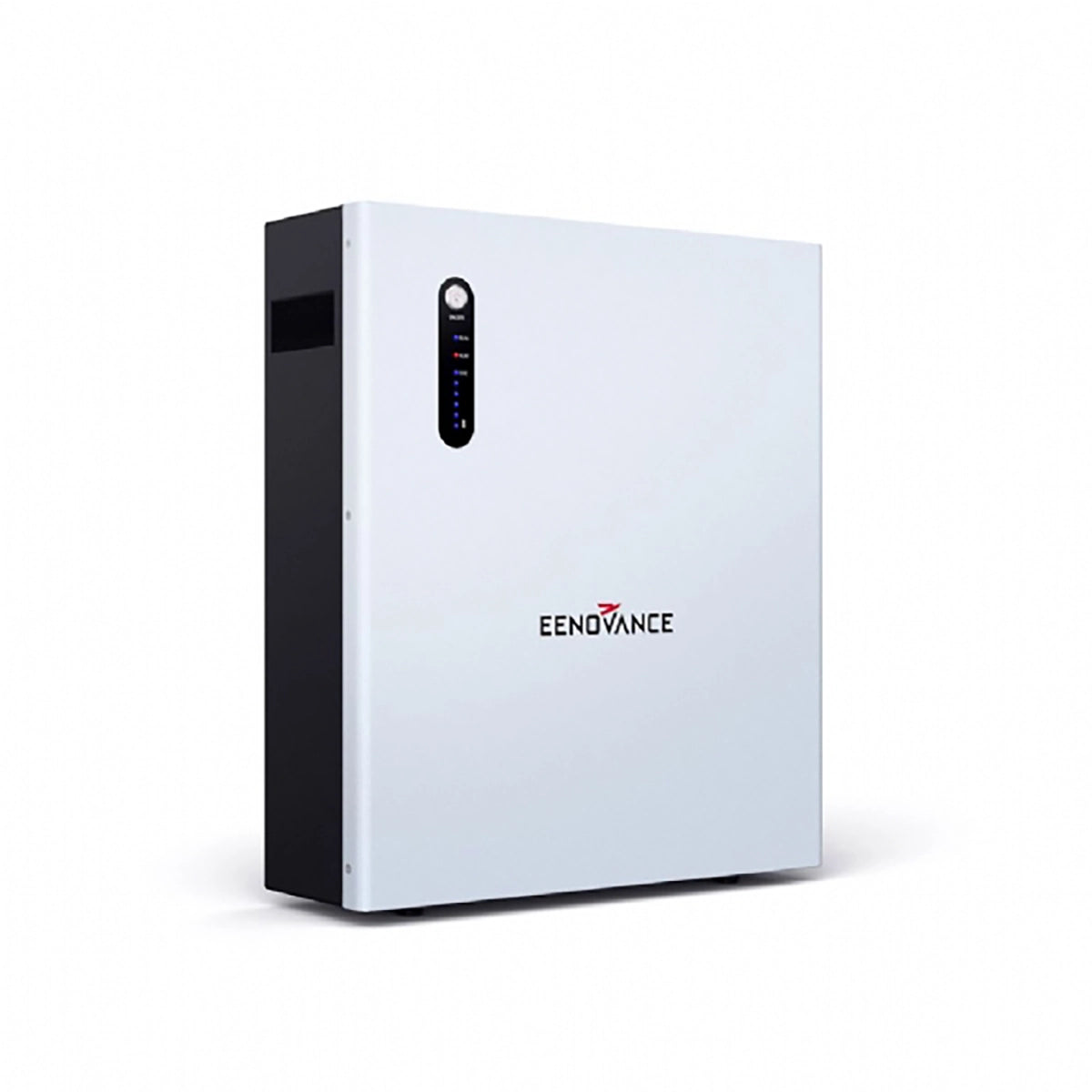
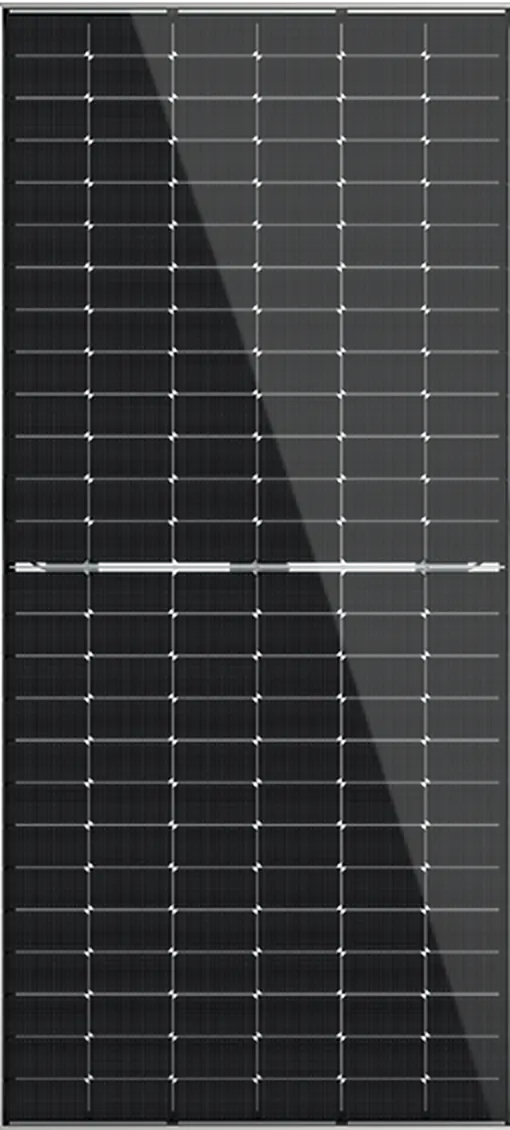
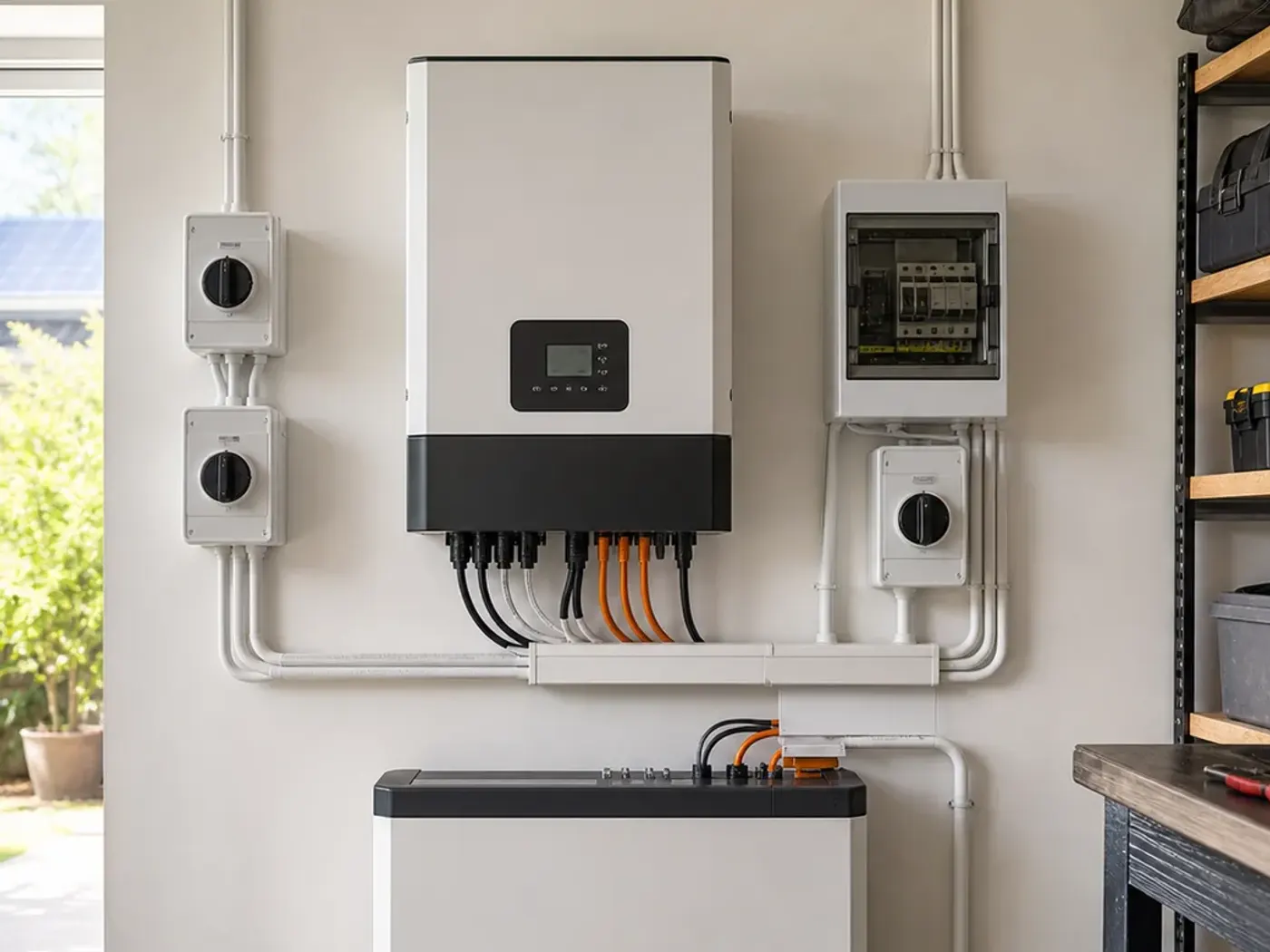
The right inverter and battery pairing matters more than a headline kW or kWh figure. See the models currently listed by SolarGuide, then ask for a quote based on your home and usage.
Somewhere along the load-shedding journey, most South Africans stop asking "which one should I get?" and start asking the smarter question: "which one for what?" Gas, solar and battery aren't rival teams where you pick a winner and ignore the rest. They're three tools with very different strengths, and the homes that come out cheapest and most comfortable are the ones that use each for the job it's actually good at.
Get the split right and you spend far less overall. Back a geyser and a stove up on battery and you'll be buying an enormous, expensive system to do work a R1,000 gas bottle handles better. Try to cook every meal on gas when you've got abundant midday solar going to waste, and you're burning money you didn't need to. This guide lays out, honestly, what each source is best at, and where it's the wrong tool for the job.
Key takeaways
Gas wins at heat: cooking, and often water heating — jobs that punish batteries brutally.
Solar wins at cost: it's the cheapest energy once installed, ideal for everything you run during daylight.
Battery wins at convenience and electronics: instant, silent, automatic power for lights, Wi-Fi, screens and the fridge when the grid drops.
The cheapest, most resilient home usually blends all three rather than forcing one to do everything.
The core principle: match the source to the load
Every appliance in your home falls into one of two camps, and this single distinction explains almost everything about which energy source to use.
Heat-making loads (kettles, stoves, ovens, geysers, heaters) turn electricity into warmth, and they need enormous power to do it. A geyser pulls 2,000 to 3,000W, and a stove element the same. These are the loads that flatten a battery in minutes and push you into buying a system twice the size you otherwise would.
Electronic and motor loads (lights, Wi-Fi, TVs, laptops, the fridge, security kit) sip power by comparison. A whole home's worth of these often sits under 1kW. They're trivial for a battery to carry, and awkward or impossible to run on gas.
Once you see loads this way, the roles sort themselves out. Use fuel (gas) for heat. Use stored electricity (battery) for electronics. Use the sun (solar) to power as much as you can for free during the day. Fighting that logic is where people overspend.
3000Geyser element
2500Stove element
1000 | unit=W | caption=Why heat loads and electronics belong on different sourcesAll home electronics
Where gas wins
Gas is unbeatable for turning energy into heat, cheaply and independently of both Eskom and your battery.
Cooking
A gas hob is the single best load-shedding upgrade many homes can make, and it's cheap. It works instantly, regardless of grid or battery status, gives you precise control, and a single bottle lasts a family weeks. Backing a full electric stove and oven up on battery, by contrast, demands a large and costly system. For cooking during outages, gas is simply the right answer.
Water heating
A gas geyser (or gas water heater) is worth serious thought too. Heating water electrically is one of the biggest energy drains in any home, and backing a standard geyser up on battery is one of the fastest ways to flatten it. Gas heats water on demand without touching your stored power. A solar geyser or heat pump is the other strong option here — the point is that you almost never want your battery doing this job.
Where solar wins
Solar is the cheapest energy you'll ever use, because once the panels are up, the sunlight is free. Its natural territory is everything your home consumes during daylight hours.
During the day, well-sized panels run your home office, the fridge, the pool pump and general household load directly off the sun, while also topping up your battery for the evening. This is where the real long-term savings live. Every kilowatt-hour you draw from the roof instead of Eskom is money you keep, month after month, for decades. Solar's one limitation is obvious: it doesn't work at night or in a storm. That's exactly why it pairs with a battery rather than replacing it.
Not sure which system you need?
Get a free, no-obligation quote sized to your home, usage and budget. It only takes a minute.
A battery is about convenience and continuity for the loads that matter most when the grid drops. It switches over instantly and silently, with no noise, no fumes and no reboot. For lights, Wi-Fi, TVs, laptops, the fridge and your security system, nothing else comes close. These are the loads you genuinely can't run on gas and don't want to lose the moment Eskom pulls the plug.
The battery is also what stores your daytime solar for use after dark, turning "free power while the sun's up" into "free power all evening too." It's the part that ties the whole system together.
Where a battery is the wrong tool is exactly the heat-making loads gas handles so well. Ask it to run the geyser and the stove and you'll pay dearly for the privilege.
Putting it together in a real home
The most cost-effective SA home usually looks like this: gas for the stove and often the geyser, solar panels running the house and charging through the day, and a battery carrying the electronics and essentials through outages and into the night. Each source does what it's best at, and nothing is oversized to cover work another tool does better and cheaper.
Alumo's current solar-plus-battery rent-to-own range uses a Solis 5kW inverter and Eenovance 5.32kWh battery: Watt-a-Deal has three 615W panels from R1,418/month, The Big Watt has four from R1,487/month, and The Power Bae has six from R1,626/month on a seven-year term. Three- and five-year prices, solar-only configurations and battery-only pricing are available on our current package comparison.
If you'd rather move toward running heavier loads electrically and lean less on gas over time, sizing up the system gives you more room to do it. The Power Bae, for example, has six panels to Watt-a-Deal's three. It's a spectrum, and the right point on it depends on your home and budget. Get a free quote → if you'd like help finding it.
Free tool
Estimate your system & savings
Move the slider to your monthly bill for an instant, indicative suggestion.
This is an indicative starting point. The site assessment and signed quote confirm the system, current price, equipment, savings and backup time. Rent-to-own payments increase by 6.5% each year.
The honest bottom line
There's no single winner here, and anyone selling you one source as the answer to everything is selling you an oversized bill. Gas is cheapest for heat. Solar is cheapest for daytime power. Battery is best for keeping your electronics alive when the grid fails. Use each for its strength and you get a home that's cheaper to run, more resilient and right-sized, instead of one where you've forced an expensive battery to do a R200 gas bottle's job.
To work out the best blend for your specific home and budget, get a free Alumo quote → and a specialist will help you size solar and battery around the loads that genuinely belong on them.
Frequently asked questions
Should I cook with gas or battery during load-shedding?
Gas, almost always. Cooking is a heat-making load that draws enormous power and would flatten a battery quickly, forcing you into a much larger and more expensive system. A gas hob works instantly regardless of grid or battery status, costs little to run, and is one of the best-value load-shedding upgrades a home can make.
Is a gas geyser better than backing up an electric one?
For most homes, yes. Electric water heating is one of the biggest energy drains in the house, and running a standard geyser off a battery flattens it fast. A gas geyser heats water on demand without touching your stored power. A solar geyser or heat pump is another strong option — the aim is to keep this heavy load off your battery.
Can't I just get a big enough battery to run everything?
You can, but it's rarely worth it. Powering heat-making loads like the geyser, stove and oven off a battery requires a very large, expensive system to do work that gas handles cheaply and independently. Most households save significantly by using gas for heat and sizing the battery around electronics and essentials instead.
What's the most cost-effective combination for an SA home?
Typically gas for the stove and often the geyser, solar panels to run the home and charge during the day, and a battery to carry electronics and essentials through outages and overnight. Each source covers what it does best, so nothing is oversized to duplicate another tool's job.
Is SolarGuide the installer?
No. SolarGuide is an independent referral partner. Alumo supplies, installs, finances and warrants the systems, while we help you compare options and get a free quote. All pricing is indicative and subject to a site assessment and credit approval.
SolarGuide is an independent referral partner. We help you compare options and arrange a free quote — Alumo supplies, installs, finances and warrants the systems. Pricing is indicative, sourced from Alumo’s published catalogue, and subject to a site assessment and credit approval.