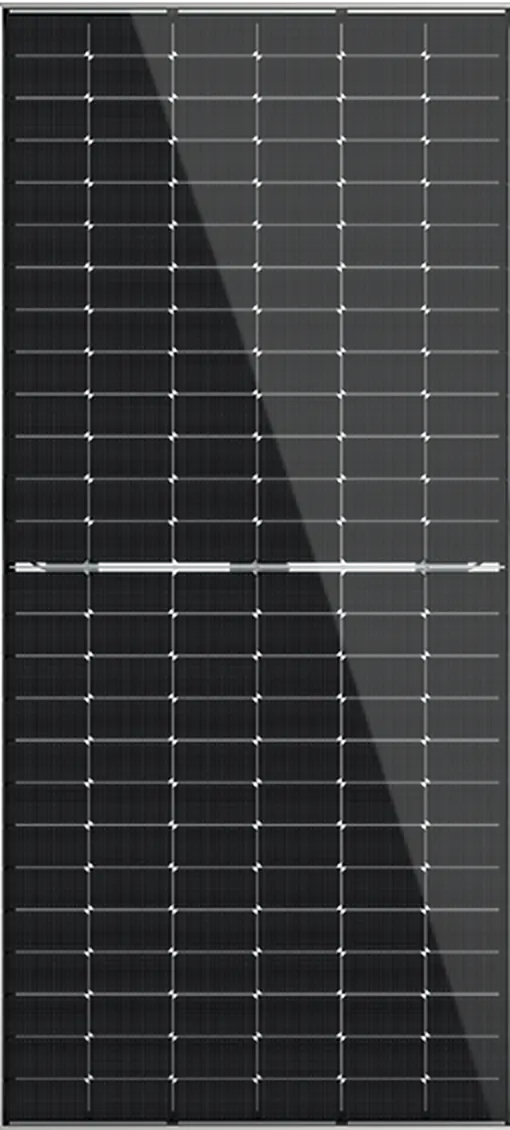
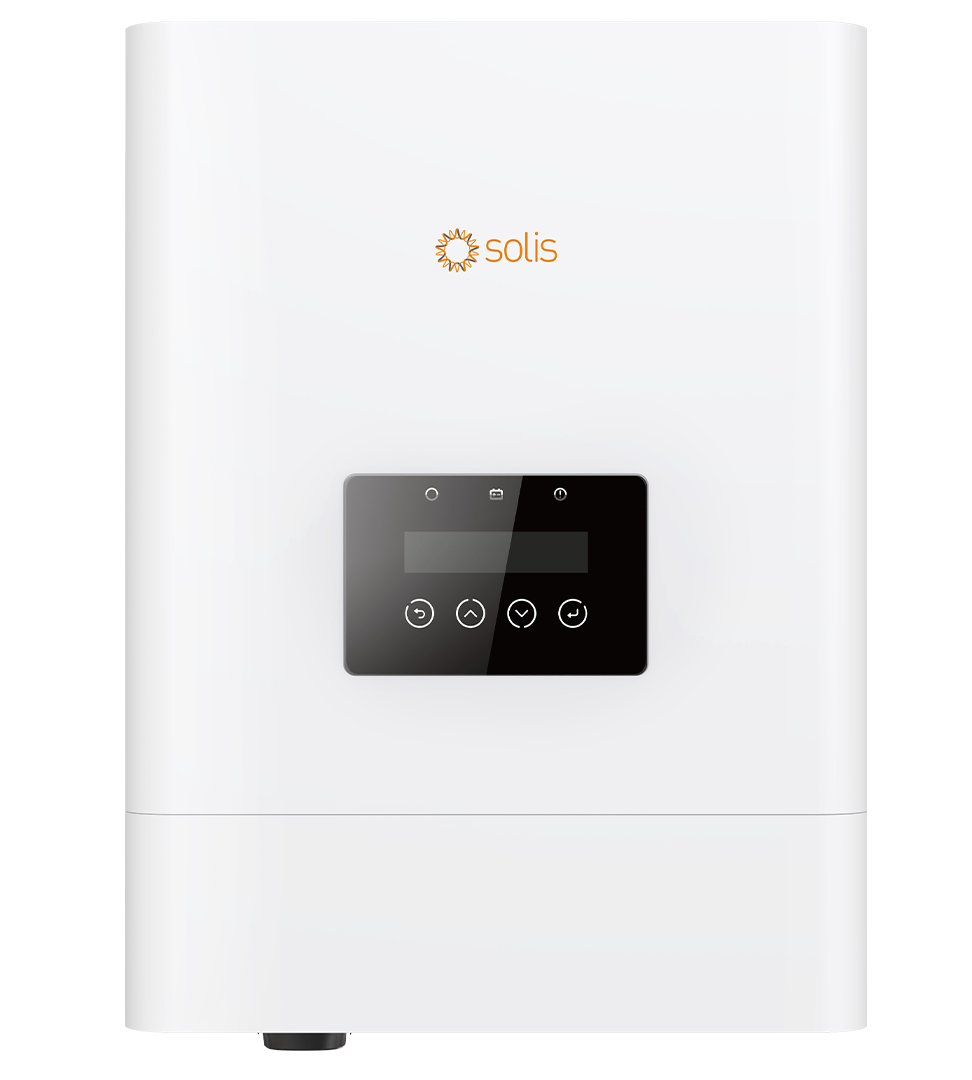
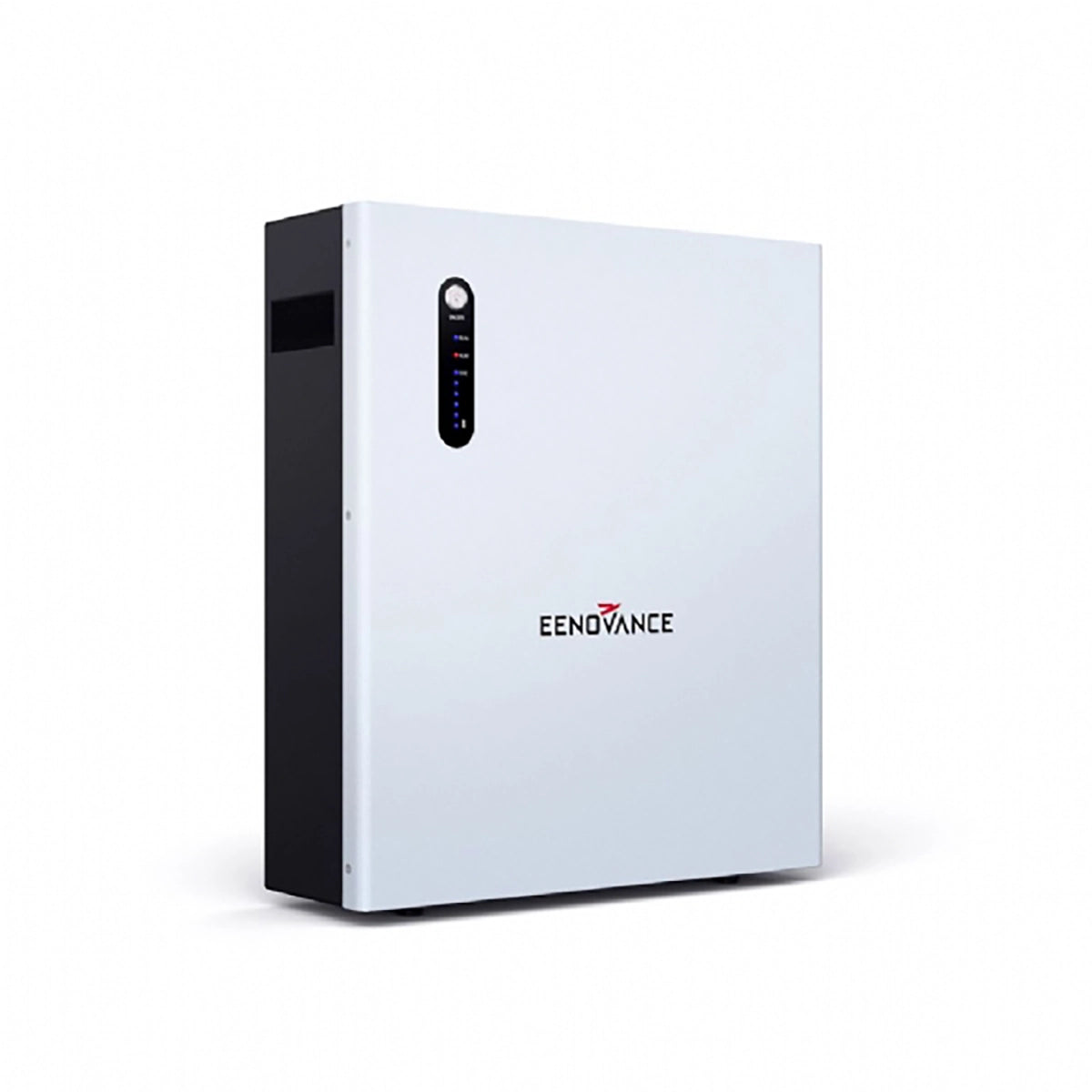
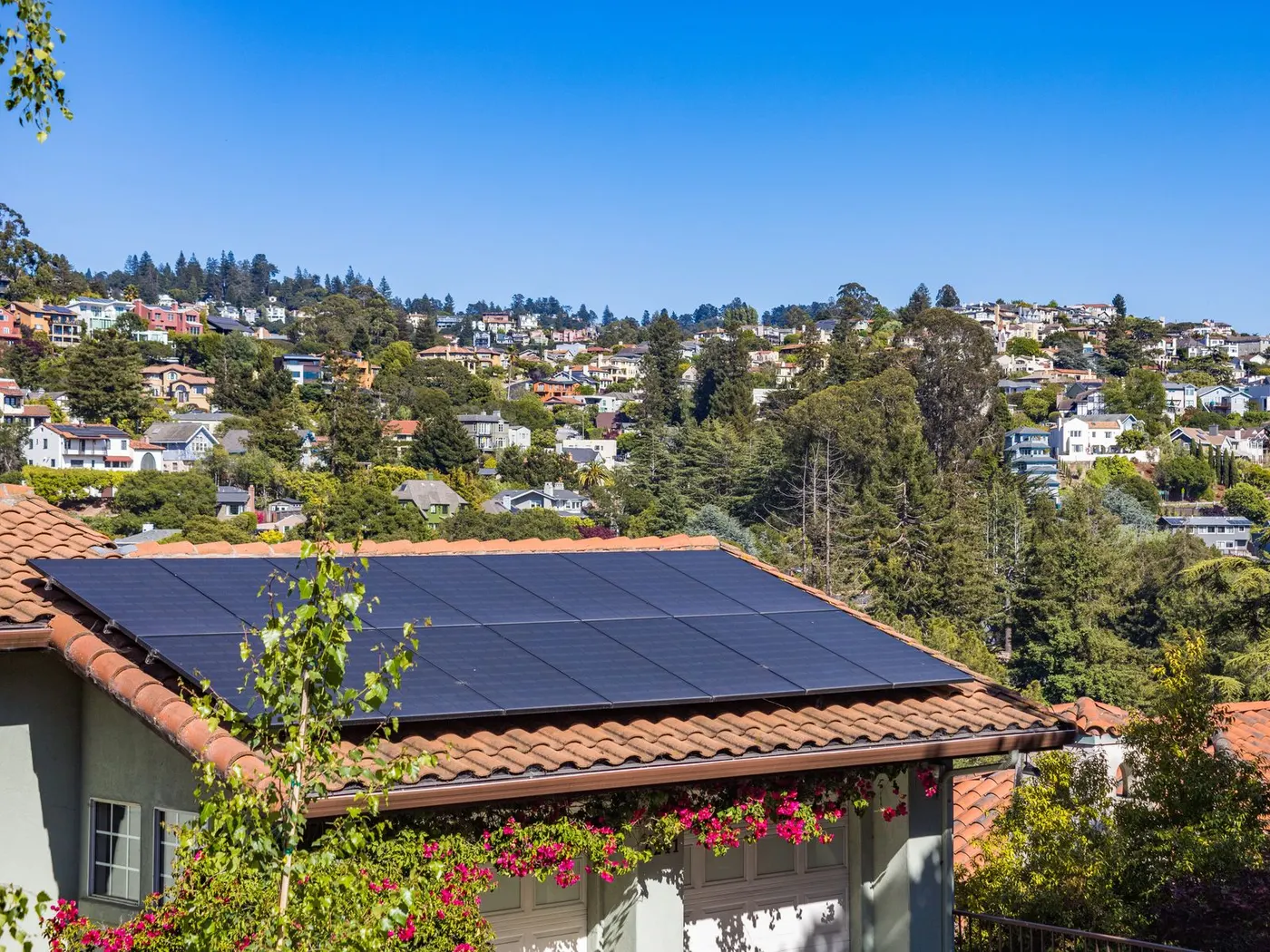
Panel count is only useful alongside the roof, inverter, battery and backup goal. Compare the verified panel route before requesting a site-specific design.
The best solar panels for your home are not simply the panels with the highest wattage or the lowest price. They are the panels that fit the useful part of your roof, work properly with the inverter, produce enough energy for your goals and come with support you can actually use in South Africa. If you are comparing actual models, start with the SolarGuide solar panel catalogue and use this guide to judge the complete system around them.
The best solar panels for a home are therefore the panels that fit the roof and the system, not just the best-known brand. If you are looking at home solar panels or solar panels for a house, compare output, dimensions, shade performance, warranty and installed cost together.
That sounds obvious, but solar panel shopping often turns into a race between model names and headline specifications. A better approach is to design the system backwards from your home: what you use, when you use it, what you want backed up and how much suitable roof you have.
What matters most
Choose the system goal first: bill reduction, backup power, or both.
Compare total array capacity, dimensions, warranty and roof suitability, not wattage alone.
Panels make daytime electricity. The inverter makes it usable, and the battery stores it for later.
A professional layout should account for shade, orientation, roof structure and electrical compatibility.
What solar panels do, and what they do not do
Solar panels convert sunlight into direct-current electricity. A home inverter converts that electricity into the alternating current used by ordinary household circuits. If the system includes a battery, surplus energy can be stored and used later.
Panels by themselves do not provide dependable night-time backup. They also do not necessarily keep the house running when the grid fails. Many grid-tied systems shut down during an outage for safety unless they are paired with an inverter and battery designed to create a protected backup supply.
That is why “how many panels?” is only one part of the buying decision. The right panel array can still disappoint if the inverter is undersized, the battery is too small or the backup circuits are not designed properly. Read how solar power works in a South African home before comparing equipment.
Start with the job the panels must do
Bill reduction
If your priority is to buy less electricity during the day, the array should be designed around daytime consumption. Pool pumps, geysers, washing machines, cooking and home-office equipment can all change the value of solar because they consume power while the panels are producing it.
Load-shedding backup
If your priority is keeping the essentials on, the battery and backup-circuit design deserve as much attention as the panels. A smaller array can still make sense if it reliably recharges the battery during the day and the system is designed for lights, Wi-Fi, security, refrigeration and selected plugs.
Higher energy independence
If you want to reduce grid reliance across the whole day, you will usually need a larger array, more storage and a clearer plan for high-demand appliances. The cost rises because you are buying more than emergency backup. You are designing an energy system for a larger share of the home's consumption.
How solar panels are sized
Panels are rated in watts. A panel's wattage is multiplied by the number of panels to calculate the array's nominal capacity.
Panel wattage × panel count = nominal solar capacity
Six 550W panels, for example, create a nominal 3.3kW array. That number is useful for comparing system designs, but it is not a guaranteed daily yield. The real result changes with sunlight, weather, roof direction, tilt, temperature, dirt, shade and inverter behaviour.
The most reliable sizing process uses:
recent electricity bills, preferably several months;
a list of the appliances you want to run during an outage;
your expected daytime and evening usage;
a roof plan showing orientation, obstacles and shaded areas; and
the inverter and battery specifications that will be paired with the panels.
This is an indicative starting point. The site assessment and signed quote confirm the system, current price, equipment, savings and backup time. Rent-to-own payments increase by 6.5% each year.
Monocrystalline, polycrystalline and newer panel designs
Photovoltaic panels and PV panels are simply other names for solar panels. The useful comparison is the specification and how the module performs in the proposed layout, rather than the label used by a retailer.
Monocrystalline panels
Monocrystalline panels are the common choice for modern residential systems. They are made from monocrystalline silicon cells and are generally a good fit when you want strong output from a limited roof area.
Polycrystalline panels
Polycrystalline panels use a different manufacturing process and were once a common lower-cost choice. The practical question today is not whether one label is automatically good or bad. Compare the actual output, dimensions, degradation terms, warranty and installed price for the system you are considering.
Bifacial and other designs
Bifacial modules can collect light from the rear as well as the front, but the additional benefit depends on the mounting environment and reflected light. A roof-mounted home installation may not receive the same advantage as a carefully designed commercial or ground-mounted array.
South African homes are not all the same. Roof orientation, pitch and local weather affect the generation profile. More important than chasing a perfect compass direction is avoiding avoidable shade and using the roof area safely.
Ask the installer to show you:
which roof faces will be used;
where morning and afternoon shade falls;
how panels will be split into strings;
whether any trees or nearby buildings affect the design; and
whether the mounting method suits the roof covering and structure.
Partial shade deserves particular attention. A shaded section can reduce the output of a string, depending on the panel and inverter design. The solution may be a different layout, separate strings or module-level equipment. It is not always “add more panels”.
Panel warranty versus system warranty
There are several warranties in a solar quote, and they should not be treated as one promise.
The panel product warranty covers defects in the panel. The performance warranty describes how the panel should degrade over time under stated conditions. The installation warranty covers workmanship, roof penetrations, mounting and the quality of the electrical work. The inverter and battery have their own warranty terms.
Before you sign, ask who makes each warranty decision. If the panel was supplied by one business and installed by another, find out who is responsible for the first response. A clear support route is part of the product you are buying.
How panels fit into an actual home package
A home package is a balance of generation, conversion and storage. For example, the package options presented through SolarGuide combine panel arrays with hybrid inverters and batteries, while the exact final specification is confirmed after an assessment. The package is not a generic instruction to put a fixed number of panels on every roof.
The right system may have fewer panels than a neighbour's system because the goal is different. It may have more because the home uses a lot of power in the day or needs to recharge a larger battery. Compare the outcome the system is designed to deliver, not just the number of modules in the marketing headline.
Solar panels for a home versus a business
Residential systems usually have tighter roof constraints, smaller loads and a stronger focus on essential backup. Commercial systems often have more daytime consumption, larger roofs and a business case built around operating continuity and energy cost.
Do not copy a commercial panel layout onto a home, or assume a home package scales directly to a workshop, office, guesthouse or retail site. Our guide to solar for small businesses covers the commercial decision separately.
A sensible panel-buying checklist
Before comparing final prices, collect these details:
Your average monthly electricity use.
The appliances that must run during an outage.
Your roof type, usable area and any known shade.
Whether you want bill reduction, backup power or both.
Whether you might add a battery, panels or heavy appliances later.
The proposed panel model, wattage, dimensions and warranty.
The inverter model, battery capacity and backup-circuit scope.
Then ask for a line-by-line quote. A good proposal makes it possible to see what you are paying for and which assumptions drive the recommendation.
Should you buy the biggest panel array you can afford?
Not automatically. More panels can generate more energy, but only if the roof, inverter, battery and household demand can use it. Oversizing one part of the system can leave you paying for energy that is curtailed or exported, while undersizing the array can leave the battery empty when you need it.
The better question is: what size system gives this home the right balance of useful generation, backup duration, cost and future flexibility?
SolarGuide can help you get that question answered. We are an independent referral partner, and the installation partner confirms the equipment, design, price and warranty after reviewing your home and usage.
The best panel is one that fits the roof, matches the inverter, has a clear warranty and produces the required energy for the home's goals. Brand reputation matters, but sizing and installation quality matter just as much.
How many solar panels are needed for a home?
There is no bedroom-based answer. The panel count depends on electricity use, daytime demand, roof space, shade, panel wattage and whether the system must recharge a battery.
Can solar panels run a house at night?
Not directly. Panels need sunlight. Night-time power comes from the grid or a battery charged earlier, which is why the inverter and storage design matter.
Do solar panels work on cloudy days?
They can still produce electricity in bright overcast conditions, but output is lower than on a clear day. The design should account for seasonal changes rather than assuming every day produces the same amount.
Are solar panels worth it in South Africa?
They can be, particularly when the system is sized around daytime use, backup needs and the local electricity situation. The financial result depends on the system cost, usage, tariff, financing and how much generated power the home can use.
SolarGuide is an independent referral partner. We help you compare options and arrange a free quote — Alumo supplies, installs, finances and warrants the systems. Pricing is indicative, sourced from Alumo’s published catalogue, and subject to a site assessment and credit approval.