Buying solar in South Africa is a bigger decision than most people expect. It sits somewhere between a car purchase and a small home renovation: real money, a long payback, and a system you'll live with for a decade or more. Do it well and you get quiet nights during load-shedding, a smaller Eskom bill, and a home worth more. Rush it, and you can end up with an undersized battery, a warranty that means nothing, or an installation that fails its municipal inspection.
The good news is that a solar purchase is very checkable. Almost every mistake people make comes down to a question they didn't ask before signing. This checklist walks you through the whole journey, from working out what you actually need to the final compliance paperwork, so you can buy with confidence rather than crossed fingers.
Key takeaways
Size your system around your real usage and your goal (backup, savings, or both) before you look at any quotes.
Compare at least two or three like-for-like quotes, and check the equipment brands, warranties and CoC compliance line by line.
Confirm SSEG registration, a Certificate of Compliance, and clear warranty terms before you pay the final amount.
Step 1: Get clear on why you're going solar
Before anything technical, decide what problem you are solving. The three common goals pull the system in different directions.
If your priority is backup during load-shedding, you care most about battery capacity and which circuits stay live when the grid drops. If your priority is cutting your Eskom bill, you care most about panel capacity and daytime generation. If you want both (most people do), you need a balanced system and an honest conversation about budget.
Write your goal down in one sentence. It becomes the filter for every decision that follows, and it stops a salesperson steering you toward whatever is easiest to sell.
Step 2: Understand your electricity usage
You cannot size a system correctly without knowing how much power you use and when. Pull out 6 to 12 months of municipal or Eskom bills and note your monthly kWh consumption. A typical Cape Town or Joburg family home lands somewhere between 600 and 1,200 kWh a month, but yours could be very different.
Then think about timing. Solar generates during the day, so the more of your usage you can shift to daylight hours (pool pump, geyser, dishwasher, washing), the more you save. Heavy evening usage leans harder on the battery.
Finally, list your non-negotiable backup loads: lights, Wi-Fi, fridge, a few plugs, maybe a TV. Geysers and electric ovens draw enormous power and are usually left off backup or managed separately. Knowing your essential load in watts helps size the inverter and battery honestly.
Free tool
Estimate your system & savings
Move the slider to your monthly bill for an instant, indicative suggestion.
This is an indicative starting point. The site assessment and signed quote confirm the system, current price, equipment, savings and backup time. Rent-to-own payments increase by 6.5% each year.
Step 3: Size the system honestly
With your usage and goal in hand, you can sanity-check any proposed system against three numbers.
Inverter size (kW) must handle your peak simultaneous load. A 5kW inverter comfortably runs a normal home's essentials; larger homes or those wanting to run more at once need more.
Battery capacity (kWh) determines how long you last off-grid. A 5kWh battery gives a modest home roughly an evening of essentials; bigger appetites need more storage.
Panel capacity (kWp) determines how much you generate and therefore how much you save and how fast the battery recharges.
Be wary of any quote that maximises one number while quietly starving another, for example lots of panels but a tiny battery, or a big battery with too few panels to refill it. Balance is what makes a system feel effortless.
600–1,200 kWh
typical home's monthly use
5kW
inverter for the essentials
5kWh
battery for an evening
Step 4: Choose reputable equipment
Solar hardware is a long-term relationship. You want brands that will still be around to honour a warranty in eight years, with local support and spare parts.
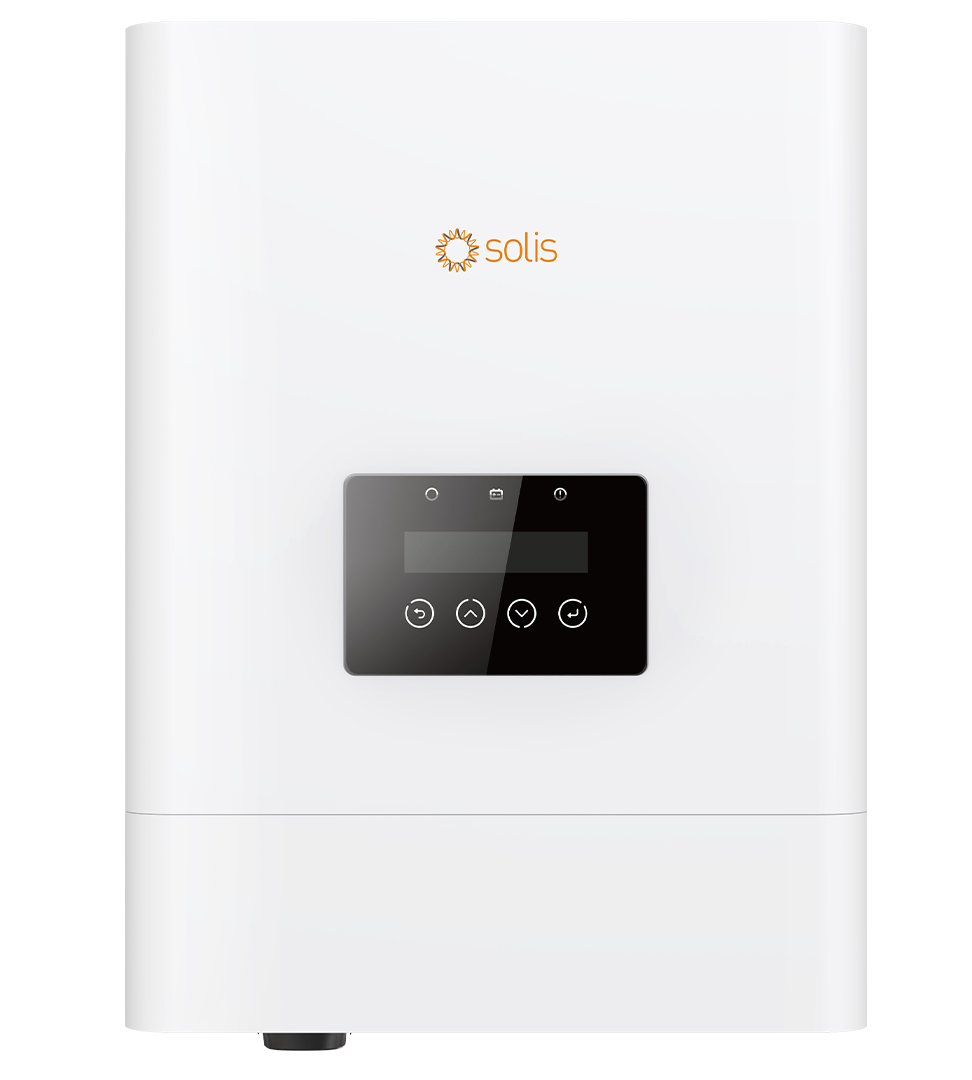
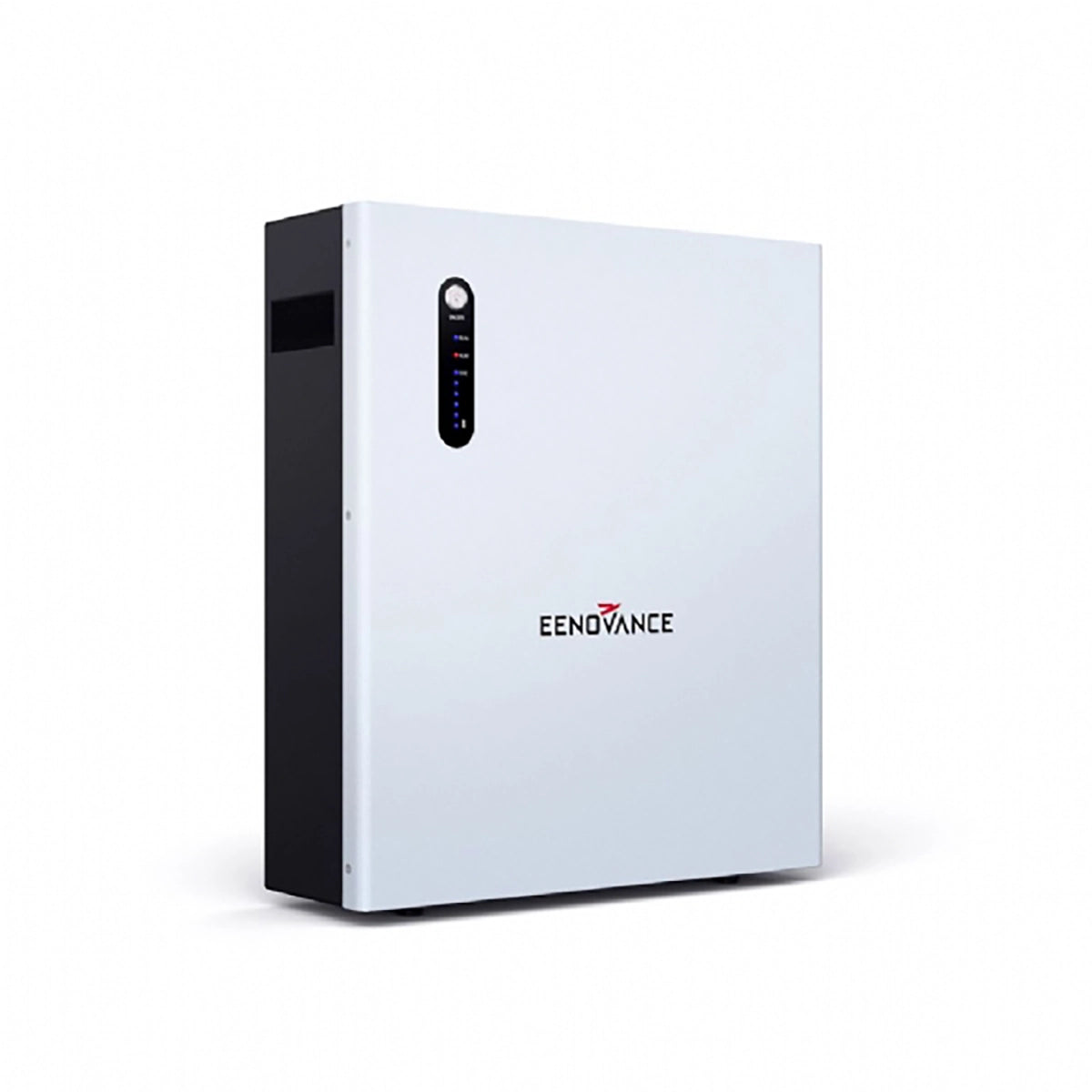
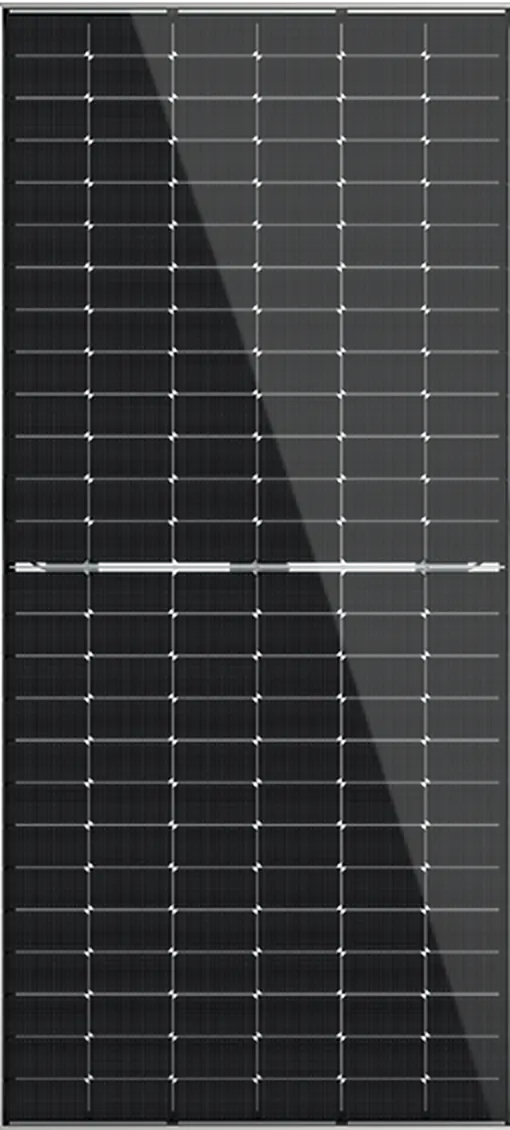
Reputable inverter brands used in SA include Sunsynk, Solis, Huawei, AlphaESS and Sigenergy. Common quality battery brands include Sunsynk, AlphaESS, Eenovance, Sigenergy and IES. For panels, Trina and Jinko are widely deployed tier-one names. You don't need the most exotic equipment on the market, you need proven kit installed properly.
Ask for exact model numbers on the quote, not just "5kW inverter and lithium battery". Vague specs are where corners get cut.
Step 5: Vet the installer, not just the price
The single biggest driver of whether your solar experience is good or bad is the installer. Cheap hardware fitted well beats premium hardware fitted badly.
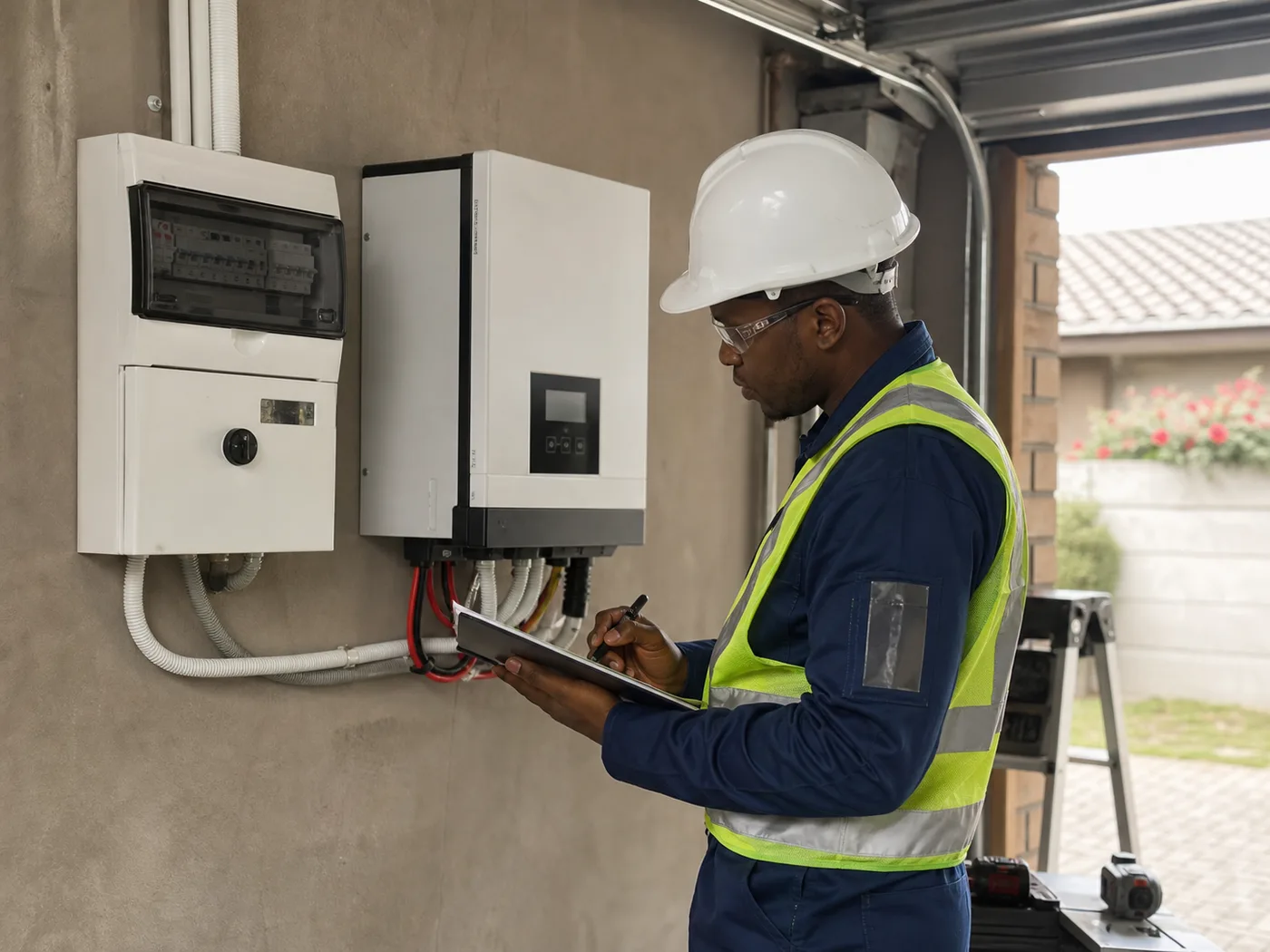
Check that the company uses a registered electrician who can issue a Certificate of Compliance (CoC), and ask exactly how it handles SSEG registration with your electricity distributor. Confirm that it carries proper insurance. Ask how long it has been trading, ask to see recent local installs, and read independent reviews rather than relying only on testimonials on its own website.
This is where working through an established referral partner helps. SolarGuide connects you with Alumo, an established national installer that supplies, installs, finances and warrants its systems, so you're not gambling on an unknown one-person operation. Get a free quote → to compare against whatever else is on your table.
Not sure which system you need?
Get a free, no-obligation quote sized to your home, usage and budget. It only takes a minute.
Never judge a quote on the headline price alone. Line them up side by side and compare:
Inverter, battery and panel brands, models and exact capacities
Warranty terms on each component and on the workmanship
Whether installation, mounting, cabling, the CoC and SSEG registration are included or extra
Payment structure: outright, rent-to-own, subscription or financed
A quote that looks R15,000 cheaper often turns out to have a smaller battery, a shorter warranty, or excludes the compliance paperwork you legally need. When you normalise the quotes, the "expensive" one is sometimes the better deal.
Step 7: Match the system to a payment plan that fits
You have more options than a single cash outlay. Alumo's range gives a sense of the market:
Rent-to-own (3, 5 or 7 year): spread the cost and own it at the end.
Subscription: lower monthly commitment with the flexibility to cancel after a fixed period.
Alumo's current solar-plus-battery rent-to-own range uses a Solis 5kW inverter and Eenovance 5.32kWh battery: Watt-a-Deal has three 615W panels from R1,418/month, The Big Watt has four from R1,487/month, and The Power Bae has six from R1,626/month on a seven-year term. Three- and five-year prices, solar-only configurations and battery-only pricing are available on our current package comparison.
For businesses, the Section 12B solar allowance is worth raising with your accountant. Qualifying solar assets can attract accelerated depreciation, but the result depends on ownership, use and the contract structure.
Step 8: Confirm the legal and compliance boxes
This is the step people skip and later regret. Before you sign off and pay the final amount, make sure the following are explicitly covered:
A Certificate of Compliance (CoC) issued by a registered electrician for the installation.
SSEG registration with your municipality (Cape Town, Joburg, Tshwane, eThekwini and others all require grid-tied systems to be registered).
An approved grid-tied inverter if you are connecting to the grid, so you comply with local rules on feed-in and safety.
Skipping compliance can void your home insurance and cause problems when you sell the house. It is not optional.
Step 9: Get everything in writing
Your final checklist item is documentation. Make sure you receive, and file safely: the signed quote and scope of work, all component warranty certificates, the CoC, proof of SSEG registration, and the installer's contact details for service calls. A quick handover walkthrough of your inverter app and how to monitor the system rounds it off.
SolarGuide can arrange a free Alumo quote once you are ready to compare a site-specific system. Alumo confirms the equipment, installation scope, finance terms, final price and warranties after assessing your home.
If you have worked through this checklist, you are already ahead of most buyers. Get a free Alumo quote → and use these steps to interrogate whatever comes back.
Frequently asked questions
How much does a home solar system cost in South Africa?
It depends heavily on size and whether you buy outright or finance. Entry-level backup-focused systems start around the high forty-thousands of rands outright, while Alumo's financed options start from R999 a month for solar-only rent-to-own, R1,299 for a subscription and R1,418 for solar plus battery, depending on the package and term. Get a site-specific quote, since roof, distance and load all affect the final figure.
Do I legally need to register my solar system?
Yes. Grid-tied systems must be registered as Small-Scale Embedded Generation (SSEG) with your municipality, and the installation needs a Certificate of Compliance from a registered electrician. Reputable installers handle both for you.
How do I know if a quote is fair?
Compare at least two or three quotes on a like-for-like basis: identical brands, capacities, warranties and included compliance work. A fair quote lists exact model numbers, includes the CoC and SSEG registration, and offers a balanced system rather than maximising one component at the expense of another.
Should I buy the biggest system I can afford?
Not necessarily. The right system matches your actual usage and goal. Oversizing wastes money on capacity you never use, while undersizing leaves you frustrated during load-shedding. Sizing around your real consumption is what delivers the best value.
Can I add to my system later?
Usually yes, if it is designed with expansion in mind. If you think you will add panels or an extra battery down the line, tell your installer up front so they specify an inverter and layout that can grow with you.
SolarGuide is an independent referral partner. We help you compare options and arrange a free quote — Alumo supplies, installs, finances and warrants the systems. Pricing is indicative, sourced from Alumo’s published catalogue, and subject to a site assessment and credit approval.